
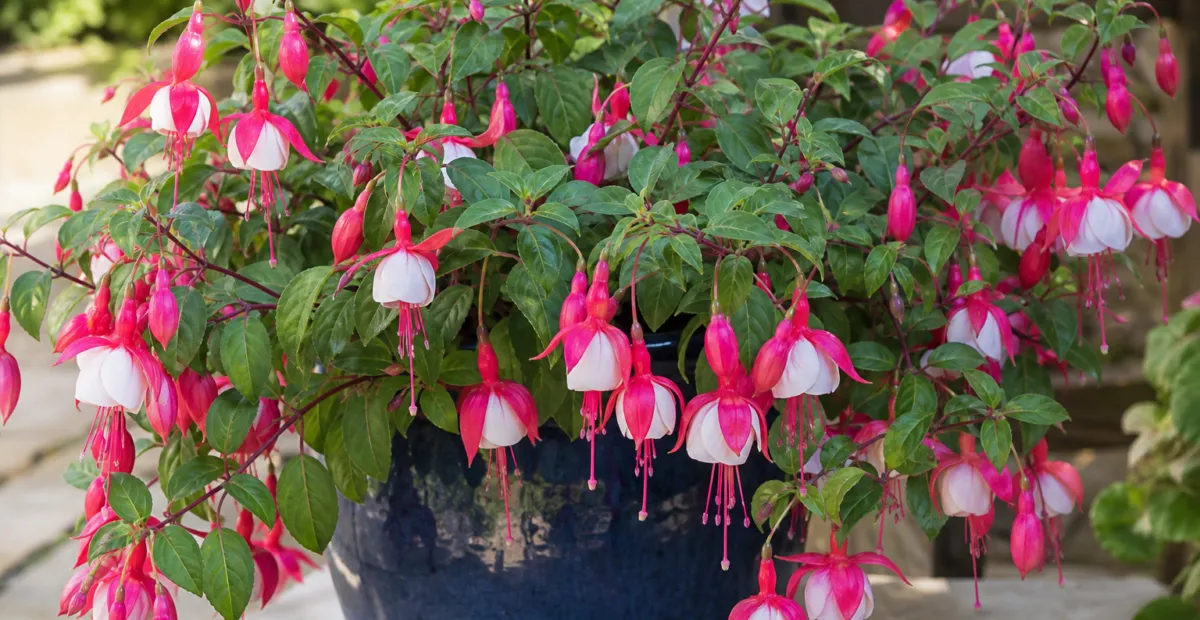
 AI-generated illustration
Fuchsia ‘Lady’s Earring’ short overview
Fuchsia 'Lady's Earring' is a poorly documented cultivar name rather than a securely traceable species or registered cultivar in the sources reviewed. The plant should therefore be grown according to typical tender-fuchsia requirements: bright filtered light or partial shade, evenly moist but well-drained organic soil, regular feeding during active growth, and protection from frost. Use a container in colder parts of the United States unless a nursery label confirms greater hardiness.
Taxonomic classification
Fuchsia ‘Lady’s Earring’ care guide
Light and placement
Give bright filtered light or partial shade, such as an east-facing window, shaded porch, or position protected from intense afternoon sun. Morning sun can improve flowering, but hot reflected light may scorch leaves and wilt flowers. Too little light produces stretched growth and fewer blooms; harsh sun, heat, and dry wind cause leaf scorch and rapid moisture loss.
Watering and humidity
Water thoroughly when the surface begins to dry, allowing excess water to drain completely. Keep the root ball consistently moist during active growth, but never leave the pot standing in water. Increase monitoring during hot weather and reduce watering in cool winter storage while keeping the roots from becoming bone dry.
Soil and growing medium
Use a fertile, organic, moisture-retentive but well-drained potting mix. A loam-based container medium amended with compost is suitable. Avoid both waterlogged soil and rapidly drying, highly sandy mixes. Exact soil-pH preference for this cultivar has not been documented; a general slightly acidic to neutral container medium is a reasonable horticultural target.
Feeding
Feed during active growth with a balanced liquid fertilizer at half strength every two to four weeks, following the product label. Container plants may need more regular nutrition than plants in amended beds. Stop or sharply reduce feeding during cool winter dormancy and avoid fertilizing drought-stressed or freshly repotted plants.
Growth and habit
Typical cultivated fuchsias form branching, leafy plants with arching or trailing stems and repeated flower production in warm weather. Pinching growing tips encourages branching, while excessive heat, drought, or root disturbance can reduce flowering. The mature habit of this exact cultivar is not documented.
Planting and repotting
Set plants outdoors after the danger of frost has passed and nighttime temperatures are reliably mild. Plant at the same depth as the original container in a sheltered, shaded-to-bright-filtered position. Leave enough room for air circulation and keep the root zone evenly moist while establishing.
Repot in spring when roots fill the container, moving up only one pot size. Refresh exhausted mix and ensure drainage holes are open. Avoid disturbing the root ball unnecessarily while the plant is in flower.
Propagation and pruning
Propagation
Use softwood or semi-hardwood cuttings in spring or early summer. Take healthy non-flowering shoots, remove lower leaves, place them in a sterile, lightly moist rooting medium, and maintain bright indirect light and high humidity until rooted. Seed is not recommended for preserving cultivar identity.
Pruning
Pinch young shoots to promote branching. After flowering or before winter storage, shorten overly long stems and remove weak or damaged growth. For dormant overwintering, cut the plant back substantially only after growth has slowed; avoid severe pruning during active flowering unless reshaping is needed.
Overwintering
Before frost, move container plants indoors or into a cool, bright, frost-free space. A dormant storage period in a cool location with reduced watering is often easier than maintaining active growth in a dry heated room. Check for pests before bringing plants inside and resume brighter light and watering gradually in spring.
Uses
Best supported as an ornamental container, hanging-basket, porch, patio, or sheltered border plant. In colder U.S. regions, grow it seasonally outdoors and overwinter it under protection. Do not promote it as a food or medicinal plant because the exact cultivar identity and fruit characteristics are unverified.
Appearance
Typical fuchsias have opposite or whorled oval to lance-shaped leaves, often with toothed margins, slender branching stems, and flowers that dangle beneath the foliage. 'Lady's Earring' was not documented well enough to confirm distinctive leaf variegation, flower doubleness, or stem coloration.
Flowering
Fuchsias produce pendent, usually tubular flowers with a conspicuous four-lobed calyx and smaller petals or corolla. The exact flower color, doubleness, and flowering schedule of 'Lady's Earring' were not reliably documented. Typical cultivated fuchsias bloom repeatedly during warm active growth and often continue into fall when kept cool, moist, and well fed.
Pollination and visitors
Typical fuchsia flowers can be visited by bees, bumblebees, and hummingbirds or other nectar-feeding birds, but visitor records for 'Lady's Earring' specifically were not found. The pendant, nectar-bearing floral structure is consistent with animal pollination, while the relative attractiveness of this exact cultivar remains uncertain.
Diseases and pests
Diseases
Provide air movement, avoid wetting foliage late in the day, and remove spent or damaged growth. Watch for fuchsia rust, gray mold, and root problems caused by persistently wet media. Dispose of infected leaves and correct watering or ventilation before considering a labeled fungicide.
Pests
Inspect new growth and leaf undersides for aphids, whiteflies, spider mites, and mealybugs. Fuchsia gall mite can distort young leaves and shoots. Isolate affected containers, prune badly damaged tips, improve airflow, and use an appropriate labeled treatment only when monitoring shows it is needed.
Related diseases and pests
Only Plant Doctor profiles whose host data indicate this plant may be affected are shown here.
 PestCyclamen mitePhytonemus pallidus
 DiseaseBlack Root RotBerkeleyomyces basicola
 DiseaseGray MoldBotrytis cinerea
 PestMealy Plum AphidHyalopterus pruni (Geoffroy, 1762)
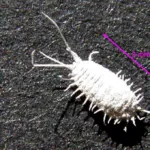 PestObscure mealybugPseudococcus viburni
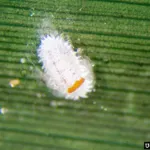 PestCitrus mealybugPlanococcus citri
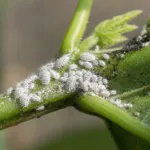 PestCotton mealybugPhenacoccus solenopsis Tinsley
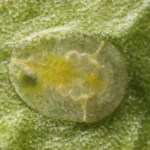 PestCitrus whiteflyDialeurodes citri
Toxicity and pollen
No cultivar-specific toxicity record was found. Fuchsia plants are generally regarded as non-toxic to dogs and cats by major pet-plant references for documented Fuchsia species, but individual plant material can still cause mild gastrointestinal upset if eaten. Avoid deliberate consumption of unidentified nursery plants and contact a medical or veterinary professional after concerning exposure.
- Typical season
- Flowering season; airborne exposure is generally limited
- Pollination / pollen
- Primarily animal-transferred pollen; limited airborne dispersal
Fuchsia pollen is primarily released within flowers and transferred by animal visitors rather than dispersed in large airborne clouds. This supports a low airborne-pollen concern, not a guarantee of no allergy risk. Sensitive people should avoid handling flowers if symptoms occur.
Native habitat
The genus Fuchsia is native mainly to Central and South America, with species occupying humid woodland margins, montane habitats, and other frost-free or seasonally cool environments. Cultivated tender fuchsias perform best when their roots remain cool and moist while foliage receives bright, indirect or filtered light.
Interesting fact
The name is not securely connected to a published species or registered cultivar record.
Fuchsia flowers typically hang downward from the leaf axils.
Many cultivated fuchsias are propagated by cuttings to preserve traits.
Fuchsia fruits are berries, but cultivar flavor and edibility vary.
Tender forms are commonly overwintered dormant rather than as houseplants.
Frequently asked questions (FAQ)
The most relevant questions about this plant, with short and direct answers.
🌱Quick care
What is Fuchsia 'Lady's Earring'?⌄
Fuchsia 'Lady's Earring' is a cultivated fuchsia in the Onagraceae family, grown for its pendant, earring-like flowers. Cultivar-specific descriptions are limited, so its exact mature size and flower colors should be confirmed from the plant tag or seller.
How much light does Fuchsia 'Lady's Earring' need?⌄
Give Fuchsia 'Lady's Earring' bright filtered light or partial shade. Protect it from intense afternoon sun, especially in hot U.S. climates, because heat and direct sun can scorch leaves and reduce flowering.
How often should I water Fuchsia 'Lady's Earring'?⌄
Water Fuchsia 'Lady's Earring' whenever the soil surface begins to dry, keeping the mix evenly moist but never waterlogged. Container plants may need frequent checks during hot or windy weather.
Is Fuchsia 'Lady's Earring' an indoor or outdoor plant?⌄
Fuchsia 'Lady's Earring' can be grown outdoors during mild weather and indoors in bright, indirect light when conditions are too cold or hot. In most of the United States, treat it as frost-tender unless its label specifically confirms greater hardiness.
🌤️Environment and placement
Where should I place Fuchsia 'Lady's Earring' outdoors?⌄
Place Fuchsia 'Lady's Earring' in a sheltered spot with morning sun, bright shade, or filtered light and protection from strong wind. A covered patio, shaded porch, or east-facing location is often suitable.
Can Fuchsia 'Lady's Earring' grow in full sun?⌄
Fuchsia 'Lady's Earring' is better suited to partial shade or bright filtered light than full sun. It may tolerate gentle morning sun in cooler regions, but hot afternoon exposure can cause wilting, leaf scorch, and fewer flowers.
What temperatures can Fuchsia 'Lady's Earring' tolerate?⌄
Fuchsia 'Lady's Earring' is frost tender and should be protected before freezing temperatures arrive. Move container plants indoors or into a sheltered, cool space when frost is forecast.
Can Fuchsia 'Lady's Earring' survive winter outdoors?⌄
Fuchsia 'Lady's Earring' should generally be overwintered indoors unless reliable information confirms that this exact cultivar is hardy in your USDA zone. Tender plants can be damaged or killed by frost even when the roots are protected.
Is Fuchsia 'Lady's Earring' suitable for a hanging basket?⌄
Fuchsia 'Lady's Earring' may be suitable for a hanging basket if its growth is trailing or naturally arching. Because the cultivar’s habit is not well documented online, check its label or observe whether stems cascade before choosing a basket.
💧Care and problems
Why are the leaves on my Fuchsia 'Lady's Earring' wilting?⌄
Wilting usually means the plant is thirsty, overheated, rootbound, or suffering from damaged roots. Check the soil moisture first, then move the plant to bright shade and make sure excess water can drain freely.
Why are the leaves on my Fuchsia 'Lady's Earring' turning yellow?⌄
Yellow leaves can result from overwatering, poor drainage, low light, nutrient deficiency, or normal aging. Let excess water drain, keep the soil evenly moist rather than saturated, and inspect the roots and undersides of leaves for pests.
What pests attack Fuchsia 'Lady's Earring'?⌄
Fuchsia 'Lady's Earring' may attract aphids, whiteflies, spider mites, thrips, scale, and other common container-plant pests. Inspect new growth and leaf undersides regularly, and treat small infestations promptly with water sprays or a plant-safe control labeled for fuchsia.
Why does Fuchsia 'Lady's Earring' have sticky leaves?⌄
Sticky leaves usually indicate honeydew produced by sap-feeding pests such as aphids, whiteflies, or scale. Check the foliage and stems closely, rinse the plant, and control the insects rather than treating the stickiness alone.
Can I use insecticidal soap on Fuchsia 'Lady's Earring'?⌄
Use insecticidal soap on Fuchsia 'Lady's Earring' only according to the product label and test a small area first. Some fuchsia cultivars can be sensitive to sprays, particularly in heat, direct sun, or drought conditions.
🪴Planting and repotting
What soil is best for Fuchsia 'Lady's Earring'?⌄
Use a fertile, organic, moisture-retentive potting mix that drains well. A quality container mix amended with compost or other organic matter is preferable to dense garden soil, which can stay too wet around the roots.
How do I repot Fuchsia 'Lady's Earring'?⌄
Repot Fuchsia 'Lady's Earring' when roots fill the container or water runs through unusually quickly, moving it into a pot only one size larger. Use fresh, well-drained mix, keep the root ball intact, and water thoroughly after repotting.
Can I plant Fuchsia 'Lady's Earring' in the ground?⌄
You can plant Fuchsia 'Lady's Earring' in the ground in a frost-free or mild-season location with partial shade and consistently moist, well-drained soil. In colder U.S. regions, container culture is safer because the plant can be moved indoors.
✂️Propagation and pruning
How do I propagate Fuchsia 'Lady's Earring' from cuttings?⌄
Propagate Fuchsia 'Lady's Earring' from healthy, nonflowering softwood cuttings taken during active growth. Remove the lower leaves, place the cuttings in a clean, lightly moist rooting mix, and keep them humid in bright indirect light until roots form.
Can Fuchsia 'Lady's Earring' be grown from seed?⌄
Fuchsia 'Lady's Earring' can produce seedlings from seed, but the offspring may not match the parent cultivar. Stem cuttings are the better method when you want plants genetically identical to the original.
Should I prune Fuchsia 'Lady's Earring'?⌄
Prune Fuchsia 'Lady's Earring' to remove weak or damaged growth, shape the plant, and encourage branching. Pinching growing tips during the active season can produce a fuller plant, while heavier pruning is best done before new growth resumes.
Should I deadhead Fuchsia 'Lady's Earring'?⌄
Deadhead Fuchsia 'Lady's Earring' by removing spent flowers and developing fruit when you want to encourage continued blooming. If you leave the fruit, the plant may put more energy into seed and fruit production instead of new flowers.
⚠️Toxicity and safety
Is Fuchsia 'Lady's Earring' toxic to cats and dogs?⌄
Cultivar-specific toxicity information for Fuchsia 'Lady's Earring' is unverified, although fuchsias are generally treated as low concern and some Fuchsia species are listed as non-toxic to pets. Prevent pets from chewing ornamental plants, since any plant material can still cause stomach upset.
Are Fuchsia 'Lady's Earring' berries edible?⌄
Fuchsia berries are generally described as edible in some fuchsias, but the fruit of Fuchsia 'Lady's Earring' has not been specifically verified. Do not eat berries from this cultivar unless its identity and edible-use guidance are confirmed by a reliable specialist source.
🌸Flowering and special interest
When does Fuchsia 'Lady's Earring' bloom?⌄
Fuchsia 'Lady's Earring' typically flowers during the active growing season when it receives bright filtered light, steady moisture, and moderate temperatures. The exact bloom period depends on local climate, indoor conditions, and the cultivar’s undocumented parentage.
Why is my Fuchsia 'Lady's Earring' not flowering?⌄
A lack of flowers is commonly caused by excessive shade, heat stress, inconsistent watering, overfertilization, or insufficient pinching and branching. Provide bright filtered light, keep the soil evenly moist, and avoid high-nitrogen feeding.
How can I get more flowers on Fuchsia 'Lady's Earring'?⌄
For more flowers, give Fuchsia 'Lady's Earring' bright filtered light, consistent moisture, good air circulation, and regular light feeding during active growth. Pinch young shoots to encourage branching, but stop heavy pinching once flower buds begin forming.
Does Fuchsia 'Lady's Earring' attract hummingbirds?⌄
Fuchsia flowers commonly attract hummingbirds because their pendant, tubular blooms provide accessible nectar. Whether Fuchsia 'Lady's Earring' is especially attractive depends on its flower shape, color, and the other nectar sources available nearby.
Similar plants
 Foxtail Palm (Wodyetia bifurcata) care guideWodyetia bifurcata
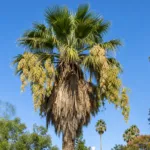 He Mexican fan palm (Washingtonia robusta) care guideWashingtonia robusta
 He California fan palm (Washingtonia filifera) care guideWashingtonia filifera
 Veitchia arecina care guideVeitchia arecina
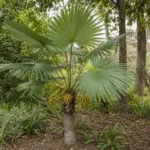 Trachycarpus latisectus care guideTrachycarpus latisectus
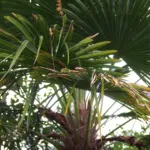 He Chusan palm (Trachycarpus fortunei) care guideTrachycarpus fortunei