
 Source:
 Fuchsia ‘Hawkshead’ short overview
Fuchsia 'Hawkshead' is a compact, hardy fuchsia valued for its graceful pendant flowers, which open in clean white with subtle green tones on the sepals. Its slender dark green leaves and upright, bushy habit suit sheltered borders, woodland-style plantings, patios, and containers. In the United States, it performs best with consistent moisture, good drainage, and protection from harsh, drying winter winds, especially near the colder edge of its hardiness range.
Taxonomic classification
Fuchsia ‘Hawkshead’ care guide
Light and placement
Grow in full sun or partial shade, ideally with morning sun or bright afternoon-filtered light in hot climates. East- and west-facing exposures are useful; sheltered south-facing sites can work where summer heat is moderate. Too little light causes lanky growth and fewer flowers, while excessive hot, dry exposure can scorch foliage and wilt the plant.
Watering and humidity
Water deeply when the soil surface begins to dry, keeping the root zone consistently moist rather than alternating between drought and saturation. Containers may need frequent checks during summer. Reduce watering after leaf drop and in cool weather, but do not allow overwintering plants to become bone dry. Good drainage is essential.
Soil and growing medium
Use fertile soil that holds moisture without becoming waterlogged. Loam, sandy loam, clay amended with organic matter, and other well-drained substrates can work. The cultivar tolerates acidic, neutral, or alkaline conditions, so drainage and steady moisture are more important than precise pH adjustment.
Feeding
Feed container plants with a balanced liquid fertilizer at half strength every 2 to 4 weeks during active growth, following the product label. In ground, apply a modest spring mulch of compost or well-rotted organic matter. Stop routine feeding by late summer so soft new growth is not encouraged before winter.
Growth and habit
This cultivar forms a bushy, upright shrub and flowers on current-season growth. In colder regions, stems may die back after hard freezes and regrow from the base. Consistent moisture, spring pruning, and protection from drying winds help maintain a fuller plant and stronger flowering.
Planting and repotting
Plant in spring after severe freezes have passed, particularly in USDA Zones 6 and 7, so roots can establish before winter. Set the plant at the same depth as in its nursery pot. Allow roughly 2 to 3 feet between plants where a full shrub is wanted, while closer spacing can create a loose informal grouping.
Repot container plants in spring when roots fill the pot or growth slows. Move into a container only one size larger, using a moisture-retentive but well-drained potting mix. Avoid disturbing the root ball unnecessarily, and water thoroughly after repotting.
Propagation and pruning
Propagation
Use softwood or semi-ripe cuttings in late spring through summer. Take non-flowering shoots, remove lower leaves, and root them in a clean, lightly moist medium under bright indirect light. Cuttings are generally more reliable than seed for preserving the cultivar's flower traits.
Pruning
In late winter or early spring, remove dead or winter-damaged stems and shorten remaining shoots to encourage branching. In cold climates, wait until new growth begins so living wood can be identified. Lightly trimming spent flowers during the season can support continued display, but hard pruning is best reserved for the dormant period.
Overwintering
Apply a 2- to 4-inch mulch layer over the root zone after the ground cools, keeping mulch away from the stems. In colder areas, grow it in a protected microclimate or container and move the container to a cool, bright, frost-free location after leaf drop. Avoid warm, dark indoor conditions that encourage weak growth.
Uses
Use 'Hawkshead' in sheltered flower borders, informal shrub groupings, woodland-style gardens, patios, and containers. Its pale flowers are especially visible in dappled shade. It can contribute nectar resources for hummingbirds and insects, but should not be presented as a substitute for regionally native pollinator plants.
Appearance
The plant has slender, dark green leaves on branching stems and a compact upright habit. Its most distinctive feature is the pendant display of narrow white flowers, with white tubes and broad sepals that can be tipped or washed green. In cold climates, the shrub is deciduous and may regrow from the base.
Flowering
The cultivar produces many slender, pendant, single white flowers from summer into fall. The flowers have white floral tubes and broad sepals that may show green at the tips. Continued flowering is encouraged by regular moisture and removal of spent blooms or developing fruit.
Pollination and visitors
Fuchsia flowers are commonly associated with nectar-feeding birds and may also be visited by bees. Reliable observations for this exact cultivar are limited, so the attraction rating is based partly on documented Fuchsia floral biology and horticultural observations rather than a cultivar-specific pollination study.
Fuchsia 'Hawkshead' photos
Click any photo for a larger view. Source, author and license are shown separately.
Diseases and pests
Diseases
Improve air circulation, avoid wetting foliage late in the day, and remove badly affected leaves. Watch for gray mold in persistently damp conditions, rust, and root problems caused by poorly drained soil. Water at the base and avoid crowding; fungicides are rarely needed when cultural conditions are corrected.
Pests
Inspect new growth for aphids, whiteflies, and thrips. Fuchsia gall mite can distort young shoots and buds; remove affected growth promptly and dispose of it rather than composting. Keep plants vigorous, avoid contaminated cuttings, and use insecticidal soap only when pests are confirmed.
Related diseases and pests
Only Plant Doctor profiles whose host data indicate this plant may be affected are shown here.
 PestCyclamen mitePhytonemus pallidus
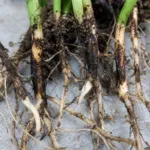 DiseaseBlack Root RotBerkeleyomyces basicola
 DiseaseGray MoldBotrytis cinerea
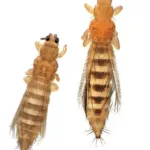 PestOnion thripsThrips tabaci Lindeman
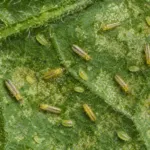 PestMelon thripsThrips palmi Karny
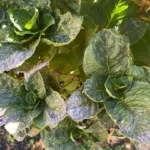 PestChilli thripsScirtothrips dorsalis Hood
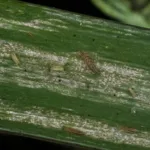 PestDracaena ThripsParthenothrips dracaenae
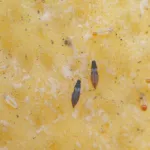 PestGreenhouse thripsHeliothrips haemorrhoidalis
Toxicity and pollen
No cultivar-specific toxicity assessment was located. ASPCA lists Fuchsia triphylla as non-toxic to dogs and cats, but that evidence should not be treated as a definitive safety ruling for Fuchsia 'Hawkshead'. Prevent pets and children from chewing ornamental plants, and seek medical or veterinary advice after significant ingestion or if symptoms occur.
- Typical season
- Summer through fall
- Pollination / pollen
- Mostly animal-mediated pollen transfer
Fuchsia pollen is released from the anthers of insect- or bird-visited flowers rather than being characteristically wind-dispersed over long distances. Airborne allergy risk is therefore expected to be low, but low risk is not the same as zero risk for sensitive individuals.
Native habitat
Fuchsia is a genus of mostly moisture-loving shrubs associated with cool, humid habitats in the Americas and the South Pacific. 'Hawkshead' is a cultivated garden selection rather than a wild habitat taxon; it is best understood as a plant for fertile, moisture-retentive but well-drained garden conditions.
Interesting fact
The cultivar received the Royal Horticultural Society Award of Garden Merit in 2002. Its white flowers are unusual among commonly grown fuchsias, which are often strongly red, pink, or purple. The flowers hang from slender stalks and remain visually prominent against dark foliage.
Frequently asked questions (FAQ)
The most relevant questions about this plant, with short and direct answers.
🌱Quick care
What is Fuchsia 'Hawkshead'?⌄
Fuchsia 'Hawkshead' is a bushy, upright hardy fuchsia cultivar grown for its slender white flowers with green-tipped sepals. It is a deciduous shrub or herbaceous perennial in colder climates.
How much sun does Fuchsia 'Hawkshead' need?⌄
Grow Fuchsia 'Hawkshead' in full sun to partial shade. In hot U.S. climates, morning sun or bright afternoon shade helps prevent heat and moisture stress.
How often should I water Fuchsia 'Hawkshead'?⌄
Water Fuchsia 'Hawkshead' whenever the soil surface begins to dry, keeping the root zone evenly moist but not waterlogged. Container plants usually need more frequent watering than plants in the ground.
Is Fuchsia 'Hawkshead' a perennial?⌄
Fuchsia 'Hawkshead' can act as a perennial in mild climates and regrow from its crown after winter in colder areas. Its survival depends on local temperatures, shelter, mulch, and winter drainage.
How big does Fuchsia 'Hawkshead' get?⌄
Fuchsia 'Hawkshead' commonly reaches about 3 to 4 feet tall and wide. Growth may be smaller in containers or colder regions and larger where summers are cool and moisture is consistent.
🌤️Environment and placement
Where should I plant Fuchsia 'Hawkshead'?⌄
Plant Fuchsia 'Hawkshead' in a sheltered border, woodland-style bed, cottage garden, or large container with moist, well-drained soil. Protect it from hot reflected heat and drying winds.
Can Fuchsia 'Hawkshead' grow in full shade?⌄
Fuchsia 'Hawkshead' can tolerate bright full shade, but it generally flowers better with some filtered light or gentle morning sun. Dense, dark shade may produce weaker growth and fewer blooms.
What USDA hardiness zone is Fuchsia 'Hawkshead'?⌄
Fuchsia 'Hawkshead' is generally listed for about USDA Zones 7 through 10, although some growers report success in protected Zone 6 locations. Winter protection is especially important near the colder edge of its range.
Can Fuchsia 'Hawkshead' tolerate heat?⌄
Fuchsia 'Hawkshead' tolerates warm conditions best when its soil stays evenly moist and it receives afternoon shade. Hot, dry sites can cause wilting, leaf scorch, and reduced flowering.
Does Fuchsia 'Hawkshead' attract hummingbirds?⌄
Yes, the tubular flowers of Fuchsia 'Hawkshead' can attract hummingbirds and other flower visitors. Its white blooms are particularly visible in shaded gardens and during evening light.
💧Care and problems
What soil is best for Fuchsia 'Hawkshead'?⌄
Use moist, fertile, well-drained soil for Fuchsia 'Hawkshead'. It can grow in loam, sandy soil, clay, or amended garden soil if drainage is adequate and the roots do not remain saturated.
Should I fertilize Fuchsia 'Hawkshead'?⌄
Feed Fuchsia 'Hawkshead' during active growth with a balanced or flowering-plant fertilizer according to the label. Avoid excessive nitrogen, which can encourage leafy growth at the expense of flowers.
Why is my Fuchsia 'Hawkshead' wilting?⌄
Wilting is usually caused by dry soil, excessive heat, root damage, or waterlogged roots. Check the soil several inches down, water thoroughly if it is dry, and improve drainage if it stays soggy.
What pests affect Fuchsia 'Hawkshead'?⌄
Fuchsia 'Hawkshead' may be affected by aphids, vine weevils, and other common garden pests. Inspect new growth and leaves regularly, and address infestations early with a plant-safe treatment appropriate for the pest.
What diseases affect Fuchsia 'Hawkshead'?⌄
Fuchsia 'Hawkshead' can develop rust and other problems when foliage stays wet and air circulation is poor. Remove badly affected leaves, avoid overhead watering, and give the plant adequate spacing.
Does Fuchsia 'Hawkshead' need deadheading?⌄
Deadheading is optional for Fuchsia 'Hawkshead' but can improve its appearance and encourage continued flowering. Remove spent flowers before they develop berries if you want to direct more energy toward bloom production.
🪴Planting and repotting
When should I plant Fuchsia 'Hawkshead' outdoors?⌄
Plant Fuchsia 'Hawkshead' outdoors after the risk of hard frost has passed and the soil can be worked. Early planting gives the roots time to establish, but first-year plants benefit from extra winter protection.
How do I overwinter Fuchsia 'Hawkshead' in the ground?⌄
After the plant goes dormant, leave the crown protected with a deep layer of dry mulch and keep mulch away from the main stems. In colder areas, a sheltered site and additional protection may be needed.
Can Fuchsia 'Hawkshead' grow in a container?⌄
Yes, Fuchsia 'Hawkshead' grows well in a large container with drainage holes and moisture-retentive, well-drained potting mix. Container roots are more exposed to freezing, so move or insulate the pot in cold weather.
How often should I repot Fuchsia 'Hawkshead'?⌄
Repot Fuchsia 'Hawkshead' when roots fill the container or the plant dries out unusually quickly, usually in spring. Move it into a pot only slightly larger and refresh the potting mix without burying the crown deeply.
✂️Propagation and pruning
How do I propagate Fuchsia 'Hawkshead'?⌄
Propagate Fuchsia 'Hawkshead' from softwood or semi-hardwood cuttings. Take healthy, nonflowering stem sections, remove the lower leaves, and root them in a clean, lightly moist, well-drained medium.
Can Fuchsia 'Hawkshead' be grown from seed?⌄
Fuchsia 'Hawkshead' can produce seed, but seedlings may not reproduce the named cultivar faithfully. Cuttings are the more reliable method when you want plants identical to the parent.
When should I prune Fuchsia 'Hawkshead'?⌄
Prune Fuchsia 'Hawkshead' in late winter or early spring after the worst freezes have passed and new growth is beginning. In frost-prone areas, wait until you can distinguish live growth from winter-killed stems.
Can I cut Fuchsia 'Hawkshead' back to the ground?⌄
Yes, Fuchsia 'Hawkshead' can be cut back hard in late winter or early spring where it regrows from a hardy crown. In borderline climates, leave some stem protection until new growth confirms which wood survived.
How do I keep Fuchsia 'Hawkshead' compact?⌄
Cut back long or winter-damaged stems in early spring and remove weak growth at the base. Regular light shaping encourages a bushier plant, while severe pruning is best reserved for the dormant season.
⚠️Toxicity and safety
Is Fuchsia 'Hawkshead' toxic to dogs and cats?⌄
The toxicity of Fuchsia 'Hawkshead' has not been definitively verified for this exact cultivar. Keep pets from chewing the plant, and contact a veterinarian or poison-control service if a pet eats an unknown amount.
Are Fuchsia 'Hawkshead' berries edible?⌄
Do not eat berries from Fuchsia 'Hawkshead' unless they have been positively identified and a trusted edible-plant source confirms their safety. The fruits are ornamental, and cultivar-specific edibility information is limited.
🌸Flowering and special interest
When does Fuchsia 'Hawkshead' bloom?⌄
Fuchsia 'Hawkshead' usually blooms from early summer into fall, with flowering often continuing late in the season. Bloom timing varies with climate, pruning, sunlight, moisture, and winter survival.
What do Fuchsia 'Hawkshead' flowers look like?⌄
The flowers are narrow, pendulous, and predominantly white, with green-tinted sepal tips. They hang from the stems and create a light, elegant display against the dark green foliage.
Why is my Fuchsia 'Hawkshead' not flowering?⌄
Poor flowering is commonly caused by insufficient light, drought, excessive nitrogen, severe pruning at the wrong time, or winter damage. Provide consistent moisture, bright filtered light, and spring pruning rather than cutting during active bud formation.
Does Fuchsia 'Hawkshead' flower in shade?⌄
Yes, Fuchsia 'Hawkshead' can flower in partial shade and bright shade, although some filtered light usually improves bloom quantity. Avoid deep, stagnant shade and keep the soil evenly moist.
Similar plants
 Saucer Magnolia (Magnolia soulangeana) care guideMagnolia soulangeana
 Magnolia × loebneri ‘Merrill’Magnolia × loebneri 'Merrill'
 Magnolia loebneri care guideMagnolia loebneri
 Sweetbay magnolia (Magnolia virginiana) care guideMagnolia virginiana
 Star magnolia (Magnolia stellata) care guideMagnolia stellata
 Magnolia sprengeri care guideMagnolia sprengeri