
 Source:
 Maurelii (Ensete ventricosum ‘Maurelii’) short overview
Ensete ventricosum 'Maurelii' is a dramatic red-leaved form of the Abyssinian banana, grown in the United States as a tropical-looking specimen, patio container plant, or seasonal bedding accent. Its broad paddle-shaped leaves emerge from a stout, trunk-like pseudostem with burgundy to deep-red coloring. It grows rapidly in warmth, bright light, rich moisture-retentive soil, and protection from strong wind, but requires frost protection in most U.S. gardens.
Taxonomic classification
Maurelii (Ensete ventricosum ‘Maurelii’) care guide
Light and placement
Give full sun for the strongest red coloration and fastest growth, with light afternoon shade in very hot, dry climates. A south- or west-facing position works well if the plant is protected from reflected heat and wind. Pale, stretched growth suggests insufficient light; scorched margins, bleached patches, or shredded leaves indicate excessive exposure, heat, drought, or wind stress.
Watering and humidity
Water deeply whenever the upper inch of soil begins to dry, keeping the root zone evenly moist but never stagnant. Container plants may need frequent watering during hot summer weather. Reduce watering substantially in fall and winter, especially after moving the plant indoors, and allow the surface to dry slightly between applications. Good drainage is essential because saturated roots can rot.
Soil and growing medium
Use fertile loam enriched with compost or other well-rotted organic matter. The medium should hold steady moisture while draining freely around the roots; compacted or waterlogged soil encourages root and pseudostem problems. A slightly acidic to neutral mix is convenient, but the species tolerates a broad pH range if fertility and drainage are maintained.
Feeding
Feed during active spring and summer growth with a balanced fertilizer or a foliage fertilizer at the label rate, supplemented by compost where appropriate. Container plants benefit from regular liquid feeding because frequent watering leaches nutrients. Stop or greatly reduce feeding in late fall and winter, when low light and cool conditions make soft growth more vulnerable.
Growth and habit
Growth is rapid in warm weather. The plant forms a solitary, upright pseudostem rather than a spreading colony of suckers, so it is usually maintained as one bold specimen. Large leaves are easily torn by wind; sheltered courtyards, walls, screened patios, and protected borders reduce cosmetic damage. Mature plants may become difficult to move because of their size and transplant sensitivity.
Planting and repotting
Choose a warm, sheltered location with fertile soil and reliable irrigation. Harden off greenhouse- or indoor-grown plants before placing them in full outdoor sun. Set the root ball level with the surrounding soil rather than burying the pseudostem. Mulch around, but not against, the base to conserve moisture and moderate roots.
Repot container plants in spring when roots fill the pot or growth becomes unstable. Move into a heavy, well-drained container only one size larger at a time, because oversized wet soil can remain saturated. Handle the root ball carefully; 'Maurelii' is reported to be less tolerant of digging and transplanting than some related plants.
Propagation and pruning
Propagation
Propagation is primarily by seed, and germination may be erratic. Sow fresh seed in a warm, sterile, well-drained medium and maintain steady moisture and bottom heat. Commercial tissue culture is possible but is not a practical home method. The cultivar generally does not provide the abundant offsets associated with many Musa bananas.
Pruning
Remove dead, yellowing, or badly torn leaves by cutting the stalk cleanly near the pseudostem without cutting into the central growing point. Do not shear healthy leaves solely to reduce size. After severe frost damage, wait until the extent of injury is clear before cutting back; remove collapsed tissue with clean tools.
Overwintering
In frost-prone regions, move the container indoors before freezing temperatures. Place it in the brightest available window, greenhouse, or cool bright conservatory, and water sparingly while growth slows. Large specimens can be reduced by removing leaves, but keep the central growing point intact. Avoid cold, wet storage and protect the pseudostem from rot.
Uses
Use as a dramatic specimen, tropical-border accent, patio container plant, greenhouse subject, or seasonal focal plant. Containers make winter protection easier in cold regions. Although the species has food and fiber uses in parts of Africa, this ornamental cultivar is generally grown for foliage, and its fruit should not be treated as equivalent to edible dessert bananas.
Appearance
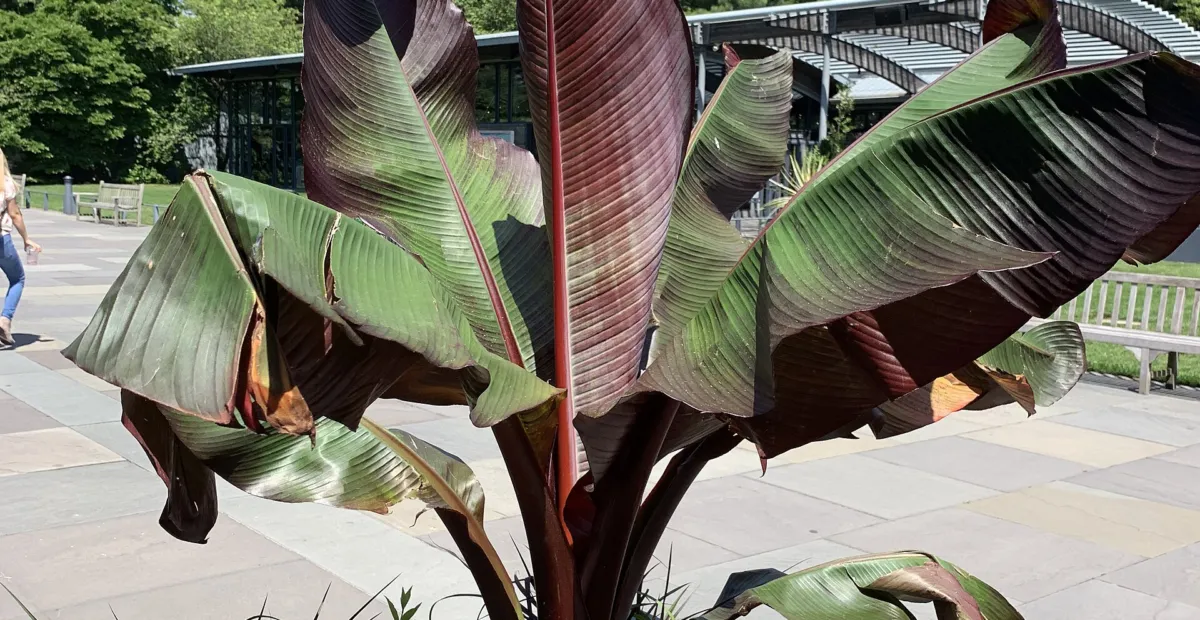
The cultivar is recognized by its huge paddle-shaped leaves, reddish to burgundy leaf sheaths, red midribs, and red or bronze flushing on the leaf surfaces, especially on young growth. Overlapping leaf bases create a stout trunk-like pseudostem. It resembles a banana but is not a true Musa and generally does not produce numerous basal suckers.
Flowering
Flowering is generally restricted to mature plants grown for several years in warm, frost-free conditions. The pendent inflorescence develops among or beneath the leaves and is not usually the main ornamental feature. After flowering and possible fruiting, the single pseudostem declines and dies, although the plant may be replaced by seed-grown offspring rather than conventional suckers.
Pollination and visitors
Reliable cultivar-specific information on animal visitors or pollinators is limited. Because flowers are rarely produced in ordinary U.S. cultivation, the plant should not be marketed as a dependable pollinator-garden species.
Ensete ventricosum 'Maurelii' photos
Click any photo for a larger view. Source, author and license are shown separately.
Diseases and pests
Diseases
Root and pseudostem rot are the main cultural concerns and are promoted by cold, saturated soil or poor drainage. Use clean containers, free-draining media, and careful winter watering. Remove collapsed tissue promptly. Improve air circulation and avoid prolonged leaf wetness when fungal leaf spotting develops.
Pests
Indoors or under glass, watch for spider mites, aphids, scale, and mealybugs, especially when air is dry. Inspect leaf undersides and leaf bases regularly. Isolate affected plants, wash foliage where practical, and use horticultural soap or another labeled treatment according to its instructions.
Related diseases and pests
Only Plant Doctor profiles whose host data indicate this plant may be affected are shown here.
 PestMealy Plum AphidHyalopterus pruni (Geoffroy, 1762)
 DiseaseRhabdocline Needle Cast of Douglas-FirRhabdocline pseudotsugae
 DiseasePseudomonas viridiflava bacterial blightPseudomonas viridiflava
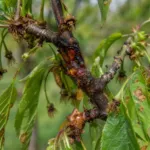 DiseaseBacterial blight and cankerPseudomonas syringae pv. syringae
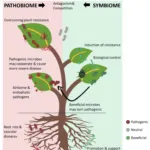 DiseaseOlive Knot DiseasePseudomonas savastanoi pv. savastanoi
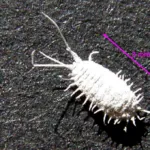 PestObscure mealybugPseudococcus viburni
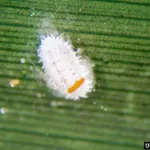 PestCitrus mealybugPlanococcus citri
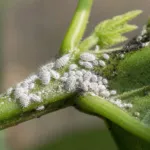 PestCotton mealybugPhenacoccus solenopsis Tinsley
Toxicity and pollen
A North Carolina Extension listing reports low-severity poison characteristics for this exact cultivar and includes humans, dogs, cats, and horses among potentially affected organisms. Avoid chewing plant material, keep fallen leaves away from pets and children, and seek medical or veterinary advice if ingestion causes symptoms. The specific toxic compound and dose are not clearly established in the cited horticultural record.
- Typical season
- Not established for U.S. cultivation; flowering is uncommon
- Pollination / pollen
- Pollen information for this cultivar is limited; flowers are not commonly produced in U.S. gardens.
This is a flowering plant, but cultivar-specific evidence about airborne pollen release and allergy risk is scarce. The flowers are uncommon in typical U.S. gardens, so routine airborne exposure is likely limited, but insect-associated flowering should not automatically be interpreted as zero allergy risk.
Native habitat
The species is associated with warm African environments, including upland and montane regions, forest margins, cultivated landscapes, and moist fertile soils. It performs best where warmth, abundant moisture, strong light, and protection from persistent wind are available. The cultivar itself is horticultural and does not have a separate native range.
Interesting fact
Unlike many cultivated bananas, Ensete usually forms one main pseudostem and does not routinely produce suckers. The apparent trunk is made from tightly overlapping leaf bases rather than woody tissue. Mature plants may flower only after several years, and the pseudostem dies after flowering and fruiting.
Frequently asked questions (FAQ)
The most relevant questions about this plant, with short and direct answers.
🌱Quick care
How do you care for Ensete ventricosum 'Maurelii'?⌄
Grow Ensete ventricosum 'Maurelii' in full sun to partial shade, rich consistently moist soil, and a sheltered location. Protect it from frost and reduce watering during cool-season dormancy.
Is Ensete ventricosum 'Maurelii' an indoor or outdoor plant?⌄
It can grow outdoors during the warm season and indoors as a bright container plant during winter. In most of the United States, move it indoors or into protected storage before frost.
How fast does Ensete ventricosum 'Maurelii' grow?⌄
Ensete ventricosum 'Maurelii' grows rapidly in warm weather when it receives strong light, water, nutrients, and adequate root space. Growth slows sharply in cool or dim conditions.
How big does Ensete ventricosum 'Maurelii' get?⌄
In temperate garden conditions, it can reach roughly 8 to 10 feet tall and 6 to 8 feet wide, although container-grown or overwintered plants are often smaller. Give it room for large, upright leaves.
🌤️Environment and placement
How much sun does Ensete ventricosum 'Maurelii' need?⌄
Give it at least 6 hours of direct sun when possible, with partial shade acceptable in very hot locations. Acclimate plants gradually when moving them from indoors to intense outdoor sunlight.
Where should I plant Ensete ventricosum 'Maurelii' outdoors?⌄
Choose a warm, sheltered site with rich moisture-retentive soil and protection from strong wind. A south- or west-facing wall, courtyard, or protected patio can provide useful warmth.
Can Ensete ventricosum 'Maurelii' grow in shade?⌄
It tolerates partial shade but usually grows more vigorously and retains stronger coloration in brighter light. Deep shade can produce slower growth, weaker stems, and less vivid foliage.
What USDA zones can grow Ensete ventricosum 'Maurelii' outdoors?⌄
It is frost tender and is most dependable as a year-round outdoor perennial only in warm, frost-free parts of the United States. In colder USDA zones, grow it as a seasonal outdoor plant and overwinter it in a container or dormant state.
Can Ensete ventricosum 'Maurelii' tolerate wind?⌄
It does not tolerate strong wind well because its large leaves shred easily. Plant it near a wall, fence, hedge, or other shelter, while avoiding locations that trap excessive cold or water.
💧Care and problems
How often should I water Ensete ventricosum 'Maurelii'?⌄
Water whenever the surface begins to dry, keeping the root zone consistently moist during active growth. Do not leave the plant in saturated soil, because poor drainage can encourage root or stem rot.
Why are the leaves of my Ensete ventricosum 'Maurelii' turning brown?⌄
Brown leaves commonly result from drought, low humidity, wind damage, intense environmental change, or cold injury. Check moisture and shelter first, and remove leaves that are mostly dead.
Why are the leaves of Ensete ventricosum 'Maurelii' tearing?⌄
Leaf tearing is usually caused by wind, handling, or mechanical stress rather than a serious disease. Move the plant to a sheltered position and avoid placing it where large leaves rub against structures.
Why is my Ensete ventricosum 'Maurelii' not growing?⌄
Slow growth usually indicates insufficient warmth, light, water, nutrients, or root space. Growth naturally pauses in cool weather, and a plant recovering from winter storage may need several weeks of warmth before resuming.
What fertilizer is best for Ensete ventricosum 'Maurelii'?⌄
Use a balanced or nitrogen-forward fertilizer during active spring and summer growth, following the product label. Stop or greatly reduce feeding when the plant is cool, dormant, or receiving weak indoor light.
What pests attack Ensete ventricosum 'Maurelii'?⌄
Aphids, mealybugs, scale, and spider mites can affect Ensete ventricosum 'Maurelii', especially indoors or in dry conditions. Inspect leaf undersides and treat infestations promptly with a method labeled for ornamental plants.
What diseases affect Ensete ventricosum 'Maurelii'?⌄
Reported problems include wilt, anthracnose, and mosaic virus, although healthy plants in suitable conditions are generally trouble-free. Remove badly diseased tissue, improve air circulation, and avoid spreading sap or tools between plants.
🪴Planting and repotting
What soil does Ensete ventricosum 'Maurelii' need?⌄
Use rich, moisture-retentive but well-drained loam amended with organic matter. The soil should hold steady moisture without remaining waterlogged after irrigation or rain.
Can Ensete ventricosum 'Maurelii' grow in a container?⌄
Yes, container growing is often the best choice in the United States because the plant can be moved before frost. Use a heavy, stable pot with drainage holes and increase the container size as the root system fills it.
When should I plant Ensete ventricosum 'Maurelii' outside?⌄
Plant it outdoors after the local danger of frost has passed and nights are reliably warm. Harden indoor-grown plants over several days before exposing them to full sun and outdoor wind.
Does Ensete ventricosum 'Maurelii' transplant well?⌄
It can be difficult to transplant successfully, particularly when large and established. Starting it in a movable container is safer than planting it in the ground with the expectation of lifting it each fall.
When should I repot Ensete ventricosum 'Maurelii'?⌄
Repot in spring when active growth is returning or when roots have filled the existing container. Move it into a pot only modestly larger than the previous one to reduce the risk of overly wet soil.
✂️Propagation and pruning
How do you propagate Ensete ventricosum 'Maurelii'?⌄
Propagation is primarily by seed because this Ensete cultivar does not normally produce the basal pups associated with many Musa bananas. Germination can be erratic, so use fresh seed and provide warm, evenly moist conditions.
Does Ensete ventricosum 'Maurelii' produce pups?⌄
It generally grows as a solitary, non-suckering plant and does not reliably produce pups. This makes seed propagation the usual method, although rare offsets or tissue-cultured plants may be encountered.
How do I prune Ensete ventricosum 'Maurelii'?⌄
Remove dead or badly damaged leaves by cutting the leaf stalk near the stem without cutting into the central growing point. Avoid removing healthy leaves unnecessarily, because the plant depends on its foliage for rapid growth.
How do I overwinter Ensete ventricosum 'Maurelii' in a cold climate?⌄
Bring a container-grown plant indoors before frost and keep it in a bright, warm location, or reduce watering and store it dormant in a cool, frost-free place. Keep the crown and stem from staying cold and wet, which increases the risk of rot.
Can I overwinter Ensete ventricosum 'Maurelii' in an unheated garage?⌄
It may survive dormant storage in a cool, frost-free garage, but success is inconsistent and rot is a significant risk. Keep the plant much drier than during summer and inspect the stem and crown periodically.
When should I bring Ensete ventricosum 'Maurelii' indoors for winter?⌄
Move it indoors before the first frost and before temperatures approach freezing. Bringing it in earlier also gives the plant more time to adjust to lower indoor light and helps prevent cold damage.
⚠️Toxicity and safety
Is Ensete ventricosum 'Maurelii' toxic to dogs and cats?⌄
Toxicity information is inconsistent: some references report no known toxicity, while others list low-severity toxic properties for people and pets. Keep it away from chewing animals and contact a veterinarian or poison-control service if plant material is swallowed.
Is Ensete ventricosum 'Maurelii' safe for children?⌄
Its toxicity is generally reported as low severity, but the evidence is not completely consistent across references. Prevent children from chewing the leaves, stems, or fruit, and seek medical advice after ingestion or if irritation occurs.
🌸Flowering and special interest
Does Ensete ventricosum 'Maurelii' flower?⌄
It can flower, but flowering is rare in cultivation and usually requires a large, mature plant grown under favorable conditions. The plant is primarily grown for its dramatic red-tinged foliage rather than its flowers.
Does Ensete ventricosum 'Maurelii' produce edible bananas?⌄
It may produce dry, banana-like fruit, but 'Maurelii' is grown as an ornamental foliage plant rather than a dependable edible-banana crop. Do not assume fruit from a cultivated specimen is suitable for eating.
Similar plants
 Azure Monkshood (Aconitum carmichaelii) care guideAconitum carmichaelii
 Monkshood (Aconitum ‘Stainless Steel’)Aconitum 'Stainless Steel'
 Monkshood (Aconitum ‘Bressingham Spire’)Aconitum 'Bressingham Spire'
 Golden full moon maple (Acer shirasawanum ‘Aureum’)Acer shirasawanum 'Aureum'
 Globosum (Acer platanoides ‘Globosum’)Acer platanoides 'Globosum'
 Striped maple (Acer pensylvanicum) care guideAcer pensylvanicum