
 Source:
 Cereus forbesii short overview
Cereus forbesii is an accepted columnar cactus native from Bolivia to north-central Argentina. It develops upright, branching green stems with prominent ribs and a distinctly architectural form. Grow it in the brightest available light, using a gritty, fast-draining cactus mix and allowing the substrate to dry thoroughly between waterings. Because reliable frost tolerance is not established for routine garden use, most U.S. growers should overwinter it under protection.
Taxonomic classification
Cereus forbesii care guide
Light and placement
Give the plant several hours of direct sun, ideally in a south- or west-facing window, greenhouse, or outdoor xeric bed. Acclimate gradually after indoor storage to prevent sunburn. Weak, stretched, pale growth indicates insufficient light; yellowed or bleached patches can indicate abrupt excessive sun or heat stress, especially when roots are dry.
Watering and humidity
Water deeply only after the mix has dried completely, then let excess drain away. During spring and summer, the interval may be roughly every 2–4 weeks depending on heat, pot size, and substrate; in cool, dim winter conditions, water very sparingly or not at all. Never leave the pot standing in water, and do not water cold plants in wet soil.
Soil and growing medium
Use a very porous cactus substrate dominated by mineral material such as coarse sand, pumice, perlite, or fine gravel. The mix should drain immediately and should not remain wet around the roots. A near-neutral to slightly alkaline reaction is generally suitable; avoid dense clay and water-retentive peat-heavy composts.
Feeding
Feed only during active growth, typically from spring through summer, with a dilute, low-nitrogen cactus fertilizer or a balanced fertilizer at reduced strength. Apply to already-moist soil rather than bone-dry roots. Stop feeding in late summer or early fall and do not fertilize dormant, cold, recently repotted, or visibly rotting plants.
Growth and habit
This is a long-lived, evergreen columnar cactus that gradually develops an upright, branching, tree-like habit. Strong light encourages firmer stems and better structural growth, while low light can produce weak, elongated tissue. Support is usually unnecessary for healthy plants, but large specimens benefit from heavy, stable containers and careful placement away from traffic.
Planting and repotting
Plant outdoors only in a frost-free or reliably protected site. Set the cactus at the same depth it was growing, never burying the stem base. Establish it in a raised, sharply drained bed or mineral container mix, and keep newly planted specimens almost dry until roots begin extending. Allow generous clearance from paths because of the spines.
Repot in spring or early summer when active growth is beginning, using a container only slightly larger than the root system. Handle with thick gloves or folded newspaper, remove obviously dead roots, and allow damaged roots to dry before watering. Do not water immediately after repotting; wait several days, longer if roots were cut.
Propagation and pruning
Propagation
Propagate from seed or healthy stem cuttings. Take cuttings during warm active growth, let the cut surface callus fully, then place the base in a barely moist, very porous medium. Keep warm and bright but sheltered from harsh midday stress until roots form. Seedlings require careful moisture control and usually grow more slowly than rooted cuttings.
Pruning
Prune only to remove damaged, diseased, dead, or dangerously obstructive stems. Make clean cuts with sterilized tools during warm, dry weather and allow wounds to callus. Avoid routine shaping unless necessary, because cutting changes the natural branching silhouette and creates wounds that can rot if kept wet.
Overwintering
Keep completely frost-free, bright, and cool to moderately warm in winter. A dry rest helps prevent rot and weak growth. Move container plants indoors before temperatures approach freezing, inspect for pests, and reduce watering sharply after light levels and temperatures fall.
Uses
Primarily an architectural ornamental for xeric beds, cactus collections, containers, conservatories, and frost-free landscapes. Its upright branching form provides vertical structure and contrast with low rosette succulents. It is not recommended as a food or medicinal plant because species-specific use and safety evidence are insufficient.
Appearance
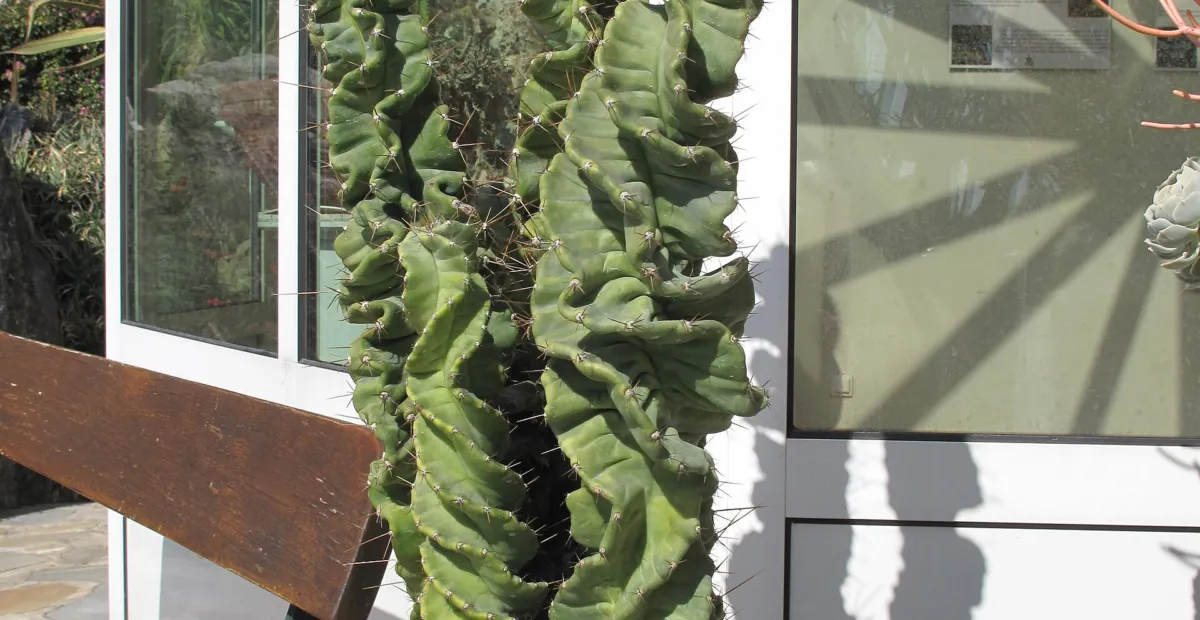
The plant has upright, succulent, ribbed stems with regularly spaced areoles bearing spines. Older specimens branch and can develop a small tree-like silhouette. Leaves are absent; the green stem performs photosynthesis. The combination of columnar segments, ribs, areoles, and branching habit distinguishes it from leafy shrubs and many low-growing globular cacti.
Flowering
This species produces true cactus flowers, but detailed, consistently cross-checked flowering data for plants cultivated in the United States are limited. Mature Cereus plants generally flower during warm active growth, with flowers opening for a restricted period and followed by fleshy fruits when pollination succeeds. Exact flowering timing should be treated as climate-dependent.
Pollination and visitors
Species-specific pollinator records were not sufficiently documented to assign a reliable visitor group or attraction rating. Like many columnar cacti, it depends on successful flower pollination for fruit and seed production, but the responsible animal agents should remain unspecified here.
Cereus forbesii photos
Click any photo for a larger view. Source, author and license are shown separately.
Diseases and pests
Diseases
The main preventable problem is root or stem rot caused by persistently wet soil, especially in cool conditions. Use a porous mix, a pot with drainage holes, and a dry winter rest. Soft, dark, or collapsing tissue should be isolated and cut back to clean, firm tissue with sterile tools; healthy cut surfaces must dry before replanting.
Pests
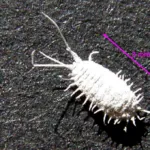
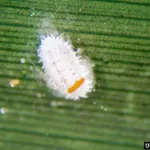
Watch for mealybugs, scale, and spider mites, especially on stressed container plants. Inspect areoles and stem crevices regularly. Remove light infestations with a cotton swab or a targeted horticultural treatment labeled for cacti, and correct weak light, poor ventilation, or excess nitrogen that may encourage recurring problems.
Related diseases and pests
Only Plant Doctor profiles whose host data indicate this plant may be affected are shown here.

Toxicity and pollen
No reliable species-specific evidence establishing significant human or pet poisoning was located. The practical hazards are mechanical injury from spines and irritation from sap or plant fragments. Keep away from children and animals that may chew plants, use gloves when handling, and do not consume any part without authoritative identification and safety evidence.
- Pollination / pollen
- Flower pollen; airborne relevance not established
Cereus forbesii is a flowering seed plant and therefore produces pollen, but reliable species-specific airborne pollen and allergy data were not located. Its flowers are not documented well enough here to classify exposure risk as low, medium, or high. People with severe pollen sensitivity should avoid direct contact with flowering plants and use normal garden hygiene.
Native habitat
The species is native from Bolivia to north-central Argentina, where it occurs in dry shrubland and desert environments. These habitats favor intense light, pronounced seasonal dryness, mineral soils, and rapid drainage. In cultivation, prolonged cool wetness is more dangerous than drought and is the main environmental condition to avoid.
Interesting fact
Kew recognizes Cereus forbesii as an accepted species rather than merely a horticultural form. Its natural range extends from Bolivia into north-central Argentina. The species is a succulent tree of desert or dry-shrubland habitats. Several historical names, including Cereus hankeanus, are treated as synonyms in modern taxonomic resources.
Frequently asked questions (FAQ)
The most relevant questions about this plant, with short and direct answers.
🌱Quick care
What is Cereus forbesii?⌄
Cereus forbesii is a tall, branching, columnar cactus in the Cactaceae family, native from Bolivia to north-central Argentina. It is recognized by its ribbed blue-green to gray-green stems and prominent spines.
How much light does Cereus forbesii need?⌄
Cereus forbesii needs full sun, ideally with several hours of direct light each day. Acclimate indoor or nursery-grown plants gradually to intense sunlight to reduce the risk of sunburn.
How often should I water Cereus forbesii?⌄
Water Cereus forbesii thoroughly during active growth, then allow the soil to dry completely before watering again. Reduce watering sharply in winter, especially when the plant is kept cool.
Is Cereus forbesii easy to grow?⌄
Cereus forbesii is generally easy to grow when given strong light, gritty soil, and careful watering. Excess moisture and poor drainage are the main causes of failure.
🌤️Environment and placement
Can Cereus forbesii grow indoors?⌄
Cereus forbesii can grow indoors beside a very bright, sunny window, but it may become weak or stretched if light is insufficient. A south- or west-facing window or a suitable grow light is usually the best option.
Can Cereus forbesii grow outside in the United States?⌄
Cereus forbesii can grow outdoors year-round only in warm, frost-free areas of the United States. In colder regions, grow it in a container and move it indoors or under protection before freezing weather.
What temperature can Cereus forbesii tolerate?⌄
Cereus forbesii should be protected from frost and prolonged cold, particularly when its soil is wet. Brief temperatures near the upper 30s°F may be tolerated by some established plants, but freezing conditions can cause serious damage.
What USDA hardiness zone is suitable for Cereus forbesii?⌄
Cereus forbesii is best suited to warm USDA zones with frost-free or nearly frost-free winters. Outside those areas, it is usually grown as a container plant that can be sheltered during cold weather.
Does Cereus forbesii need high humidity?⌄
Cereus forbesii does not need high humidity and generally prefers dry, well-ventilated conditions. Good airflow is more important than adding moisture to the surrounding air.
💧Care and problems
What soil is best for Cereus forbesii?⌄
Use a gritty, sharply drained cactus mix for Cereus forbesii, with a substantial proportion of pumice, perlite, lava rock, or coarse sand. The container must have a drainage hole, and water should never remain in a saucer.
Why is my Cereus forbesii turning soft or brown?⌄
Soft, brown, or collapsing tissue usually indicates rot caused by excess moisture, poor drainage, or cold wet conditions. Remove the plant from the soil, cut away healthy-looking tissue above the rot, and allow any viable cutting to callus before re-rooting.
Why is my Cereus forbesii leaning or growing thin?⌄
Leaning or thin, elongated growth usually means Cereus forbesii is not receiving enough direct light. Move it gradually to a brighter position and rotate the container periodically for more even growth.
What pests affect Cereus forbesii?⌄
Cereus forbesii may be affected by mealybugs and scale insects, especially indoors or in crowded collections. Inspect areoles and stem joints regularly and treat infestations promptly with an appropriate cactus-safe method.
Should I fertilize Cereus forbesii?⌄
Fertilize Cereus forbesii sparingly during spring and summer with a diluted cactus fertilizer or low-nitrogen formula. Do not fertilize a stressed, recently repotted, dormant, or cold-kept plant.
🪴Planting and repotting
When should I repot Cereus forbesii?⌄
Repot Cereus forbesii in spring or when its roots have filled the container or the plant has become unstable. Choose a pot only slightly larger than the previous one and use completely dry, fast-draining soil.
How do I plant Cereus forbesii in a container?⌄
Plant Cereus forbesii in a heavy container with a drainage hole using gritty cactus soil, keeping the stem base at its original depth. Wait several days before watering so disturbed roots can dry and heal.
How large does Cereus forbesii get?⌄
Cereus forbesii can become a large, branching columnar cactus, reaching several feet in cultivation and potentially much taller in favorable ground conditions. Container growth is usually more limited by root space, climate, and light.
✂️Propagation and pruning
How do you propagate Cereus forbesii from cuttings?⌄
Propagate Cereus forbesii from a healthy stem cutting by making a clean cut, allowing the base to callus fully, and placing it in dry, sharply drained cactus mix. Begin light watering only after roots have started to form.
Can Cereus forbesii be grown from seed?⌄
Cereus forbesii can be grown from seed sown on the surface of a well-drained cactus medium. Keep the seedbed lightly and consistently moist in warm conditions, then provide increasing light as seedlings develop.
Does Cereus forbesii produce offsets?⌄
Cereus forbesii can branch and form new stems that may be separated for propagation when they have developed enough tissue to root independently. Allow separated pieces to callus before planting.
Does Cereus forbesii need pruning?⌄
Cereus forbesii usually does not need routine pruning. Remove only damaged, diseased, dead, or dangerously overgrown stems, using sterilized tools and thick protective gloves.
⚠️Toxicity and safety
Is Cereus forbesii poisonous to people or pets?⌄
Species-specific toxicity information for Cereus forbesii is limited, so it should not be considered proven safe to eat. Its spines are a definite physical hazard, and children and pets should be kept away from the plant.
How should I handle Cereus forbesii safely?⌄
Handle Cereus forbesii with thick gloves, long sleeves, and suitable tools because its spines can puncture skin. Use tongs, folded cardboard, or a cactus-moving tool when repotting larger specimens.
🌸Flowering and special interest
Does Cereus forbesii flower?⌄
Cereus forbesii can produce large, cup- or funnel-shaped flowers that generally open at night. Flowering is more likely in mature, strongly lit plants receiving excellent drainage and a cooler, drier winter rest.
When does Cereus forbesii bloom?⌄
Cereus forbesii is reported to bloom in late summer or early fall, although timing varies with climate and growing conditions. Plants grown indoors may flower irregularly or may not bloom until they reach maturity.
Why is my Cereus forbesii not flowering?⌄
A young age, insufficient sunlight, excessive winter watering, or the absence of a cool dry rest can prevent Cereus forbesii from flowering. Keep mature plants very bright, well drained, and almost dry during the cooler season.
Are Cereus forbesii flowers fragrant?⌄
Cereus forbesii flowers may be noticeable at night, but reliable species-specific information about fragrance is limited. Flower color and intensity can also vary among plants and cultivated forms.
Similar plants
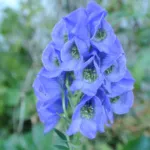 Azure Monkshood (Aconitum carmichaelii) care guideAconitum carmichaelii
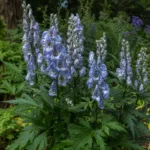 Monkshood (Aconitum ‘Stainless Steel’)Aconitum 'Stainless Steel'
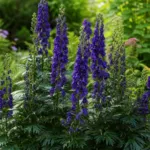 Monkshood (Aconitum ‘Bressingham Spire’)Aconitum 'Bressingham Spire'
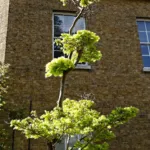 Golden full moon maple (Acer shirasawanum ‘Aureum’)Acer shirasawanum 'Aureum'
 Globosum (Acer platanoides ‘Globosum’)Acer platanoides 'Globosum'
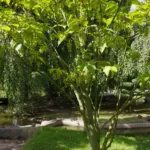 Striped maple (Acer pensylvanicum) care guideAcer pensylvanicum