
 Source:
 Lace Aloe (Aristaloe aristata) short overview
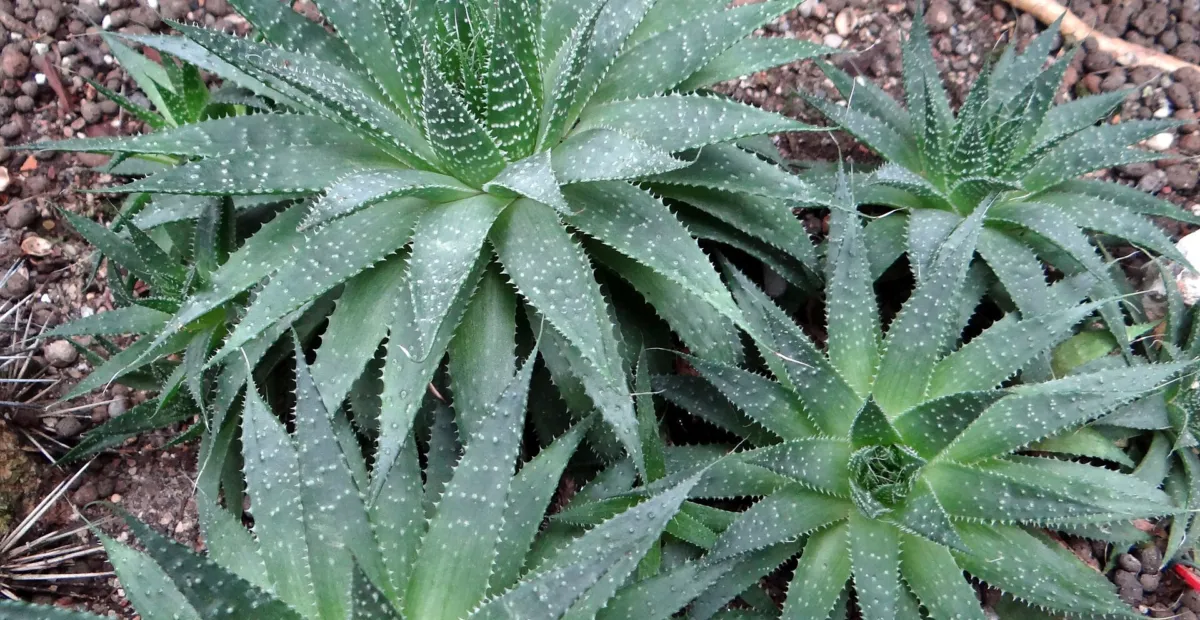
Lace Aloe is a compact, evergreen succulent from southern Africa, forming neat rosettes of pointed green leaves marked with white spots and edged by soft, bristle-like teeth. Mature clumps can produce tall spikes of coral-orange to reddish tubular flowers in summer. It is well suited to bright indoor culture, containers, rock gardens, and mild-winter landscapes, provided the soil drains rapidly and watering is restrained.
Taxonomic classification
Lace Aloe (Aristaloe aristata) care guide
Light and placement
Give Lace Aloe several hours of direct sun, ideally near a south- or west-facing window indoors, or in morning sun with light afternoon shade in very hot climates. Rotate containers periodically for even growth. Insufficient light produces elongated, weaker rosettes and fewer flowers; harsh sudden sun can scorch leaves, especially after indoor growing. Acclimate plants gradually before moving them outdoors.
Watering and humidity
Water thoroughly only after the growing medium has dried well, then let excess drain completely. In warm, bright conditions, check every couple of weeks rather than following a fixed calendar. Reduce frequency during cool, dark winter conditions, when the plant uses less water. Keep water out of the rosette center when ventilation is poor, and never leave the pot standing in a saucer of water.
Soil and growing medium
Use a porous succulent substrate containing mineral grit, pumice, perlite, or coarse sand, with enough organic material to hold the roots together but not enough to stay wet. A commercial cactus mix often benefits from added grit. The plant tolerates a broad pH range, but poor drainage and prolonged saturation are more damaging than modest pH variation.
Feeding
Feed during active spring and summer growth with a balanced liquid fertilizer diluted to about one-quarter to one-half the label strength, no more than monthly. Do not fertilize newly divided offsets, stressed plants, or completely dry soil. Avoid rich, frequent feeding, which can encourage soft growth and reduce the compact form valued in this species.
Growth and habit
The plant remains stemless or nearly stemless and gradually forms a clump of offsets around the parent rosette. Its flowering stalk rises well above the foliage, so a mature container may need a stable, heavy base. Allowing offsets to remain attached creates a fuller specimen; separating them keeps individual rosettes more defined.
Planting and repotting
Choose a raised, gritty site or a container with a drainage hole. Set the crown level with the surrounding soil and keep leaves from resting on wet soil. Water lightly after planting only if the medium is dry, then allow roots to establish between thorough waterings. In cold-winter regions, grow it in a movable container or sheltered rock garden.
Repot when roots fill the container, the mix breaks down, or drainage declines. Move up only one pot size and use a container with a drainage hole. Handle the root ball gently, keep the crown above the mix, and wait several days before watering if roots were disturbed.
Propagation and pruning
Propagation
The easiest method is separating offsets in spring or early summer. Remove a young rosette with roots if possible, let damaged surfaces dry briefly, then pot it in dry, gritty succulent mix. Seed can be sown fresh when ripe, but seedlings develop more slowly and require careful moisture control.
Pruning
Routine pruning is unnecessary. Remove spent flower stalks at the base once they have dried, using clean tools. Strip away dead or damaged leaves carefully without cutting into healthy tissue or the central growing point.
Overwintering
Keep plants bright, cool, and nearly dry in winter. In USDA Zones 7–8, use a rain-protected site and a thick mineral mulch only if the crown remains dry; container plants are safer under cover or indoors before freezing weather. Avoid placing a recently moved plant immediately against a hot, dry heater.
Uses
Used primarily as an ornamental succulent for containers, sunny windows, rock gardens, xeric beds, and mild-winter landscapes. Its patterned rosettes provide year-round foliage interest, while the tall flower spikes add seasonal height. It is not a documented substitute for medicinal Aloe species, and ingestion should be avoided.
Appearance
Leaves are short, lance-shaped, green, and covered with pale spots. Fine white bristles or soft teeth along the margins create the lace-like effect behind the common name. The symmetrical rosettes are more compact and ornamentally patterned than many larger aloes, while the tall branched inflorescence provides strong vertical contrast.
Flowering
Flowers are tubular and coral-orange to reddish, borne in conspicuous upright panicles that may be simple or branched. The flower stalk is substantially taller than the rosette. U.S. garden references commonly describe summer bloom, although flowering can vary with light, maturity, winter conditions, and whether the plant is grown indoors or outdoors.
Pollination and visitors
The exact, reliably documented pollinator community for Aristaloe aristata is unclear in the sources reviewed. Aloe relatives commonly receive insect visits, but visitor records from other aloe species should not be assigned to this species without direct evidence. Treat its flowers as potentially useful to local insects, not as a confirmed specialist pollinator resource.
Aristaloe aristata photos
Click any photo for a larger view. Source, author and license are shown separately.
Diseases and pests
Diseases
Root and crown rot are the main risks and usually follow overwatering, poor drainage, or cold wet conditions. Use a porous medium, a draining container, and adequate airflow. Remove collapsed tissue and repot healthy offsets into fresh dry mix; discard badly rotted material rather than repeatedly watering it.
Pests
Inspect leaf bases and the rosette center for mealybugs and scale, especially on indoor plants. Isolate affected specimens, remove small infestations with a cotton swab, and use a labeled houseplant treatment when necessary. Avoid chronic overwatering, which weakens roots and complicates pest recovery.
Related diseases and pests
Only Plant Doctor profiles whose host data indicate this plant may be affected are shown here.
 Environmental stressOverwatering
 PestCotton mealybugPhenacoccus solenopsis Tinsley
 DiseasePhytophthora cactorum crown, collar, root and fruit rotPhytophthora cactorum
 PestCottony Cushion ScaleIcerya purchasi
 DiseasePhytophthora root and crown rotPhytophthora nicotianae
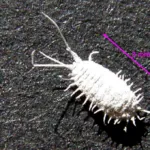 PestObscure mealybugPseudococcus viburni
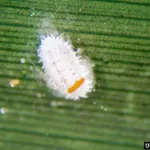 PestCitrus mealybugPlanococcus citri
Toxicity and pollen
Species-specific toxicity data are limited. Horticultural guidance for Aristaloe aristata warns that ingestion may cause severe discomfort, so do not eat the leaves or sap. Wear gloves if the sap irritates your skin, wash hands after handling, and seek medical or veterinary advice after significant ingestion.
- Typical season
- Usually summer in outdoor U.S. cultivation
- Pollination / pollen
- Pollen is produced within the flowers but airborne-allergy behavior has not been specifically characterized.
This is a flowering succulent, so its flowers produce pollen, but reliable measurements of airborne pollen, allergenicity, or documented reactions specific to Aristaloe aristata were not found. Its conspicuous tubular flowers are generally associated with animal visitation, which may limit airborne dispersal, but that does not establish zero allergy risk.
Native habitat
The species is native to southern Africa, including South Africa and Lesotho, where it occurs across varied subtropical and montane environments. Its succulent leaves and preference for rapid drainage reflect adaptation to periodic dryness, while reported cold tolerance is associated with populations from cooler elevations. In cultivation it performs best in mineral, well-aerated soil rather than heavy wet ground.
Interesting fact
Aristaloe aristata is the sole species in the genus Aristaloe. It was formerly treated as Aloe aristata, but later taxonomic work placed it in its own genus. The common name refers to the white marginal bristles that give the leaves a lacy appearance. Its flower spike can be much taller than the compact leafy rosette.
Frequently asked questions (FAQ)
The most relevant questions about this plant, with short and direct answers.
🌱Quick care
What is Aristaloe aristata commonly called?⌄
Aristaloe aristata is commonly called Lace Aloe in the United States. It was formerly classified as Aloe aristata, so older plant labels may use that name.
Is Lace Aloe easy to care for?⌄
Yes, Lace Aloe is a low-maintenance succulent when grown in bright light, gritty soil, and a container with drainage. The main risk is overwatering.
How often should I water Lace Aloe?⌄
Water Lace Aloe thoroughly only after the potting mix has dried completely. The interval may range from about two weeks during active growth to much longer in cool, dim winter conditions.
Does Lace Aloe need a drainage hole?⌄
Yes, Lace Aloe should be planted in a pot with a drainage hole. A hole helps excess water escape and substantially reduces the risk of root rot.
What kind of soil does Lace Aloe need?⌄
Use a gritty, sharply draining cactus or succulent mix for Lace Aloe. Avoid dense garden soil or mixes that stay wet for long periods.
🌤️Environment and placement
How much light does Lace Aloe need indoors?⌄
Give Lace Aloe very bright indoor light, ideally near a south- or west-facing window with some protection from intense afternoon sun. Acclimate it gradually before placing it in stronger direct sunlight.
Can Lace Aloe grow in full sun?⌄
Lace Aloe can grow in full sun, especially when gradually acclimated. In hot climates, light afternoon shade can help prevent sun stress and leaf scorching.
Can Lace Aloe grow in partial shade?⌄
Yes, Lace Aloe tolerates partial shade, but it needs bright conditions to maintain a compact rosette. Too little light may cause stretched growth and flatter, more widely spaced leaves.
Can Lace Aloe grow outdoors in the United States?⌄
Lace Aloe can grow outdoors year-round in some mild U.S. climates, but it is best grown in a container where winters are colder or wetter. Protect it from prolonged freezing and winter-wet soil.
What USDA hardiness zones are suitable for Lace Aloe?⌄
Lace Aloe is often listed for approximately USDA Zones 7 through 10 or 11, depending on local conditions and winter moisture. Even in a suitable zone, protect it from hard freezes and prolonged wet weather.
What temperature can Lace Aloe tolerate?⌄
Lace Aloe is relatively cold tolerant for a succulent and may withstand brief temperatures near 25°F when kept dry. Hard freezes, wet conditions, or extended cold can still cause serious damage.
Should I bring Lace Aloe indoors for winter?⌄
Bring Lace Aloe indoors before hard freezes if you live in a cold climate. Keep it in a bright location and water less often while growth slows.
💧Care and problems
Why is my Lace Aloe turning brown or reddish?⌄
Brown or reddish leaves can result from intense sun, cold damage, dehydration, or root problems. Check recent temperature and light changes, then inspect the roots and soil before increasing water.
Why are my Lace Aloe leaves soft and mushy?⌄
Soft, mushy leaves usually indicate overwatering or rot rather than normal thirst. Remove the plant from wet soil, cut away rotten roots, and repot healthy tissue in dry, well-draining mix.
Why is my Lace Aloe stretching or opening up?⌄
A Lace Aloe that becomes loose or stretched is usually not receiving enough light. Move it gradually to a brighter location to avoid sudden sunburn.
Why are the leaves of my Lace Aloe curling inward?⌄
Leaves that curl inward can indicate drought stress, intense heat, or strong light. Water only if the soil is fully dry, and provide temporary protection from extreme afternoon heat.
Can I water Lace Aloe from the top?⌄
You can water Lace Aloe from the top, but keep water out of the central rosette and allow the mix to drain fully. Wetting the crown repeatedly can encourage rot.
Does Lace Aloe need fertilizer?⌄
Lace Aloe needs little fertilizer, but a diluted succulent fertilizer can be applied occasionally during active growth. Do not fertilize dry, stressed, or dormant plants.
What pests commonly affect Lace Aloe?⌄
Mealybugs and scale insects are the main pests reported on Lace Aloe, particularly indoors. Inspect leaf bases and treat infestations promptly with an appropriate houseplant pest treatment.
Can Lace Aloe tolerate drought?⌄
Yes, Lace Aloe tolerates drought because its leaves store water. It still benefits from a deep watering after the soil dries completely, followed by a dry period.
🪴Planting and repotting
When should I repot Lace Aloe?⌄
Repot Lace Aloe when it has outgrown its container, the mix has broken down, or drainage has declined. Spring or early summer is generally the least stressful time.
What type of pot is best for Lace Aloe?⌄
A shallow pot made from terracotta or another porous material works well for Lace Aloe if it has a drainage hole. Choose a pot only slightly larger than the root system.
How do I plant Lace Aloe in a garden bed?⌄
Plant Lace Aloe in a raised or naturally fast-draining spot with gritty soil and bright light. Avoid low areas where rainwater collects around the crown.
How deep should I plant Lace Aloe?⌄
Plant Lace Aloe at the same depth it was previously growing, keeping the crown and leaf bases above the soil surface. Burying the rosette can trap moisture and promote rot.
✂️Propagation and pruning
How do I propagate Lace Aloe from offsets?⌄
Separate rooted offsets from the parent plant using a clean knife or by gently pulling them apart. Let damaged surfaces dry briefly, then plant the offsets in dry cactus or succulent mix.
Can Lace Aloe be propagated from leaves?⌄
Leaf propagation is not the most reliable method for Lace Aloe. Offsets or division are preferred because detached leaves may fail to produce new roots and growth.
When is the best time to propagate Lace Aloe?⌄
Propagate Lace Aloe in spring or early summer when it is actively growing. Warm conditions help offsets establish more quickly.
Does Lace Aloe need pruning?⌄
Lace Aloe generally needs no routine pruning. Remove only dead or damaged leaves and cut off a spent flower stalk once it has dried.
⚠️Toxicity and safety
Is Lace Aloe poisonous to cats and dogs?⌄
Lace Aloe should be treated as potentially harmful if eaten by pets or people. Keep it out of reach and contact a veterinarian or poison-control service if ingestion occurs.
Can Lace Aloe be used like Aloe vera?⌄
No, Lace Aloe should not be used as a substitute for Aloe vera in food, drinks, or home remedies. It is an ornamental species and ingestion may cause discomfort.
What should I do if someone eats Lace Aloe?⌄
Remove any remaining plant material from the mouth and contact a medical professional or poison-control service for guidance. Seek urgent help if severe symptoms develop.
🌸Flowering and special interest
Does Lace Aloe flower indoors?⌄
Lace Aloe can flower indoors, but it is more likely to bloom when mature and given strong light, seasonal growth conditions, and a cooler, drier winter rest. Indoor flowering is not guaranteed.
When does Lace Aloe bloom?⌄
Lace Aloe typically blooms in summer when growing conditions are favorable. Mature rosettes produce upright stalks carrying tubular coral-orange to reddish flowers.
How can I encourage Lace Aloe to bloom?⌄
Provide strong light, excellent drainage, restrained watering, and a cooler, drier winter period. Avoid excessive fertilizer or constantly warm, dim conditions, which can reduce flowering.
Should I cut off the flower stalk on Lace Aloe?⌄
Remove the flower stalk after blooming has finished and it begins to dry. Cutting it near the base with clean shears improves appearance without harming the rosette.
Similar plants
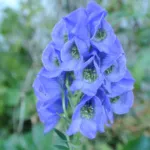 Azure Monkshood (Aconitum carmichaelii) care guideAconitum carmichaelii
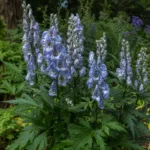 Monkshood (Aconitum ‘Stainless Steel’)Aconitum 'Stainless Steel'
 Monkshood (Aconitum ‘Bressingham Spire’)Aconitum 'Bressingham Spire'
 Golden full moon maple (Acer shirasawanum ‘Aureum’)Acer shirasawanum 'Aureum'
 Globosum (Acer platanoides ‘Globosum’)Acer platanoides 'Globosum'
 Striped maple (Acer pensylvanicum) care guideAcer pensylvanicum