
 Source:
 Sander’s Alocasia (Alocasia sanderiana) short overview
Sander's Alocasia (Alocasia sanderiana) is a distinctive Philippine elephant ear grown mainly as a warm indoor foliage plant in the United States. Its compact clump produces dark green, arrowhead-shaped leaves with deeply wavy margins and striking pale veins. Keep it in bright filtered light, loose moisture-retentive soil, steady warmth, and moderate to high humidity. Avoid cold drafts, harsh direct sun, and chewing by pets or children because its tissues contain irritating calcium oxalate crystals.
Taxonomic classification
Sander’s Alocasia (Alocasia sanderiana) care guide
Light and placement
Provide bright filtered light, such as an east window or a west or south window softened by a sheer curtain. A few hours of gentle morning sun can be tolerated, but harsh midday rays may scorch or bleach the leaves. Too little light causes slow growth, smaller leaves, and stretched petioles; excessive light causes fading, crisp patches, or curling.
Watering and humidity
Water thoroughly when the top 1 inch of mix begins to dry, then allow excess water to drain completely. Keep the root zone evenly moist during warm active growth, but never leave the pot standing in water. Reduce frequency in winter or low light. Humidity helps prevent leaf-edge browning, especially near heating or cooling vents.
Soil and growing medium
Use a loose, airy mix that holds some moisture but drains quickly, such as quality potting mix amended with fine orchid bark and perlite. A humus-rich, slightly acidic substrate is appropriate. Avoid dense, waterlogged soil, which can suffocate roots and promote corm or root rot.
Feeding
Feed only during active growth, typically spring through early fall, with a complete balanced houseplant fertilizer diluted to half the label rate every 3–4 weeks. Water the plant first if the mix is dry. Pause or greatly reduce feeding during slow winter growth and after repotting until roots re-establish.
Growth and habit
This evergreen, corm-forming perennial grows as an upright clump of individually held leaves. It responds to warmth and active growth conditions but may slow substantially in cool, dim interiors. Remove aging leaves at the base and rotate containers periodically to maintain balanced growth.
Planting and repotting
In the United States, plant outdoors only after nights remain consistently above 60°F, and use a shaded container or protected tropical border. Set the corm or rooted division at its previous depth; do not bury the crown. Allow room for a compact clump and keep the developing plant evenly moist while it establishes.
Repot in spring or early summer when roots fill the container or the mix breaks down. Move up only one pot size, keep the corm at its original depth, and use a container with generous drainage holes. Water lightly after repotting, then resume the normal rhythm once fresh growth shows.
Propagation and pruning
Propagation
Propagate during active growth by separating offsets or dividing a mature clump, ensuring each piece has viable roots or a growing point. Keep divisions warm in a lightly moist, airy medium until rooted. Corm propagation is used horticulturally, but success and identity of resulting plants can vary.
Pruning
Pruning is limited to removing yellowing, damaged, or diseased leaves. Cut the petiole cleanly near its base with sterilized scissors; do not routinely cut healthy leaves to shape the plant. Wear gloves because sap may irritate skin and eyes.
Overwintering
Bring outdoor plants indoors before temperatures fall below 50°F, inspect carefully for pests, and acclimate them to lower light. Keep the plant warm, away from drafts, and reduce watering as growth slows. Do not allow the mix to become bone dry for long periods, but avoid keeping it constantly saturated in winter.
Uses
Used primarily as an ornamental foliage plant in indoor containers, conservatories, warm greenhouses, and shaded summer displays. It is not a food crop and should not be used medicinally. Because the plant is toxic if chewed, place it where pets and children cannot reach it.
Appearance
The plant has long, sturdy petioles arising from a short cormous base. Leaves are dark green, arrowhead to heart shaped, and marked by conspicuous pale veins. The margins are deeply wavy to almost pinnatifid, a particularly useful identification feature. Mature leaves are held upright rather than forming a flat rosette.
Flowering
As an aroid, it produces a hooded spathe surrounding a fleshy spadix of minute flowers, but flowering is uncommon in ordinary indoor culture. The foliage is the principal ornamental feature. Reliable United States flowering months for this exact species are not established.
Pollination and visitors
No reliable species-specific pollinator or visitor record was located. Alocasia inflorescences generally offer access to small insects, but attraction and pollination for this exact species should be treated as undocumented.
Alocasia sanderiana photos
Click any photo for a larger view. Source, author and license are shown separately.
Diseases and pests
Diseases
The main risks are root or corm rot from saturated, poorly aerated media and leaf-spot problems under persistently wet foliage. Use clean tools, remove damaged leaves, improve air movement, and let excess water drain fully. Isolate symptomatic plants and avoid overhead watering; discard severely rotted tissue.
Pests
Spider mites, thrips, mealybugs, scale, and fungus gnats may occur indoors. Inspect leaf undersides and petiole bases regularly, quarantine new plants, remove pests with water or a cotton swab, and use insecticidal soap or another labeled treatment as needed. Avoid chronically dry air, which favors spider mites.
Related diseases and pests
Only Plant Doctor profiles whose host data indicate this plant may be affected are shown here.
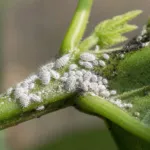 PestCotton mealybugPhenacoccus solenopsis Tinsley
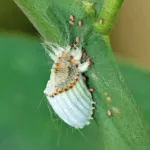 PestCottony Cushion ScaleIcerya purchasi
 DiseaseAlternaria leaf spot and fruit rotAlternaria alternata
 Environmental stressUnderwatering
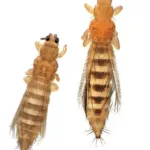 PestOnion thripsThrips tabaci Lindeman
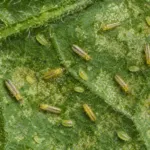 PestMelon thripsThrips palmi Karny
 PestChilli thripsScirtothrips dorsalis Hood
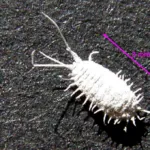 PestObscure mealybugPseudococcus viburni
Toxicity and pollen
Like other Alocasia plants, this species contains insoluble calcium oxalate crystals. Chewing or swallowing plant tissue can cause immediate burning and swelling of the mouth and throat, drooling, vomiting, and difficulty swallowing; sap may irritate skin and eyes. Keep it away from children and pets, wear gloves when handling damaged tissue, and seek poison-control or medical advice after ingestion.
- Pollination / pollen
- Pollen from enclosed aroid inflorescences; airborne relevance undocumented
This is a flowering aroid, but reliable data on airborne pollen production and allergy importance for Alocasia sanderiana specifically are lacking. Its inflorescences are uncommon indoors, so routine household pollen exposure is likely limited, but it should not be described as pollen-free.
Native habitat
Native to Mindanao, Philippines, where it is associated with wet tropical forest environments, including damp ravines and forest settings at relatively low to moderate elevations. It favors warm, humid conditions and soils that remain moist while still permitting air around the roots.
Interesting fact
The species is endemic to Mindanao in the Philippines. Its deeply undulate leaf margins and pale veins help distinguish it from many cultivated Alocasia hybrids. The epithet sanderiana honors horticulturist Henry Frederick Conrad Sander. It is often confused in commerce with hybrid elephant ears sold under similar names.
Frequently asked questions (FAQ)
The most relevant questions about this plant, with short and direct answers.
🌱Quick care
How do you care for Sander's Alocasia indoors?⌄
Give Sander's Alocasia bright filtered light, evenly moist but well-drained soil, warm temperatures, and moderate to high humidity. Protect it from drafts, direct afternoon sun, and temperatures below 50°F.
Is Sander's Alocasia a good houseplant?⌄
Yes, Sander's Alocasia can be an excellent houseplant when it receives warmth, filtered light, steady moisture, and good humidity. It is less forgiving of cold, drought, and waterlogged soil than many common houseplants.
🌤️Environment and placement
How much light does Sander's Alocasia need?⌄
Sander's Alocasia grows best in bright filtered light or partial shade. Avoid intense direct midday or afternoon sun, which can scorch its leaves, while very low light may reduce growth and cause fading.
Can Sander's Alocasia grow in low light?⌄
It can tolerate partial shade, but Sander's Alocasia usually performs poorly in genuinely low light. Move it closer to a bright window or add a grow light while keeping the foliage out of harsh direct sun.
Which window is best for Sander's Alocasia?⌄
An east- or bright north-facing window is often suitable, while a south- or west-facing window usually needs a sheer curtain. Keep the plant several feet from strong glass-filtered afternoon sun if its leaves begin to bleach or scorch.
How much humidity does Sander's Alocasia need?⌄
Sander's Alocasia prefers moderate to high humidity, especially in dry indoor air. A humidifier or a naturally humid room is more reliable than misting, but maintain good airflow to reduce fungal problems.
What temperature is best for Sander's Alocasia?⌄
Keep Sander's Alocasia warm, ideally in a stable indoor range around 65–85°F. Protect it from cold windows, air-conditioning vents, and temperatures below 50°F because it is frost tender.
Can Sander's Alocasia grow outdoors in the United States?⌄
It can grow outdoors in warm, frost-free areas with bright filtered light and protection from strong sun. In most of the United States, bring it indoors before temperatures approach 50°F.
💧Care and problems
How often should you water Sander's Alocasia?⌄
Water when the upper layer of the potting mix begins to dry, then water thoroughly and let excess drain away. Keep the mix evenly moist but never continuously saturated, because soggy roots can rot.
Why are Sander's Alocasia leaves turning yellow?⌄
Yellow leaves commonly result from overwatering, poor drainage, underwatering, cold stress, or normal aging of an older leaf. Check the roots and soil moisture before changing several care conditions at once.
Why is my Sander's Alocasia drooping?⌄
Drooping usually indicates dry soil, root damage, cold exposure, or sudden environmental stress. Check the moisture and roots first, then move the plant to a warm location with bright filtered light.
Why does Sander's Alocasia have brown leaf tips?⌄
Brown tips are often caused by dry air, inconsistent watering, excess fertilizer salts, or root stress. Keep moisture steadier, improve humidity gradually, and flush accumulated salts if the pot drains freely.
Why are Sander's Alocasia leaves curling?⌄
Curling leaves commonly indicate drought stress, low humidity, heat, or root problems. Inspect the potting mix and roots, and keep the plant warm and evenly hydrated without leaving it waterlogged.
Why is my Sander's Alocasia losing leaves after I brought it home?⌄
Leaf loss after purchase or relocation is often acclimation or transplant stress, especially when light, humidity, temperature, or watering changes suddenly. Keep conditions stable and avoid repeated repotting while it adjusts.
Why does Sander's Alocasia have brown or black spots?⌄
Brown or black spots may follow cold injury, sun scorch, wet foliage, root stress, or a leaf-spot disease. Remove badly damaged leaves, improve airflow, keep water off the foliage, and correct the underlying care issue.
How do you fertilize Sander's Alocasia?⌄
Feed actively growing Sander's Alocasia with a balanced liquid houseplant fertilizer diluted according to the label. Fertilize less often during slow winter growth, and avoid feeding a dehydrated or recently repotted plant.
Does Sander's Alocasia go dormant?⌄
Sander's Alocasia may slow dramatically or lose leaves during cool, dark, or stressful periods, but indoor plants do not always enter a predictable dormancy. Keep the corm warm and only lightly moist rather than treating leaf loss as automatic death.
How do you treat root rot in Sander's Alocasia?⌄
Remove the plant from its pot, cut away mushy or brown roots, and repot the healthy portion in a fresh, airy mix with drainage holes. Resume careful watering only after ensuring the new container does not stay saturated.
What pests attack Sander's Alocasia?⌄
Spider mites, thrips, mealybugs, scale, and fungus gnats can affect Sander's Alocasia. Inspect leaf undersides and soil regularly, isolate affected plants, and use a treatment labeled for the pest and indoor ornamentals.
🪴Planting and repotting
What soil is best for Sander's Alocasia?⌄
Use a loose, humus-rich, well-drained mix that retains some moisture while allowing air around the roots. A quality tropical potting mix amended with materials such as perlite and orchid bark is generally suitable.
What type of pot does Sander's Alocasia need?⌄
Choose a pot with drainage holes that is only slightly larger than the root ball. Oversized containers hold excess moisture and increase the risk of root rot.
When should you repot Sander's Alocasia?⌄
Repot when roots circle the pot, emerge from drainage holes, or the mix has broken down and drains poorly. Spring or early summer is usually the least stressful time, but root rot should be addressed immediately.
Should you repot Sander's Alocasia after buying it?⌄
Usually wait briefly after purchase unless the plant has rotting roots, severely compacted soil, or poor drainage. Allowing it to acclimate before repotting can reduce combined transport and transplant stress.
Can Sander's Alocasia grow in water or LECA?⌄
Sander's Alocasia can be grown in semi-hydroponic media such as LECA, but it should be transitioned gradually and monitored for root stress. Do not move it abruptly between soil and water without cleaning the roots and adapting the watering method.
✂️Propagation and pruning
How do you propagate Sander's Alocasia?⌄
Propagate Sander's Alocasia mainly by separating rooted offsets or by growing corms. Division is safest when each section has healthy roots and a viable growing point.
Can you propagate Sander's Alocasia from a leaf cutting?⌄
No, a leaf or leaf petiole alone normally cannot produce a new Sander's Alocasia plant. Successful propagation requires a corm, rhizome section, offset, and growing point rather than foliage alone.
How do you grow Sander's Alocasia corms?⌄
Remove mature corms carefully, place them in a lightly moist, airy medium, and provide warmth, humidity, and bright filtered light. Keep the medium damp but not soggy until roots and a shoot develop.
When is the best time to divide Sander's Alocasia?⌄
Divide Sander's Alocasia during active growth, typically in spring or summer, when offsets and roots are easier to identify. Minimize root disturbance and keep newly divided sections warm and evenly moist.
How do you prune Sander's Alocasia?⌄
Remove yellow, brown, or badly damaged leaves by cutting the entire leaf stalk near the base with clean shears. Do not remove healthy leaves just for shaping, because each one supports the plant's energy production.
⚠️Toxicity and safety
Is Sander's Alocasia toxic to cats and dogs?⌄
Yes, Sander's Alocasia is moderately toxic if chewed or swallowed and can irritate the mouth and digestive tract. Keep it away from pets and children, and contact a veterinarian or poison-control service if ingestion occurs.
Is Sander's Alocasia poisonous to humans?⌄
Yes, chewing or swallowing Sander's Alocasia can cause painful irritation and swelling in the mouth and throat. Wear gloves when handling damaged tissue if you have sensitive skin, and seek medical advice after ingestion.
🌸Flowering and special interest
Does Sander's Alocasia flower indoors?⌄
Sander's Alocasia can produce the small, hooded flowers typical of aroids, but it is grown primarily for its foliage and may flower infrequently indoors. Mature, well-established plants in warm, bright conditions are more likely to bloom.
Should you cut off a Sander's Alocasia flower?⌄
You may remove the flower if the plant is small, stressed, or you prefer to direct energy toward foliage. Otherwise, it can remain until it fades, after which the flower stalk may be cut near the base with clean shears.
Similar plants
 Azure Monkshood (Aconitum carmichaelii) care guideAconitum carmichaelii
 Monkshood (Aconitum ‘Stainless Steel’)Aconitum 'Stainless Steel'
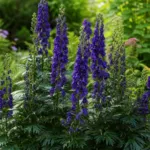 Monkshood (Aconitum ‘Bressingham Spire’)Aconitum 'Bressingham Spire'
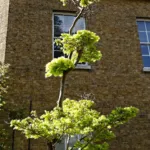 Golden full moon maple (Acer shirasawanum ‘Aureum’)Acer shirasawanum 'Aureum'
 Globosum (Acer platanoides ‘Globosum’)Acer platanoides 'Globosum'
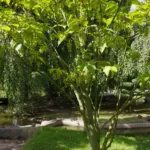 Striped maple (Acer pensylvanicum) care guideAcer pensylvanicum