
 Source:
 Alocasia ‘Plumbea Nigra’ short overview
Alocasia 'Plumbea Nigra' is a dramatic elephant ear grown for its metallic, deep green to nearly black foliage and dark burgundy-toned stems. This tropical perennial performs best as a container or houseplant in most of the United States, where it needs warmth, bright filtered light, steady moisture, good humidity, and a loose, well-drained growing medium. Protect it from frost, cold drafts, harsh midday sun, and saturated soil.
Taxonomic classification
Alocasia ‘Plumbea Nigra’ care guide
Light and placement
Provide bright filtered or indirect light. An east window, a lightly shaded west window, or a position several feet from a bright south window is suitable. Gentle morning sun can be tolerated after acclimation, but harsh midday rays may scorch dark leaves. Too little light causes slower growth, smaller leaves, and stretched petioles; excessive light can bleach or crisp the foliage.
Watering and humidity
Water thoroughly when the top 1–2 inches of mix feels slightly dry, then let excess drain completely. Keep the root zone evenly moist during warm active growth, but never leave the pot standing in water. Water less often in cool, dim winter conditions. Humidity helps reduce leaf-edge browning, but airflow is more important than misting.
Soil and growing medium
Use a loose, airy aroid mix that retains some moisture without becoming stagnant: quality potting mix or coco coir combined with orchid bark, perlite, or pumice works well. Slightly acidic to neutral conditions are suitable. The container must drain freely, because compacted or waterlogged media can quickly damage the rhizome and roots.
Feeding
Feed during active growth every 2–4 weeks with a balanced liquid houseplant fertilizer diluted to half the label strength. Water the plant first if the medium is dry to reduce root stress. Reduce or stop feeding during cool, dim winter conditions or whenever the plant is dormant, recently repotted, or suffering from root problems.
Growth and habit
This is a warm-growing, evergreen aroid that develops from a thick underground rhizome and forms an upright clump of long-stalked leaves. Growth slows sharply in cool or dim conditions, and foliage may decline after stress. Stable warmth, adequate light, and a consistent watering routine help maintain compact, vigorous growth.
Planting and repotting
In the United States, plant outdoors only after nights remain consistently warm and frost danger has passed. Set the rhizome or container-grown plant at the same depth it was previously growing; do not bury the crown. Allow enough space for the broad leaves and establish it with regular moisture while avoiding standing water.
Repot in spring or early summer when roots have filled the container or the mix has broken down. Move up only one pot size, keep the rhizome at the same depth, and avoid disturbing healthy roots unnecessarily. After repotting, provide warmth and bright filtered light while the plant re-establishes.
Propagation and pruning
Propagation
Propagate by separating offsets or dividing an established rhizomatous clump during warm, active growth. Each division should retain viable roots and a growing point. Allow cut surfaces to dry briefly, then pot into a free-draining medium and keep warm and lightly, evenly moist until new growth resumes.
Pruning
Remove yellowing, damaged, or heavily infested leaves at the base with clean, sharp tools. Do not cut healthy leaves solely to shape the plant, and avoid injuring the central crown or emerging growth points. Dispose of cut material safely because the sap can irritate skin and the plant is toxic if chewed.
Overwintering
Bring outdoor plants indoors before temperatures fall below about 50°F, ideally before cold nights or frost. Check carefully for pests, provide bright filtered light, and reduce watering in winter without allowing the rhizome to remain bone-dry for long periods. Protect the plant from heaters, cold windows, and drafts.
Uses
Primarily an ornamental foliage plant for indoor containers, patios, shaded courtyards, and frost-free tropical landscapes. It is not appropriate for edible use as a named cultivar, and the species’ traditional food uses require extensive preparation that does not make this ornamental plant safe to consume.
Appearance
The plant is recognized by large, upright, arrow- to heart-shaped leaves carried on stout succulent petioles. Mature foliage can develop a metallic deep green, charcoal, or nearly black appearance, with darker undersides and burgundy-brown to dark petioles. Juvenile plants may be greener, and color intensity varies with maturity and growing conditions.
Flowering
As a member of Araceae, it produces a typical aroid inflorescence consisting of a spathe surrounding a spadix. Flowers are usually inconspicuous compared with the foliage, and flowering is irregular in cultivation. Reliable cultivar-specific flowering months are not documented; warm, mature plants may flower during active growth.
Pollination and visitors
No reliable cultivar-specific pollinator record was located. The species produces a typical aroid inflorescence, but available sources do not establish a characteristic visitor group for this exact cultivated form.
Alocasia 'Plumbea Nigra' photos
Click any photo for a larger view. Source, author and license are shown separately.
Diseases and pests
Diseases
Prevent problems by providing air movement, avoiding chronically wet soil, and keeping foliage dry overnight. Watch for bacterial or fungal leaf spotting, especially after overwatering or prolonged leaf wetness; remove badly affected leaves with sterile tools and correct the growing conditions. Root or rhizome rot is associated with poor drainage and should be addressed promptly.
Pests
Spider mites, thrips, mealybugs, scale, and fungus gnats may occur, especially indoors in dry air or with persistently wet media. Inspect leaf undersides and petiole bases regularly, isolate affected plants, remove pests physically where practical, and use insecticidal soap or another labeled treatment according to its instructions. Avoid repeated drought stress, which encourages mite outbreaks.
Related diseases and pests
Only Plant Doctor profiles whose host data indicate this plant may be affected are shown here.
 Environmental stressOverwatering
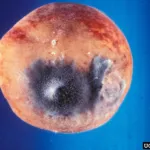 DiseaseRhizopus soft rotRhizopus stolonifer
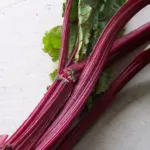 DiseaseBacterial soft rotPectobacterium carotovorum
 DiseaseRhizoctonia DiseasesRhizoctonia solani Kühn
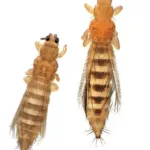 PestOnion thripsThrips tabaci Lindeman
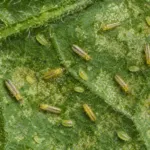 PestMelon thripsThrips palmi Karny
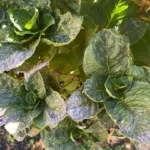 PestChilli thripsScirtothrips dorsalis Hood
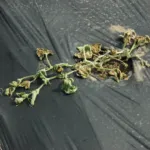 DiseaseBacterial WiltRalstonia solanacearum species complex
Toxicity and pollen
Alocasia contains insoluble calcium oxalate crystals that can cause immediate irritation and swelling of the mouth, tongue, and throat if chewed or swallowed. Sap may also irritate skin and eyes. Keep the plant away from children and pets, wear gloves when cutting damaged tissue, and seek professional medical or veterinary advice after significant exposure.
- Pollination / pollen
- Pollen produced only when flowering; airborne relevance not documented
Alocasia 'Plumbea Nigra' is an angiosperm and may produce pollen when it flowers, but reliable data on airborne pollen release and allergenicity for this cultivar were not located. Because flowering is uncommon and inconspicuous indoors, exposure is likely limited, but it should not be assumed to be allergy-free.
Native habitat
The species backbone is native across tropical Indo-Malesia to Queensland and is associated with wet tropical habitats, forest margins, and human-disturbed sites. It favors warm conditions, abundant moisture, organic soils, and protection from freezing temperatures. The cultivar itself is horticultural and has no separate confirmed native range.
Interesting fact
The name Plumbea refers to a leaden or metallic coloration associated with the foliage. The dark cultivated form is often sold under several overlapping names, including Nigra and Metallica. The species backbone, Alocasia macrorrhizos, can become a very large aroid in tropical climates. Like other aroids, its inflorescence is a spathe-and-spadix structure rather than a single conventional flower.
Frequently asked questions (FAQ)
The most relevant questions about this plant, with short and direct answers.
🌱Quick care
How do you care for Alocasia 'Plumbea Nigra'?⌄
Grow Alocasia 'Plumbea Nigra' in bright filtered light, an airy well-drained aroid mix, and evenly moist soil. Keep it warm and humid, and protect it from temperatures below 50°F.
Is Alocasia 'Plumbea Nigra' an indoor or outdoor plant?⌄
Alocasia 'Plumbea Nigra' can grow indoors or outdoors in warm, frost-free conditions. In most of the United States, grow it as a houseplant or patio container plant and bring it inside before temperatures fall below 50°F.
How much light does Alocasia 'Plumbea Nigra' need?⌄
Provide bright filtered or indirect light for Alocasia 'Plumbea Nigra'. Gentle morning sun may be tolerated, but strong midday or afternoon sun can scorch its dark leaves.
🌤️Environment and placement
Can Alocasia 'Plumbea Nigra' tolerate low light?⌄
Alocasia 'Plumbea Nigra' may survive in moderate light, but low light often produces slower growth and weaker, less upright foliage. Move it closer to a bright window while filtering intense direct sun.
Where should I place Alocasia 'Plumbea Nigra' indoors?⌄
Place it near an east- or bright north-facing window, or several feet from a brighter south- or west-facing window behind a sheer curtain. Keep it away from heating, cooling, and drafty exterior doors.
What temperature is best for Alocasia 'Plumbea Nigra'?⌄
Keep Alocasia 'Plumbea Nigra' preferably between 65°F and 85°F. Protect it below 50°F, because cold conditions can cause leaf damage, dormancy, or root problems.
How much humidity does Alocasia 'Plumbea Nigra' need?⌄
Alocasia 'Plumbea Nigra' grows best with moderate to high humidity, ideally around 50% or higher. A humidifier is more reliable than misting, especially during dry winter conditions indoors.
💧Care and problems
How often should I water Alocasia 'Plumbea Nigra'?⌄
Water Alocasia 'Plumbea Nigra' when the upper 1–2 inches of mix has begun to dry, then water thoroughly and let excess drain. Do not keep the pot sitting in water.
Why are the leaves of my Alocasia 'Plumbea Nigra' turning yellow?⌄
Yellow leaves commonly result from overwatering, poor drainage, low light, or normal aging of an older leaf. Check the roots and soil moisture before watering again, and remove only leaves that are mostly yellow or damaged.
Why is my Alocasia 'Plumbea Nigra' drooping?⌄
Drooping may indicate dry soil, cold temperatures, low humidity, root damage, or sudden environmental change. Check the moisture level and roots, then stabilize warmth, light, and humidity rather than watering automatically.
Why does Alocasia 'Plumbea Nigra' have brown leaf edges?⌄
Brown edges are often caused by dry air, inconsistent watering, salt buildup, or excessive direct sun. Maintain steadier moisture, improve humidity, flush accumulated fertilizer salts, and filter harsh light.
Why are there brown spots on my Alocasia 'Plumbea Nigra' leaves?⌄
Brown spots can result from sun scorch, cold injury, wet foliage, pests, or a leaf-spot disease. Isolate a plant with spreading spots, keep leaves dry, improve air circulation, and inspect both sides of the leaves.
What pests attack Alocasia 'Plumbea Nigra'?⌄
Spider mites, thrips, scale, mealybugs, and aphids may attack Alocasia 'Plumbea Nigra'. Inspect leaf undersides and new growth regularly, then isolate the plant and treat confirmed pests with an appropriate labeled houseplant product.
Should I fertilize Alocasia 'Plumbea Nigra'?⌄
Feed Alocasia 'Plumbea Nigra' during active growth with a balanced liquid fertilizer diluted according to the product label. Fertilize less often or stop when growth slows in cooler, darker months.
🪴Planting and repotting
What soil is best for Alocasia 'Plumbea Nigra'?⌄
Use a loose, chunky, well-drained aroid mix containing ingredients such as potting mix or coco coir, orchid bark, and perlite. A slightly acidic to neutral mix and a pot with drainage holes help prevent waterlogged roots.
When should I repot Alocasia 'Plumbea Nigra'?⌄
Repot Alocasia 'Plumbea Nigra' in spring or when roots have substantially filled the container. Choose a pot only slightly larger than the current one to avoid leaving excess wet soil around the roots.
Can Alocasia 'Plumbea Nigra' grow in a container outdoors?⌄
Yes, Alocasia 'Plumbea Nigra' grows well in an outdoor container with rich, well-drained mix and filtered light or shade. Move the container indoors before temperatures approach 50°F or frost is forecast.
Can Alocasia 'Plumbea Nigra' be planted in the ground?⌄
It can be planted in the ground in warm, frost-free areas with filtered light, shelter, and consistently moist but well-drained soil. In colder parts of the United States, containers are more practical because the plant must be protected from winter cold.
✂️Propagation and pruning
How do you propagate Alocasia 'Plumbea Nigra'?⌄
Propagate Alocasia 'Plumbea Nigra' by separating offsets, rhizome sections, or viable corms rather than by leaf cuttings. Each division should have a growth point and, preferably, some roots before it is potted into a moist, airy mix.
Can Alocasia 'Plumbea Nigra' grow from corms?⌄
Yes, Alocasia 'Plumbea Nigra' can be grown from corms if the corm is mature and has a viable growth point. Start it warm in a lightly moist, well-aerated medium and provide bright filtered light.
Should I prune Alocasia 'Plumbea Nigra'?⌄
Prune Alocasia 'Plumbea Nigra' mainly to remove fully yellow, brown, or damaged leaves. Cut the leaf stem near its base with clean tools, but avoid removing healthy leaves because the plant needs them to support new growth.
⚠️Toxicity and safety
Is Alocasia 'Plumbea Nigra' toxic to cats and dogs?⌄
Yes, Alocasia 'Plumbea Nigra' is toxic if chewed or ingested because its tissues contain irritating calcium oxalate crystals. Keep it away from pets and children, and contact a veterinarian or poison-control resource promptly if ingestion occurs.
Is Alocasia 'Plumbea Nigra' poisonous to humans?⌄
Alocasia 'Plumbea Nigra' can cause painful irritation and swelling of the mouth, tongue, and throat if chewed or swallowed. Wear gloves when handling damaged plant material and seek medical advice after suspected ingestion.
🌸Flowering and special interest
Does Alocasia 'Plumbea Nigra' flower indoors?⌄
Alocasia 'Plumbea Nigra' can produce small, inconspicuous aroid flowers, but flowering is not its primary ornamental feature. Mature, actively growing plants in warm, bright, humid conditions are more likely to bloom.
What do Alocasia 'Plumbea Nigra' flowers look like?⌄
The flowers are typical aroid inflorescences consisting of a spathe surrounding a spadix, and they are generally greenish or pale rather than showy. The plant is grown primarily for its dark metallic foliage.
Why is my Alocasia 'Plumbea Nigra' losing leaves in winter?⌄
Alocasia 'Plumbea Nigra' may slow down or enter dormancy when winter light, warmth, or humidity decreases. Reduce watering as growth stops, keep the rhizome or corm from staying wet, and resume more frequent care when active growth returns.
Similar plants
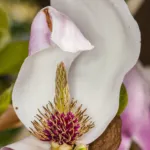 Saucer Magnolia (Magnolia soulangeana) care guideMagnolia soulangeana
 Magnolia × loebneri ‘Merrill’Magnolia × loebneri 'Merrill'
 Magnolia loebneri care guideMagnolia loebneri
 Sweetbay magnolia (Magnolia virginiana) care guideMagnolia virginiana
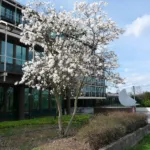 Star magnolia (Magnolia stellata) care guideMagnolia stellata
 Magnolia sprengeri care guideMagnolia sprengeri