
 AI-generated illustration
Alocasia ‘Odora Variegata’ short overview
Alocasia 'Odora Variegata' is a dramatic elephant ear prized for broad, upright leaves patterned with irregular cream-white sectors and flecks. It grows best in bright filtered light, warm temperatures, evenly moist yet airy soil, and moderate to high humidity. In most of the United States it is grown in a container or indoors, with outdoor placement limited to frost-free conditions. Handle carefully because all parts contain irritating calcium oxalates.
Taxonomic classification
Alocasia ‘Odora Variegata’ care guide
Light and placement
Give bright filtered light, such as an east window, a lightly curtained west window, or a position several feet from a bright south window. Outdoors, morning sun with afternoon shade is safer than harsh midday exposure, especially for pale variegated tissue. Too much direct sun causes bleaching and scorch; too little light causes smaller leaves, stretching, slower growth, and weaker variegation.
Watering and humidity
Water thoroughly when the upper 1–2 inches of mix begins to dry, then let excess drain completely. Keep the root zone consistently lightly moist during active growth, but never leave the pot standing in water. Reduce frequency in cool or dim winter conditions. Humidity helps prevent crispy margins, but good airflow is equally important.
Soil and growing medium
Use a loose, moisture-retentive but oxygen-rich mix such as potting soil amended with orchid bark and perlite. The root zone should drain freely while remaining lightly moist. A slightly acidic reaction is suitable; compact, waterlogged or strongly alkaline media increase the risk of root stress and nutrient problems.
Feeding
Feed during active growth with a complete balanced houseplant fertilizer diluted to about one-quarter to one-half strength every 2–4 weeks. Water the plant first if the mix is dry. Reduce or stop feeding during cool, dim winter conditions or dormancy, when unused nutrients can accumulate in the potting mix.
Growth and habit
A warm-season, clumping aroid that produces successive leaves from a short underground corm or rhizomatous base. Variegated sections may grow more slowly than fully green tissue, and low light can encourage weak, stretched growth or reduced pattern expression. Keep the crown ventilated and avoid repeatedly disturbing the root system.
Planting and repotting
Plant outdoors only after nights remain consistently warm and all frost danger has passed. Set the root ball at its original depth and allow enough room for the clumping crown to expand. Water thoroughly after planting and keep the soil evenly moist while the plant establishes.
Repot in spring or early summer when roots fill the container, moving up only one pot size. Handle the corm and roots gently, keep the crown at the same depth, and water lightly until new growth resumes. Choose a heavy container if the tall foliage makes the plant top-heavy.
Propagation and pruning
Propagation
Propagate by separating offsets or dividing an established clump during active growth. Keep each division attached to viable roots or a healthy corm section. Seed is not a dependable way to preserve the variegated pattern, and leaf cuttings do not produce new plants.
Pruning
Remove yellowing, damaged, or fully senescent leaves at the base with clean tools. Do not cut healthy green tissue simply to reshape the plant, and avoid removing excessive foliage at once. Wear gloves because sap may irritate skin and eyes.
Overwintering
Move outdoor plants indoors before temperatures fall below about 50°F, and before any frost. Check carefully for pests, provide the brightest filtered light available, and reduce watering as growth slows. Plants may partially or fully rest in cool, dim conditions; keep the corm barely moist rather than wet.
Uses
Primarily used as an indoor foliage specimen, warm-season patio container plant, or sheltered tropical-border accent in frost-free climates. Its large variegated leaves provide architectural contrast. It is not recommended as a food plant for home use because raw Alocasia tissues are toxic and cultivar identity may be uncertain.
Appearance
The plant forms an upright clump of stout petioles bearing large, broad, heart-shaped to arrow-shaped leaves. Green blades are marked by irregular cream to white sectors, splashes, or marbling, with each leaf showing a different pattern. The pale areas are more prone to sun scorch, while the strong vertical petioles give the plant a distinctly architectural silhouette.
Flowering
Mature plants can produce arum-type inflorescences consisting of a spathe and spadix. Flowering is uncommon on plants grown indoors and is more likely when plants are warm, well established, and actively growing. The species is protogynous, so female and male flowers mature at different times within the same inflorescence.
Pollination and visitors
The species is documented as being pollinated by specialized drosophilid flies, especially Colocasiomyia alocasiae and C. xenalocasiae. These flies are attracted to the scented, thermogenic inflorescences and use the floral chamber for mating and breeding. Evidence is for Alocasia odora; direct observations on this named variegated clone are limited.
Diseases and pests
Diseases
Prevent disease by avoiding stagnant, saturated soil and allowing air movement around the foliage. Root and corm rots are associated with overwatering or poorly drained media. Remove badly affected tissue, isolate declining plants, improve drainage, and avoid overhead watering when leaves remain wet for long periods.
Pests
Watch for spider mites, thrips, mealybugs, scale, and fungus gnats. Inspect leaf undersides and petiole bases regularly, isolate infested plants, and use water washing or labeled insecticidal soap or horticultural oil where appropriate. Avoid treating drought-stressed plants and follow product directions.
Related diseases and pests
Only Plant Doctor profiles whose host data indicate this plant may be affected are shown here.
 Environmental stressOverwatering
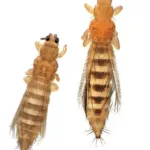 PestOnion thripsThrips tabaci Lindeman
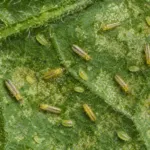 PestMelon thripsThrips palmi Karny
 PestChilli thripsScirtothrips dorsalis Hood
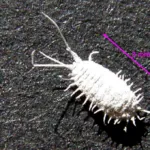 PestObscure mealybugPseudococcus viburni
 DiseasePear Decline‘Candidatus Phytoplasma pyri’
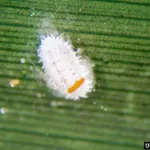 PestCitrus mealybugPlanococcus citri
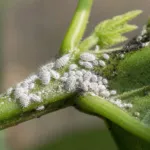 PestCotton mealybugPhenacoccus solenopsis Tinsley
Toxicity and pollen
Alocasia tissues contain insoluble calcium oxalate crystals that can cause intense burning, pain, swelling, drooling, vomiting, difficulty swallowing, and dermatitis after chewing or contact with sap. Keep the plant away from children and pets, wear gloves when dividing or pruning, and seek urgent medical or veterinary advice if mouth or breathing symptoms occur.
- Typical season
- Usually late fall through summer where flowering occurs; indoor exposure is typically negligible
- Pollination / pollen
- Heavy insect-transferred pollen; not typically wind-dispersed
This is an insect-pollinated flowering plant, and its pollen is generally not regarded as a major airborne seasonal allergen. However, exact allergy risk for the cultivar has not been specifically studied, and flowering plants should not be assumed to be allergen-free. The main household risk is irritating sap and tissue, not airborne pollen.
Native habitat
The species occurs in wet tropical and subtropical habitats of East and Southeast Asia, including forest margins, streamside areas, and humid disturbed ground. It favors warmth, plentiful rainfall, organic soils, and protection from prolonged direct sun. In the United States, these conditions are usually approximated in containers, greenhouses, or frost-free southern landscapes.
Interesting fact
The species backbone is native from eastern India through southern China and Japan to Borneo. Its inflorescences can generate heat, a trait called thermogenesis. Specialized Colocasiomyia flies use the inflorescence as a breeding and feeding site. Variegated tissue contains less chlorophyll, so strong but filtered light helps maintain vigor without scorching pale areas.
Frequently asked questions (FAQ)
The most relevant questions about this plant, with short and direct answers.
🌱Quick care
What is Alocasia 'Odora Variegata'?⌄
Alocasia 'Odora Variegata' is a variegated form of Alocasia odora, grown for its large green leaves marked with cream, white, or pale-yellow patches. It belongs to the Elephant Ears group and is typically grown as a container or houseplant in the United States.
How much light does Alocasia 'Odora Variegata' need?⌄
Give it bright filtered light to partial shade. Protect the pale variegated portions from intense direct afternoon sun, which can cause scorching, while avoiding very dim conditions that may produce smaller, greener leaves.
How often should I water Alocasia 'Odora Variegata'?⌄
Water when the upper portion of the potting mix has begun to dry, then soak thoroughly until excess drains out. Keep the mix evenly moist during active growth, but never leave the roots standing in water.
What soil is best for Alocasia 'Odora Variegata'?⌄
Use a loose, fertile, slightly acidic, moisture-retentive but well-drained mix. An aroid-style blend containing quality potting mix, perlite, and orchid bark provides both moisture and root aeration.
Is Alocasia 'Odora Variegata' easy to grow indoors?⌄
It can grow well indoors when given bright filtered light, warmth, consistent moisture, and moderate to high humidity. The main risks are cold exposure, low humidity, poor drainage, and overwatering.
🌤️Environment and placement
Where should I place Alocasia 'Odora Variegata' indoors?⌄
Place it near a bright east- or north-facing window, or several feet from a brighter south- or west-facing window with a sheer curtain. Keep it away from heating vents, air-conditioning drafts, and cold glass.
Can Alocasia 'Odora Variegata' grow outside in the United States?⌄
It can grow outdoors in warm, frost-free areas with filtered light and consistently moist, well-drained soil. In most of the United States, grow it in a container and move it indoors before temperatures become cold.
What USDA hardiness zones suit Alocasia 'Odora Variegata'?⌄
It is best treated as a frost-tender tropical plant rather than a reliably hardy perennial. In cooler USDA zones, keep it in a container or bring the rhizome indoors before freezing weather.
What temperature is best for Alocasia 'Odora Variegata'?⌄
Keep it warm, ideally around 65–82°F during active growth. Protect it from frost and prolonged temperatures below about 50°F, which can trigger stress, dormancy, or rot when the soil stays wet.
Does Alocasia 'Odora Variegata' need high humidity?⌄
It grows best with moderate to high humidity, commonly around 50–70% or higher. Stable humidity, good air circulation, and proper watering help reduce crispy edges, curling, and pest problems.
💧Care and problems
Why are the leaves of my Alocasia 'Odora Variegata' turning yellow?⌄
Yellow leaves are most often associated with overwatering, poor drainage, cold stress, or normal aging of older foliage. Check the roots and potting mix before watering again, especially during winter when growth slows.
Why is my Alocasia 'Odora Variegata' drooping?⌄
Drooping usually indicates dry soil, cold stress, root damage, or a recent environmental change. Test the mix and inspect the roots if the soil is wet, because watering a plant with rot can worsen the problem.
Why is my Alocasia 'Odora Variegata' losing its variegation?⌄
New leaves may emerge greener when light is insufficient, although variegation can also vary naturally from leaf to leaf. Move the plant gradually into brighter filtered light and avoid harsh direct sun.
Why is my Alocasia 'Odora Variegata' producing mostly white leaves?⌄
A nearly white leaf has less chlorophyll and may be weaker, slower-growing, and more prone to sunburn. Maintain bright filtered light and avoid overfertilizing; whether future leaves become greener is not fully predictable.
How should I fertilize Alocasia 'Odora Variegata'?⌄
Feed during active growth with a balanced liquid houseplant fertilizer diluted according to the label, often at half strength. Apply it to already-moist soil and reduce or stop feeding when growth slows in winter.
What pests attack Alocasia 'Odora Variegata'?⌄
Spider mites, thrips, aphids, mealybugs, and scale can affect it, especially when plants are stressed or air is very dry. Inspect leaf undersides and new growth regularly and isolate infested plants promptly.
Can Alocasia 'Odora Variegata' go dormant in winter?⌄
Yes, it may slow down or lose older leaves during cool, dim winter conditions. Reduce watering as growth declines, keep the rhizome warm and barely moist, and resume more active care when new growth returns.
🪴Planting and repotting
When should I repot Alocasia 'Odora Variegata'?⌄
Repot in spring or when roots fill the container, drainage becomes poor, or growth stalls without another clear cause. Move it into a pot only slightly larger than the current one to reduce excess wet soil.
What type of pot does Alocasia 'Odora Variegata' need?⌄
Use a container with unobstructed drainage holes and a stable base for its large foliage. Plastic, nursery, or breathable pots can work; the pot material matters less than drainage and careful watering.
Can I plant Alocasia 'Odora Variegata' directly in garden soil?⌄
Only use garden soil if it is loose, fertile, and drains quickly in a warm, frost-free site. Heavy or compacted soil can retain too much water, so containers with an airy potting mix are safer in many U.S. gardens.
✂️Propagation and pruning
How do I propagate Alocasia 'Odora Variegata'?⌄
The practical method is division of offsets or rhizome sections that have their own viable growth points and roots. Propagate during active growth and keep newly divided pieces warm, lightly moist, and out of harsh light.
Can I propagate Alocasia 'Odora Variegata' from a leaf cutting?⌄
No, a leaf or petiole cutting normally cannot produce a complete new Alocasia plant because it lacks a growth point. Use a rooted offset, corm, or rhizome division instead.
Will Alocasia 'Odora Variegata' grow from corms?⌄
Yes, viable corms can develop into new plants under warm, humid propagation conditions. Corm-grown plants may initially be slow and may not reproduce the parent’s exact variegation reliably.
Does Alocasia 'Odora Variegata' grow true from seed?⌄
Seed propagation is possible after flowering, but seedlings are genetically variable and are not guaranteed to retain the parent’s variegation. Division or carefully selected offsets are more predictable for preserving the cultivar’s appearance.
Can I prune Alocasia 'Odora Variegata'?⌄
Yes, remove fully yellow, brown, or damaged leaves by cutting the petiole near its base with clean tools. Do not remove healthy leaves unnecessarily, because the plant needs them to support new growth and maintain its rhizome.
⚠️Toxicity and safety
Is Alocasia 'Odora Variegata' toxic to cats and dogs?⌄
Yes, it is toxic if ingested because Alocasia tissues contain irritating calcium oxalate crystals. Keep the plant away from pets, and contact a veterinarian promptly if an animal chews or swallows any part.
Is Alocasia 'Odora Variegata' poisonous to people?⌄
Yes, ingestion can cause intense mouth and throat irritation, pain, drooling, vomiting, and difficulty swallowing. Keep it away from children and do not eat any part of the plant; seek medical or poison-control guidance after ingestion.
Should I wear gloves when handling Alocasia 'Odora Variegata'?⌄
Wearing gloves is sensible when cutting, repotting, or dividing the plant because its sap and tissues can irritate skin and eyes. Wash your hands afterward and keep plant debris away from children and pets.
🌸Flowering and special interest
Does Alocasia 'Odora Variegata' flower indoors?⌄
It can flower indoors when mature and growing strongly, although it is primarily grown for foliage and flowering is unpredictable. Warmth, adequate light, and a healthy established rhizome improve the chance of blooms.
Are Alocasia 'Odora Variegata' flowers fragrant?⌄
The species Alocasia odora is associated with fragrant flowers, often becoming more noticeable in warm conditions. A variegated plant may flower infrequently indoors, so fragrance and bloom timing should not be expected every year.
Similar plants
 Saucer Magnolia (Magnolia soulangeana) care guideMagnolia soulangeana
 Magnolia × loebneri ‘Merrill’Magnolia × loebneri 'Merrill'
 Magnolia loebneri care guideMagnolia loebneri
 Sweetbay magnolia (Magnolia virginiana) care guideMagnolia virginiana
 Star magnolia (Magnolia stellata) care guideMagnolia stellata
 Magnolia sprengeri care guideMagnolia sprengeri