
 AI-generated illustration
Alocasia ‘Odora California’ short overview
Alocasia 'Odora California' is a compact form of Alocasia odora prized for its upright, broad green leaves and vigorous production of offsets. In warm climates it can form a substantial clump, while colder U.S. gardens usually grow it as a summer accent or container plant. Give it bright filtered light, consistently moist but well-drained soil, warmth, and high humidity. Mature plants may produce fragrant inflorescences, especially under strong growing conditions.
Taxonomic classification
Alocasia ‘Odora California’ care guide
Light and placement
Provide bright filtered light or partial shade. Indoors, place near an east- or bright north-facing window, or several feet back from a strong south- or west-facing window behind a sheer curtain. Too much direct midday sun can bleach or scorch leaves; too little light produces stretched petioles, slower growth, and weaker foliage. Rotate containers periodically for balanced growth.
Watering and humidity
Water thoroughly when the upper inch of mix begins to dry, allowing excess water to drain completely. Keep the root zone evenly moist during warm active growth, but never leave the pot standing in water. Reduce watering in fall and winter, especially after dieback or when indoor temperatures are cool. High humidity helps prevent crispy margins and spider-mite pressure.
Soil and growing medium
Use a loose, moisture-retentive but well-drained mix rich in organic matter, such as quality potting soil amended with perlite, fine bark, or another aerating material. Avoid dense garden clay in containers. A slightly acidic to neutral root zone is suitable; the priority is reliable drainage without allowing the rhizome to dry repeatedly.
Feeding
Feed during active spring and summer growth with a balanced liquid fertilizer diluted to about half the label strength every 2–4 weeks, or use a controlled-release fertilizer according to its label. Water the plant first if the mix is dry. Reduce or stop feeding when growth slows, temperatures fall, or the plant enters dormancy.
Growth and habit
This is a vigorous, upright, clump-forming plant that expands mainly by producing basal offsets. In tropical climates it may maintain above-ground stems, while cooler climates can cause the foliage to die back seasonally and regrow from underground rhizomatous structures. Allow room for offsets and use a stable container for mature specimens.
Planting and repotting
Plant outdoors after the danger of frost has passed and soil has warmed, setting the rhizome at approximately its previous depth. Space plants about 24–36 inches apart when a full clump is desired. Establish with steady moisture and shelter from strong afternoon sun and drying wind.
Repot in spring when roots fill the container or the plant becomes unstable. Move up only one pot size and keep the rhizome at its previous depth. Use a heavy container for stability, because the large leaves can make lightweight pots tip. Resume normal watering gradually after disturbing the roots.
Propagation and pruning
Propagation
Divide offsets or rhizomatous clumps in spring or at the beginning of active growth. Separate rooted offsets with a sterile knife and pot them into a warm, lightly moist medium. Seed propagation is possible after pollination, but seed availability and true-to-type results are less predictable than vegetative propagation.
Pruning
Remove yellowing, damaged, or collapsed leaves at the base with clean pruners. Do not routinely cut healthy foliage, since the leaves supply energy to the rhizome and offsets. In cold climates, cut back dead foliage after frost or dormancy begins and remove debris to reduce pest and rot problems.
Overwintering
Bring containers indoors before temperatures approach 45°F, and before any frost. Keep the plant warm, bright, and away from heating vents; reduce watering when growth slows but do not let the rhizome become bone-dry. In warm Zones 9–11, protect outdoor plants from freezes with mulch and frost cloth, recognizing that foliage may still die back.
Uses
Use as a bold foliage accent in shaded borders, tropical-style plantings, patios, porches, and large containers. It is especially useful where an upright elephant-ear silhouette is wanted without the maximum size of larger Alocasia types. In cold regions, grow it in a container and bring it indoors before frost. Do not use it as a food plant because the raw tissue is toxic.
Appearance
The plant forms upright leafy stems carrying broad, rounded to oval green blades with gently scalloped or wavy margins. Leaves are held more upright than those of many Colocasia cultivars, and the petiole attaches in a semi-peltate position. Compared with large Alocasia types, this form is relatively compact, but offsets can create a substantial, full clump.
Flowering
This cultivar inherits the flowering structure of Alocasia odora: a hooded spathe surrounding a spadix with separate female, sterile, and male zones. Mature plants can produce inflorescences in cultivation, often in warm conditions. The flowers are not showy like ornamental petals, but the spadix may release a noticeable fragrance, particularly during the evening and night.
Pollination and visitors
Research on Alocasia odora documents a specialized relationship with two drosophilid flies, Colocasiomyia alocasiae and C. xenalocasiae. The flies enter the inflorescence, use it as a mating or breeding site, and transfer pollen as they move between the female and male zones. Whether a particular cultivated 'California' plant is visited depends on local fly populations.
Diseases and pests
Diseases
Prevent disease by using a clean, free-draining medium, avoiding chronically waterlogged soil, and removing collapsed leaves promptly. Rhizome or root rot is the main concern when cool conditions combine with excessive moisture. Improve drainage and reduce watering during dormancy; isolate plants with suspected rot before propagating.
Pests
Inspect undersides of leaves for spider mites, mealybugs, scale, and thrips, especially indoors in dry air. Rinse foliage periodically, improve humidity and air circulation, and isolate affected plants. Use insecticidal soap or horticultural oil according to the label, testing sensitive foliage first; avoid treating plants in harsh heat or direct sun.
Related diseases and pests
Only Plant Doctor profiles whose host data indicate this plant may be affected are shown here.
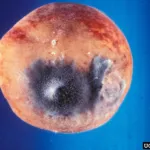 DiseaseRhizopus soft rotRhizopus stolonifer
 DiseaseRhizoctonia DiseasesRhizoctonia solani Kühn
 Environmental stressWaterlogging
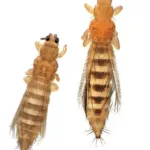 PestOnion thripsThrips tabaci Lindeman
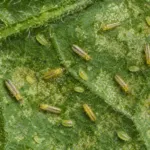 PestMelon thripsThrips palmi Karny
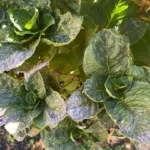 PestChilli thripsScirtothrips dorsalis Hood
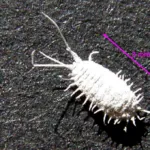 PestObscure mealybugPseudococcus viburni
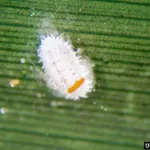 PestCitrus mealybugPlanococcus citri
Toxicity and pollen
Alocasia contains insoluble calcium oxalate crystals. Chewing or ingesting plant tissue can cause immediate burning and irritation of the mouth, drooling, vomiting, difficulty swallowing, and swelling; severe exposure may compromise breathing. Sap may also irritate skin and eyes. Keep away from children and pets, wear gloves when handling damaged tissue, and seek urgent medical or veterinary advice after significant exposure.
- Typical season
- During flowering, typically spring to summer in U.S. cultivation
- Pollination / pollen
- Insect-dispersed pollen; not typically windborne
The plant is insect-pollinated and does not appear to be a major source of airborne pollen in ordinary garden use, but a blooming plant can still release pollen locally. Allergy risk for this exact cultivar is not well studied. People with strong plant or pollen sensitivities should avoid handling inflorescences closely and should ventilate indoor spaces when it blooms.
Native habitat
The parent species is associated with warm, humid regions of East and Southeast Asia, where it grows in moisture-available soils and climates without persistent freezing. Cultivated 'California' plants favor a similar combination of warmth, filtered light, organic soil, and regular moisture. Its reported Myanmar origin applies to the horticultural form, but precise wild provenance of the cultivar is not documented.
Interesting fact
The cultivar is a compact form associated with Alocasia odora rather than a separate accepted species.
Its broad leaves attach semi-peltately, helping distinguish it from some larger elephant ears.
It can produce numerous offsets and become a broad clump over time.
The inflorescence is protogynous, with female flowers maturing before male flowers.
Its documented pollinators are specialized Colocasiomyia flies.
Frequently asked questions (FAQ)
The most relevant questions about this plant, with short and direct answers.
🌱Quick care
What is Alocasia 'Odora California'?⌄
Alocasia 'Odora California' is a relatively compact elephant-ear cultivar valued for upright, scalloped green leaves and its tendency to produce offsets. It may also appear in older plant listings as Alocasia 'California' or Alocasia gageana.
How much light does Alocasia 'Odora California' need indoors?⌄
Give Alocasia 'Odora California' bright, filtered light or partial shade indoors. Protect it from harsh afternoon sun, although gentle morning sun can be tolerated if introduced gradually.
How often should I water Alocasia 'Odora California'?⌄
Water Alocasia 'Odora California' when the surface of the potting mix begins to dry, keeping the root zone evenly moist but never waterlogged. Water less often during cool, dim winter conditions.
Is Alocasia 'Odora California' easy to grow?⌄
Alocasia 'Odora California' is relatively easy to grow when provided with warmth, bright filtered light, steady moisture, and good drainage. Growth commonly slows or stops when temperatures and light fall in winter.
🌤️Environment and placement
Can Alocasia 'Odora California' grow outdoors in the United States?⌄
Alocasia 'Odora California' can grow outdoors year-round in warm parts of USDA Zones 10–11, with protection from intense sun and freezing temperatures. In colder areas, grow it as a container plant or overwinter the rhizome indoors.
What USDA hardiness zone is Alocasia 'Odora California' suited to?⌄
Alocasia 'Odora California' is generally suited to USDA Zones 8–11, although performance and winter survival vary by site and protection. In Zones 8–9, it may die back in winter and return only after warm weather resumes.
Can Alocasia 'Odora California' tolerate full sun?⌄
Alocasia 'Odora California' performs best in partial shade or bright filtered light rather than sudden full sun. Strong afternoon sunlight can scorch the leaves, especially when the plant has been grown indoors.
What temperature is best for Alocasia 'Odora California'?⌄
Keep Alocasia 'Odora California' warm during active growth, ideally above 60°F indoors. Protect it from frost and freezing temperatures; prolonged exposure to cold can cause dormancy, leaf loss, or rhizome damage.
Does Alocasia 'Odora California' need high humidity?⌄
Alocasia 'Odora California' grows best in moderate to high humidity, particularly indoors during dry winter weather. Keep it away from heating vents and air-conditioning drafts, and improve humidity if leaf edges become crispy.
How large does Alocasia 'Odora California' get?⌄
Alocasia 'Odora California' is more compact than many large elephant ears but can reach roughly 3–4 feet tall in suitable conditions. Outdoor plants in long, warm growing seasons may become larger than typical houseplants.
💧Care and problems
Why are the leaves of my Alocasia 'Odora California' turning yellow?⌄
Yellow leaves on Alocasia 'Odora California' most often indicate overwatering, poor drainage, cold stress, or normal aging of older leaves. Check the roots and potting mix before watering again, especially during winter.
Why is my Alocasia 'Odora California' drooping?⌄
Alocasia 'Odora California' may droop because the soil is too dry, the roots are waterlogged, temperatures are cold, or the plant is adjusting to a new location. Check soil moisture and drainage rather than watering automatically.
Why does Alocasia 'Odora California' lose leaves in winter?⌄
Alocasia 'Odora California' can lose leaves or die back in winter when light, warmth, and growth slow. Reduce watering while it is dormant, keep the rhizome from staying wet, and resume more frequent care when new growth appears.
How do I prevent root rot in Alocasia 'Odora California'?⌄
Prevent root rot by using a loose, organic, moisture-retentive mix with excellent drainage and by emptying excess water from the saucer. Allow the upper portion of the mix to begin drying before watering again.
What pests commonly affect Alocasia 'Odora California'?⌄
Spider mites, thrips, mealybugs, and scale can affect Alocasia 'Odora California', especially when indoor air is dry or plants are stressed. Inspect leaf undersides regularly and isolate affected plants promptly.
Should I fertilize Alocasia 'Odora California'?⌄
Fertilize Alocasia 'Odora California' lightly during active growth with a balanced houseplant fertilizer. Avoid heavy feeding when the plant is dormant, cold, or recovering from root damage.
🪴Planting and repotting
What soil is best for Alocasia 'Odora California'?⌄
Use a loose, organic, moisture-retentive but well-drained mix for Alocasia 'Odora California', such as quality potting soil amended with bark and perlite. The mix should hold moisture without becoming dense or soggy.
What type of pot does Alocasia 'Odora California' need?⌄
Plant Alocasia 'Odora California' in a pot with drainage holes that is only slightly larger than its root system. Oversized containers retain excess moisture and increase the risk of root rot.
When should I repot Alocasia 'Odora California'?⌄
Repot Alocasia 'Odora California' in spring or early summer when active growth begins, preferably when roots have filled the existing container. Move it into a pot only one or two sizes larger.
Can Alocasia 'Odora California' be planted in the ground?⌄
Alocasia 'Odora California' can be planted in the ground in warm, frost-free regions where the soil drains well and remains evenly moist. In colder climates, grow it in a container or dig and overwinter the rhizome before freezing weather.
✂️Propagation and pruning
How do you propagate Alocasia 'Odora California'?⌄
Propagate Alocasia 'Odora California' by separating rooted offsets from the parent plant during active growth. Each division should have a healthy growing point and enough roots to establish independently.
Does Alocasia 'Odora California' produce offsets?⌄
Yes, Alocasia 'Odora California' readily produces offsets and can form a fuller clump over time. Leave offsets attached for a dense display or separate well-rooted ones for propagation.
Can Alocasia 'Odora California' be grown from a bulb?⌄
Alocasia 'Odora California' can be started from a dormant rhizome or corm-like offset, although establishment is slower than with a rooted division. Keep the planting medium lightly moist and provide warmth and bright filtered light.
Should I cut off damaged leaves on Alocasia 'Odora California'?⌄
Remove fully yellow, dead, or badly damaged leaves from Alocasia 'Odora California' with clean pruners. Leave partially green leaves in place because they can still contribute energy to the plant.
⚠️Toxicity and safety
Is Alocasia 'Odora California' toxic to pets?⌄
Yes, Alocasia 'Odora California' is toxic if eaten because it contains calcium oxalate crystals. Ingestion can cause painful irritation and swelling of the mouth, tongue, and throat, so keep it away from pets and children.
Can touching Alocasia 'Odora California' irritate skin?⌄
The sap of Alocasia 'Odora California' may irritate sensitive skin because of its calcium oxalate crystals. Wear gloves when cutting or dividing the plant and wash exposed skin afterward.
🌸Flowering and special interest
Does Alocasia 'Odora California' flower indoors?⌄
Alocasia 'Odora California' can flower indoors when mature and growing vigorously, although flowering is less predictable than leaf growth. Warmth, adequate light, moisture, and good nutrition encourage blooming.
Are Alocasia 'Odora California' flowers fragrant?⌄
Alocasia 'Odora California' may produce fragrant flowers, with the scent often more noticeable at night. Fragrance and flowering frequency can vary with plant maturity and growing conditions.
When does Alocasia 'Odora California' bloom?⌄
Alocasia 'Odora California' commonly blooms from spring into summer when grown under favorable conditions. Indoor plants may bloom at other times or not flower regularly.
Similar plants
 Azure Monkshood (Aconitum carmichaelii) care guideAconitum carmichaelii
 Monkshood (Aconitum ‘Stainless Steel’)Aconitum 'Stainless Steel'
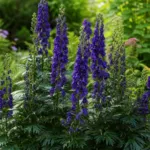 Monkshood (Aconitum ‘Bressingham Spire’)Aconitum 'Bressingham Spire'
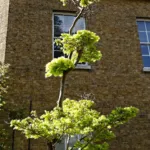 Golden full moon maple (Acer shirasawanum ‘Aureum’)Acer shirasawanum 'Aureum'
 Globosum (Acer platanoides ‘Globosum’)Acer platanoides 'Globosum'
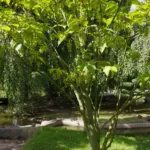 Striped maple (Acer pensylvanicum) care guideAcer pensylvanicum