
 AI-generated illustration
Alocasia ‘Maharani’ short overview
Alocasia 'Maharani' is a compact jewel Alocasia hybrid prized for thick, sculpted gray-green leaves, pronounced dark venation, and reddish-purple undersides that deepen with age. It grows best as a warm indoor container plant in bright filtered light, a loose organic aroid mix, and evenly considered watering with brief surface drying. Protect it from cold, soggy roots, harsh sun, and curious pets or children, since Alocasia tissues contain irritating calcium oxalate crystals.
Taxonomic classification
Alocasia ‘Maharani’ care guide
Light and placement
Provide bright filtered or indirect light for compact growth and stronger leaf coloration. An east window is usually suitable; near south or west windows, diffuse direct sun with a sheer curtain or place the plant several feet back. Harsh midday sun can scorch the thick leaves, while very low light produces slower growth, smaller leaves, and longer petioles.
Watering and humidity
Water thoroughly when the upper portion of the mix has begun to dry, then let excess drain completely. Do not keep the pot standing in water or allow the crown to remain wet. In winter or during a cool growth pause, water less often and check the substrate more deeply before repeating. Humid air helps, but airflow is essential and frequent leaf misting can encourage spotting or rot.
Soil and growing medium
Use a loose, chunky aroid substrate that combines organic material with bark, coco coir or peat substitute, and a generous mineral aeration component such as perlite or pumice. The mix should hold some moisture without becoming dense or waterlogged. A slightly acidic to neutral reaction is suitable; avoid compact garden soil in containers.
Feeding
Feed only while the plant is actively producing leaves, typically in spring and summer. Use a complete balanced liquid fertilizer at half the label strength every 3–4 weeks, applied to already-moist substrate. Pause feeding during cool, dim periods, after repotting, or when the plant is dormant or severely stressed.
Growth and habit
This is a slow-growing, compact rhizomatous hybrid that usually maintains a dense clump of upright leaves on short petioles. Growth may pause in cool or low-light conditions, and occasional leaf loss can occur after stress, repotting, or a seasonal slowdown. Stable warmth and root-zone aeration are more useful than frequent intervention.
Planting and repotting
In the United States, grow this tender hybrid indoors or outdoors only during reliably warm weather. Set the rhizome or rooted plant at its existing depth, keeping the crown just above or level with the substrate. Allow about 12–18 inches of surrounding space for a compact specimen and air circulation.
Repot in spring or early summer when roots fill the container or the mix breaks down. Move up only one pot size, disturb the root ball as little as practical, and keep the rhizome crown at the same level rather than burying it deeply. Resume cautious watering until fresh root growth is evident.
Propagation and pruning
Propagation
Propagate during active growth by separating naturally formed offsets or dividing the rhizome where each section has a viable growing point and roots. Small corms may also be grown in warm, evenly moist, airy media. Keep new divisions warm and humid but never saturated; corm production is slower than routine offset separation.
Pruning
Pruning is limited to removing yellowing, dead, or badly damaged leaves. Cut the petiole cleanly near its base with sterilized tools, taking care not to injure the central crown. Do not routinely cut healthy leaves, since a small plant benefits from retaining as much active foliage as possible.
Overwintering
Keep indoors before temperatures approach 60°F, with protection from cold windows, drafts, and air-conditioning. Maintain bright filtered light and reduce watering during slow growth. If leaves yellow or die back after a cold or dry spell, inspect the rhizome and keep it only lightly moist until active growth resumes.
Uses
Primarily an indoor ornamental foliage plant for containers, plant cabinets, bright bathrooms, and curated aroid collections. Its compact habit suits limited space. It is not recommended as a food plant, and no medicinal use should be assumed; all parts should be treated as unsafe to chew.
Appearance
Leaves are thick, stiff, and shield-shaped, with a pebbled or embossed surface and strongly raised, darker veins. The upper surface is usually muted gray-green rather than glossy. Short petioles keep the foliage visually dense, while mature leaves may show red to reddish-purple coloration beneath. These traits distinguish it from softer, larger-growing elephant ears.
Flowering
Mature Alocasia plants can produce an arum-type inflorescence consisting of a spathe surrounding a spadix, but flowering is infrequent in cultivated 'Maharani' and is not its main ornamental feature. Indoor bloom timing is irregular and depends on maturity, warmth, light, and overall vigor.
Pollination and visitors
No reliable cultivar-specific record establishes a regular animal pollinator or visitor for 'Maharani'. Alocasia inflorescences may be visited by small insects in the genus, but that evidence comes mainly from other Alocasia species and should not be transferred confidently to this hybrid.
Diseases and pests
Diseases
The main risks are root or rhizome rot from saturated media, bacterial soft rot, and fungal leaf spotting under persistently wet, stagnant conditions. Use clean tools, provide drainage and airflow, keep water out of the crown, and remove badly damaged tissue. Isolate plants showing rapidly spreading soft, foul-smelling decay.
Pests
Spider mites, thrips, mealybugs, and scale may attack stressed plants. Check leaf undersides and petiole bases regularly, especially in dry indoor air. Remove light infestations manually and use an appropriately labeled insecticidal soap or horticultural oil, repeating treatment as directed. Avoid treating heat-stressed or sun-exposed foliage.
Related diseases and pests
Only Plant Doctor profiles whose host data indicate this plant may be affected are shown here.
 DiseaseBacterial soft rotPectobacterium carotovorum
 DiseaseRhizopus soft rotRhizopus stolonifer
 DiseasePhytophthora root and crown rotPhytophthora nicotianae
 DiseaseRhizoctonia DiseasesRhizoctonia solani Kühn
 Environmental stressUnderwatering
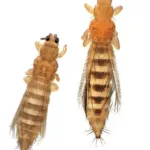 PestOnion thripsThrips tabaci Lindeman
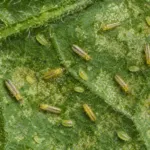 PestMelon thripsThrips palmi Karny
 PestChilli thripsScirtothrips dorsalis Hood
Toxicity and pollen
Alocasia tissues are associated with insoluble calcium oxalate crystals that can cause immediate mouth pain, burning, swelling, drooling, vomiting, or difficulty swallowing when chewed. Keep the plant away from pets and children, wear gloves when handling damaged tissue, and seek medical or veterinary advice after ingestion.
- Pollination / pollen
- Enclosed inflorescence pollen; limited airborne exposure expected
If the plant flowers, pollen is enclosed within an arum-type inflorescence rather than freely shed from exposed wind-pollinated structures. Cultivar-specific airborne allergy data are unavailable, so a low label reflects limited expected exposure, not proof of zero allergy risk.
Native habitat
The cultivar itself has no confirmed natural habitat because it is a cultivated hybrid. Its associated parent species come from humid tropical Southeast Asian environments, where warm temperatures, filtered light, organic debris, and rapidly draining yet moisture-available substrates are typical.
Interesting fact
The cultivar is commonly sold as a compact jewel Alocasia hybrid rather than as a naturally occurring wild species. Its thick leaves have a distinctly armored, embossed appearance. Mature leaf undersides may develop red to reddish-purple coloration. Small corms can form around the rhizome and provide an additional propagation route.
Frequently asked questions (FAQ)
The most relevant questions about this plant, with short and direct answers.
🌱Quick care
How do you care for Alocasia 'Maharani' indoors?⌄
Give Alocasia 'Maharani' bright filtered light, a chunky well-draining aroid mix, moderate watering, warmth, and elevated humidity. Let the upper 1–2 inches of the mix dry before watering again, while keeping the root zone from becoming completely dry for long periods.
Is Alocasia 'Maharani' easy to grow?⌄
Alocasia 'Maharani' is moderately challenging because it is sensitive to cold, overwatering, dry air, and sudden environmental changes. Consistent warmth, bright indirect light, and an airy substrate make it much more reliable indoors.
How fast does Alocasia 'Maharani' grow?⌄
Alocasia 'Maharani' is generally a slow-to-moderate grower, producing leaves one at a time rather than forming a dense, bushy canopy. Growth slows in low light, cool conditions, winter dormancy, or after root stress.
🌤️Environment and placement
What light does Alocasia 'Maharani' need?⌄
Provide bright filtered or indirect light, such as near an east-facing window or several feet from a bright south- or west-facing window. Avoid strong unfiltered afternoon sun, which can scorch the leaves.
Can Alocasia 'Maharani' tolerate low light?⌄
It can survive temporarily in medium light, but low light usually causes slower growth, smaller leaves, and wetter soil for longer periods. Move it closer to a bright filtered window or supplement with a grow light if growth declines.
What humidity does Alocasia 'Maharani' prefer?⌄
Alocasia 'Maharani' prefers moderate to high humidity, with around 60% or more often producing better leaf expansion and fewer crispy edges. A humidifier is more effective than occasional misting, especially during dry indoor winters.
What temperature is best for Alocasia 'Maharani'?⌄
Keep it warm, ideally around 65–85°F, and protect it from cold drafts, air conditioners, and sudden temperature drops. It is frost-tender and should be brought indoors well before outdoor temperatures approach freezing.
Can Alocasia 'Maharani' grow outdoors in the United States?⌄
It can grow outdoors year-round only in reliably warm, frost-free areas, generally USDA Zones 10–11 with suitable microclimates. In colder regions, grow it in a container and bring it indoors before nighttime temperatures become cool.
💧Care and problems
How often should you water Alocasia 'Maharani'?⌄
Water when the top 1–2 inches of the growing mix feel dry, then water thoroughly until excess drains from the pot. The interval may range from weekly during active summer growth to considerably longer in winter, depending on light, temperature, humidity, and pot size.
Why are the leaves of my Alocasia 'Maharani' turning yellow?⌄
Yellow leaves most often indicate overwatering, poor drainage, low light, or normal aging of an older leaf. Check the roots and mix moisture before watering again, and remove only leaves that are mostly yellow or damaged.
Why is my Alocasia 'Maharani' drooping?⌄
Drooping can result from underwatering, root damage, cold conditions, transplant shock, or insufficient light. Check the moisture and roots first, then correct the underlying condition rather than watering automatically.
Why are the leaf edges on Alocasia 'Maharani' turning brown?⌄
Brown edges usually reflect dry air, inconsistent watering, salt buildup, excessive direct sun, or root stress. Keep moisture more consistent, improve humidity, flush accumulated fertilizer salts, and check that the roots remain healthy.
Why is my Alocasia 'Maharani' losing leaves?⌄
Leaf loss can follow overwatering, root rot, cold exposure, relocation, repotting, or seasonal dormancy. One older leaf fading as a new leaf emerges can be normal, but rapid loss of several leaves signals environmental or root stress.
Why is my Alocasia 'Maharani' not producing new leaves?⌄
New growth may pause because of low light, cool temperatures, dry roots, root rot, pests, or natural dormancy. Provide bright filtered light and warmth, inspect the roots, and avoid repeated repotting while the plant is recovering.
What pests attack Alocasia 'Maharani'?⌄
Spider mites, thrips, mealybugs, and scale can infest Alocasia 'Maharani', particularly when indoor air is dry or the plant is stressed. Inspect leaf undersides and new growth regularly, isolate affected plants, and treat promptly with an appropriate houseplant insect control.
How should you fertilize Alocasia 'Maharani'?⌄
Feed during active growth with a balanced liquid fertilizer diluted according to the product label, typically every 4–6 weeks. Do not fertilize dry, dormant, recently repotted, or visibly root-damaged plants.
🪴Planting and repotting
What soil is best for Alocasia 'Maharani'?⌄
Use a chunky, airy, organic aroid mix containing materials such as orchid bark, perlite or pumice, coco coir, and a modest amount of compost or worm castings. Dense peat-heavy soil can remain wet around the corm and increase the risk of rot.
Does Alocasia 'Maharani' need a drainage hole?⌄
Yes, it should be planted in a container with an unobstructed drainage hole. A drainage hole helps excess water escape, but it does not compensate for a compact mix or a pot that is much larger than the root system.
When should you repot Alocasia 'Maharani'?⌄
Repot when the plant is clearly root-bound, the mix has broken down, or drainage has become poor, preferably during active growth. Move it only one pot size larger, because excess unused soil stays wet and can cause root problems.
Can Alocasia 'Maharani' grow in LECA or semi-hydro?⌄
It can grow in LECA or another semi-hydroponic medium if the transition is handled carefully. Remove or loosen old soil from the roots, provide an adjustment period, and keep the plant warm while it develops water-adapted roots.
✂️Propagation and pruning
How do you propagate Alocasia 'Maharani'?⌄
The practical methods are separating rooted offsets or dividing the rhizome, and growing corms collected from the root ball. Leaf or stem cuttings are not reliable because the plant’s growth point is associated with the rhizome or corm.
How do you grow Alocasia 'Maharani' from a corm?⌄
Place a firm corm with its growing point oriented upward in lightly moist sphagnum, perlite, or another airy propagation medium, then keep it warm, humid, and brightly lit. Corms may take several weeks to sprout, so avoid keeping the medium saturated or disturbing them repeatedly.
Can you divide Alocasia 'Maharani' when repotting?⌄
Yes, divide it at natural separations where each section has a growth point and sufficient roots. Allow fresh cuts to dry briefly, then pot divisions into an airy mix and maintain stable warmth and humidity while they reestablish.
Should you remove corms from Alocasia 'Maharani'?⌄
No, removal is optional because corms can remain attached or in the pot and develop into additional growth points. Separate them during repotting only if you want individual plants or need to reduce crowding.
Should you prune Alocasia 'Maharani' leaves?⌄
Prune leaves that are fully yellow, dead, diseased, or badly damaged by cutting the petiole near the base with clean, sharp tools. Avoid removing healthy green leaves because each one contributes energy to the rhizome and future growth.
⚠️Toxicity and safety
Is Alocasia 'Maharani' toxic to pets?⌄
Yes, Alocasia 'Maharani' is toxic if chewed because its tissues contain irritating calcium oxalate crystals. Keep it away from dogs, cats, and other pets, and contact a veterinarian promptly if chewing or symptoms occur.
Is Alocasia 'Maharani' poisonous to people?⌄
Yes, chewing the leaves, stems, or other tissues can cause painful mouth irritation, swelling, drooling, vomiting, or difficulty swallowing. Keep it away from children, do not ingest any part, and seek medical or poison-control advice after exposure.
🌸Flowering and special interest
Does Alocasia 'Maharani' flower indoors?⌄
It can produce an inconspicuous arum-type inflorescence indoors, but flowering is uncommon and the plant is primarily grown for its foliage. Blooming may occur when the plant is mature and growing strongly under stable conditions.
Should you remove flowers from Alocasia 'Maharani'?⌄
You do not have to remove the inflorescence, but cutting it off can redirect energy toward foliage if the plant is small or stressed. Use clean scissors and continue normal light, watering, and feeding rather than increasing care after flowering.
Similar plants
 Saucer Magnolia (Magnolia soulangeana) care guideMagnolia soulangeana
 Magnolia × loebneri ‘Merrill’Magnolia × loebneri 'Merrill'
 Magnolia loebneri care guideMagnolia loebneri
 Sweetbay magnolia (Magnolia virginiana) care guideMagnolia virginiana
 Star magnolia (Magnolia stellata) care guideMagnolia stellata
 Magnolia sprengeri care guideMagnolia sprengeri