
 AI-generated illustration
Alocasia ‘Maharani Variegated’ short overview
Alocasia 'Maharani Variegated' is a compact collector’s elephant ear selected for thick, sculpted gray-green leaves with raised venation and irregular cream-white or golden variegation. Its pattern can vary substantially between leaves and may be unstable, so it is best treated as a specialty houseplant rather than a dependable outdoor perennial. Provide warm, humid conditions, bright filtered light, and an airy substrate that drains quickly while retaining modest moisture.
Taxonomic classification
Alocasia ‘Maharani Variegated’ care guide
Light and placement
Provide bright filtered light with gentle morning sun or bright indirect exposure near an east-facing window. A sheer curtain can protect plants near south- or west-facing glass. Too much direct sun may bleach or scorch the variegated tissue; too little light produces slower growth, smaller leaves, and greener new growth. Rotate the container periodically for balanced development.
Watering and humidity
Water thoroughly when the upper 1–2 inches of mix is dry, then allow excess water to drain completely. Do not keep the pot standing in water. During active growth, check regularly because warm, bright conditions increase demand; in winter or during dormancy, water less often and let more of the mix dry. High humidity helps reduce leaf-edge stress but does not replace root aeration.
Soil and growing medium
Use a loose, airy aroid mix based on fine or medium orchid bark, coco coir or peat-free mix, and perlite or pumice. The substrate should hold some moisture without staying saturated around the corms and roots. A slightly acidic to neutral reaction is suitable. Avoid dense garden soil and containers without drainage.
Feeding
Feed only while the plant is actively producing leaves, using a balanced liquid fertilizer diluted to about half the label strength every 3–4 weeks. Water the substrate first if it is dry, and do not fertilize a stressed, recently divided, dormant, or severely root-damaged plant. Flush the pot occasionally to reduce salt buildup.
Growth and habit
This is a compact, slow-growing jewel alocasia that develops leaves from a short underground corm system and may form offsets over time. Variegated leaves contain less chlorophyll, so growth can be slower and less consistent than in a fully green plant. Stable warmth, adequate light, and careful root-zone moisture support steady development.
Planting and repotting
In the United States, grow this cultivar primarily as a container or houseplant. Plant or pot during warm active growth, setting the corm and root crown at the same depth as before. Leave room for offsets and use a container with drainage. Acclimate gradually after shipping or propagation.
Repot in spring or early summer only when roots have filled the current container or the mix has broken down. Move up one pot size, keep the corm at its previous depth, and avoid disturbing healthy roots unnecessarily. Wait several days before heavy watering if roots were damaged.
Propagation and pruning
Propagation
Propagate by separating offsets or division of the underground corm system during active growth. Individual corms can be started in warm, humid propagation media, but establishing variegated growth is not guaranteed. Seed will not reliably reproduce the named cultivar. Propagation is slow and best attempted only on healthy, well-rooted plants.
Pruning
Remove yellow, damaged, or fully senescent leaves at the base with clean, sharp tools. Do not remove a leaf that is still partly green unless disease is spreading. Wear gloves because sap can irritate skin and eyes, and disinfect tools between plants.
Overwintering
Keep indoors before temperatures fall below 60°F, and protect from drafts, cold glass, and heat vents. In winter, maintain bright light, reduce watering as growth slows, and stop feeding during dormancy. Some older leaves may yellow or die back. Resume stronger watering and feeding only when new growth clearly begins.
Uses
Use as a premium indoor foliage specimen, cabinet plant, or warm greenhouse accent. Its compact habit and high-contrast variegation suit small plant collections and protected patio displays in summer. It has no supported culinary or medicinal use, and all parts should be treated as toxic if ingested.
Appearance
Leaves are thick, leathery, and shield-shaped with a strongly textured, quilted or armored surface and raised veins. The upper surface is usually gray-green, while the underside may become reddish-purple as the plant matures. Variegated clones show irregular sectors, streaks, or marbling in cream-white or yellow-green tones. The compact clump emerges from a short underground corm system.
Flowering
Alocasias produce a small arum-type inflorescence consisting of a spadix surrounded by a spathe, but flowering is uncommon indoors and is not the main ornamental feature of this cultivar. A bloom may appear on a mature, vigorous plant, sometimes alongside a new leaf or offset.
Pollination and visitors
Reliable documentation of animal visitors to this exact named cultivar was not found. Alocasia inflorescences are specialized aroid structures, but indoor flowering is uncommon, so pollinator value should be considered unknown rather than assumed.
Diseases and pests
Diseases
The main risk is root or corm rot caused by persistently wet, poorly aerated media. Use a draining mix, a pot with open drainage, and careful winter watering. Leaf-spot symptoms can worsen when foliage stays wet and airflow is poor; remove badly affected leaves with sterile tools and correct the growing conditions.
Pests
Watch for spider mites, thrips, mealybugs, and scale, especially in dry indoor air. Inspect leaf undersides and new growth weekly. Isolate affected plants, wash foliage when appropriate, and use a labeled insecticidal soap or horticultural oil according to its label. Avoid routine pesticide use without confirmed pests.
Related diseases and pests
Only Plant Doctor profiles whose host data indicate this plant may be affected are shown here.
 DiseaseAlternaria leaf spot and fruit rotAlternaria alternata
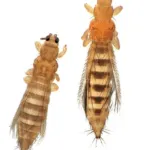 PestOnion thripsThrips tabaci Lindeman
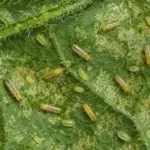 PestMelon thripsThrips palmi Karny
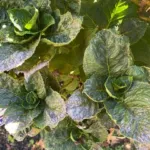 PestChilli thripsScirtothrips dorsalis Hood
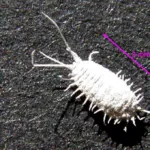 PestObscure mealybugPseudococcus viburni
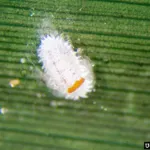 PestCitrus mealybugPlanococcus citri
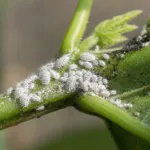 PestCotton mealybugPhenacoccus solenopsis Tinsley
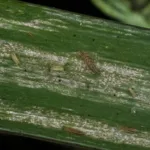 PestDracaena ThripsParthenothrips dracaenae
Toxicity and pollen
Alocasia tissues contain insoluble calcium oxalate crystals. Chewing or swallowing can cause immediate burning, pain, swelling, drooling, vomiting, and difficulty swallowing; sap may irritate skin and eyes. Keep away from children and animals, wear gloves when dividing or pruning, and seek medical or veterinary advice after exposure.
- Pollination / pollen
- Pollen produced inside the spadix; airborne exposure is not well characterized
This is an insect-associated flowering plant, but the exact cultivar's airborne pollen output and allergy profile are not well documented. Indoor flowering is uncommon, and pollen exposure is generally expected to be limited. Do not confuse pollen exposure with the plant's separate calcium-oxalate toxicity.
Native habitat
The named cultivar is a cultivated horticultural selection rather than a documented wild population. Its Alocasia background reflects tropical forest plants adapted to warm, humid conditions, filtered light, organic substrates, and seasonal changes in moisture. It is not considered frost tolerant in ordinary United States gardens.
Interesting fact
The cultivar is associated with the compact, thick-leaved Alocasia 'Maharani' form, often described as having a sculpted or armored leaf surface. Mature leaves may show reddish-purple undersides. Variegated plants can produce leaves with very different amounts of pale tissue, and some may revert toward greener growth.
Frequently asked questions (FAQ)
The most relevant questions about this plant, with short and direct answers.
🌱Quick care
How do you care for Alocasia 'Maharani Variegated'?⌄
Give Alocasia 'Maharani Variegated' bright filtered light, airy fast-draining soil, moderate watering, and warm, humid conditions. Let some of the soil dry between waterings, and protect it from cold drafts and frost.
Is Alocasia 'Maharani Variegated' easy to grow indoors?⌄
Alocasia 'Maharani Variegated' is best suited to attentive indoor growers because it reacts quickly to overwatering, low humidity, cold, and poor light. Stable warmth, filtered light, and careful watering make it much more manageable.
How often should I water Alocasia 'Maharani Variegated'?⌄
Water Alocasia 'Maharani Variegated' when the upper portion of the potting mix has dried, then drain the pot thoroughly. Watering frequency varies with pot size, light, humidity, and season, so a fixed weekly schedule is unreliable.
🌤️Environment and placement
How much light does Alocasia 'Maharani Variegated' need?⌄
Provide bright filtered or indirect light for Alocasia 'Maharani Variegated'. Strong direct afternoon sun can scorch the leaves, while very low light may slow growth and reduce the plant’s ability to maintain attractive variegation.
Can Alocasia 'Maharani Variegated' tolerate direct sunlight?⌄
It can tolerate gentle early-morning or late-afternoon sun if acclimated gradually, but harsh direct sunlight is risky. A bright window with a sheer curtain is generally safer, especially for highly pale or white-variegated leaves.
What temperature is best for Alocasia 'Maharani Variegated'?⌄
Keep Alocasia 'Maharani Variegated' warm, ideally in a stable indoor environment above 60°F. Cold temperatures, chilling drafts, and abrupt changes can cause leaf damage, dormancy, or root problems.
Does Alocasia 'Maharani Variegated' need high humidity?⌄
Yes, higher humidity usually supports better growth and reduces crispy leaf edges on Alocasia 'Maharani Variegated'. Use a humidifier or group plants together, while maintaining airflow so the foliage does not remain constantly wet.
Can Alocasia 'Maharani Variegated' grow in a bathroom?⌄
It can grow well in a warm, bright bathroom if there is adequate filtered light and ventilation. A dim bathroom or one with frequent cold temperature swings is unlikely to provide suitable conditions.
Can Alocasia 'Maharani Variegated' grow outdoors in the United States?⌄
It can be grown outdoors during warm weather in a sheltered, shaded location, but it is frost tender. Bring it indoors before temperatures approach the low 60s°F or before any frost risk.
💧Care and problems
Why are the leaves of my Alocasia 'Maharani Variegated' turning yellow?⌄
Yellow leaves commonly indicate overly wet soil, poor drainage, aging foliage, or stress from environmental change. Check the roots and potting mix before watering again, and correct drainage or watering frequency if the mix stays wet.
Why is Alocasia 'Maharani Variegated' drooping?⌄
Drooping may result from underwatering, saturated roots, cold temperatures, transplant shock, or normal dormancy. Check soil moisture and roots first, then provide warmth and avoid repeatedly watering a pot that is already wet.
Why are the leaves of Alocasia 'Maharani Variegated' turning brown?⌄
Brown edges or patches usually result from low humidity, inconsistent watering, fertilizer buildup, excessive direct sun, or cold damage. Remove severely damaged tissue only after correcting the underlying condition.
Why is my Alocasia 'Maharani Variegated' losing leaves?⌄
Leaf loss can follow overwatering, root damage, cold stress, relocation, low light, or seasonal dormancy. If the corm remains firm and healthy, the plant may recover when warmth, light, and moisture are stabilized.
How do I prevent root rot in Alocasia 'Maharani Variegated'?⌄
Prevent root rot by using a pot with drainage holes and a loose, fast-draining aroid mix, then allowing part of the mix to dry before watering again. Never leave the pot standing in runoff.
Should I fertilize Alocasia 'Maharani Variegated'?⌄
Feed actively growing Alocasia 'Maharani Variegated' with a balanced houseplant fertilizer diluted according to its label. Fertilize less often during slow growth or dormancy, and avoid feeding dry, stressed, or recently repotted plants.
What pests commonly affect Alocasia 'Maharani Variegated'?⌄
Spider mites, thrips, mealybugs, and scale can affect Alocasia 'Maharani Variegated', particularly when plants are stressed or air is very dry. Inspect leaf undersides and new growth regularly, and isolate affected plants promptly.
Why is my Alocasia 'Maharani Variegated' not growing?⌄
Slow growth is often caused by low light, cool temperatures, root stress, insufficient moisture during active growth, or dormancy. Improve light and warmth first, and do not compensate for slow growth by keeping the soil constantly wet.
Can Alocasia 'Maharani Variegated' go dormant?⌄
Yes, Alocasia 'Maharani Variegated' may slow down or lose leaves during colder, darker, or otherwise stressful periods. During dormancy, reduce watering and resume more active care only when new growth and favorable conditions return.
🪴Planting and repotting
What soil is best for Alocasia 'Maharani Variegated'?⌄
Use an airy, fast-draining aroid mix containing components such as bark, chunky coco coir or peat, and perlite or pumice. The mix should retain some moisture without becoming dense or waterlogged.
What type of pot is best for Alocasia 'Maharani Variegated'?⌄
Choose a pot with drainage holes that is only slightly larger than the root system. A clear nursery pot inside a decorative cachepot can make it easier to monitor roots and moisture, but excess water must be emptied.
When should I repot Alocasia 'Maharani Variegated'?⌄
Repot when roots fill the container, the mix breaks down, or drainage becomes poor, preferably during active growth. Avoid moving it into a much larger pot because excess wet soil increases the risk of root rot.
Can Alocasia 'Maharani Variegated' grow in semi-hydroponics?⌄
It may adapt to semi-hydroponic media such as pon, but the transition can cause stress and root loss. Change systems gradually, provide strong indirect light, and keep the plant stable while new water-adapted roots develop.
✂️Propagation and pruning
How do you propagate Alocasia 'Maharani Variegated'?⌄
Propagation is generally done from viable corms or offsets rather than from leaf cuttings. Separate offsets or grow corms only when they have their own growth potential, and expect variegation to be unpredictable in new plants.
Can you propagate Alocasia 'Maharani Variegated' from a leaf cutting?⌄
No, a leaf or petiole cutting alone normally cannot produce a new Alocasia plant because it lacks a growth point or corm. Successful propagation requires a corm, offset, or tissue-culture material.
Will every corm from Alocasia 'Maharani Variegated' produce variegated leaves?⌄
No, variegation is not guaranteed in every corm or offset. New growth may show strong variegation, weak variegation, or no visible variegation, and the pattern can change as the plant matures.
Can Alocasia 'Maharani Variegated' revert?⌄
Yes, it can produce leaves with reduced or absent variegation. Provide bright filtered light and avoid severe stress, but stable variegation cannot be guaranteed because expression varies between plants and individual growth points.
Should I prune damaged leaves from Alocasia 'Maharani Variegated'?⌄
Remove leaves only when they are mostly yellow, dead, diseased, or badly damaged. Use clean, sharp tools and leave healthy green tissue in place because the plant still uses it for photosynthesis.
⚠️Toxicity and safety
Is Alocasia 'Maharani Variegated' toxic to cats and dogs?⌄
Yes, Alocasia 'Maharani Variegated' is moderately toxic if ingested and its sap can irritate the mouth, skin, and eyes. Keep it away from pets and children, and contact a veterinarian or poison-control service if ingestion occurs.
Can touching Alocasia 'Maharani Variegated' irritate skin?⌄
Yes, the sap may cause skin or eye irritation in sensitive people. Wear gloves when cutting or repotting it, wash exposed skin promptly, and avoid touching your face while handling the plant.
🌸Flowering and special interest
Does Alocasia 'Maharani Variegated' flower indoors?⌄
It can flower indoors when mature and growing vigorously, although flowering is not guaranteed. An inflorescence may temporarily redirect energy from leaf production, so maintain stable care rather than changing watering abruptly.
Should I cut off flowers from Alocasia 'Maharani Variegated'?⌄
You do not have to remove the flowers; allowing them to finish naturally is generally safest. If you prune an inflorescence, use sterile tools and avoid cutting into the central crown, where damage can encourage rot.
Similar plants
 Foxtail Palm (Wodyetia bifurcata) care guideWodyetia bifurcata
 He Mexican fan palm (Washingtonia robusta) care guideWashingtonia robusta
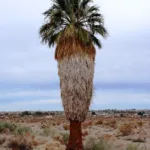 He California fan palm (Washingtonia filifera) care guideWashingtonia filifera
 Veitchia arecina care guideVeitchia arecina
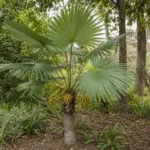 Trachycarpus latisectus care guideTrachycarpus latisectus
 He Chusan palm (Trachycarpus fortunei) care guideTrachycarpus fortunei