
 Source:
 Giant taro (Alocasia macrorrhizos) short overview
Giant taro is a bold tropical elephant ear grown for its immense, glossy, arrow-shaped leaves and strong architectural presence. Alocasia macrorrhizos thrives in warmth, humidity, bright filtered light, and evenly moist soil that still drains freely. In the United States, it can be planted outdoors in frost-free regions or grown in a large container and brought inside for winter. Its unusual cream-and-green inflorescences are secondary to the foliage, and its irritating sap requires careful handling.
Taxonomic classification
Giant taro (Alocasia macrorrhizos) care guide
Light and placement
Provide bright filtered light or partial shade, with gentle morning sun acceptable outdoors. Protect leaves from intense hot afternoon sun, which can scorch or bleach them, especially after indoor growth. Too little light produces slower growth, smaller leaves, and weak, stretched petioles; too much direct sun causes pale patches, crisp margins, and wilting despite moist soil.
Watering and humidity
Keep the root zone evenly moist during active growth. Water thoroughly when the upper inch of mix begins to dry, then allow excess water to drain completely; never leave the pot standing in a saucer. Reduce frequency in cool or low-light winter conditions, but do not let the corm dry hard. Humidity helps prevent browned edges, though it cannot compensate for poor drainage.
Soil and growing medium
Use a fertile, airy substrate that retains moisture without becoming stagnant. A loam-based mix amended with compost, leaf mold, or fine bark works well, provided excess water drains quickly. Slightly acidic to neutral conditions are suitable. Heavy, waterlogged soil increases the risk of corm and root rot, while very dry or compacted soil can cause leaf-edge damage and stalled growth.
Feeding
Feed during active spring and summer growth with a balanced, water-soluble fertilizer diluted to about half the label strength every 2–4 weeks, or use a controlled-release product as directed. Water first if the mix is dry. Reduce or stop feeding when growth slows in cool, dim winter conditions; excess fertilizer can burn roots and produce salt buildup.
Growth and habit
This is a vigorous, warm-season species that can form a substantial clump and eventually develop a thick, upright stem. Growth slows sharply with cool temperatures, low light, drought, or root disturbance. Remove only damaged leaves, rotate container plants for even light, and support large specimens against wind or tipping.
Planting and repotting
Plant outdoors after danger of frost has passed and soil has warmed, choosing a sheltered site with bright filtered light or gentle morning sun. Set the rootstock at the same depth as previously grown and leave enough room for the broad clump to expand. Water deeply during establishment and mulch lightly, keeping mulch away from the stem.
Repot in spring or early summer when the container is crowded or roots circle densely. Move up only one pot size and keep the corm or stem at its previous depth. Use a heavy container for stability because mature plants become top-heavy. After repotting, water thoroughly and keep the plant warm while new roots establish.
Propagation and pruning
Propagation
Divide mature clumps or separate offsets and cormels during warm active growth. Plant divisions in a moist, airy medium and keep them warm until roots resume. Seed propagation is possible after successful pollination but is less predictable in cultivation because compatible insect visitors are usually absent indoors.
Pruning
Remove yellow, torn, or declining leaves at the base with clean, sharp tools. Do not routinely cut healthy foliage, since each leaf contributes to energy storage and future growth. Wear gloves because cut surfaces and sap can irritate skin. Remove spent inflorescences if seed is not desired.
Overwintering
Before temperatures approach 50°F, move container plants indoors or into a heated greenhouse. Keep them in bright light, away from drafts and radiators, and reduce watering as growth slows. In marginal outdoor zones, lift and containerize the plant rather than relying on mulch alone. Frost can severely damage foliage and freezing conditions may kill the rootstock.
Uses
Used primarily as a dramatic foliage specimen in tropical and subtropical landscapes, courtyards, conservatories, and large containers. It can be overwintered indoors where winters are cold, provided there is strong light and adequate humidity. Some cultures use properly processed plant parts as food, but raw tissues are irritating and culinary preparation should not be attempted without expert regional knowledge.
Appearance
The plant has a stout, sometimes trunk-like stem bearing very large glossy, arrow-shaped leaves on long petioles. Mature leaves are generally green on both surfaces, with prominent veins and gently wavy to nearly entire margins. Unlike some related elephant ears, mature leaves are not strongly peltate. The clustered foliage and upright stance give it a distinctly architectural silhouette.
Flowering
The inflorescence is a typical aroid spathe and spadix, with tiny female flowers at the base and male flowers above, separated by a sterile zone. The spathe is usually pale green outside and may open or become hooded around a cream to whitish spadix. Flowering is irregular in cultivation and is more likely when plants are mature, warm, well-watered, and actively growing.
Pollination and visitors
Research from Sabah documented a pollination mutualism involving small Colocasiomyia flies within the inflorescences. Government botanical records also list ants, beetles, flies, thrips, and wasps as associated insect visitors. Visitor composition varies by region, and indoor flowers generally lack the specialized insects needed for reliable pollination.
Alocasia macrorrhizos photos
Click any photo for a larger view. Source, author and license are shown separately.
Diseases and pests
Diseases
The main disease risk is corm or root rot caused by persistently wet, poorly aerated soil. Use clean containers, avoid standing water, and remove damaged tissue with sterilized tools. Yellowing with a soft base or foul odor indicates serious rot. Reduce irrigation during cool indoor periods and isolate plants showing spreading leaf spots.
Pests
Watch for spider mites, thrips, mealybugs, scale, and chewing insects. Dry air favors mites, while crowded or stressed plants are more vulnerable to thrips and scale. Inspect leaf undersides and petiole bases regularly, rinse foliage when appropriate, and isolate infested plants. Use insecticidal soap or horticultural oil only according to the product label and avoid treating drought-stressed plants.
Related diseases and pests
Only Plant Doctor profiles whose host data indicate this plant may be affected are shown here.
 DiseaseRhizopus soft rotRhizopus stolonifer
 DiseaseBacterial soft rotPectobacterium carotovorum
 DiseaseAlternaria leaf spot and fruit rotAlternaria alternata
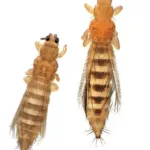 PestOnion thripsThrips tabaci Lindeman
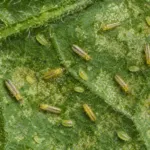 PestMelon thripsThrips palmi Karny
 PestChilli thripsScirtothrips dorsalis Hood
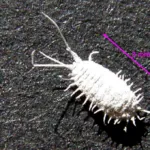 PestObscure mealybugPseudococcus viburni
 DiseaseAster yellows‘Candidatus Phytoplasma asteris’
Toxicity and pollen
Alocasia tissues contain insoluble calcium oxalate raphides. Chewing or ingesting the plant can cause immediate mouth and throat irritation, pain, swelling, drooling, vomiting, and difficulty swallowing; sap may also irritate skin and eyes. Wear gloves when cutting or dividing, wash exposed skin, and seek medical or veterinary advice after significant ingestion.
- Typical season
- Usually limited to flowering episodes; no established U.S. allergy season
- Pollination / pollen
- Mostly insect-transported pollen
The plant produces pollen inside its enclosed aroid inflorescence, but it is primarily transported by visiting insects rather than released as a conspicuous airborne cloud. No reliable U.S.-specific clinical allergy profile was located for this species, so sensitive individuals should still avoid direct contact with flowers and pollen.
Native habitat
Native populations occur from Central Malesia through New Guinea and Queensland in wet tropical environments. The species is associated with warm, humid conditions, fertile soils, abundant moisture, and habitats ranging from rainforest margins to disturbed or cultivated sites. It has also been introduced and naturalized in many tropical regions.
Interesting fact
The specific epithet macrorrhizos means “large-rooted.”
Its inflorescence has separate female and male flower zones.
The plant can develop a stout, trunk-like stem with age.
Wild plants may reach several meters in favorable tropical conditions.
The species is cultivated both as an ornamental and traditional food plant.
Unprocessed tissues are irritating because of calcium oxalate raphides.
Frequently asked questions (FAQ)
The most relevant questions about this plant, with short and direct answers.
🌱Quick care
How do you care for Alocasia macrorrhizos, or giant taro?⌄
Give giant taro bright filtered light to partial shade, evenly moist well-drained soil, warmth, and moderate to high humidity. Protect it from frost, cold drafts, and prolonged temperatures below about 50°F.
How much light does giant taro need indoors?⌄
Place giant taro in bright, indirect or filtered light indoors. Strong midday sun through glass can scorch its large leaves, while deep shade may cause weak growth.
How often should I water Alocasia macrorrhizos?⌄
Water giant taro when the surface of the soil begins to dry, keeping the mix evenly moist but never waterlogged. Check the pot regularly because warm, bright conditions can make this large-leaved plant dry quickly.
What is the best soil for giant taro?⌄
Use fertile, airy, moisture-retentive soil that drains freely, such as quality potting mix amended with compost and perlite or bark. Avoid dense soil that stays saturated around the rhizome.
How much humidity does Alocasia macrorrhizos need?⌄
Giant taro grows best with moderate to high humidity, especially indoors during dry winter conditions. Good airflow is also important so humid air does not remain stagnant around the leaves.
🌤️Environment and placement
Can giant taro grow outdoors in the United States?⌄
Yes, giant taro can grow outdoors year-round in warm, frost-free parts of the United States. In colder areas, grow it in a container and move it indoors or protect the rhizome before temperatures approach 50°F.
Can Alocasia macrorrhizos grow in full sun?⌄
Giant taro prefers bright filtered light or partial shade, although established plants may tolerate more sun when gradually acclimated and kept adequately watered. Avoid suddenly moving an indoor plant into intense outdoor sun.
Where should I place giant taro outdoors?⌄
Choose a sheltered location with morning sun or filtered light and protection from harsh afternoon sun and strong wind. The site should have fertile, consistently moist soil that still drains well.
What temperature is too cold for giant taro?⌄
Temperatures below about 50°F can stress giant taro, and frost can severely damage or kill the foliage and rhizome. Move containers indoors or provide protection before cold nights arrive.
How big does Alocasia macrorrhizos get?⌄
Giant taro can become a very large architectural plant, with leaves commonly reaching several feet long under favorable outdoor conditions. Indoor plants usually remain smaller because of limited light, root space, and humidity.
💧Care and problems
Why are my giant taro leaves turning yellow?⌄
Yellow leaves commonly result from overwatering, poor drainage, cold stress, or normal aging of older foliage. Check the roots and soil moisture before increasing or reducing watering.
Why are the edges of my giant taro leaves turning brown?⌄
Brown leaf edges usually indicate dry soil, low humidity, salt buildup, or excessive direct sun. Keep the plant evenly moist, improve humidity and airflow, and flush container soil occasionally with clean water.
Why is my Alocasia macrorrhizos drooping?⌄
Drooping usually means the plant is thirsty, cold, stressed by root damage, or exposed to unsuitable light. Check the soil and roots first, then correct moisture and temperature rather than watering automatically.
Why is my giant taro not growing new leaves?⌄
Slow growth is often caused by insufficient light, cool temperatures, low humidity, root restriction, or seasonal dormancy. Warmth, bright filtered light, steady moisture, and active-season feeding can encourage new growth.
Does giant taro go dormant in winter?⌄
Giant taro may slow substantially or become partially dormant during winter, particularly indoors in cool or dim conditions. Reduce watering and stop routine feeding while growth is limited, but do not allow the rhizome to remain bone-dry for extended periods.
What pests attack Alocasia macrorrhizos?⌄
Spider mites, mealybugs, aphids, and scale can infest giant taro, especially when indoor air is dry. Inspect leaf undersides and new growth regularly and isolate affected plants promptly.
Should I mist giant taro leaves?⌄
Misting may provide only brief humidity and does not replace a humid room or proper watering. If you mist, maintain good airflow and avoid leaving foliage wet for long periods.
Should I fertilize Alocasia macrorrhizos?⌄
Feed giant taro lightly during active growth with a balanced fertilizer according to the product label. Avoid heavy feeding when the plant is dormant or the soil is dry, because concentrated fertilizer can damage roots.
🪴Planting and repotting
When should I repot giant taro?⌄
Repot giant taro when roots fill the container, drainage slows, or the plant becomes unstable. Move it into a pot only slightly larger than the root ball and use fresh, airy soil with a drainage hole.
Can I plant giant taro in the ground?⌄
Plant giant taro in the ground only where winters are frost-free or where the rhizome can be lifted before cold weather. Select fertile, moisture-retentive soil in partial shade and leave ample room for its mature size.
Can giant taro grow in a container?⌄
Yes, giant taro grows well in a sturdy container with drainage holes and a fertile, well-drained mix. Choose a heavy pot or provide support because the mature foliage can make the plant top-heavy.
✂️Propagation and pruning
How do you propagate Alocasia macrorrhizos?⌄
The most practical method is division of offsets or rhizome sections during active growth. Separate pieces only when they have viable roots or growth points, then pot them in lightly moist, well-drained mix.
Can giant taro be grown from seed?⌄
Yes, giant taro can be grown from fresh seed, but seed propagation is slower and less predictable than division. Sow fresh seed promptly in a warm, moist, sterile medium because viability can decline during storage.
Can I grow giant taro from a leaf cutting?⌄
No, a leaf or leaf-stalk cutting normally cannot produce a new giant taro plant by itself. Propagation requires a rhizome section, offset, or viable seed with a growth point.
How should I prune giant taro?⌄
Routine pruning is not required; remove only yellow, damaged, or diseased leaves at the base with clean tools. Wear gloves because the sap can irritate skin.
⚠️Toxicity and safety
Is Alocasia macrorrhizos toxic to dogs and cats?⌄
Yes, giant taro is toxic to dogs and cats because it contains irritating insoluble calcium oxalates. Chewing can cause intense mouth irritation, drooling, swelling, vomiting, and difficulty swallowing, so contact a veterinarian promptly after ingestion.
Is giant taro poisonous to people?⌄
Yes, raw giant taro can irritate the mouth, skin, and digestive tract because of insoluble calcium oxalates. Keep plant parts away from children and handle sap with gloves; do not eat ornamental plants.
Can you eat Alocasia macrorrhizos?⌄
Some traditional food systems use specially prepared parts of giant taro, but raw or improperly cooked material is unsafe because of calcium oxalates. Ornamental plants may also have unknown treatments or identification, so home gardeners should not eat them.
🌸Flowering and special interest
Does Alocasia macrorrhizos produce flowers?⌄
Yes, mature giant taro can produce pale green to cream aroid-type flower structures, usually when growing strongly in warm conditions. Flowering is less common on stressed, young, cool, or low-light indoor plants.
What does a giant taro flower look like?⌄
The flower is a small, pale aroid inflorescence made of a spathe surrounding a spadix, rather than a showy petaled bloom. It may be followed by fruit if pollination occurs.
Similar plants
 Saucer Magnolia (Magnolia soulangeana) care guideMagnolia soulangeana
 Magnolia × loebneri ‘Merrill’Magnolia × loebneri 'Merrill'
 Magnolia loebneri care guideMagnolia loebneri
 Sweetbay magnolia (Magnolia virginiana) care guideMagnolia virginiana
 Star magnolia (Magnolia stellata) care guideMagnolia stellata
 Magnolia sprengeri care guideMagnolia sprengeri