
 Source:
 Variegata (Alocasia macrorrhiza ‘Variegata’) short overview
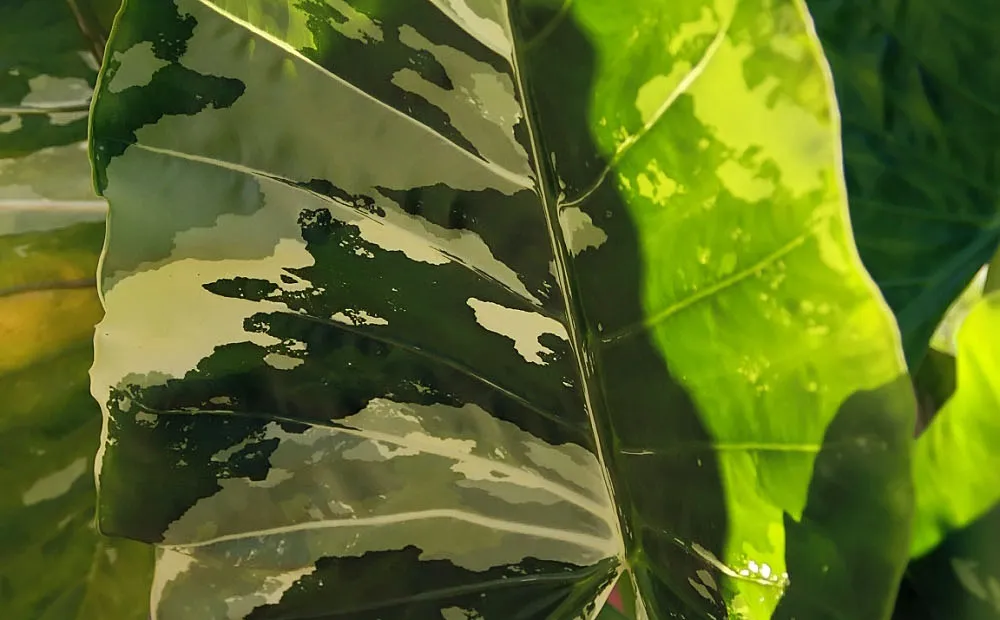
Alocasia macrorrhiza 'Variegata' is a dramatic tropical elephant ear grown for its enormous, wavy-edged leaves patterned in dark green, pale green, and ivory. This evergreen rhizomatous perennial enjoys bright filtered light, warmth, high humidity, and consistently moist but well-drained soil. In the United States it is best treated as an indoor, greenhouse, patio, or seasonal container plant, since freezing temperatures damage the foliage and all parts contain irritating calcium oxalate crystals.
Taxonomic classification
Variegata (Alocasia macrorrhiza ‘Variegata’) care guide
Light and placement
Provide bright filtered light, such as an east- or west-facing window with a sheer curtain or a sheltered bright greenhouse position. Gentle early or late sun may be tolerated, but strong midday sun can scorch pale variegated tissue. Too little light causes slow growth, smaller leaves, and greener new growth; excessive light causes bleaching, crisp patches, or curling.
Watering and humidity
Water thoroughly when the upper 1–2 inches of mix begin to dry, then allow excess water to drain fully. Keep the root zone evenly moist during warm active growth without leaving the pot in a saucer of water. Reduce frequency in winter, particularly in cool or dim rooms. High humidity helps limit leaf-edge browning, but airflow is essential.
Soil and growing medium
Use a rich, airy, moisture-retentive mix that still drains freely. A peat-free houseplant blend amended with perlite, fine bark, or another open-textured component works well in containers. Slightly acidic to neutral conditions are suitable. Avoid compacted soil and stagnant water around the rhizome, especially indoors.
Feeding
Feed only during active growth, using a balanced liquid houseplant fertilizer diluted to about half strength every 2–3 weeks, or follow the label for a comparable controlled-release product. Water the plant first if the mix is dry. Reduce or stop feeding during cool, dim winter conditions or whenever growth has paused.
Growth and habit
A robust clump-forming plant develops from a thick rhizomatous base and produces successive upright leaves. Vigorous plants may become top-heavy, especially when variegation is limited and leaves are large. Rotate containers periodically for even growth, support the pot if necessary, and remove declining leaves only after the plant has reabsorbed their nutrients.
Planting and repotting
Plant outdoors only after the danger of frost has passed and soil has warmed. Set the rhizome or established container plant at its original depth, with the crown just above or level with the soil surface. Allow about 3–5 feet between large specimens where space permits, and shelter the foliage from strong wind.
Repot in spring or early summer when roots fill the container, moving up only one pot size. Use a heavy, stable pot with drainage because the large leaves can make the plant top-heavy. Keep the rhizome at the same depth and water lightly until renewed growth appears.
Propagation and pruning
Propagation
Division of established rhizomes or offsets is the most practical method. Divide during active spring or summer growth, ensuring each section has viable roots or a growing point. Stem-cutting propagation is reported for the cultivar, but success depends on warm, humid conditions and clean material. Seed is uncommon and will not reliably preserve variegation.
Pruning
Routine pruning is unnecessary. Remove yellowing, torn, or completely dead leaves at the base with clean tools. Handle cut surfaces carefully because sap can irritate skin and eyes. Do not remove partially green leaves solely because they contain white areas; they still contribute useful photosynthesis.
Overwintering
Bring containers indoors before nighttime temperatures approach 60°F. Keep the plant warm, bright, and away from cold drafts; growth may slow in winter. Reduce watering while growth is limited but do not allow the rhizome to remain in cold, saturated soil. In suitable climates, protect outdoor plants from frost and expect foliage damage after freezing temperatures.
Uses
Used primarily as a dramatic foliage specimen for interiors, conservatories, greenhouses, sheltered patios, and seasonal shade containers. In warm climates it can anchor tropical borders or sheltered beds. Do not use it as food, and do not rely on culinary traditions for this ornamental cultivar because calcium oxalate exposure remains a concern.
Appearance
The cultivar is recognized by stout upright petioles and large narrowly arrow-shaped leaves with wavy margins. Leaf blades combine dark green fields with irregular ivory and pale green sectors or marbling. Variegation may differ from leaf to leaf and can reduce vigor where white tissue is extensive. The overall habit is bold, vertical, and clump forming.
Flowering
The plant produces a typical aroid inflorescence consisting of a spathe surrounding a spadix, rather than a showy petaled flower. Yellow-green bracts may appear at any time of year under warm, vigorous conditions, although flowering is less common in ordinary indoor culture. Flowers are protogynous, with female and male phases separated in time.
Pollination and visitors
The species has documented pollination interactions with small saprophilous flies in the genus Colocasiomyia. The cultivar's flowers may be visited in comparable warm outdoor conditions, but cultivar-specific visitor observations are limited. Indoor flowering is unlikely to receive the specialized visitors required for reliable seed set.
Alocasia macrorrhiza 'Variegata' photos
Click any photo for a larger view. Source, author and license are shown separately.
Diseases and pests
Diseases
Prevent root and rhizome rot by using a draining medium, a container with open drainage, and careful winter watering. Brown or collapsing tissue may indicate excessive moisture or cold stress. Remove damaged tissue with sterile tools and improve airflow; discard severely rotted material rather than repeatedly keeping it wet.
Pests
Watch for spider mites, mealybugs, scale, thrips, and aphids, especially in dry indoor air. Inspect leaf undersides and new growth regularly. Isolate affected plants, wash foliage, and use horticultural soap or another labeled treatment according to directions. Avoid stressing the plant with cold drafts or abrupt light changes.
Related diseases and pests
Only Plant Doctor profiles whose host data indicate this plant may be affected are shown here.
 DiseaseRhizopus soft rotRhizopus stolonifer
 DiseaseEuropean brown rotMonilinia fructigena
 DiseaseBrown Rot of Stone FruitMonilinia fructicola
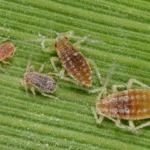 PestMealy Plum AphidHyalopterus pruni (Geoffroy, 1762)
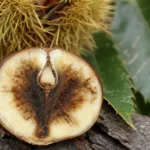 DiseaseChestnut brown rotGnomoniopsis smithogilvyi
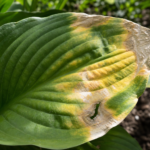 Environmental stressExcess light stress
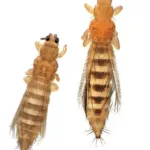 PestOnion thripsThrips tabaci Lindeman
 PestMelon thripsThrips palmi Karny
Toxicity and pollen
Alocasia tissues contain insoluble calcium oxalate crystals. Chewing or swallowing can cause immediate burning and irritation of the mouth, tongue, lips, and throat, with drooling, vomiting, or difficulty swallowing possible. Sap or plant tissue may also irritate skin and eyes. Wear gloves when dividing or cutting the plant and keep it away from children and pets.
- Typical season
- No reliable United States seasonal exposure period documented; flowering may occur in warm conditions
- Pollination / pollen
- Insect-dispersed pollen; not characteristically windborne
This is a flowering angiosperm, so it produces pollen when it blooms, but reliable evidence for significant airborne pollen exposure from this cultivar in United States homes is lacking. Its aroid inflorescences are generally associated with insect-mediated pollen transfer rather than wind dispersal. People with plant or pollen sensitivities should still avoid contact with sap and use ventilation when handling flowers.
Native habitat
The species is native from Central Malesia through New Guinea and into Queensland, where it grows in wet tropical environments. It is associated with warm, humid conditions and fertile soils that remain moist while allowing root aeration. The variegated cultivar is a cultivated ornamental and should be treated as a protected tropical plant in most of the United States.
Interesting fact
The species can develop extremely large leaves and upright stems in tropical conditions. Its aroid inflorescence can generate heat during flowering. Wild populations are associated with warm, wet tropical habitats. Variegated tissue contains less chlorophyll, so heavily white leaves may grow more slowly.
Frequently asked questions (FAQ)
The most relevant questions about this plant, with short and direct answers.
🌱Quick care
How do I care for Alocasia macrorrhiza 'Variegata' indoors?⌄
Give it bright filtered light, evenly moist but well-drained soil, warmth, and moderate to high humidity. Let the upper 1–2 inches of mix dry slightly before watering again, and never leave the pot standing in water.
Is Alocasia macrorrhiza 'Variegata' a good houseplant?⌄
Yes, it can be an excellent houseplant if you can provide bright light, warmth, humidity, and careful watering. Its large leaves and reduced green tissue make it less forgiving of low light, cold, and root damage than many common houseplants.
How much light does Alocasia macrorrhiza 'Variegata' need?⌄
Provide bright filtered or indirect light for several hours daily. Gentle morning or late-afternoon sun may be tolerated, but strong midday or hot window glass can scorch the white portions of the leaves.
🌤️Environment and placement
Can Alocasia macrorrhiza 'Variegata' grow outdoors in the United States?⌄
Yes, it can grow outdoors year-round only in warm, frost-free areas, generally comparable to USDA Zones 10–11. In colder parts of the United States, grow it in a container and move it indoors before temperatures approach freezing.
What temperature is best for Alocasia macrorrhiza 'Variegata'?⌄
Keep it warm, ideally around 65–80°F during active growth. Protect it from cold drafts, air-conditioning vents, and temperatures below about 50°F, which can cause stress, leaf loss, or dormancy.
Does Alocasia macrorrhiza 'Variegata' need high humidity?⌄
It prefers moderate to high humidity, with approximately 60% or higher often supporting better leaf edges and growth. If indoor air is dry, a humidifier is generally more effective than misting.
Can Alocasia macrorrhiza 'Variegata' tolerate low light?⌄
It may survive in lower light, but growth will slow and new leaves may be smaller or less strongly variegated. Move it gradually toward brighter filtered light rather than exposing a low-light plant suddenly to intense sun.
💧Care and problems
How often should I water Alocasia macrorrhiza 'Variegata'?⌄
Water when the top 1–2 inches of soil feel slightly dry, then drain the pot thoroughly. Watering frequency varies with pot size, light, temperature, and season, so a fixed calendar schedule is unreliable.
Why are the leaves of my Alocasia macrorrhiza 'Variegata' turning yellow?⌄
Yellow leaves commonly result from overly wet soil, poor drainage, low light, or normal aging of an older leaf. Check the roots and potting mix before watering again, because persistent saturation can lead to rhizome or root rot.
Why are the white parts of my Alocasia macrorrhiza 'Variegata' turning brown?⌄
Brown or crispy white tissue is often caused by direct sun, dry air, inconsistent watering, or salt buildup. Provide bright filtered light, steadier moisture, and occasional flushing of the potting mix with clean water.
Why is my Alocasia macrorrhiza 'Variegata' losing leaves after repotting?⌄
Temporary leaf loss or a pause in growth can occur after repotting because Alocasias are sensitive to root disturbance. Keep the plant warm with bright filtered light, avoid repeatedly disturbing it, and water cautiously while the roots reestablish.
Why is my Alocasia macrorrhiza 'Variegata' not growing?⌄
Slow growth is usually linked to insufficient light, cool temperatures, low humidity, root problems, or seasonal dormancy. Improve light and warmth first, then check whether the mix is staying wet too long or whether the plant has become root-bound.
What fertilizer should I use for Alocasia macrorrhiza 'Variegata'?⌄
Use a balanced liquid houseplant fertilizer diluted to half strength during active spring and summer growth, usually about once a month. Pause or greatly reduce feeding when growth slows in fall and winter.
What pests attack Alocasia macrorrhiza 'Variegata'?⌄
Spider mites, thrips, mealybugs, scale, and fungus gnats may occur, especially indoors. Inspect leaf undersides and soil regularly, isolate affected plants, and treat promptly with a product labeled for the pest and plant.
How do I prevent root rot in Alocasia macrorrhiza 'Variegata'?⌄
Use a pot with drainage holes and an airy, moisture-retentive mix that does not remain saturated. Water only when the upper layer has begun to dry, and empty any saucer or cachepot after watering.
🪴Planting and repotting
What soil is best for Alocasia macrorrhiza 'Variegata'?⌄
Use rich, moisture-retentive, well-drained loam or an airy aroid-style houseplant mix. A blend containing quality potting mix, orchid bark, and perlite or another coarse aeration material helps balance moisture with oxygen around the roots.
When should I repot Alocasia macrorrhiza 'Variegata'?⌄
Repot in spring or early summer when the plant is actively growing, or sooner if roots are circling densely or emerging from the drainage holes. Choose a container only about 1–2 inches wider than the current pot.
Can I plant Alocasia macrorrhiza 'Variegata' in the ground?⌄
Yes, in a warm, frost-free garden with rich, well-drained soil and partial shade or filtered light. In most of the United States, container growing is safer because the plant must be protected from freezing temperatures.
How large can Alocasia macrorrhiza 'Variegata' become?⌄
Given tropical conditions, the species can become a very large upright elephant-ear plant, potentially several feet tall with exceptionally large leaves. Indoor specimens are usually much smaller because light, container size, humidity, and winter conditions limit growth.
✂️Propagation and pruning
How do I propagate Alocasia macrorrhiza 'Variegata'?⌄
Propagate it by separating rooted basal offsets or dividing the rhizome during active growth. Each division should have a viable growth point and, preferably, some roots; keep new sections warm, lightly moist, and out of harsh sun.
Can I propagate Alocasia macrorrhiza 'Variegata' from a leaf cutting?⌄
No, a leaf or petiole cutting alone will not normally produce a new plant because the growth point is in the rhizome or corm. Propagation requires a rhizome section, corm, or rooted offset with a viable bud.
Will a corm from Alocasia macrorrhiza 'Variegata' always produce a variegated plant?⌄
No, variegation is not guaranteed from every corm or seed-grown plant. A division from a clearly variegated offset is generally more dependable, while corms can produce variable foliage and may emerge mostly green.
Can Alocasia macrorrhiza 'Variegata' revert to green?⌄
Yes, a new leaf may show reduced variegation or appear mostly green, particularly when light is inadequate or the plant is stressed. Bright filtered light and stable care can support better expression, but the pattern cannot be completely controlled.
Should I cut off damaged leaves on Alocasia macrorrhiza 'Variegata'?⌄
Remove leaves that are fully yellow, dead, or badly damaged by cutting the stalk near its base with clean tools. Leave partially green leaves in place when possible because they still contribute energy to the rhizome.
⚠️Toxicity and safety
Is Alocasia macrorrhiza 'Variegata' toxic to cats and dogs?⌄
Yes, it is toxic if eaten because Alocasia tissues contain insoluble calcium oxalates. Ingestion can cause intense mouth irritation, swelling, drooling, vomiting, or difficulty swallowing, so contact a veterinarian promptly if a pet chews it.
Is Alocasia macrorrhiza 'Variegata' poisonous to people?⌄
Yes, eating the plant can cause painful irritation and swelling of the mouth and throat. Its sap may also irritate skin and eyes, so wear gloves when cutting or dividing it and keep it away from children.
Can I touch Alocasia macrorrhiza 'Variegata'?⌄
Brief contact is usually not a problem, but the sap may irritate sensitive skin and eyes. Wash your hands after handling it, avoid touching your face, and use gloves when pruning, repotting, or propagating.
🌸Flowering and special interest
Does Alocasia macrorrhiza 'Variegata' flower indoors?⌄
Yes, a mature plant can occasionally flower indoors, although it is grown mainly for its foliage and flowering may be infrequent. The inflorescence is a typical aroid spathe and spadix and is usually less showy than the leaves.
Should I cut off flowers from Alocasia macrorrhiza 'Variegata'?⌄
You may remove a flower if you prefer to direct the plant’s energy toward foliage or if the plant is small or stressed. Otherwise, leaving it is generally harmless if the plant is healthy and well supported.
Similar plants
 Saucer Magnolia (Magnolia soulangeana) care guideMagnolia soulangeana
 Magnolia × loebneri ‘Merrill’Magnolia × loebneri 'Merrill'
 Magnolia loebneri care guideMagnolia loebneri
 Sweetbay magnolia (Magnolia virginiana) care guideMagnolia virginiana
 Star magnolia (Magnolia stellata) care guideMagnolia stellata
 Magnolia sprengeri care guideMagnolia sprengeri