
 AI-generated illustration
Black Stem (Alocasia macrorrhiza ‘Black Stem’) short overview
Alocasia macrorrhiza 'Black Stem' is a bold tropical elephant ear selected for its large, upright green leaves and striking deep purple-black petioles. It makes a dramatic focal point in a shaded patio container, tropical border, or warm indoor collection. Provide bright filtered light, evenly moist but well-drained soil, warmth, and good humidity. Protect it from frost, wind, and chewing by children or pets because all parts contain irritating calcium oxalate crystals.
Taxonomic classification
Black Stem (Alocasia macrorrhiza ‘Black Stem’) care guide
Light and placement
Give bright filtered light or gentle morning sun with afternoon shade. Indoors, place near an east window or several feet back from a bright south or west window behind a sheer curtain. Direct hot midday sun can scorch leaves, while very low light produces smaller leaves, slower growth, and weaker petiole color. Rotate containers periodically for even growth.
Watering and humidity
Water thoroughly when the top inch of mix begins to dry, allowing excess water to drain fully. Keep the root zone evenly moist during warm active growth but never leave the pot standing in water. Reduce frequency in fall and winter as light and temperature decline. Humidity helps prevent crispy margins, but airflow is essential to limit disease.
Soil and growing medium
Use a rich, airy mix that holds moisture without becoming stagnant: quality potting soil amended with compost, fine bark, and perlite works well. Slightly acidic to neutral conditions are suitable. Avoid compacted soil and salt buildup, which can cause marginal browning and weak growth.
Feeding
Feed during active spring and summer growth with a complete balanced houseplant fertilizer diluted to half strength every 2–4 weeks, or use a controlled-release product according to its label. Water first if the mix is dry. Pause or greatly reduce feeding during cool, dim winter conditions and after repotting until new roots are established.
Growth and habit
This is a vigorous, upright, rhizomatous perennial that produces a central leafy stem and may form basal offsets. Growth accelerates with warmth, bright indirect light, abundant moisture, and feeding. Large leaves are easily torn by wind, so sheltered placement reduces cosmetic damage and helps maintain a balanced specimen.
Planting and repotting
Plant outdoors after nights remain reliably warm and all frost danger has passed. Set the root ball at its original soil level rather than burying the crown. Allow about 3–5 feet between plants for large specimens, or use a container when space, cold protection, or seasonal mobility is needed.
Repot in spring or early summer when roots fill the container or growth slows. Move up only one pot size, preserve the corm and main roots, and use a heavy container to prevent the tall foliage from tipping. Water thoroughly after repotting, then keep the plant warm and evenly moist while it re-establishes.
Propagation and pruning
Propagation
Divide established offsets or sections of the rhizomatous base in warm weather, ensuring each division has viable roots or a growing point. Keep divisions warm, humid, and lightly but consistently moist until new growth resumes. Seed propagation is possible for the species but is not a dependable way to preserve a named cultivar.
Pruning
Remove yellow, torn, or diseased leaves at the base with sterilized tools. Cut flower stalks after the inflorescence declines if seed production is not desired. Avoid removing healthy leaves unnecessarily because each leaf supports recovery and root growth.
Overwintering
Move containers indoors before temperatures approach 40°F, ideally before the first frost. Provide bright indirect light, warmth, and moderate-to-high humidity. Growth may slow in winter, so water less often and do not fertilize heavily. In suitable frost-free climates, protect outdoor plants from cold snaps and wind.
Uses
Use as a bold foliage accent in shaded tropical landscapes, sheltered patios, conservatories, and large indoor containers. It is especially effective as a specimen plant because the dark petioles create strong vertical contrast. Do not use it as food or place it where children or pets may chew it; culinary use of some taro relatives does not make this named plant safe to eat.
Appearance
The defining feature is the contrast between large, glossy, arrow- to shield-shaped green leaves and thick petioles that range from deep purple-brown to nearly black. Leaves arise in an upright architectural clump, with prominent veins and a substantial tropical silhouette. Exact color intensity can vary with age, light, stress, and plant provenance.
Flowering
Like other mature Alocasia macrorrhizos, this cultivar can produce aroid inflorescences consisting of a pale spathe surrounding a spadix, but flowering is secondary to the foliage and may be infrequent in containers. Individual inflorescences have separate female and male zones and may develop berries after successful pollination. Cultivar-specific bloom timing is not reliably documented.
Pollination and visitors
Species-level research documents small arthropod visitors, including specialized colocasiomyid flies, in Alocasia macrorrhizos inflorescences. Evidence does not establish that the 'Black Stem' cultivar attracts pollinators strongly in typical U.S. gardens, so attraction is rated low rather than high.
Diseases and pests
Diseases
Root or stem rot is the main preventable problem and is encouraged by cold, waterlogged soil. Remove damaged tissue, improve drainage, and reduce watering during cool periods. Leaf-spot diseases may worsen with wet foliage and poor airflow; water at the soil line, remove affected leaves, and isolate symptomatic container plants.
Pests
Watch for spider mites, thrips, mealybugs, scale, and fungus gnat larvae in persistently wet media. Inspect leaf undersides and petiole bases regularly. Improve airflow, avoid drought stress, rinse foliage when appropriate, and treat early infestations with insecticidal soap or horticultural oil according to the product label.
Related diseases and pests
Only Plant Doctor profiles whose host data indicate this plant may be affected are shown here.
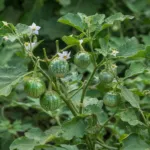 Environmental stressPoor drainage stress (waterlogging)
 DiseaseAlternaria leaf spot and fruit rotAlternaria alternata
 Environmental stressWaterlogging
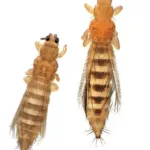 PestOnion thripsThrips tabaci Lindeman
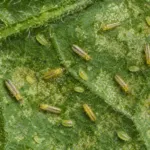 PestMelon thripsThrips palmi Karny
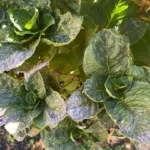 PestChilli thripsScirtothrips dorsalis Hood
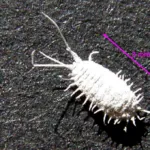 PestObscure mealybugPseudococcus viburni
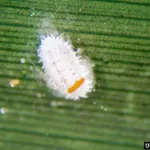 PestCitrus mealybugPlanococcus citri
Toxicity and pollen
Alocasia tissues contain insoluble calcium oxalate crystals. Chewing or swallowing can cause immediate burning and irritation of the mouth, tongue, and throat, drooling, vomiting, or difficulty swallowing; sap may irritate skin. Wear gloves when cutting, wash hands afterward, and keep all plant parts away from children and pets. Seek urgent help for breathing or swallowing difficulty.
- Typical season
- No reliable U.S. exposure season documented; flowering is sporadic
- Pollination / pollen
- Pollen released within the enclosed aroid inflorescence; airborne exposure likely limited
The plant produces pollen only when it flowers. Its inflorescences are not known as a major source of airborne pollen in the United States, and flowering is uncommon or irregular in many indoor and container settings. People with sensitivities should still avoid handling flowers closely and maintain ventilation indoors.
Native habitat
The species is associated with warm, humid tropical and subtropical environments in South and Southeast Asia, extending eastward into parts of the Pacific and northern Australia. It grows in organically rich, moisture-retentive soils and sheltered forest-edge or disturbed habitats, often where moisture is dependable but drainage is not stagnant.
Interesting fact
The cultivar is marketed for unusually dark petioles that contrast with green foliage. Alocasia inflorescences are structured spadices rather than showy petals. The species can become very large in warm climates, but container culture and cool temperatures usually limit its size. Alocasia is frequently confused with Colocasia, although the genera differ in leaf and growth details.
Frequently asked questions (FAQ)
The most relevant questions about this plant, with short and direct answers.
🌱Quick care
How do you care for Alocasia macrorrhiza 'Black Stem'?⌄
Give it bright filtered light or partial shade, rich airy soil, and steady moisture without leaving it waterlogged. Protect it from temperatures below 40°F and provide warmth and humidity for best growth.
Is Alocasia macrorrhiza 'Black Stem' an indoor or outdoor plant?⌄
It can be grown indoors or outdoors in warm, frost-free conditions. In most of the United States, grow it in a container and bring it inside before cold weather.
How often should you water Alocasia macrorrhiza 'Black Stem'?⌄
Water when the surface of the mix begins to dry, then soak thoroughly and let excess water drain away. Keep the soil evenly moist, but never allow the pot to sit in stagnant water.
How much light does Alocasia macrorrhiza 'Black Stem' need?⌄
Provide bright filtered light to partial shade. Avoid harsh midday or intense direct sun, which can scorch the large leaves, although gentle morning sun may be tolerated.
🌤️Environment and placement
Can Alocasia macrorrhiza 'Black Stem' grow in full shade?⌄
It can tolerate shade, but bright filtered light usually produces stronger growth and better foliage. Very dark conditions may lead to slower growth and stretched, weaker stems.
Can Alocasia macrorrhiza 'Black Stem' grow in full sun?⌄
It may tolerate limited gentle sun after gradual acclimation, but partial shade or filtered light is safer. Strong afternoon sun can burn the leaves and dry the plant too quickly.
What temperature is too cold for Alocasia macrorrhiza 'Black Stem'?⌄
Protect it when temperatures approach 40°F, because this tropical plant is frost-tender. Move containers indoors before the first frost and avoid prolonged exposure to cold drafts.
What USDA zone is suitable for Alocasia macrorrhiza 'Black Stem'?⌄
It is generally suited to warm USDA Zones 9–11, although exact performance depends on local winter temperatures and exposure. Grow it as a container plant in colder zones.
Does Alocasia macrorrhiza 'Black Stem' need high humidity?⌄
It grows best with moderate to high humidity, especially indoors during winter. Use a humidifier or group plants together if dry air causes brown edges or curled leaves.
How large does Alocasia macrorrhiza 'Black Stem' get?⌄
Mature plants can become large, commonly reaching about 6–10 feet tall outdoors in suitable climates, with a broad spread. Container-grown plants are usually smaller.
💧Care and problems
Why are the stems of my Alocasia macrorrhiza 'Black Stem' turning black?⌄
Dark charcoal to black stems are a defining feature of this plant and are normally healthy. A soft, collapsing, foul-smelling stem is different and may indicate rot from excessive moisture.
Why are the leaves of Alocasia macrorrhiza 'Black Stem' turning yellow?⌄
Yellow leaves commonly result from overwatering, poor drainage, cold stress, or normal aging of older foliage. Check the roots and soil moisture before increasing watering.
Why is my Alocasia macrorrhiza 'Black Stem' drooping?⌄
Drooping usually means the plant is thirsty, cold-stressed, root-damaged, or receiving too little light. Check soil moisture, drainage, temperature, and root health rather than watering automatically.
Why are the leaf edges turning brown on Alocasia macrorrhiza 'Black Stem'?⌄
Brown edges are often caused by dry air, inconsistent watering, salt buildup, or excessive direct sun. Keep moisture steadier, improve humidity, and flush the pot occasionally with clean water.
Does Alocasia macrorrhiza 'Black Stem' go dormant in winter?⌄
It may slow growth or partially die back in winter, especially in cooler conditions or lower light. Reduce watering during this period, but do not let the root system remain completely dry for long.
🪴Planting and repotting
What soil is best for Alocasia macrorrhiza 'Black Stem'?⌄
Use a rich, airy, moisture-retentive mix that drains freely. A high-quality potting mix amended with materials such as bark and perlite provides moisture without suffocating the roots.
Does Alocasia macrorrhiza 'Black Stem' need a drainage hole?⌄
Yes, the container must have an unobstructed drainage hole. Excess water around the roots can cause root or stem rot, even though the plant prefers consistently moist soil.
When should you repot Alocasia macrorrhiza 'Black Stem'?⌄
Repot in spring or early summer when roots fill the container or growth has slowed because the mix is compacted. Move it into a pot only one size larger to avoid excess wet soil.
Can Alocasia macrorrhiza 'Black Stem' grow in a garden bed?⌄
Yes, plant it in a warm, sheltered bed with rich, well-drained soil and filtered light or partial shade. In areas with freezing winters, grow it in a container for seasonal protection.
✂️Propagation and pruning
How do you propagate Alocasia macrorrhiza 'Black Stem'?⌄
Propagation is usually done by separating offsets or dividing the underground rhizome during active growth. Each division should retain healthy roots and at least one growing point.
Can you grow Alocasia macrorrhiza 'Black Stem' from a leaf cutting?⌄
No, a leaf or petiole cutting by itself normally cannot produce a new plant. Propagation requires a corm, rhizome section, or rooted offset with a viable growth point.
Should you prune Alocasia macrorrhiza 'Black Stem'?⌄
Prune only damaged, yellowing, or fully spent leaves by cutting the petiole near the base with clean tools. Avoid removing healthy leaves because the plant needs them to maintain vigor.
⚠️Toxicity and safety
Is Alocasia macrorrhiza 'Black Stem' toxic to cats and dogs?⌄
Yes, it is considered toxic if chewed or ingested and can irritate the mouth, throat, and digestive tract. Keep it away from pets and contact a veterinarian if ingestion occurs.
Is Alocasia macrorrhiza 'Black Stem' poisonous to people?⌄
Yes, the plant contains irritating calcium oxalate crystals and should not be eaten. Sap can also irritate skin and eyes, so wear gloves when handling cut leaves or roots.
Can you eat Alocasia macrorrhiza 'Black Stem'?⌄
No, do not eat this ornamental form. Although some related taro plants require extensive processing to remove irritants, this cultivar should be treated as harmful if ingested.
🌸Flowering and special interest
Does Alocasia macrorrhiza 'Black Stem' flower?⌄
Yes, mature plants can produce pale cream to tan arum-like flower structures, although flowering is not the main ornamental feature. Plants usually flower more readily when warm, mature, and actively growing.
Why is my Alocasia macrorrhiza 'Black Stem' not flowering?⌄
Young or stressed plants may not flower, and indoor plants often lack the warmth, light, and mature size needed. Prioritize healthy foliage, steady moisture, and suitable growing conditions rather than forcing blooms.
Similar plants
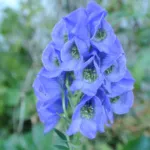 Azure Monkshood (Aconitum carmichaelii) care guideAconitum carmichaelii
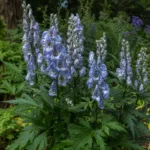 Monkshood (Aconitum ‘Stainless Steel’)Aconitum 'Stainless Steel'
 Monkshood (Aconitum ‘Bressingham Spire’)Aconitum 'Bressingham Spire'
 Golden full moon maple (Acer shirasawanum ‘Aureum’)Acer shirasawanum 'Aureum'
 Globosum (Acer platanoides ‘Globosum’)Acer platanoides 'Globosum'
 Striped maple (Acer pensylvanicum) care guideAcer pensylvanicum