
 Source:
Alocasia ‘Lutea’ short overview
Alocasia 'Lutea' is a dramatic tropical elephant ear valued for its glossy green leaves, bright yellow petioles and matching yellow veins. It forms an upright clump and can become a substantial specimen in warm, humid conditions. In the United States, grow it outdoors only where frost is rare, or use it as a container plant and bring it indoors before cold weather. Give it filtered light, rich moisture-retentive soil and steady warmth.
Taxonomic classification
Alocasia ‘Lutea’ care guide
Light and placement
Give bright filtered light indoors, such as near an east window or behind a sheer curtain at a south or west exposure. Outdoors, morning sun or bright partial shade is usually safer than intense afternoon sun. Too little light causes slow growth and weaker yellow coloration; harsh sun can scorch leaves, especially in dry conditions.
Watering and humidity
Water thoroughly when the surface begins to dry, then allow excess water to drain fully. Keep the mix evenly moist during active growth without leaving the container standing in water. Reduce frequency in cool or dim winter conditions, but do not allow the corm and roots to remain completely dry for extended periods. High humidity helps prevent leaf-edge browning.
Soil and growing medium
Use a rich, airy mix that holds moisture without remaining stagnant: quality potting soil amended with compost, fine bark, or another porous component works well. Slightly acidic to neutral conditions are suitable. Drainage matters in containers, but avoid letting the root zone become bone dry for long periods.
Feeding
Feed during spring and summer when the plant is actively producing leaves, using a balanced liquid fertilizer diluted to about half the label strength every 3–4 weeks. Water first if the mix is dry. Stop or greatly reduce feeding during cool, dark winter conditions and after repotting until roots recover.
Growth and habit
This cultivar develops an upright rosette of large leaves from a thick underground storage stem or corm-like base. In a long warm season it can produce offsets and become a substantial clump. Broad leaves tear easily in wind, so sheltered placement and careful handling improve appearance.
Planting and repotting
Plant outdoors after the danger of frost has passed, when soil and overnight temperatures are reliably warm. Set the root mass at its original depth and allow about 3–5 feet between large specimens, adjusting for the particular plant’s mature size. Water consistently during establishment and protect the broad leaves from strong wind.
Repot in spring or early summer when roots fill the container or growth slows. Move up only one pot size and keep the crown at its original level. Handle the roots carefully and water thoroughly after repotting, then maintain warmth and humidity while the plant re-establishes.
Propagation and pruning
Propagation
Propagate by separating offsets or dividing a mature clump during active growth. Each division should retain viable roots or a growing point. Keep divisions warm, lightly moist and humid until new growth resumes. Seed propagation is not a dependable method because this cultivar has been reported to produce little or no pollen.
Pruning
Remove yellowing, torn or diseased leaves by cutting the petiole cleanly near its base with sterilized tools. Do not remove healthy foliage merely to shape the plant. Wear gloves because cut surfaces and sap can irritate skin.
Overwintering
Bring containers indoors before nights regularly fall below about 60°F. Place the plant in bright filtered light, maintain warmth and humidity, and reduce watering as growth slows. In suitable frost-free climates, protect it from cold snaps with shelter and temporary covering; freezing temperatures can kill the foliage and damage the underground parts.
Uses
Use as a bold tropical foliage accent in containers, conservatories, patios and frost-free landscapes. It is also suitable as a large indoor specimen where light and humidity are adequate. Do not use it as food or medicine; Alocasia plants contain irritating calcium oxalate crystals unless a species and preparation method are specifically verified.
Appearance
The plant has large upright arrowhead to broadly heart-shaped leaves held on conspicuously yellow stalks. Yellow veins may intensify with stronger light, while young plants can appear greener. The open or naked sinus and stout upright habit are consistent with the giant-taro group, but cultivar size and leaf markings vary.
Flowering
Like other mature Alocasias, it can produce a hooded spathe-and-spadix inflorescence, usually from an established plant under warm growing conditions. Documentation for this cultivar indicates that inflorescences may produce little or no pollen, suggesting sterility or very limited fertility. Flowering is ornamental but not the primary feature.
Pollination and visitors
No reliable cultivar-specific record establishes regular animal pollinators or flower visitors. The reported lack of pollen from mature inflorescences further limits confidence about normal sexual reproduction in this selection.
Alocasia 'Lutea' photos
Click any photo for a larger view. Source, author and license are shown separately.
Diseases and pests
Diseases
Avoid chronically saturated, airless media, which can cause root or corm rot. Remove damaged tissue, improve drainage and reduce watering during cool, low-light periods. Good air circulation helps limit leaf-spot problems; water at the soil surface rather than repeatedly wetting foliage.
Pests
Watch for spider mites, mealybugs, scale and thrips, especially in dry indoor air. Inspect leaf undersides and petiole joints regularly. Isolate affected plants, wash foliage when appropriate and use a labeled horticultural oil or insecticidal soap according to directions, avoiding treatment in harsh sun.
Related diseases and pests
Only Plant Doctor profiles whose host data indicate this plant may be affected are shown here.
 DiseaseAlternaria leaf spot and fruit rotAlternaria alternata
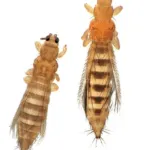 PestOnion thripsThrips tabaci Lindeman
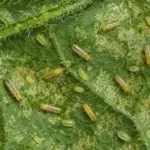 PestMelon thripsThrips palmi Karny
 PestChilli thripsScirtothrips dorsalis Hood
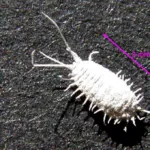 PestObscure mealybugPseudococcus viburni
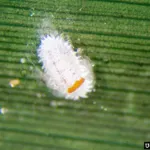 PestCitrus mealybugPlanococcus citri
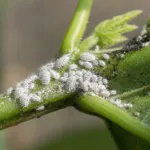 PestCotton mealybugPhenacoccus solenopsis Tinsley
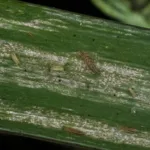 PestDracaena ThripsParthenothrips dracaenae
Toxicity and pollen
Alocasia tissue contains insoluble calcium oxalate crystals. Chewing or swallowing any part can cause immediate mouth irritation, pain, swelling, drooling, nausea or difficulty swallowing; sap may also irritate skin. Keep the plant away from children and pets, wear gloves when cutting it, and seek medical or veterinary advice after ingestion.
- Pollination / pollen
- Pollen production poorly documented; may be absent or very limited
This is a flowering aroid, but cultivar-specific information about airborne pollen exposure is sparse. Reported low or absent pollen production should not be treated as proof of zero allergy risk. The main practical concern is irritating plant sap and tissue, not airborne pollen.
Native habitat
The cultivar is associated in horticultural literature with tropical New Guinea material, while the broader Alocasia lineage is native to tropical and subtropical regions of the Old World. It prefers warm, humid conditions, fertile moisture-retentive soils and protection from prolonged cold.
Interesting fact
The cultivar is recognized for yellow petioles and veins rather than uniformly yellow leaves. Young plants may show less intense yellow coloration than larger specimens. Reports connect its US horticultural history with material introduced from Papua New Guinea. Mature plants may form offsets, allowing vegetative increase.
Frequently asked questions (FAQ)
The most relevant questions about this plant, with short and direct answers.
🌱Quick care
How do you care for Alocasia 'Lutea'?⌄
Grow Alocasia 'Lutea' in bright filtered light, warm temperatures, high humidity, and rich soil that stays evenly moist but drains well. Protect it from cold drafts, frost, and waterlogged soil.
Is Alocasia 'Lutea' an indoor or outdoor plant?⌄
Alocasia 'Lutea' can grow indoors year-round or outdoors during warm weather. In the United States, treat it as a frost-tender tropical and bring it inside before temperatures approach 60°F.
How much light does Alocasia 'Lutea' need?⌄
Provide bright filtered or indirect light for strong growth and good stem coloration. Gentle morning sun may be tolerated, but intense afternoon sun can scorch the leaves.
🌤️Environment and placement
What is the best location for Alocasia 'Lutea' indoors?⌄
Place it near an east- or bright north-facing window, or several feet from a stronger south- or west-facing window behind a sheer curtain. Avoid cold drafts, heating vents, and abrupt temperature changes.
What temperature is best for Alocasia 'Lutea'?⌄
Keep Alocasia 'Lutea' warm, ideally between 65 and 85°F. Protect it from temperatures below about 60°F, especially when moving it outdoors or indoors.
How much humidity does Alocasia 'Lutea' need?⌄
Alocasia 'Lutea' grows best with moderate to high humidity, preferably around 60% or higher. A room humidifier is generally more effective than occasional misting.
Can Alocasia 'Lutea' grow outside in the United States?⌄
It can grow outdoors year-round only in reliably frost-free areas, roughly USDA Zones 9–10 and warmer depending on local conditions. Elsewhere, grow it in a container and bring it indoors before cold weather.
Can Alocasia 'Lutea' tolerate direct sunlight?⌄
Alocasia 'Lutea' prefers bright filtered light rather than harsh direct sun. Gradually acclimated plants may tolerate gentle morning sun, but strong midday or afternoon exposure can burn the foliage.
💧Care and problems
How often should you water Alocasia 'Lutea'?⌄
Water when the upper portion of the potting mix has begun to dry, then soak the soil thoroughly and let excess water drain away. Do not follow a fixed schedule because watering frequency changes with light, temperature, humidity, and pot size.
Should Alocasia 'Lutea' soil stay wet?⌄
Keep the soil consistently and lightly moist, but never saturated or standing in water. Allowing the mix to become excessively dry can cause wilting and brown edges, while constant wetness encourages root rot.
Why are the leaves of my Alocasia 'Lutea' turning yellow?⌄
Yellow leaves commonly indicate overwatering, poor drainage, cold stress, or natural aging of older foliage. Check the roots and soil moisture before watering again, and reduce watering if the mix remains wet for several days.
Why are Alocasia 'Lutea' leaves drooping?⌄
Drooping may result from underwatering, root damage, cold temperatures, low humidity, or normal adjustment after moving the plant. Check soil moisture and roots, then provide warmth, filtered light, and stable conditions.
Why does Alocasia 'Lutea' have brown leaf tips?⌄
Brown tips are usually linked to dry soil, low humidity, salt buildup, or excessive fertilizer. Keep moisture more consistent, use well-draining soil, and occasionally flush the pot with clean water.
Why is my Alocasia 'Lutea' losing leaves?⌄
Leaf loss can follow cold exposure, a change in location, prolonged dryness, overwatering, or seasonal dormancy. If the corm and roots remain firm, improve warmth and moisture management and wait for healthy new growth.
How often should you fertilize Alocasia 'Lutea'?⌄
Fertilize every 2–4 weeks during active spring and summer growth with a balanced liquid fertilizer diluted to half strength. Reduce or stop feeding during winter dormancy or whenever growth has slowed substantially.
What pests attack Alocasia 'Lutea'?⌄
Spider mites, mealybugs, scale, thrips, and fungus gnats may affect Alocasia 'Lutea', especially when plants are stressed or air is very dry. Inspect leaf undersides and treat early with a suitable houseplant pest control product.
🪴Planting and repotting
What soil is best for Alocasia 'Lutea'?⌄
Use a rich, airy, moisture-retentive mix that drains quickly, such as quality potting soil combined with perlite and orchid bark or another coarse aeration material. The container must have a drainage hole.
When should you repot Alocasia 'Lutea'?⌄
Repot in spring or early summer when the plant is actively growing, especially if roots circle the pot or water runs through unusually quickly. Move it only one pot size larger to avoid excess wet soil.
How deep should Alocasia 'Lutea' be planted?⌄
Plant Alocasia 'Lutea' at the same depth it was growing previously, with the corm or stem base at or just above the soil surface. Planting too deeply increases the risk of rot.
Can Alocasia 'Lutea' be grown in a container outdoors?⌄
Yes, it performs well in a container outdoors during warm weather when given filtered light, consistent moisture, and rich well-drained soil. Bring the container indoors before temperatures fall near 60°F.
✂️Propagation and pruning
How do you propagate Alocasia 'Lutea'?⌄
Propagate Alocasia 'Lutea' primarily by separating offsets or growing corms from a mature plant. Seed propagation is uncommon, and this cultivar is reported to be likely sterile, so it may not reliably produce viable seed.
Can you propagate Alocasia 'Lutea' from a leaf cutting?⌄
No, a leaf or petiole alone generally cannot produce a new Alocasia 'Lutea' plant because new growth must include a viable corm, rhizome section, or offset. Rooted divisions are more dependable.
When is the best time to divide Alocasia 'Lutea'?⌄
Divide Alocasia 'Lutea' in spring or early summer when warm conditions support rapid root growth. Separate only offsets or sections that have their own roots or a viable growth point.
Should you cut off damaged Alocasia 'Lutea' leaves?⌄
Remove fully yellow, dead, or badly damaged leaves with clean shears, cutting the petiole near its base without injuring the corm. Partially green leaves should usually remain because they still contribute energy to the plant.
⚠️Toxicity and safety
Is Alocasia 'Lutea' toxic to cats and dogs?⌄
Yes, Alocasia 'Lutea' should be considered toxic to cats and dogs because Alocasia plants contain insoluble calcium oxalates. Chewing or swallowing it can cause mouth irritation, drooling, vomiting, and difficulty swallowing.
Is Alocasia 'Lutea' poisonous to people?⌄
Yes, ingestion can cause painful irritation and swelling of the mouth, tongue, and throat. Keep every part of the plant away from children, and seek medical or poison-control guidance after ingestion.
Can Alocasia 'Lutea' sap irritate skin?⌄
Yes, the sap may irritate skin and should not contact the eyes or mouth. Wear gloves when pruning or dividing the plant, then wash your hands and tools afterward.
🌸Flowering and special interest
Does Alocasia 'Lutea' flower?⌄
Alocasia 'Lutea' can produce the small, hooded inflorescences typical of aroids, although it is grown mainly for its foliage and flowering is uncommon indoors. The flowers may be partly hidden among the leaves.
What do Alocasia 'Lutea' flowers look like?⌄
The flowers consist of a spathe surrounding a spadix rather than showy petals. In this cultivar, the inflorescence may show pale yellow coloration, but flower appearance varies with plant maturity and growing conditions.
Is Alocasia 'Lutea' likely to produce viable seeds?⌄
Viable seed production is uncertain and may be unlikely because this cultivar has been reported as probably sterile. Propagation by offsets or corms is the more practical method.
Similar plants
 Foxtail Palm (Wodyetia bifurcata) care guideWodyetia bifurcata
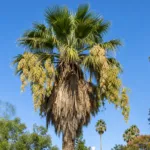 He Mexican fan palm (Washingtonia robusta) care guideWashingtonia robusta
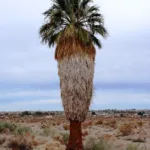 He California fan palm (Washingtonia filifera) care guideWashingtonia filifera
 Veitchia arecina care guideVeitchia arecina
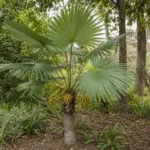 Trachycarpus latisectus care guideTrachycarpus latisectus
 He Chusan palm (Trachycarpus fortunei) care guideTrachycarpus fortunei