
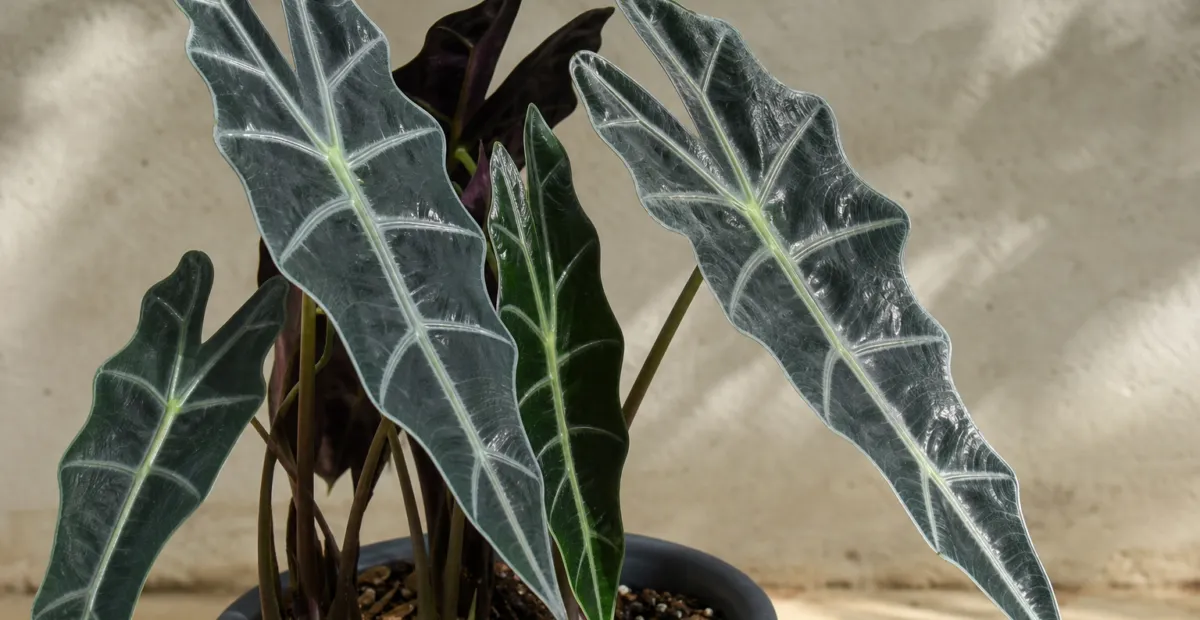
 AI-generated illustration
Alocasia ‘Longiloba Black Satun’ short overview
Alocasia 'Longiloba Black Satun' is a collector elephant ear valued for its dramatic, elongated leaves, near-black coloration, and luminous pale veins. This tropical aroid is best grown as a houseplant or sheltered container specimen in bright filtered light, warm temperatures, high humidity, and a loose medium that stays lightly moist without becoming waterlogged. It is not frost tolerant, and all parts contain irritating calcium oxalate crystals if chewed.
Taxonomic classification
Alocasia ‘Longiloba Black Satun’ care guide
Light and placement
Give bright filtered light, such as an east window, a bright north window, or a spot several feet back from a south or west window behind a sheer curtain. Gentle morning sun can be tolerated after acclimation, but hot direct afternoon sun may scorch or bleach the dark blades. Too little light causes stretched petioles, smaller leaves and slower growth; excessive light causes faded color, crispy patches and curling.
Watering and humidity
Water thoroughly when the upper 1 inch of mix feels slightly dry, allowing excess to drain fully. Keep the root zone evenly moist during warm active growth, but never leave the pot standing in water. Reduce frequency in winter or during dormancy while preventing the corm and roots from becoming bone dry. High humidity helps limit crispy margins, but airflow remains essential.
Soil and growing medium
Use a chunky, airy, humus-rich mix that drains quickly but does not dry immediately. A practical blend combines quality potting mix with orchid bark and perlite or pumice. Slightly acidic conditions are suitable. Avoid dense garden soil and containers without drainage, because saturated media can cause root or corm rot.
Feeding
Feed only during active growth, typically spring through early fall, with a balanced liquid houseplant fertilizer diluted to one-half the label rate every 2–4 weeks. Water the plant first if the mix is dry. Pause feeding during dormancy, after repotting, or when growth slows in cool, dim winter conditions to reduce salt injury.
Growth and habit
This selection forms an upright clump from a short rhizomatous stem, with leaves emerging successively from the crown. Growth is strongest with warmth, bright filtered light and steady moisture. Older leaves may yellow as new leaves develop; remove them only after they have substantially declined so the plant can reclaim nutrients.
Planting and repotting
Plant outdoors only after nights remain consistently above 60°F, placing the container in sheltered filtered light. Set the root ball at its original depth and leave the crown uncovered. Allow room for the upright clump to broaden, but exact cultivar spacing is not documented; container culture is usually preferable in the United States.
Repot in spring or early summer only when roots or offsets fill the container. Move up one pot size, keep the rhizome or corm at the same depth, and avoid burying the crown. Handle roots gently and provide warmth after repotting while the plant re-establishes.
Propagation and pruning
Propagation
Propagate by separating offsets or dividing a mature rhizomatous plant when active growth resumes. Small corms may also be raised under warm, humid conditions, but establishment is slower and identity is less certain until juvenile plants mature. Use clean tools and keep fresh divisions warm with lightly moist, airy media.
Pruning
Pruning is limited to removing yellow, damaged or diseased leaves. Cut the petiole cleanly at its base with sterilized shears and wear gloves because sap can irritate skin. Do not routinely cut healthy leaves to control size; improve light and rotate the container instead.
Overwintering
Bring containers indoors before temperatures approach 60°F, and certainly before frost. Place the plant in bright filtered light, maintain warmth and humidity, and reduce watering as growth slows. Do not store a leafy plant in a cold garage. If dormancy occurs, keep the rhizome or corm barely moist and inspect periodically for rot.
Uses
Primarily an ornamental foliage plant for indoor collections, conservatories, shaded patios and warm-climate container displays. Its sculptural leaves make it a strong accent specimen. It is not recommended as a food plant because this exact cultivar has no verified culinary preparation record and raw Alocasia tissue is irritating.
Appearance
The selection is recognized in cultivation for narrow, elongated sagittate to wing-shaped leaves with deep basal lobes, dark charcoal-green to near-black blades and conspicuous pale primary veins. Petioles are upright and substantial, while the lower leaf surface may show purple coloration. Juvenile plants can be less intensely colored than mature specimens, so identification from young leaves alone is uncertain.
Flowering
Alocasia produces a typical aroid inflorescence consisting of a hooded spathe surrounding a spadix of tiny flowers. Flowering is secondary to the foliage and is not reliably documented for this named cultivar. Mature plants may flower under warm, bright, well-established conditions, but no dependable United States flowering calendar is available.
Pollination and visitors
No reliable cultivar-specific pollinator or visitor record was located. The species produces small flowers enclosed within a spathe, but animal visitation for this named selection is undocumented.
Diseases and pests
Diseases
Root or corm rot is the main risk when the medium stays saturated, especially in cool conditions. Leaf spots may appear after prolonged wet foliage or poor air circulation. Remove badly damaged tissue with sterilized tools, improve drainage and airflow, and avoid overhead watering. Persistent decline should prompt inspection of roots for rot.
Pests
Spider mites are favored by hot, dry indoor air; also watch for aphids, mealybugs, thrips and scale. Inspect leaf undersides and petiole bases regularly, isolate affected plants, rinse foliage when appropriate, and use insecticidal soap or horticultural oil according to the label. Avoid treating drought-stressed plants and correct low humidity or poor airflow.
Related diseases and pests
Only Plant Doctor profiles whose host data indicate this plant may be affected are shown here.
 PestMealy Plum AphidHyalopterus pruni (Geoffroy, 1762)
 DiseaseAlternaria leaf spot and fruit rotAlternaria alternata
 PestOnion thripsThrips tabaci Lindeman
 PestMelon thripsThrips palmi Karny
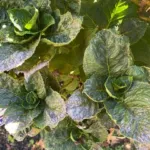 PestChilli thripsScirtothrips dorsalis Hood
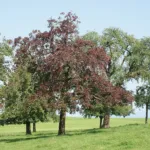 DiseasePear Decline‘Candidatus Phytoplasma pyri’
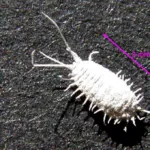 PestObscure mealybugPseudococcus viburni
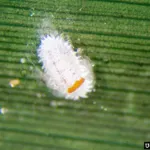 PestCitrus mealybugPlanococcus citri
Toxicity and pollen
Alocasia tissues contain insoluble calcium oxalate crystals that can cause immediate painful irritation, swelling, drooling, vomiting, and difficulty swallowing when chewed or swallowed. Sap may irritate skin and eyes. Keep away from children and pets, wear gloves when cutting or repotting, and wash hands after handling.
- Pollination / pollen
- Limited-release pollen within an aroid inflorescence
This is a flowering aroid, so pollen is produced when an inflorescence is fertile, but meaningful airborne pollen exposure from cultivated indoor specimens is not documented. The concealed spadix and limited, occasional flowering suggest low practical airborne relevance, though this should not be treated as proof of zero allergy risk.
Native habitat
The parent species occurs in wet tropical forest, thickets and other humid Southeast Asian settings from southern China through western and central Malesia. It favors warm, moisture-retentive but aerated environments, often with rich organic matter and protection from harsh sun, drying wind and cold.
Interesting fact
The cultivar name is associated with Satun in southern Thailand, although formal origin documentation is limited.
The longiloba species has a rhizomatous stem and can be seasonally dormant.
Aroid flowers are arranged on a spadix rather than in a showy petal display.
Longiloba leaves may show purple flushing on the lower surface.
Frequently asked questions (FAQ)
The most relevant questions about this plant, with short and direct answers.
🌱Quick care
What is Alocasia 'Longiloba Black Satun'?⌄
Alocasia 'Longiloba Black Satun' is a collector selection in the Alocasia longiloba group, valued for elongated, dark, wing-shaped leaves and contrasting pale veins. It is commonly associated with Satun Province in southern Thailand, although trade naming can be inconsistent.
How much light does Alocasia 'Longiloba Black Satun' need?⌄
Give it bright filtered or indirect light for strong growth and good leaf color. Avoid harsh midday or afternoon sun, which can scorch the foliage.
How often should I water Alocasia 'Longiloba Black Satun'?⌄
Water when the upper portion of the mix begins to dry, keeping the root zone evenly moist but never waterlogged. Reduce watering during slower winter growth, while avoiding prolonged complete dryness.
What temperature is best for Alocasia 'Longiloba Black Satun'?⌄
Keep it warm and stable, ideally above 60°F. Protect the plant from frost, cold drafts, and sudden temperature drops because it is frost tender.
Does Alocasia 'Longiloba Black Satun' need high humidity?⌄
It grows best with moderately high humidity, especially indoors during dry winter conditions. Good airflow is still necessary because stagnant, constantly wet conditions can encourage fungal and bacterial problems.
🌤️Environment and placement
Where should I place Alocasia 'Longiloba Black Satun' indoors?⌄
Place it near a bright east- or west-facing window, or several feet from a bright south-facing window with filtered light. Keep it away from heating vents, air-conditioning drafts, and cold glass.
Can Alocasia 'Longiloba Black Satun' grow outdoors in the United States?⌄
It can grow outdoors in warm, frost-free parts of the United States, provided it receives filtered light and protection from cold. In cooler areas, grow it in a container and bring it indoors before temperatures approach 60°F.
Is Alocasia 'Longiloba Black Satun' suitable for a terrarium?⌄
A juvenile plant can work in a spacious, ventilated terrarium or greenhouse cabinet if light is bright and the substrate drains well. It may eventually outgrow a small terrarium because mature plants develop long petioles and broad, architectural leaves.
Can Alocasia 'Longiloba Black Satun' tolerate direct sunlight?⌄
It may tolerate gentle early-morning sun after gradual acclimation, but bright filtered light is safer. Strong direct sun can bleach, scorch, or brown the leaves.
How large does Alocasia 'Longiloba Black Satun' get?⌄
A mature specimen can become a substantial container plant, commonly reaching roughly 2 to 3 feet tall under good conditions. Size varies with the plant’s age, genetics, container, light, and growing environment.
💧Care and problems
What potting mix is best for Alocasia 'Longiloba Black Satun'?⌄
Use a chunky, humus-rich, well-drained mix that retains some moisture while allowing air around the roots. A blend containing quality potting mix, orchid bark, and perlite or another coarse aeration material is suitable.
Why are the leaves of my Alocasia 'Longiloba Black Satun' turning yellow?⌄
Yellow leaves most often indicate overwatering, poor drainage, root stress, insufficient light, or normal replacement of an older leaf. Check the roots and substrate before increasing watering or fertilizing.
Why is my Alocasia 'Longiloba Black Satun' drooping?⌄
Drooping usually means the plant is thirsty, cold-stressed, overwatered, or experiencing root damage. Check substrate moisture and root condition rather than watering automatically.
Why is my Alocasia 'Longiloba Black Satun' losing leaves?⌄
Some leaf turnover is normal, particularly after shipping, repotting, seasonal change, or a shift in light and humidity. Persistent or rapid leaf loss usually indicates cold, root stress, pests, insufficient light, or inconsistent watering.
How should I fertilize Alocasia 'Longiloba Black Satun'?⌄
Feed during active growth with a balanced houseplant fertilizer diluted according to its label, usually every few weeks. Do not fertilize dry soil or a cold, dormant, recently stressed, or unhealthy plant.
What pests commonly attack Alocasia 'Longiloba Black Satun'?⌄
Spider mites, thrips, mealybugs, scale, and fungus gnat larvae can affect it. Inspect leaf undersides, petioles, and the soil surface regularly, especially after bringing a plant indoors or receiving a shipment.
Why are the new leaves of Alocasia 'Longiloba Black Satun' small?⌄
Small new leaves commonly result from insufficient light, low humidity, inadequate nutrition, root restriction, or recovery from stress. Stable warmth, bright filtered light, healthy roots, and consistent moisture support larger growth.
🪴Planting and repotting
When should I repot Alocasia 'Longiloba Black Satun'?⌄
Repot when roots fill the container, drainage slows, or the plant dries unusually quickly, preferably during active growth. Move it only one pot size larger to reduce the risk of waterlogged soil.
Does Alocasia 'Longiloba Black Satun' like to be root-bound?⌄
It can tolerate being somewhat snug in its pot, but severe crowding can restrict growth and make watering difficult. Repot when roots are densely circling or emerging from drainage holes.
Can Alocasia 'Longiloba Black Satun' be grown in LECA or semi-hydroponics?⌄
It can adapt to LECA or another semi-hydroponic system if the transition is gradual and the plant has healthy roots. Monitor for rot, maintain appropriate nutrient strength, and do not keep damaged roots continuously submerged.
How deep should I plant an Alocasia 'Longiloba Black Satun' corm?⌄
Plant the corm shallowly, with the upper portion near or slightly above the substrate surface. Deep planting keeps the corm too wet and can delay growth or promote rot.
✂️Propagation and pruning
How do you propagate Alocasia 'Longiloba Black Satun'?⌄
The most practical methods are separating offsets or growing corms once the plant has produced them. Division should be done only when each section has viable roots or a growing point, and corms need warmth, moisture, oxygen, and bright indirect light.
Can Alocasia 'Longiloba Black Satun' be propagated from a leaf cutting?⌄
A leaf alone cannot normally produce a new Alocasia plant because propagation requires a viable corm, rhizome section, or growing point. A leaf with a petiole but no attached stem tissue will generally root without creating a new plant.
Should I remove damaged leaves from Alocasia 'Longiloba Black Satun'?⌄
Remove a leaf when it is mostly yellow, badly damaged, diseased, or no longer contributing much energy. Use sterilized pruners and leave the healthy petiole base undisturbed until it has naturally softened.
Can I cut off an Alocasia 'Longiloba Black Satun' leaf to encourage new growth?⌄
You can remove an individual leaf, but pruning does not automatically make the plant produce more leaves. Correct light, warmth, moisture, nutrition, and healthy roots are more important for new growth.
⚠️Toxicity and safety
Is Alocasia 'Longiloba Black Satun' toxic to cats and dogs?⌄
Yes, it should be considered toxic if eaten because Alocasia contains irritating calcium oxalate crystals. Keep it away from pets and children, and contact a veterinarian or poison-control service if ingestion occurs.
Is Alocasia 'Longiloba Black Satun' poisonous to people?⌄
It is moderately toxic if eaten and its sap can irritate the mouth, skin, and eyes. Wear gloves when handling damaged tissue, wash exposed skin, and seek medical guidance after ingestion or significant irritation.
Can I touch Alocasia 'Longiloba Black Satun' safely?⌄
Routine handling is generally safe, but the sap may irritate sensitive skin and eyes. Avoid touching your face while pruning and wash your hands after handling the plant.
🌸Flowering and special interest
Does Alocasia 'Longiloba Black Satun' flower indoors?⌄
It can flower when mature and growing strongly, although indoor flowering is not guaranteed and may be infrequent. Flowers are typical aroid spathes and are usually less ornamental than the foliage.
Should I cut off the flower of Alocasia 'Longiloba Black Satun'?⌄
You may remove the inflorescence if the plant is small, stressed, or you prefer to direct energy toward foliage. Otherwise, leave it in place until it fades, then cut the spent structure with clean tools.
Similar plants
 Foxtail Palm (Wodyetia bifurcata) care guideWodyetia bifurcata
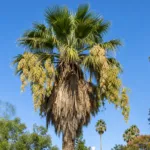 He Mexican fan palm (Washingtonia robusta) care guideWashingtonia robusta
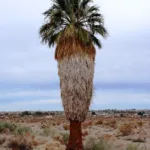 He California fan palm (Washingtonia filifera) care guideWashingtonia filifera
 Veitchia arecina care guideVeitchia arecina
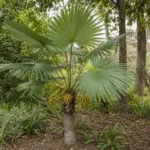 Trachycarpus latisectus care guideTrachycarpus latisectus
 He Chusan palm (Trachycarpus fortunei) care guideTrachycarpus fortunei