
 Source:
Alocasia ‘Jacklyn’ short overview
Alocasia 'Jacklyn' is a striking tropical elephant ear grown for its deeply divided, antler-like leaves, fine surface texture, dark veining, and brown-purple striped petioles. This tender perennial performs best as a houseplant or warm-season container specimen in bright filtered light, airy moisture-retentive soil, high humidity, and steady warmth. Water carefully: the mix should stay lightly moist but never waterlogged, since cold or saturated roots can quickly rot.
Taxonomic classification
Alocasia ‘Jacklyn’ care guide
Light and placement
Provide bright filtered or indirect light, such as an east window or a bright window softened by a sheer curtain. A few hours of gentle morning sun may be tolerated, but hot direct afternoon sun can bleach or scorch the leaves. Too little light produces slower growth and smaller, less divided leaves; too much light causes pale patches, crisp margins, or sunburn.
Watering and humidity
Water thoroughly when the top 1–2 inches of mix feel partly dry, allowing excess water to drain completely. Keep the root zone lightly and evenly moist during active growth, but never leave the pot standing in water. Water less often in cool, dim winter conditions. High humidity helps leaf quality, but stagnant air and constantly wet foliage increase disease risk.
Soil and growing medium
Use a loose, chunky mix that drains quickly while retaining moderate moisture, such as quality indoor potting soil amended with orchid bark and perlite or pumice. A slightly acidic to neutral reaction is suitable. Avoid dense, compacted soil and pots without drainage, because stagnant moisture around the corm or rhizome promotes root loss.
Feeding
Feed during active growth in spring and summer with a complete liquid houseplant fertilizer diluted to about half the label rate every 3–4 weeks. Water the plant first if the mix is dry. Reduce or stop feeding during cold, dim winter conditions and after repotting until new growth resumes.
Growth and habit
This is an upright, clumping tropical geophyte that produces successive leaves from a central underground storage structure. Growth is strongest with warmth, bright filtered light, steady moisture, and regular feeding. Cold stress, shipping, repotting, or dry air may temporarily slow growth or cause partial dormancy; avoid responding by keeping the soil constantly wet.
Planting and repotting
Plant outdoors only after nights remain consistently warm and frost danger has passed. Set the root mass at its original depth, leaving the crown and petiole bases above the soil line. Allow enough room for the upright clump to expand, and establish it gradually in filtered shade before exposing it to brighter outdoor conditions.
Repot in spring or early summer when roots fill the container or the mix breaks down. Move up only one pot size and disturb the root system as little as possible. Use a container with drainage holes and refresh the airy mix rather than burying the crown deeply.
Propagation and pruning
Propagation
Propagate by separating offsets or division when the plant is actively growing and has established roots. Remove the plant from its container, separate naturally joined offsets with a sterile blade if necessary, and pot each division into a small, free-draining container. Leaf cuttings do not reliably produce new plants.
Pruning
Pruning is limited to removing yellow, damaged, or fully collapsed leaves. Use clean, sharp scissors and cut the petiole near its base without injuring the crown. Do not remove healthy leaves merely because an older leaf has yellowed naturally.
Overwintering
Bring containers indoors before temperatures approach 60°F, and protect the plant from drafts and cold windows. Place it in bright filtered light, reduce watering as growth slows, and avoid fertilizer during a cool or dim period. Some plants may pause or shed leaves after environmental changes; keep the underground storage structure warm and only lightly moist rather than treating it as dead.
Uses
Used primarily as a foliage houseplant, conservatory specimen, or warm-season shaded container accent. It can be moved outdoors for summer in frost-free conditions, provided it is protected from harsh afternoon sun and wind. It is not recommended as an edible plant because Alocasia tissues are toxic when raw.
Appearance
The signature feature is the mature leaf blade, which becomes deeply divided into irregular, antler-like lobes. Leaves are green, textured, and finely hairy, with impressed dark veins that emphasize the divisions. Petioles are upright and may show brown-purple coloration with darker speckling. Young plants can have simpler leaves before developing the characteristic mature form.
Flowering
Mature Alocasia plants can produce an aroid inflorescence consisting of a pale spathe surrounding a spadix of tiny, sexually separated flowers. Blooms are generally secondary to the foliage and are uncommon or irregular in ordinary indoor culture. Reliable cultivar-specific flowering timing and floral color data are limited.
Pollination and visitors
No reliable cultivar-specific documentation was found identifying a principal animal pollinator or visitor for Alocasia 'Jacklyn'. The genus produces specialized aroid inflorescences, but a visitor group should not be assigned without evidence for this exact plant.
Alocasia 'Jacklyn' photos
Click any photo for a larger view. Source, author and license are shown separately.
Diseases and pests
Diseases
Prevent disease by using a draining mix, watering the root zone rather than the crown, and providing airflow. Root or corm rot is associated with cold, saturated soil. Remove collapsing tissue and repot into fresh, airy mix if rot is detected. Leaf spots can worsen with wet foliage, poor airflow, or stressed roots.
Pests
Inspect regularly for spider mites, thrips, aphids, and mealybugs, especially during dry indoor periods. Isolate affected plants, wash foliage gently, and treat persistent infestations with a labeled insecticidal soap or horticultural oil according to the product directions. Avoid spraying stressed plants in hot sun.
Related diseases and pests
Only Plant Doctor profiles whose host data indicate this plant may be affected are shown here.
 DiseasePhytophthora cactorum crown, collar, root and fruit rotPhytophthora cactorum
 Environmental stressPoor drainage stress (waterlogging)
 PestMealy Plum AphidHyalopterus pruni (Geoffroy, 1762)
 DiseaseAlternaria leaf spot and fruit rotAlternaria alternata
 DiseasePhytophthora root and crown rotPhytophthora nicotianae
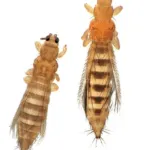 PestOnion thripsThrips tabaci Lindeman
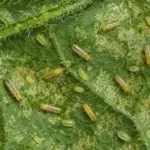 PestMelon thripsThrips palmi Karny
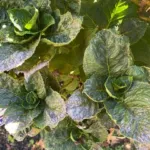 PestChilli thripsScirtothrips dorsalis Hood
Toxicity and pollen
Alocasia tissues contain insoluble calcium oxalate crystals. Chewing or swallowing can cause immediate irritation and swelling of the mouth, lips, tongue, and throat; sap may also irritate skin and eyes. Keep the plant away from children and pets, wear gloves when cutting damaged tissue, and seek professional poison or medical advice after exposure.
- Pollination / pollen
- Not established for this exact cultivar
Reliable data on airborne pollen exposure from this exact cultivar are unavailable. Its flowers are uncommon indoors, and the plant is primarily valued for foliage. Do not treat limited pollen information as proof of allergy safety; avoid contact with sap and flowering structures if sensitive.
Native habitat
The species associated with this trade name is native to Sulawesi, Indonesia, where Alocasia species occur in humid tropical forest environments. These plants are terrestrial or geophytic understory herbs associated with organic, moisture-retentive but well-aerated forest substrates and protection from intense overhead sun.
Interesting fact
The deeply divided mature leaves give the plant its antler-like appearance. The species associated with the trade name is native to Sulawesi and belongs to the aroid family. Alocasia inflorescences contain tiny flowers arranged on a spadix rather than showy petals. Juvenile leaves may be less deeply divided than mature foliage.
Frequently asked questions (FAQ)
The most relevant questions about this plant, with short and direct answers.
🌱Quick care
How do you care for Alocasia 'Jacklyn'?⌄
Give Alocasia 'Jacklyn' bright filtered light, warm temperatures, moderate even moisture, and an airy, well-drained potting mix. Let the surface dry slightly between thorough waterings, but do not allow the root zone to remain soggy.
Is Alocasia 'Jacklyn' easy to grow indoors?⌄
Alocasia 'Jacklyn' can grow well indoors, but it is sensitive to overwatering, low humidity, temperature swings, and poor light. Stable warmth, bright filtered light, and fast-draining soil make care more reliable.
🌤️Environment and placement
How much light does Alocasia 'Jacklyn' need?⌄
Place Alocasia 'Jacklyn' in bright filtered or indirect light. Protect it from intense midday sun, which can scorch the narrow leaf sections, while avoiding dim corners that cause slow growth and smaller leaves.
Can Alocasia 'Jacklyn' tolerate direct sunlight?⌄
It can tolerate some gentle early-morning or late-afternoon sun, but strong direct sunlight may scorch or bleach its leaves. Use a sheer curtain or move it farther from a hot south- or west-facing window.
What temperature is best for Alocasia 'Jacklyn'?⌄
Keep Alocasia 'Jacklyn' warm, preferably around 65–85°F. Protect it from cold drafts, sudden temperature drops, and temperatures near or below 55°F, which can trigger stress or dormancy.
Does Alocasia 'Jacklyn' need high humidity?⌄
Alocasia 'Jacklyn' grows best in moderately to highly humid air, especially while producing new leaves. A humidifier is more dependable than misting, which does not substantially raise humidity for long.
Can Alocasia 'Jacklyn' grow under a grow light?⌄
Yes, Alocasia 'Jacklyn' can grow under a bright full-spectrum LED grow light. Keep the light close enough to support compact growth without heating the leaves, and provide a consistent daily schedule.
💧Care and problems
How often should you water Alocasia 'Jacklyn'?⌄
Water when the upper 1–2 inches of mix feel slightly dry rather than following a fixed calendar. Water thoroughly until excess drains from the pot, then empty the saucer and reduce frequency during cool, darker periods.
Should Alocasia 'Jacklyn' dry out completely between waterings?⌄
No, avoid letting Alocasia 'Jacklyn' become completely bone-dry for extended periods. Allow slight surface drying, then water before the entire root ball dries, particularly during active growth.
Why are the leaves on my Alocasia 'Jacklyn' drooping?⌄
Drooping usually indicates underwatering, overwatering, low humidity, cold stress, or recent environmental change. Check the soil and roots first: dry mix suggests thirst, while persistently wet mix or a soft base suggests possible root problems.
Why are Alocasia 'Jacklyn' leaves turning yellow?⌄
Yellow leaves are commonly caused by excessive moisture, poor drainage, low light, or normal aging of an older leaf. If several leaves yellow while the soil stays wet, inspect the roots for rot and improve drainage.
Why are the leaves on my Alocasia 'Jacklyn' turning brown?⌄
Brown edges can result from dry air, underwatering, inconsistent moisture, strong sun, or mineral buildup from water or fertilizer. Keep moisture more even, filter harsh light, and occasionally flush the pot with clean water.
Why is my Alocasia 'Jacklyn' losing leaves?⌄
Leaf loss can follow overwatering, root rot, low light, cold temperatures, relocation, pest damage, or seasonal dormancy. If the corm and roots remain firm, correct the growing conditions and allow time for recovery.
Why is my Alocasia 'Jacklyn' not growing?⌄
Slow or stalled growth is often caused by insufficient light, cool temperatures, compact wet soil, low humidity, or dormancy. Improve light and warmth first, then check that the potting mix drains and the roots are healthy.
What pests commonly affect Alocasia 'Jacklyn'?⌄
Spider mites, thrips, scale, and mealybugs can affect Alocasia 'Jacklyn', especially when indoor air is dry. Inspect leaf undersides and new growth regularly, isolate affected plants, and treat promptly with an appropriate houseplant product.
How often should you fertilize Alocasia 'Jacklyn'?⌄
Feed Alocasia 'Jacklyn' with a balanced, diluted houseplant fertilizer about every 4–6 weeks during active spring and summer growth. Avoid heavy feeding when the plant is dormant, stressed, or growing in very low light.
Can Alocasia 'Jacklyn' go dormant in winter?⌄
Yes, Alocasia 'Jacklyn' may slow down or enter dormancy during winter, particularly when light and temperatures fall. Reduce watering as growth declines, but do not keep the dormant corm in cold, saturated soil.
🪴Planting and repotting
What soil is best for Alocasia 'Jacklyn'?⌄
Use an airy, well-drained, humus-rich aroid mix that retains some moisture without staying wet. A quality potting mix amended with orchid bark and perlite or pumice provides useful drainage and root aeration.
What type of pot is best for Alocasia 'Jacklyn'?⌄
Choose a pot with drainage holes that is only slightly larger than the root ball. A modestly sized pot reduces the risk of wet soil remaining around the roots for too long.
When should you repot Alocasia 'Jacklyn'?⌄
Repot Alocasia 'Jacklyn' when roots circle the pot, emerge from drainage holes, or the mix has broken down and stays wet. Spring or the beginning of active growth is generally the least stressful time.
Should Alocasia 'Jacklyn' be planted deeply?⌄
No, plant Alocasia 'Jacklyn' at approximately its original depth, keeping the corm or rhizome near the soil surface rather than burying the crown deeply. Deep planting increases the chance of rot.
Can Alocasia 'Jacklyn' grow in semi-hydroponics?⌄
Alocasia 'Jacklyn' can adapt to semi-hydroponic systems, but the transition requires careful acclimation and monitoring. Keep the corm and crown above continuously wet media and watch for root or corm rot.
✂️Propagation and pruning
How do you propagate Alocasia 'Jacklyn'?⌄
The most practical methods are separating offsets during repotting or growing mature corms. Each division needs a viable growing point and roots when possible, while corms require warmth, moisture, airflow, and patience.
Can you propagate Alocasia 'Jacklyn' from a leaf cutting?⌄
No, a leaf or petiole cutting alone will not normally produce a new Alocasia 'Jacklyn'. Propagation requires a corm, rhizome section, or offset containing a viable growth point.
How long do Alocasia 'Jacklyn' corms take to sprout?⌄
Corm sprouting time varies widely and may take several weeks or longer. Warmth, consistent moisture, bright filtered light, and high humidity improve the chances, but dormant or weak corms may take much longer.
Can you divide Alocasia 'Jacklyn' when repotting?⌄
Yes, divide Alocasia 'Jacklyn' only when offsets or separable rhizome sections are clearly present. Use clean tools, keep a growth point with each division, and pot the pieces in a small, airy mix.
How should you prune Alocasia 'Jacklyn'?⌄
Remove only fully yellow, damaged, or diseased leaves by cutting the petiole near its base with a clean tool. Do not remove healthy leaves simply to shape the plant, because each leaf supports future growth.
⚠️Toxicity and safety
Is Alocasia 'Jacklyn' toxic to cats and dogs?⌄
Yes, Alocasia 'Jacklyn' is toxic if ingested by cats, dogs, and people because it contains irritating calcium oxalate compounds. Chewing may cause mouth pain, drooling, vomiting, or swelling, so keep it away from pets and children.
Can Alocasia 'Jacklyn' sap irritate skin?⌄
Yes, sap from Alocasia 'Jacklyn' may irritate skin and eyes. Wear gloves when pruning or repotting, avoid touching your face, and rinse exposed skin or eyes promptly with clean water.
What should you do if a pet eats Alocasia 'Jacklyn'?⌄
Remove plant material from the mouth if it can be done safely and contact a veterinarian or pet poison service promptly. Seek urgent care for marked swelling, breathing difficulty, repeated vomiting, or trouble swallowing.
🌸Flowering and special interest
Does Alocasia 'Jacklyn' flower indoors?⌄
Alocasia 'Jacklyn' can flower indoors, but blooming is uncommon and unpredictable. A mature, well-established plant may produce a typical aroid spathe and spadix when warmth, bright filtered light, moisture, and humidity are consistently favorable.
Similar plants
 Foxtail Palm (Wodyetia bifurcata) care guideWodyetia bifurcata
 He Mexican fan palm (Washingtonia robusta) care guideWashingtonia robusta
 He California fan palm (Washingtonia filifera) care guideWashingtonia filifera
 Veitchia arecina care guideVeitchia arecina
 Trachycarpus latisectus care guideTrachycarpus latisectus
 He Chusan palm (Trachycarpus fortunei) care guideTrachycarpus fortunei