
 AI-generated illustration
Alocasia ‘Hilo Beauty’ short overview
Alocasia 'Hilo Beauty' is a tropical elephant ear prized for heart-shaped leaves marked with irregular camouflage-like patches in dark green, pale green, and chartreuse. It performs best in warm, humid conditions with bright filtered light, evenly moist but well-drained soil, and protection from cold. Although widely sold under an Alocasia name, botanical research links this plant to Caladium praetermissum, making the trade identity especially useful for accurate searching and cultivation.
Taxonomic classification
Alocasia ‘Hilo Beauty’ care guide
Light and placement
Provide bright filtered light or gentle part shade. Indoors, an east- or north-facing window works well, while a south- or west-facing exposure should be softened with a sheer curtain or distance from the glass. Too much direct sun can bleach or scorch the patterned leaves; too little light causes weak, stretched growth and reduced color contrast. Rotate the container for even growth.
Watering and humidity
Water thoroughly when the upper 1–2 inches of mix begin to dry, then allow excess water to drain completely. Keep the root zone evenly moist during warm active growth, but never leave the pot standing in water. Water less often in cool or dim winter conditions. Humidity supports better foliage, but airflow is essential to limit fungal problems.
Soil and growing medium
Use a loose, airy mix that holds some moisture without staying saturated. A peat- or coco-based potting mix amended with orchid bark and perlite provides useful structure for containers. Slightly acidic to neutral conditions are suitable. Avoid dense garden soil, which can restrict oxygen around the underground storage organ and increase rot risk.
Feeding
Feed during active spring and summer growth with a balanced liquid houseplant fertilizer diluted to half the label strength every 3–4 weeks. Water the plant first if the mix is dry. Reduce or stop feeding during cool, dim winter conditions or dormancy, when unused salts can accumulate and damage roots.
Growth and habit
This is a warm-growing, clump-forming foliage plant that develops upright petioles from underground rhizomatous or tuberous growth. Growth slows markedly in cool, dim conditions and may pause after stress. Remove damaged leaves at the base, avoid constantly wet media, and rotate indoor containers periodically for balanced growth.
Planting and repotting
Plant outdoors only after nights remain reliably warm and the danger of frost has passed. Set the underground storage organ just below the surface, leaving the crown near soil level. Space plants about 18–24 inches apart for a fuller display, allowing room for leaf spread and air movement. Container culture is safer in most U.S. regions.
Repot in spring or early summer when roots or underground growth fill the container. Move up only one pot size and handle the rhizome or tuber carefully. Replant at the same depth, use a sterile, free-draining mix, and water lightly until active growth resumes.
Propagation and pruning
Propagation
Propagate by separating offsets or dividing established underground rhizomatous growth during active spring or summer growth. Each division should retain viable roots or a growth point. Keep divisions warm, lightly moist, and humid while they re-establish. Seed propagation is not a dependable routine method for maintaining this named clone.
Pruning
Pruning is limited to removing yellow, damaged, or diseased leaves. Cut petioles cleanly at the base with disinfected tools and avoid tearing tissue from the crown. Do not remove healthy leaves simply to control size, because each leaf contributes energy to underground storage growth.
Overwintering
Bring containers indoors before temperatures approach 50°F, and certainly before frost. Place the plant in bright filtered light, reduce watering as growth slows, and keep it away from cold drafts and heating vents. If the plant becomes dormant, keep the underground storage organ barely moist rather than wet. Resume warmer, brighter conditions gradually in spring.
Uses
Use as a dramatic indoor foliage plant, patio container specimen, sheltered tropical border accent, or seasonal shade display in warm U.S. climates. It is valued for patterned leaves rather than edible, medicinal, or wildlife uses. Do not plant it near waterways where an unidentified elephant-ear plant could persist or spread.
Appearance
The plant forms an upright clump of long, dark petioles carrying broad heart-shaped leaves. The most distinctive feature is the irregular camouflage-like pattern of pale green to chartreuse markings over darker green tissue. Petioles are commonly described as bluish-black or deep purple, creating strong contrast with the foliage.
Flowering
This plant is grown primarily for foliage and is reported to flower infrequently. When an inflorescence occurs, it is a typical aroid spathe and spadix rather than a showy, petal-form flower. Reliable cultivar-specific flowering timing is not established for United States growing conditions.
Pollination and visitors
No reliable cultivar-specific pollinator record was located. The infrequent aroid inflorescences may be visited by small insects when produced, but a characteristic visitor group cannot be assigned confidently.
Diseases and pests
Diseases
The main risks are root or rhizome rot from waterlogged media and leaf-spot problems under persistently wet, poorly ventilated conditions. Use clean pots, a porous mix, moderate spacing, and careful watering. Remove badly affected tissue with sterile tools and isolate symptomatic plants; avoid overhead watering when foliage stays wet for long periods.
Pests
Watch for spider mites, thrips, mealybugs, and scale, especially indoors in dry air. Inspect leaf undersides and new growth regularly. Improve airflow, isolate infested plants, and treat early with a thorough water rinse followed by insecticidal soap or horticultural oil when appropriate for the plant and label directions. Avoid chronically wet foliage and stressed, drought-damaged conditions.
Related diseases and pests
Only Plant Doctor profiles whose host data indicate this plant may be affected are shown here.
 DiseaseRhizopus soft rotRhizopus stolonifer
 DiseaseAlternaria leaf spot and fruit rotAlternaria alternata
 DiseaseRhizoctonia DiseasesRhizoctonia solani Kühn
 Environmental stressWaterlogging
 Environmental stressUnderwatering
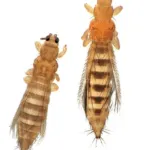 PestOnion thripsThrips tabaci Lindeman
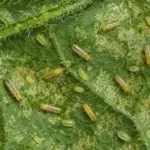 PestMelon thripsThrips palmi Karny
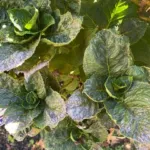 PestChilli thripsScirtothrips dorsalis Hood
Toxicity and pollen
Aroid plants in the Alocasia group contain insoluble calcium oxalate crystals that can cause immediate burning, pain, swelling, drooling, vomiting, or difficulty swallowing if chewed or eaten. The exact chemistry of this horticultural identity has not been independently characterized, so use the established Alocasia risk profile as a precaution. Wear gloves when handling sap or damaged tissue and contact a poison center or veterinarian after ingestion.
- Pollination / pollen
- Limited, flower-associated pollen; airborne relevance not established
As an angiosperm, the plant produces pollen only when it flowers, but airborne pollen exposure is not well documented for this named cultivar. Its aroid inflorescences are generally not treated as a major outdoor pollen source. This does not remove the need for caution around sap and plant tissue, which present a separate calcium-oxalate exposure risk.
Native habitat
The exact wild origin of the cultivated identity is unresolved. Published taxonomic work describes the plant associated with Caladium praetermissum as known from cultivation, with natural distribution uncertain. In cultivation it behaves as a tropical to subtropical terrestrial aroid requiring warmth, moisture, organic matter, and excellent drainage.
Interesting fact
The plant has long been distributed in horticulture under the name Alocasia 'Hilo Beauty'.
Botanical research later associated the cultivated plant with Caladium praetermissum.
Its irregular leaf pattern resembles camouflage more than conventional striping.
The cultivar is widely maintained through vegetative propagation rather than reliable seed.
Frequently asked questions (FAQ)
The most relevant questions about this plant, with short and direct answers.
🌱Quick care
How do you care for Alocasia 'Hilo Beauty'?⌄
Give Alocasia 'Hilo Beauty' bright filtered light, evenly moist well-drained soil, warmth, and moderate to high humidity. Let excess water drain completely, because constantly soggy soil can cause tuber or root rot.
Is Alocasia 'Hilo Beauty' an indoor or outdoor plant?⌄
Alocasia 'Hilo Beauty' can grow indoors year-round or outdoors during warm weather. Move it inside before temperatures approach freezing, since it is frost tender.
How much light does Alocasia 'Hilo Beauty' need?⌄
Alocasia 'Hilo Beauty' grows best in bright filtered light or part shade. Protect its thin leaves from intense afternoon sun, which can scorch or fade the foliage.
🌤️Environment and placement
Can Alocasia 'Hilo Beauty' tolerate direct sunlight?⌄
It can tolerate gentle morning sun, but harsh midday or afternoon sunlight may burn the leaves. Increase direct light gradually and provide filtered shade during the brightest part of the day.
Where should I place Alocasia 'Hilo Beauty' indoors?⌄
Place it near a bright east- or north-facing window, or a few feet from a brighter south- or west-facing window with a sheer curtain. Keep it away from cold drafts, heating vents, and sudden temperature changes.
Does Alocasia 'Hilo Beauty' need high humidity?⌄
Alocasia 'Hilo Beauty' appreciates moderate to high humidity, especially in dry homes. A humidifier or grouping plants together is generally more effective than relying on a pebble tray.
What temperature is best for Alocasia 'Hilo Beauty'?⌄
Keep Alocasia 'Hilo Beauty' warm and protect it from cold drafts and freezing temperatures. Growth may slow or stop in cool conditions, and prolonged chill can damage the tuber.
💧Care and problems
How often should I water Alocasia 'Hilo Beauty'?⌄
Water when the upper layer of the potting mix begins to dry, then thoroughly drain the pot. Do not follow a fixed calendar because watering frequency changes with light, temperature, humidity, and pot size.
Should Alocasia 'Hilo Beauty' dry out between waterings?⌄
No, it should not dry out completely during active growth. Keep the mix lightly and evenly moist, but allow some surface drying and never leave the pot standing in water.
Why are the leaves of my Alocasia 'Hilo Beauty' turning yellow?⌄
Yellow leaves can result from overwatering, poor drainage, cold stress, transplant shock, or natural dormancy. Check the roots and soil moisture first, and reduce watering if the mix remains wet for a long time.
Why is Alocasia 'Hilo Beauty' drooping?⌄
Drooping commonly follows underwatering, root stress, sudden environmental change, low light, or cold conditions. Check the moisture and roots, then provide stable warmth and bright filtered light while the plant recovers.
Why is my Alocasia 'Hilo Beauty' losing leaves?⌄
A leaf may be lost after shipping, repotting, seasonal cooling, or other stress, and older leaves can naturally decline. Persistent leaf loss usually indicates a problem with moisture, roots, light, temperature, or pests.
Why is Alocasia 'Hilo Beauty' growing slowly?⌄
Slow growth is common when light, warmth, humidity, or nutrition is insufficient, and growth may pause during dormancy. Improve light and warmth first, and fertilize only when the plant is actively producing new growth.
Can Alocasia 'Hilo Beauty' go dormant?⌄
Yes, Alocasia 'Hilo Beauty' may slow down or lose its leaves during a cool, dark season. If the tuber remains firm and healthy, reduce watering while dormant and resume more regular moisture when new growth appears.
How do I treat spider mites on Alocasia 'Hilo Beauty'?⌄
Isolate the plant, rinse the foliage and leaf undersides, and use an appropriate insecticidal soap or horticultural oil according to its label. Repeat treatment as directed because spider mites can survive one application.
🪴Planting and repotting
What soil is best for Alocasia 'Hilo Beauty'?⌄
Use a loose, organic, well-drained mix that retains some moisture without becoming compacted. A quality indoor potting mix amended with materials such as fine bark and perlite can provide the needed balance.
What type of pot does Alocasia 'Hilo Beauty' need?⌄
Choose a pot with drainage holes that is only slightly larger than the root or tuber mass. An oversized pot holds excess moisture around the roots and increases the risk of rot.
When should I repot Alocasia 'Hilo Beauty'?⌄
Repot it when roots fill the container, the mix has broken down, or drainage has become poor. Avoid repotting during dormancy or immediately after bringing home a stressed plant unless there is a serious drainage or root problem.
Can Alocasia 'Hilo Beauty' be grown outside in the United States?⌄
It can be grown outdoors during the warm season in a bright, sheltered, frost-free location. In areas with freezing winters, grow it as a container plant and bring it indoors before cold weather.
✂️Propagation and pruning
How do you propagate Alocasia 'Hilo Beauty'?⌄
Propagate Alocasia 'Hilo Beauty' by separating offsets or dividing healthy tuberous growth during active growth. Each division should have viable roots or a growing point, and new divisions need warmth, moisture, and bright filtered light.
Can Alocasia 'Hilo Beauty' be grown from a bulb?⌄
What is commonly sold as a bulb is usually a tuber or corm-like underground structure, and it can produce a new plant under warm, lightly moist conditions. Avoid burying it too deeply or keeping the propagation medium saturated.
Can you propagate Alocasia 'Hilo Beauty' from a leaf cutting?⌄
A leaf cutting alone generally cannot produce a new Alocasia 'Hilo Beauty' because new growth develops from the underground growing structure. Propagation requires a division, offset, or viable piece containing a growth point.
Should I prune damaged leaves from Alocasia 'Hilo Beauty'?⌄
Yes, remove fully yellow, dead, or badly damaged leaves with clean scissors at the base of the petiole. Do not remove healthy green leaves unnecessarily because they provide energy for the tuber.
⚠️Toxicity and safety
Is Alocasia 'Hilo Beauty' toxic to cats and dogs?⌄
Yes, Alocasia 'Hilo Beauty' is toxic if chewed or eaten and should be kept away from cats, dogs, and children. Contact a veterinarian or poison-control professional promptly if ingestion is suspected.
Is Alocasia 'Hilo Beauty' poisonous to people?⌄
Yes, it can cause harmful irritation if plant tissue is chewed or eaten. Keep it away from children, avoid contact with the sap, and seek medical or poison-control advice if ingestion occurs.
🌸Flowering and special interest
Does Alocasia 'Hilo Beauty' flower?⌄
Flowering is uncommon in cultivation and may not occur indoors. The plant is primarily grown for its patterned foliage, and its inflorescence has also contributed to historical confusion about its classification.
Why is Alocasia 'Hilo Beauty' sometimes called a Caladium?⌄
Alocasia 'Hilo Beauty' is a long-used horticultural and trade name, while botanical sources have treated the plant as Caladium praetermissum. Because naming remains inconsistent in commerce, care should focus on its actual needs: filtered light, evenly moist but well-drained soil, warmth, and frost protection.
Is Alocasia 'Hilo Beauty' the same as an elephant ear?⌄
It is commonly included in the ornamental elephant-ear trade, a broad group that includes several genera in the arum family. The name 'Hilo Beauty' is used most consistently in commerce as Alocasia 'Hilo Beauty,' even though botanical references may use a different classification.
Similar plants
 Foxtail Palm (Wodyetia bifurcata) care guideWodyetia bifurcata
 He Mexican fan palm (Washingtonia robusta) care guideWashingtonia robusta
 He California fan palm (Washingtonia filifera) care guideWashingtonia filifera
 Veitchia arecina care guideVeitchia arecina
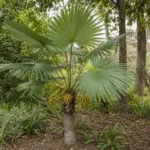 Trachycarpus latisectus care guideTrachycarpus latisectus
 He Chusan palm (Trachycarpus fortunei) care guideTrachycarpus fortunei