
 Source:
 Alocasia gageana short overview
Alocasia gageana is an upright tropical aroid valued for its broad, glossy green, elephant-ear-like leaves and strong architectural presence. The plant is best grown as a houseplant, conservatory specimen, or warm-climate patio accent in bright filtered light, an airy moisture-retentive mix, steady warmth, and high humidity. It is not frost tolerant, and all parts should be kept away from children and pets because chewing can cause irritation from calcium oxalate crystals.
Taxonomic classification
Alocasia gageana care guide
Light and placement
Provide bright filtered or indirect light. An east-facing window is suitable; near a south- or west-facing window, diffuse strong sun with a sheer curtain or place the plant several feet back. Too much direct midday sun can bleach or scorch leaves, while too little light causes stretched petioles, smaller leaves, slow growth, and persistently wet soil.
Watering and humidity
Water thoroughly when the upper inch of mix has begun to dry, allowing excess to drain completely. Keep the root zone evenly moist during warm active growth but never leave the pot standing in water. Reduce frequency in winter or during dormancy, especially when light and temperature fall. High humidity helps reduce leaf-edge browning but does not compensate for poor drainage.
Soil and growing medium
Use a chunky, airy, peat-free aroid mix containing fine organic matter plus perlite, pumice, or bark. The medium should retain some moisture while draining rapidly after watering. A slightly acidic to neutral reaction is suitable; compacted, cold, or waterlogged soil greatly increases the risk of root damage.
Feeding
Feed only while the plant is actively producing leaves, generally from spring through early fall indoors. Apply a balanced liquid houseplant fertilizer at half strength every 2–4 weeks, preferably to already moist media. Pause feeding after dormancy, during cold low-light weather, or when roots are stressed, and flush the container occasionally to limit salt buildup.
Growth and habit
The plant forms an upright clump from a rhizomatous base and pushes new leaves sequentially from a central growing point. Growth is strongest with warmth, bright indirect light, steady moisture, and active feeding. It may slow sharply or shed foliage after cold stress, drought, transplant shock, or a major seasonal change.
Planting and repotting
In the United States, plant outdoors only after nights remain reliably warm and frost danger has passed. Set the crown level with the surrounding mix or soil, never burying the growing point. Give each plant roughly 24–36 inches of space where mature foliage can spread, and acclimate gradually to outdoor light.
Repot in spring or early summer when roots fill the container or the mix breaks down. Move up only one pot size, keep the crown at the same level, and use a container with drainage holes. Avoid major root disturbance during cool, low-light periods.
Propagation and pruning
Propagation
Propagate by separating offsets or dividing the rhizome during warm, active growth. Each division should retain viable roots and a clear growing point. Keep new divisions warm, humid, and only lightly moist until fresh growth confirms establishment. Seed propagation is possible in principle but is not the usual home method and species-specific seed guidance is limited.
Pruning
Little pruning is needed. Remove yellow, damaged, or fully senescent leaves at the base with clean shears. Do not cut healthy leaves solely for size control, and avoid injuring the crown or rhizome. Wear gloves because sap and damaged tissue may irritate skin and eyes.
Overwintering
Bring containers indoors before temperatures approach 55°F, and certainly before frost. Keep the plant warm, bright, and away from cold glass, drafts, and heating vents. Reduce watering as growth slows, but do not keep the rhizome constantly wet. A plant that loses leaves after cold or dry stress may recover if the rhizome remains firm.
Uses
Primarily an ornamental foliage plant for indoor collections, conservatories, warm patios, shaded tropical gardens, and seasonal containers. Its large leaves provide a strong architectural accent. It is not recommended as a food plant for household use because species-level preparation and edibility evidence is insufficient and Alocasia tissue carries calcium oxalate exposure risk.
Appearance
This plant has a compact upright habit, stout petioles, and broad glossy green leaves with sagittate to arrow-shaped outlines. The blades are held above the base rather than lying flat, giving the plant a pronounced architectural profile. Mature specimens may develop a substantial rhizomatous crown and produce offsets around the parent.
Flowering
Like other aroids, it produces a spadix enclosed by a spathe rather than a showy petaled bloom. Inflorescences may appear when plants are mature and actively growing, but they are inconspicuous and uncommon on stressed or indoor specimens. Reliable United States flowering months for this exact taxon are not established.
Pollination and visitors
Reliable species-specific pollinator records were not located. Aroid inflorescences can have specialized insect relationships, but visitors documented for related Alocasia or Englerarum taxa should not be automatically assigned to this exact plant.
Diseases and pests
Diseases
Prevent disease by providing drainage, warmth, air movement, and careful watering. Root or rhizome rot is associated with cold, saturated media; remove damaged tissue and replace the mix if decay occurs. Leaf-spot symptoms call for better airflow, dry foliage, sanitation, and removal of badly affected leaves rather than routine spraying.
Pests
Watch for spider mites, mealybugs, thrips, aphids, and fungus gnats, especially in dry indoor air or persistently wet media. Inspect leaf undersides and petiole bases regularly, isolate affected plants, wipe or rinse foliage, and use an appropriately labeled insecticidal soap or horticultural oil when needed. Improve ventilation and correct watering before treating repeatedly.
Related diseases and pests
Only Plant Doctor profiles whose host data indicate this plant may be affected are shown here.
 DiseaseRhizopus soft rotRhizopus stolonifer
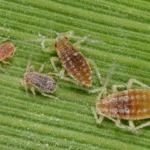 PestMealy Plum AphidHyalopterus pruni (Geoffroy, 1762)
 DiseaseAlternaria leaf spot and fruit rotAlternaria alternata
 DiseaseRhizoctonia DiseasesRhizoctonia solani Kühn
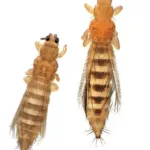 PestOnion thripsThrips tabaci Lindeman
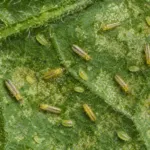 PestMelon thripsThrips palmi Karny
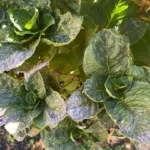 PestChilli thripsScirtothrips dorsalis Hood
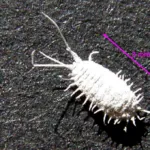 PestObscure mealybugPseudococcus viburni
Toxicity and pollen
Alocasia plants contain insoluble calcium oxalate crystals. Chewing or swallowing plant material can cause immediate mouth and throat irritation, pain, swelling, drooling, nausea, vomiting, or difficulty swallowing. Handle damaged tissue carefully, wash hands after pruning, and seek medical or veterinary advice after ingestion or significant exposure.
- Pollination / pollen
- Flower pollen; limited airborne dispersal expected
This is a flowering plant, so it produces pollen, but the inflorescences are usually few, short-lived, and not known as a major airborne pollen source in the United States. Individual sensitivity cannot be ruled out; keep flowers and plant debris away from highly sensitive people and avoid handling dusty floral material unnecessarily.
Native habitat
The taxon is associated with subtropical regions from southwestern Yunnan through Indo-China, including Myanmar and nearby areas under current synonym-based treatments. Descriptive botanical material places it in humid forest margins, regrowth, and exposed limestone mountain settings, where drainage can be rapid despite seasonal moisture.
Interesting fact
The name Alocasia gageana is tied to a cultivated plant from Myanmar and has a complicated nomenclatural history. A 2022 study reassigned it to Englerarum, a distinct genus. The plant is seasonally capable of dormancy, especially when warmth, light, or water decline. Its flowers are typical aroid spathes and spadices rather than petals.
Frequently asked questions (FAQ)
The most relevant questions about this plant, with short and direct answers.
🌱Quick care
How do you care for Alocasia gageana indoors?⌄
Give Alocasia gageana bright filtered or indirect light, evenly moist well-drained soil, warmth, and moderate to high humidity. Let excess water drain fully and reduce watering during slower winter growth.
Is Alocasia gageana easy to grow?⌄
Alocasia gageana is moderately easy when kept warm, humid, and consistently but not excessively moist. It is less forgiving of cold, stagnant soil, and abrupt changes in growing conditions.
🌤️Environment and placement
How much light does Alocasia gageana need?⌄
Provide bright filtered light or partial shade. Protect it from strong afternoon sun, which can scorch the leaves, while very low light may cause weak growth and smaller leaves.
Can Alocasia gageana grow in low light?⌄
Alocasia gageana can tolerate some shade but does not perform well in consistently low light. Place it near a bright east- or west-facing window, using a sheer curtain if direct sunlight is intense.
What temperature is best for Alocasia gageana?⌄
Keep Alocasia gageana warm, ideally around 65–85°F. Protect it from cold drafts, sudden temperature drops, and temperatures near freezing because it is frost tender.
Does Alocasia gageana need high humidity?⌄
It grows best with moderate to high humidity, especially indoors during dry winter conditions. Good air circulation is also important because constantly wet, stagnant air can encourage leaf and root problems.
Can Alocasia gageana grow outdoors in the United States?⌄
It can grow outdoors seasonally in warm, frost-free areas, provided it receives filtered light and protection from harsh sun. In colder regions, bring it indoors before nighttime temperatures approach 60°F or any frost is forecast.
What USDA zone is Alocasia gageana hardy in?⌄
Alocasia gageana is generally treated as a frost-tender tropical plant rather than a reliably hardy perennial across most of the United States. In cooler USDA zones, grow it in a container and overwinter it indoors.
💧Care and problems
How often should you water Alocasia gageana?⌄
Water when the upper inch of the mix begins to dry, then soak thoroughly until water drains from the pot. Do not keep the root zone constantly saturated or allow the plant to sit in runoff.
Why are the leaves of my Alocasia gageana turning yellow?⌄
Yellow leaves often indicate overwatering, poor drainage, cold stress, or normal aging of an older leaf. Check the roots and potting mix before watering again, and remove only leaves that are fully yellow or damaged.
Why is my Alocasia gageana drooping?⌄
Drooping usually results from dry soil, overwatering-related root damage, cold temperatures, or sudden environmental stress. Check soil moisture and roots, then correct the underlying condition rather than watering automatically.
Why are Alocasia gageana leaves curling?⌄
Leaf curling can be caused by low humidity, underwatering, heat, pests, or root stress. Inspect both sides of the leaves and keep the mix evenly moist without making it waterlogged.
Why is my Alocasia gageana losing leaves?⌄
Leaf loss commonly follows cold exposure, relocation, drought, overwatering, or a seasonal slowdown. If the central growth point and roots remain healthy, the plant may recover after conditions stabilize.
What pests affect Alocasia gageana?⌄
Alocasia gageana may attract spider mites, mealybugs, aphids, and thrips, particularly in dry indoor air. Inspect leaf undersides and new growth regularly, isolate affected plants, and treat infestations promptly.
Should you fertilize Alocasia gageana?⌄
Feed during active spring and summer growth with a balanced houseplant fertilizer diluted according to the label. Avoid heavy fertilizing when growth slows, the plant is stressed, or the soil is dry.
How do you clean Alocasia gageana leaves?⌄
Wipe the leaves gently with a clean, damp cloth to remove dust and improve light absorption. Avoid oily leaf-shine products, which can interfere with the leaf surface and attract dust.
🪴Planting and repotting
What soil is best for Alocasia gageana?⌄
Use an airy, well-drained, moisture-retentive aroid mix containing materials such as potting mix, orchid bark, and perlite. The mix should hold some moisture while allowing air to reach the roots.
What type of pot does Alocasia gageana need?⌄
Choose a pot with drainage holes that is only slightly larger than the root ball. A pot that is too large stays wet longer and increases the risk of root rot.
When should you repot Alocasia gageana?⌄
Repot in spring or early summer when active growth resumes, especially if roots circle the pot or water runs through unusually fast. Move it into a slightly larger container and disturb healthy roots as little as possible.
Can Alocasia gageana grow in semi-hydroponics?⌄
Alocasia gageana can be grown in semi-hydroponic systems, but it must be transitioned gradually and monitored for root stress. Use a clean medium, provide adequate aeration, and avoid keeping the entire root mass submerged.
✂️Propagation and pruning
How do you propagate Alocasia gageana?⌄
The most dependable method is division of offsets or rhizome sections during active growth. Each division should have viable roots and a growing point before being planted in a warm, lightly moist medium.
Can you propagate Alocasia gageana from a leaf?⌄
A leaf without a piece of stem or rhizome cannot produce a new Alocasia gageana plant. Successful propagation requires a viable node, corm, offset, or rhizome section with a growth point.
Does Alocasia gageana produce corms or pups?⌄
Alocasia gageana can produce offsets and underground cormels as it matures. These can be separated carefully when they have roots or a clear growing point and then raised in warm, humid conditions.
When is the best time to propagate Alocasia gageana?⌄
Propagate in spring or summer, when warmth and increasing light support faster rooting and recovery. Avoid dividing a plant that is cold, severely dehydrated, pest-infested, or already declining.
Should you prune Alocasia gageana?⌄
Routine pruning is not required. Remove yellow, dead, or badly damaged leaves at the base with clean tools, and avoid cutting the central growing point.
⚠️Toxicity and safety
Is Alocasia gageana toxic to cats and dogs?⌄
Yes, Alocasia gageana is toxic to cats and dogs if chewed or eaten. Its calcium oxalate crystals can cause painful mouth irritation, drooling, swelling, vomiting, and difficulty swallowing, so keep it out of reach.
Is Alocasia gageana poisonous to humans?⌄
Yes, ingesting Alocasia gageana can cause painful irritation and swelling of the mouth and throat. Wear gloves when handling damaged tissue or sap, and contact Poison Control or seek medical advice after ingestion.
Can Alocasia gageana irritate your skin?⌄
Its sap and plant tissue may irritate sensitive skin and eyes. Wear gloves when dividing, pruning, or repotting it, and wash exposed skin promptly.
🌸Flowering and special interest
Does Alocasia gageana flower indoors?⌄
Alocasia gageana can occasionally produce small white or pale pink spathe flowers indoors, although foliage is its main ornamental feature. Mature, actively growing plants with strong light, warmth, and adequate nutrition are more likely to bloom.
Should you cut off Alocasia gageana flowers?⌄
You may remove the flower if the plant is weak or you prefer to direct energy toward foliage, but removal is not usually necessary. Cut the flowering stalk near its base with clean pruners after blooming declines.
Similar plants
 Saucer Magnolia (Magnolia soulangeana) care guideMagnolia soulangeana
 Magnolia × loebneri ‘Merrill’Magnolia × loebneri 'Merrill'
 Magnolia loebneri care guideMagnolia loebneri
 Sweetbay magnolia (Magnolia virginiana) care guideMagnolia virginiana
 Star magnolia (Magnolia stellata) care guideMagnolia stellata
 Magnolia sprengeri care guideMagnolia sprengeri