
 Source:
 Alocasia cucullata short overview
Alocasia cucullata is a warm-loving tropical aroid prized for its glossy, broadly heart-shaped leaves and compact clumping habit. In the United States it is best grown as a houseplant, conservatory specimen, or seasonal container accent, with bright filtered light, evenly moist but well-drained soil, and humid air. It rarely flowers indoors, but mature plants may produce pale yellow spathes. Keep it away from children and pets because all parts contain irritating calcium oxalates.
Taxonomic classification
Alocasia cucullata care guide
Light and placement
Provide bright filtered or indirect light, such as near an east- or west-facing window with a sheer curtain. A few hours of gentle morning or late-day sun may be tolerated, but strong summer midday rays can scorch leaves. Too little light produces weak, stretched growth and smaller leaves; excessive sun causes bleaching, brown patches, or curling.
Watering and humidity
Water thoroughly when the upper inch of mix begins to dry, then let excess drain completely. Keep the root zone evenly moist during warm active growth, but never leave the pot standing in water. Reduce frequency in winter or during low-light dormancy. High humidity helps limit crisp margins, though good airflow is still important.
Soil and growing medium
Use a loose, moisture-retentive but fast-draining houseplant mix amended with perlite, fine bark, or another aerating material. A fertile loam-based substrate works well. Avoid dense garden soil in containers because stagnant moisture around the roots can cause decline. The species tolerates acidic, neutral, and mildly alkaline conditions, but a slightly acidic to neutral mix is a practical target.
Feeding
Feed during active spring and summer growth with a balanced liquid houseplant fertilizer diluted to about half the label strength every 2–4 weeks. Water first if the mix is dry. Reduce or stop feeding during cool, dark winter conditions or whenever the plant is dormant; fertilizer cannot compensate for poor light or damaged roots.
Growth and habit
The plant forms a clump of upright, branching stems from a short underground stem or rhizomatous base. Warmth and bright filtered light can support steady leaf production, while cool temperatures, low light, or saturated soil may slow growth and trigger leaf loss. Keep the plant slightly root-bound rather than moving it into an oversized pot.
Planting and repotting
Plant outdoors only after nights remain reliably warm and the danger of frost has passed. Set the plant at the same depth as in its container, allowing the stem base to remain above soggy soil. Space plants about 18–24 inches apart for a fuller bed or container display, with sheltered placement and dependable moisture.
Repot in spring or early summer when roots fill the container or growth has slowed because the mix has compacted. Move up only one pot size and disturb the root ball as little as practical. Use a container with drainage holes and do not bury the stem base deeper than it was previously planted.
Propagation and pruning
Propagation
Divide established clumps in spring or early summer, ensuring each division has viable stem tissue and roots. Stem cuttings may also be used in spring, but success depends on retaining an active growing point and keeping the medium warm, lightly moist, and well aerated. Seed is uncommon in ordinary indoor cultivation.
Pruning
No routine pruning is required. Remove yellow, damaged, or fully senescent leaves at the base with clean tools. Wipe or rinse sap from tools and wear gloves because the plant can irritate skin and eyes.
Overwintering
Bring containers indoors before temperatures fall below about 60°F. Place the plant in bright filtered light, away from drafts and forced-air heat. Growth may slow in winter; water less often and stop feeding if the plant becomes dormant, but do not allow the rhizome and roots to remain bone-dry for extended periods.
Uses
Use as a bold indoor foliage plant, conservatory specimen, greenhouse subject, or seasonal shaded container accent. It is valued for structure and leaf form rather than abundant flowers. Do not use as food or medicine; toxic calcium oxalates make casual culinary or medicinal use inappropriate.
Appearance
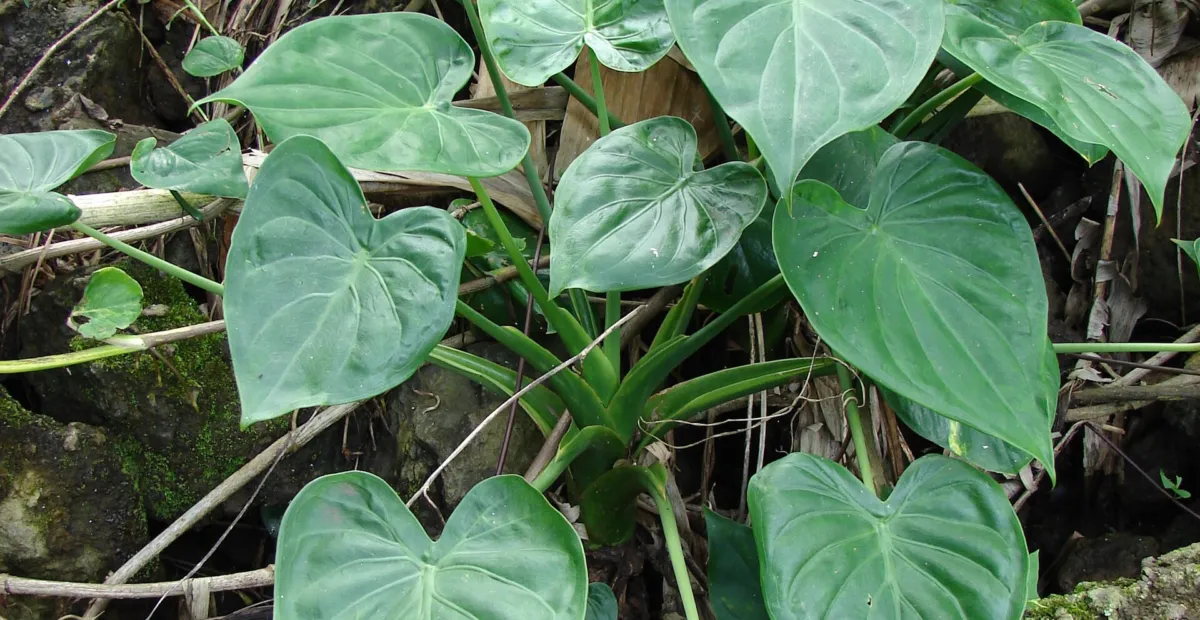
This species has glossy, broadly ovate to heart-shaped leaves with pointed tips and a shallowly heart-shaped base. Several leaves rise from upright green stems that branch near the base, producing a compact, bushy clump. The foliage is usually plain green rather than strongly patterned, helping distinguish it from many highly variegated Alocasia cultivars.
Flowering
Inflorescences are rarely produced, especially on small indoor plants. When flowering occurs, the plant forms a green spathe surrounding a cylindrical spadix; the male zone is yellow. Fruit is uncommon in cultivation and is described botanically as a red berry when produced.
Pollination and visitors
Reliable species-specific pollinator records were not established. Alocasia flowers are structurally adapted for insect interaction, but the frequency and identity of visitors to this species in US cultivation remain insufficiently documented.
Alocasia cucullata photos
Click any photo for a larger view. Source, author and license are shown separately.
Diseases and pests
Diseases
Usually trouble-free when grown in airy, well-drained media. Overwatering, poor drainage, and cool wet conditions can encourage root or rhizome rot. Remove affected tissue, improve drainage and airflow, and let the upper mix become slightly less wet between waterings. Avoid splashing contaminated water onto foliage.
Pests
Watch for spider mites, mealybugs, scale, and aphids, especially in dry indoor air. Inspect leaf undersides and stem joints regularly. Isolate affected plants, wipe or wash foliage, and use a labeled houseplant treatment when necessary. Avoid persistent overwatering, which weakens roots and can worsen pest stress.
Related diseases and pests
Only Plant Doctor profiles whose host data indicate this plant may be affected are shown here.
 Environmental stressOverwatering
 Environmental stressPoor drainage stress (waterlogging)
 DiseaseRhizopus soft rotRhizopus stolonifer
 PestMealy Plum AphidHyalopterus pruni (Geoffroy, 1762)
 DiseaseRhizoctonia DiseasesRhizoctonia solani Kühn
 Environmental stressWaterlogging
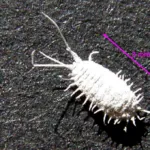 PestObscure mealybugPseudococcus viburni
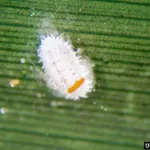 PestCitrus mealybugPlanococcus citri
Toxicity and pollen
Alocasia contains insoluble calcium oxalate crystals. Chewing or ingesting plant tissue can cause immediate oral irritation, burning, drooling, swelling, vomiting, and difficulty swallowing. Sap may also irritate skin or eyes. Wear gloves when cutting damaged tissue and seek medical or veterinary advice after significant exposure.
- Pollination / pollen
- Pollen produced inside a spadix; airborne relevance not established
This is a flowering aroid, but no reliable evidence was found establishing a US airborne pollen season or a species-specific allergy profile. Its inflorescences are uncommon in ordinary indoor cultivation, so allergy relevance is best treated as unknown rather than assumed absent.
Native habitat
In its native range, Alocasia cucullata occurs in wet tropical regions from Sri Lanka through the Himalaya, southern China, and Indochina. It is associated with moist, sheltered environments and waterside or cultivated settings rather than exposed, frost-prone sites.
Interesting fact
Kew records Alocasia cucullata as an accepted species native from Sri Lanka and the Himalaya to southern China and Indochina. It is associated with wet tropical habitats and is traditionally regarded as a good-luck plant in Buddhist temples in Laos and Thailand. Its inflorescences are rarely produced and its fruit is uncommon.
Frequently asked questions (FAQ)
The most relevant questions about this plant, with short and direct answers.
🌱Quick care
How do you care for Alocasia cucullata indoors?⌄
Give Alocasia cucullata bright filtered light, evenly moist well-drained soil, warmth, and moderate to high humidity. Let excess water drain fully and reduce watering during slower winter growth.
Is Alocasia cucullata a good houseplant?⌄
Yes, Alocasia cucullata is well suited to indoor container growing when provided with warmth, filtered light, humidity, and consistent moisture. It is less tolerant of cold, drought, and waterlogged soil than many easy-care houseplants.
🌤️Environment and placement
How much light does Alocasia cucullata need?⌄
Alocasia cucullata grows best in bright filtered or indirect light, with partial shade outdoors. Protect it from intense afternoon sun, which can scorch the leaves.
Can Alocasia cucullata grow in low light?⌄
Alocasia cucullata may survive in lower light, but growth usually becomes slower and more stretched. Move it closer to a bright window or supplement with a grow light while avoiding harsh direct sun.
What temperature is best for Alocasia cucullata?⌄
Keep Alocasia cucullata warm, ideally above 60°F, and protect it from cold drafts and frost. Bring outdoor containers inside before nighttime temperatures become consistently chilly.
Can Alocasia cucullata grow outside in the United States?⌄
Alocasia cucullata can grow outdoors year-round only in warm, frost-free parts of the United States, generally USDA Zones 8–11 with suitable local conditions. In colder areas, grow it in a container and bring it indoors before frost.
Does Alocasia cucullata need high humidity?⌄
Yes, higher humidity helps Alocasia cucullata maintain healthy leaves and steady growth. A humidifier or grouping plants is generally more reliable than frequent misting.
💧Care and problems
How often should I water Alocasia cucullata?⌄
Water Alocasia cucullata when the surface of the potting mix begins to dry, then water thoroughly until excess drains from the pot. Keep the mix evenly moist, but never leave the roots standing in water.
Why are the leaves of my Alocasia cucullata turning yellow?⌄
Yellow leaves commonly indicate overwatering, poor drainage, or normal aging of an older leaf. Check the roots and potting mix before watering again, and remove only leaves that are fully yellow or collapsing.
Why are Alocasia cucullata leaves turning brown?⌄
Brown edges can result from dry soil, low humidity, salt buildup, direct sun, or cold exposure. Correct the underlying condition and trim damaged tissue with clean scissors if desired.
Why is my Alocasia cucullata drooping?⌄
Drooping may follow underwatering, root damage from soggy soil, cold stress, or sudden environmental changes. Check soil moisture and roots first, then provide warmth, filtered light, and stable humidity.
What fertilizer does Alocasia cucullata need?⌄
Feed Alocasia cucullata with a balanced liquid houseplant fertilizer diluted according to the label during active growth. Fertilize less often or stop while growth slows in winter.
How do I treat pests on Alocasia cucullata?⌄
Inspect Alocasia cucullata for spider mites, mealybugs, scale, and thrips, especially when air is dry. Isolate affected plants and treat with repeated applications of insecticidal soap or another labeled houseplant treatment.
🪴Planting and repotting
What soil is best for Alocasia cucullata?⌄
Use a moist but well-drained, loam-based houseplant mix amended with material such as perlite or orchid bark. The goal is moisture retention without compacted, continuously saturated roots.
What type of pot does Alocasia cucullata need?⌄
Choose a pot with drainage holes that is only modestly larger than the root ball. A heavy container can help support the plant, while a saucer should be emptied after watering.
When should I repot Alocasia cucullata?⌄
Repot Alocasia cucullata in spring or early summer when roots are crowded, the mix breaks down, or water runs through unusually quickly. Move it into a container only one size larger to reduce the risk of overwatering.
Can Alocasia cucullata be planted in the ground?⌄
In frost-free climates, Alocasia cucullata can be planted in rich, moist, well-drained soil in partial shade. In colder regions, container culture is safer because the plant is frost-tender.
✂️Propagation and pruning
How do you propagate Alocasia cucullata?⌄
Propagate Alocasia cucullata primarily by dividing offsets or sections of the underground rhizome during active growth. Each division should have healthy roots and at least one viable growth point.
Can you propagate Alocasia cucullata from a leaf cutting?⌄
No, a leaf or petiole alone generally cannot produce a new Alocasia cucullata plant because new growth develops from the rhizome or growth points. Use a rooted offset or rhizome division instead.
How do I divide Alocasia cucullata offsets?⌄
Remove the plant from its pot, separate a rooted offset or rhizome section with a clean tool, and replant it at the same depth in a well-drained mix. Keep it warm and lightly but consistently moist while it re-establishes.
Should I prune Alocasia cucullata?⌄
Alocasia cucullata needs little routine pruning. Remove yellow, damaged, or diseased leaves at the base with sterilized scissors, and avoid cutting healthy leaves unnecessarily.
⚠️Toxicity and safety
Is Alocasia cucullata toxic to cats and dogs?⌄
Yes, Alocasia cucullata is toxic to cats and dogs if eaten because it contains irritating calcium oxalate crystals. Keep it out of reach and contact a veterinarian promptly if a pet chews or swallows it.
Is Alocasia cucullata poisonous to humans?⌄
Yes, eating Alocasia cucullata can cause painful irritation and swelling of the mouth and throat, and its sap may irritate skin and eyes. Wear gloves when handling it and seek medical advice after ingestion or significant exposure.
Can you eat Alocasia cucullata?⌄
No, do not eat Alocasia cucullata or use it as a food plant. Although some related taro plants are specially prepared as food, this ornamental species should be treated as toxic.
🌸Flowering and special interest
Does Alocasia cucullata flower indoors?⌄
Alocasia cucullata can flower indoors when mature and growing strongly, but flowering is less common than new leaf production. Its flowers are arum-type spathes and are usually less showy than the foliage.
What should I do if my Alocasia cucullata flowers?⌄
You can leave the flower in place or cut it at the base after it fades. Removing a spent bloom redirects energy toward foliage, but flowering itself is not usually harmful to a healthy plant.
Similar plants
 Azure Monkshood (Aconitum carmichaelii) care guideAconitum carmichaelii
 Monkshood (Aconitum ‘Stainless Steel’)Aconitum 'Stainless Steel'
 Monkshood (Aconitum ‘Bressingham Spire’)Aconitum 'Bressingham Spire'
 Golden full moon maple (Acer shirasawanum ‘Aureum’)Acer shirasawanum 'Aureum'
 Globosum (Acer platanoides ‘Globosum’)Acer platanoides 'Globosum'
 Striped maple (Acer pensylvanicum) care guideAcer pensylvanicum