
 Source:
 Green Shield Alocasia (Alocasia clypeolata) short overview
Green Shield Alocasia is the documented common name for Alocasia clypeolata, a compact tropical aroid native to the Philippines and also recorded from Bali. Its appeal comes from thick, glossy, shield-like leaves colored rich green and marked by darker veins. In U.S. gardens it is generally grown as a warm-season container plant or houseplant, with bright filtered light, steady moisture, excellent drainage, and protection from cold. All parts should be kept away from children and pets.
Taxonomic classification
Green Shield Alocasia (Alocasia clypeolata) care guide
Light and placement
Provide bright filtered light or gentle partial shade. An east-facing window is often suitable; near south or west exposures, filter direct sun with a sheer curtain or place the plant several feet back. Pale, stretched growth and small leaves suggest insufficient light, while bleached patches, crisp margins, or sudden curling suggest excessive direct sun or heat.
Watering and humidity
Water thoroughly when the upper 1–2 inches of mix has begun to dry, then allow excess water to drain completely. Keep the root zone consistently lightly moist during active growth, but never leave the pot standing in water. Water less often in cool, dim winter conditions. Humidity helps reduce leaf-edge browning, but wet leaves and stagnant air should be avoided.
Soil and growing medium
Use a loose, airy medium that holds some moisture but drains rapidly, such as quality potting mix amended with orchid bark and perlite. A slightly acidic, humus-rich substrate is a practical target. Avoid dense, waterlogged soil around the corm and roots, which increases the risk of root loss.
Feeding
Feed during active growth with a balanced liquid houseplant fertilizer diluted to about half the label strength every 3–4 weeks. Water the plant first if the mix is dry to reduce root stress. Reduce or stop feeding during cool, dim winter conditions or whenever the plant is dormant, recently repotted, or suffering from root damage.
Growth and habit
This is a compact, clump-forming, stem-short aroid that develops a tight cluster of upright petioles from a corm-like underground base. Growth is strongest with warmth, bright filtered light, regular moisture, and active feeding. Stress may cause stalled growth or leaf loss, after which recovery can be gradual.
Planting and repotting
Plant outdoors only after nights remain reliably warm and all frost danger has passed. Set the corm or rootball at the same depth it was growing, with the crown at or just above the soil surface. Leave roughly 18–24 inches between plants or nearby large foliage. Acclimate gradually to outdoor light and shelter from wind.
Repot in spring or early summer when roots fill the container, moving up only one pot size. Handle the corm and roots gently, refresh compacted mix, and keep the plant warm while it re-establishes. Choose a container with drainage holes; do not bury the crown deeply.
Propagation and pruning
Propagation
Propagate by separating offsets or divisions when the plant is actively growing and warm. Keep each division attached to viable roots or a firm corm section, pot into a porous moist medium, and maintain high humidity without saturation. Seed propagation is possible in principle but is not the usual practical method for home growers.
Pruning
Pruning is limited to removing fully yellow, collapsed, or badly damaged leaves. Cut the petiole cleanly near its base with sterilized shears, avoid injuring the crown, and discard affected material. Do not routinely cut healthy leaves; each leaf contributes to corm strength and future growth.
Overwintering
Bring containers indoors before temperatures approach 50°F, and certainly before frost. Place the plant in bright filtered light, keep it away from heaters and cold windows, and reduce watering as growth slows. Outdoor plants in cold regions should be lifted and containerized rather than left exposed; freezing can kill the foliage and damage the underground organs.
Uses
A foliage specimen for indoor collections, warm conservatories, shaded patios, and protected tropical containers. Its compact habit suits shelves, plant stands, and small floor displays. It is ornamental only; do not use it as food or medicine, and keep it inaccessible to children and pets because of calcium oxalate crystals.
Appearance
The plant forms a compact cluster of upright petioles carrying thick, glossy, ovate to broadly ovate leaves. The blades have a shield-like outline, darker coloration around the principal veins, and a firm, slightly leathery texture. The short stem and concentrated leaf cluster help distinguish it from much larger elephant-ear species.
Flowering
The species produces a small aroid inflorescence consisting of a pale to white spathe surrounding a spadix. Flowering is not the main ornamental feature and is uncommon for many indoor specimens. A reliable U.S. flowering calendar for this exact species is not established.
Pollination and visitors
A specific pollinator or dependable animal visitor record for Alocasia clypeolata was not located. Aroid inflorescences can have specialized insect interactions, but visitor groups should not be assigned to this exact species without direct documentation.
Alocasia clypeolata photos
Click any photo for a larger view. Source, author and license are shown separately.
Diseases and pests
Diseases
Prevent root and crown problems with drainage, careful watering, clean tools, and good air movement. Yellowing or collapsing leaves can follow overwatering, cold stress, or root damage. Remove badly affected tissue, isolate symptomatic plants, and correct the growing conditions before using any treatment.
Pests
Inspect regularly for spider mites, thrips, aphids, and mealybugs, especially in dry indoor air. Quarantine new plants, wipe leaves, improve humidity and airflow, and treat early infestations with insecticidal soap or another labeled product. Avoid chronically wet foliage and stagnant air.
Related diseases and pests
Only Plant Doctor profiles whose host data indicate this plant may be affected are shown here.
 Environmental stressOverwatering
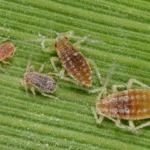 PestMealy Plum AphidHyalopterus pruni (Geoffroy, 1762)
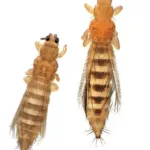 PestOnion thripsThrips tabaci Lindeman
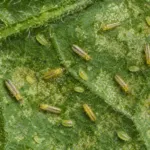 PestMelon thripsThrips palmi Karny
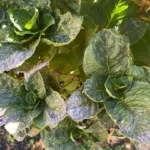 PestChilli thripsScirtothrips dorsalis Hood
 DiseaseAster yellows‘Candidatus Phytoplasma asteris’
 Environmental stressSalt stress
 Environmental stressHeat stress
Toxicity and pollen
Alocasia species contain insoluble calcium oxalate crystals. Chewing or swallowing plant material can cause immediate mouth irritation, pain, swelling, drooling, nausea, vomiting, or difficulty swallowing; sap may also irritate skin. Wear gloves when handling damaged tissue, wash hands afterward, and seek professional medical or veterinary advice after significant exposure.
- Pollination / pollen
- Pollen produced within the spadix; airborne relevance not established
This flowering aroid produces pollen internally on its spadix, but reliable U.S. data on airborne pollen levels or allergy incidence for this exact species were not found. The inflorescence is not known here as a major outdoor airborne-pollen source; people with sensitivities should still avoid contact with sap and plant debris.
Native habitat
Kew records the native range in the Philippines, including Mindanao, and Bali in the Lesser Sunda Islands. The species is associated with wet tropical conditions; the detailed type-habitat account describes rocky soil on a steep forest-edge slope at about 80 m elevation. It is not a cold-climate plant.
Interesting fact
The species was formally published in 1999. Its known botanical description is based on a small plant with about six leaves and a short stem. The type habitat is described as rocky soil on a steep slope at a forest edge. The spathe is white and about 6 cm long.
Frequently asked questions (FAQ)
The most relevant questions about this plant, with short and direct answers.
🌱Quick care
What is Alocasia clypeolata commonly called?⌄
Alocasia clypeolata is commonly called Green Shield Alocasia. It is an elephant’s-ear plant in the Araceae family, grown mainly for its glossy, shield-shaped green leaves.
How do you care for Green Shield Alocasia?⌄
Give Green Shield Alocasia bright filtered light, evenly moist but well-drained soil, warm temperatures, and moderate to high humidity. Protect it from cold drafts, frost, and prolonged direct afternoon sun.
Is Alocasia clypeolata easy to grow indoors?⌄
Alocasia clypeolata is moderately demanding indoors because it dislikes both dry soil and waterlogged roots. Consistent moisture, warm conditions, good light, and stable humidity make it much easier to grow.
🌤️Environment and placement
How much light does Alocasia clypeolata need?⌄
Alocasia clypeolata grows best in bright filtered or indirect light to partial shade. Protect the leaves from harsh, unfiltered afternoon sun, which can cause scorch, while very low light may produce weaker growth.
Can Green Shield Alocasia grow in low light?⌄
Green Shield Alocasia can tolerate partial shade but usually performs poorly in very low light. Growth may slow, leaves may become smaller, and the soil may stay wet longer, increasing the risk of root problems.
Can Alocasia clypeolata grow outside in the United States?⌄
Alocasia clypeolata can grow outdoors year-round only in warm, frost-free areas, generally USDA Zones 9–11 with suitable protection. In cooler parts of the United States, grow it in a container and bring it indoors before temperatures fall below 50°F.
What temperature is best for Green Shield Alocasia?⌄
Green Shield Alocasia prefers warm indoor temperatures around 65–85°F. Protect it below 50°F, and avoid cold drafts, sudden temperature changes, and contact with chilled windows during winter.
Does Alocasia clypeolata need high humidity?⌄
Alocasia clypeolata benefits from moderate to high humidity, especially in dry homes during winter. A humidifier, plant grouping, or a naturally humid room is generally more effective than frequent misting.
💧Care and problems
How often should you water Alocasia clypeolata?⌄
Water Alocasia clypeolata when the upper layer of potting mix has begun to dry, then water thoroughly until excess drains from the pot. Keep the mix evenly moist, but never leave the roots sitting in standing water.
Why are the leaves of my Alocasia clypeolata turning yellow?⌄
Yellow leaves commonly result from overwatering, poor drainage, underwatering, inadequate light, or normal aging of an older leaf. Check the soil and roots first, then correct moisture and light gradually rather than changing several conditions at once.
Why is my Green Shield Alocasia drooping?⌄
Drooping can indicate dry soil, root damage from excess moisture, temperature stress, or insufficient light. Check the root zone before watering again, because adding water to already saturated soil can worsen the problem.
Why does Alocasia clypeolata have brown leaf tips?⌄
Brown leaf tips usually indicate dry air, inconsistent watering, salt buildup, or excessive direct light. Keep watering more consistent, improve humidity, flush accumulated fertilizer salts occasionally, and filter strong sunlight.
What soil is best for Alocasia clypeolata?⌄
Use a moisture-retentive, humus-rich, well-drained mix with plenty of aeration, such as quality houseplant soil combined with perlite and orchid bark. The mix should hold moisture without becoming dense or soggy.
How do you fertilize Green Shield Alocasia?⌄
Fertilize Green Shield Alocasia lightly during active spring and summer growth with a balanced, diluted houseplant fertilizer. Reduce or stop feeding when growth slows in fall and winter, and avoid fertilizing severely stressed or freshly repotted plants.
What pests attack Alocasia clypeolata?⌄
Spider mites, aphids, mealybugs, and scale can attack Alocasia clypeolata, particularly when the plant is stressed or indoor air is dry. Inspect leaf undersides and stems regularly and isolate affected plants promptly.
How do you treat root rot on Alocasia clypeolata?⌄
Treat root rot by removing the plant from its pot, cutting away soft or dark roots with clean tools, and repotting into fresh, airy mix. Use a pot with drainage and water only when the surface layer has started to dry.
Why is my Alocasia clypeolata losing leaves?⌄
Leaf loss may follow overwatering, underwatering, cold exposure, low light, pest damage, or a normal seasonal slowdown. Correct the underlying condition and keep the corm warm and lightly moist; an otherwise healthy plant may regrow after temporary dormancy.
🪴Planting and repotting
When should you repot Alocasia clypeolata?⌄
Repot Alocasia clypeolata when roots fill the container, drainage slows, or the potting mix has broken down, preferably during active growth. Move it into a pot only slightly larger than the current one to avoid excess wet soil.
Does Alocasia clypeolata need a drainage hole?⌄
Yes, Alocasia clypeolata should be planted in a container with a drainage hole. A decorative cachepot may be used, but empty any collected water after watering so the roots do not remain saturated.
Can Alocasia clypeolata grow in self-watering soil or semi-hydroponics?⌄
Alocasia clypeolata can adapt to semi-hydroponic or self-watering setups, but the transition should be gradual and the roots must receive oxygen. Avoid keeping a newly moved plant continuously waterlogged, especially if it has damaged or soil-grown roots.
✂️Propagation and pruning
How do you propagate Alocasia clypeolata?⌄
Propagate Alocasia clypeolata by separating rooted offsets or small corms during repotting. Each division should have a viable growing point and, ideally, roots; leaf cuttings alone generally do not produce a new plant.
Can you propagate Green Shield Alocasia from a leaf cutting?⌄
A leaf or petiole cutting alone will not normally produce a new Green Shield Alocasia because it lacks the growth tissue needed to form a plant. Propagation requires a corm, offset, or division containing a growing point.
Should you prune damaged leaves from Alocasia clypeolata?⌄
Remove fully yellow, dead, or badly damaged leaves by cutting the petiole near its base with clean shears. Do not remove partially green leaves too early, because they can still provide energy to the corm.
⚠️Toxicity and safety
Is Alocasia clypeolata toxic to pets?⌄
Yes, Alocasia clypeolata is toxic if chewed or swallowed by pets. Keep it away from dogs, cats, and other animals, and contact a veterinarian promptly if ingestion occurs.
Is Green Shield Alocasia toxic to humans?⌄
Yes, Green Shield Alocasia is toxic if chewed or swallowed and may irritate the mouth, throat, and digestive system. Wear gloves when handling damaged tissue if you have sensitive skin, and seek medical or poison-control advice after ingestion.
Can you touch Alocasia clypeolata?⌄
You can handle Alocasia clypeolata, but wash your hands afterward and avoid contact with sap if your skin is sensitive. Keep plant material away from the eyes and mouth, and use gloves when pruning or repotting.
🌸Flowering and special interest
Does Alocasia clypeolata produce flowers?⌄
Yes, Alocasia clypeolata can produce the typical arum-like inflorescence consisting of a spathe and spadix. Flowering is more likely when the plant is mature and receiving warm temperatures, adequate light, moisture, and nutrition.
What should you do when Alocasia clypeolata flowers?⌄
Leave the flower in place if you want to enjoy it, or remove it at the base if the plant is weak and needs to prioritize foliage. Flowering can temporarily reduce leaf production because it uses stored energy.
Is a new shoot on Green Shield Alocasia a flower or a leaf?⌄
A new shoot may be either a leaf or an inflorescence, and the difference becomes clearer as it develops. A rolled, pointed structure usually unfolds into a leaf, while a thicker enclosed structure may develop into a spathe and spadix.
Similar plants
 Saucer Magnolia (Magnolia soulangeana) care guideMagnolia soulangeana
 Magnolia × loebneri ‘Merrill’Magnolia × loebneri 'Merrill'
 Magnolia loebneri care guideMagnolia loebneri
 Sweetbay magnolia (Magnolia virginiana) care guideMagnolia virginiana
 Star magnolia (Magnolia stellata) care guideMagnolia stellata
 Magnolia sprengeri care guideMagnolia sprengeri