
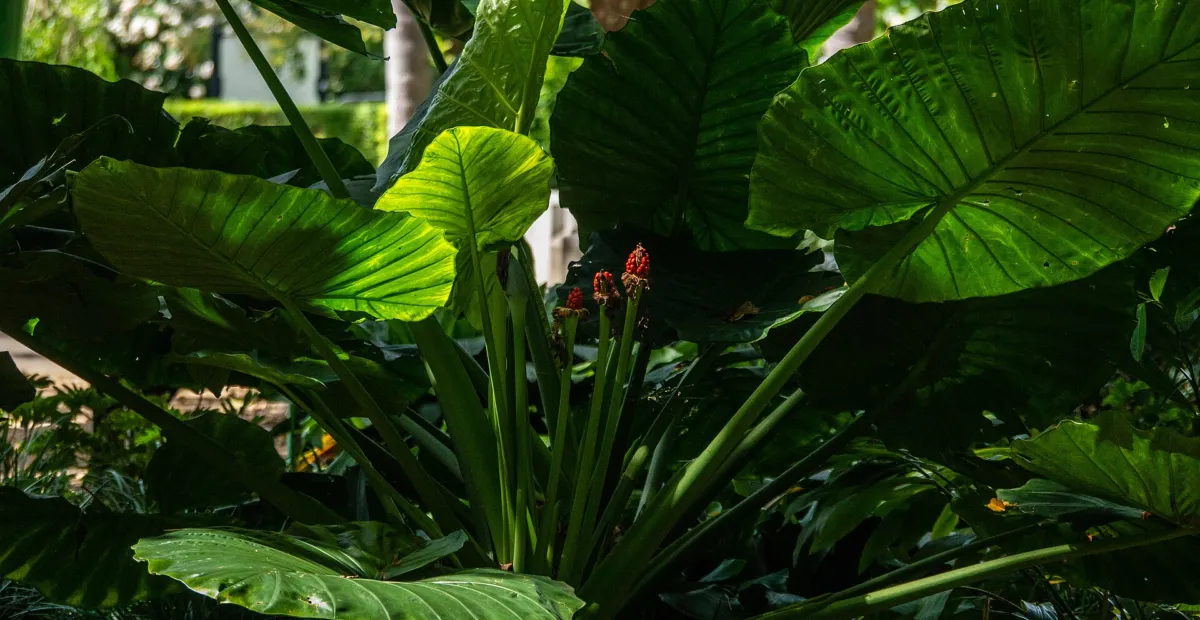
 Source:
 Cunjevoi (Alocasia brisbanensis) short overview
Cunjevoi (Alocasia brisbanensis) is a striking evergreen aroid native to eastern Australia, valued for its glossy, oversized leaves and unusual fragrant inflorescences. It performs best in warm, sheltered conditions with evenly moist, humus-rich soil and filtered light. Mature plants can become substantial, making them effective in tropical or woodland-style plantings. Every part is potentially poisonous, however, and the sap may severely irritate the mouth, skin, and eyes.
Taxonomic classification
Cunjevoi (Alocasia brisbanensis) care guide
Light and placement
Give Cunjevoi bright filtered light, dappled shade, or light shade. A position with morning light or an east-facing exposure is generally safer than hot western sun. Too much direct midday sun can scorch or bleach the leaves; too little light produces stretched growth, smaller leaves, and reduced vigor. Shelter the plant from drying winds and reflected heat.
Watering and humidity
Keep the soil evenly moist but not saturated. Water deeply when the surface begins to dry, then let excess drain fully; do not leave a container standing in water. Increase watering during hot, bright active growth and reduce it in cool, dim weather. Humidity is helpful, but good airflow is important to limit leaf disease.
Soil and growing medium
Use a humus-rich, moisture-retentive but well-drained soil or container mix. A slightly acidic to neutral reaction is suitable. Improve heavy soil with organic matter and drainage material, but do not allow the rootstock to remain stagnant in water. Mulch helps maintain even moisture while keeping the crown and stems from staying constantly wet.
Feeding
Feed during active warm-season growth with a balanced, complete fertilizer diluted to about half the label strength every 3–4 weeks, or use a controlled-release product according to its label. Water the soil first if it is dry. Reduce or stop feeding during cool, dim winter conditions or whenever growth has nearly stopped.
Growth and habit
This warm-climate perennial develops from a thick fleshy rootstock and produces a clumping display of large leaves on sturdy, sometimes semi-prostrate stems. Growth is strongest with warmth, moisture, and filtered light. Remove damaged leaves at the base and give the plant a stable position as the foliage becomes heavy.
Planting and repotting
Plant outdoors only after danger of frost has passed, choosing a sheltered site with filtered light and consistently moist soil. Set the plant at the same depth at which it was growing; do not bury the crown or fleshy stems. Allow room for a broad clump and water thoroughly during establishment.
Repot container plants when the root system fills the pot or growth slows, preferably during active spring or summer growth. Move up only one pot size and use a stable, heavy container because the large leaves can make the plant top-heavy. Handle the rootstock and sap carefully with gloves.
Propagation and pruning
Propagation
Propagate by division of established clumps or by separating offsets during warm active growth. Seed propagation is possible after ripe berries develop, but seed availability and viability are inconsistent. Wear gloves because cut surfaces and sap are irritating and toxic.
Pruning
Remove yellow, torn, or diseased leaves at the base with clean tools. Cut away spent inflorescences or fruiting stalks if seed is not wanted. Wear gloves and eye protection because the sap is irritating; bag discarded material and keep trimmings away from children and animals.
Overwintering
In frost-prone areas, grow in a container and move it indoors or into a heated greenhouse before temperatures approach freezing. Provide bright indirect light, reduce watering as growth slows, and keep the plant away from cold drafts. In warm climates, protect the crown with mulch and cover exposed plants during brief cold snaps.
Uses
Use Cunjevoi as a bold foliage accent in frost-free beds, shaded courtyards, conservatories, and large containers. Its architectural leaves suit tropical and rainforest-style designs. Do not recommend it for edible, medicinal, school, or pet-accessible plantings because all parts are potentially toxic.
Appearance
The plant has glossy, dark-green, fleshy leaves with a broad heart-shaped base and a blunt to pointed tip. Thick green petioles and stems arise from a substantial fleshy rootstock. The hooded greenish-cream spathe and central yellow spadix are followed by clustered red berries when pollination is successful.
Flowering
The inflorescence is a hooded greenish-cream spathe surrounding a yellow spadix. It is fragrant and followed, when pollination succeeds, by clusters of red berries. Flowering is not reliably documented for the United States and may be uncommon in cool or indoor conditions.
Pollination and visitors
The flowers are fragrant and structurally typical of insect-associated aroids, but a specific pollinator for Alocasia brisbanensis was not sufficiently documented in the sources reviewed. Red fruits are documented as food for native birds, but fruit visitors should not be treated as confirmed pollinators.
Alocasia brisbanensis photos
Click any photo for a larger view. Source, author and license are shown separately.
Diseases and pests
Diseases
Prevent problems by providing air circulation, avoiding persistently waterlogged soil, and watering the root zone rather than wetting foliage. Watch for soft, darkening crown or root tissue, which can indicate rot; remove affected material and correct drainage. Leaf-spot symptoms warrant removal of badly affected leaves and improved ventilation.
Pests
Inspect undersides of leaves for spider mites, thrips, scale, and mealybugs, especially when plants are stressed by dry air. Rinse foliage, improve humidity and airflow, and use insecticidal soap or horticultural oil only according to the product label. Isolate affected containers and avoid treating heat-stressed plants.
Related diseases and pests
Only Plant Doctor profiles whose host data indicate this plant may be affected are shown here.
 DiseaseRhizopus soft rotRhizopus stolonifer
 DiseaseBacterial soft rotPectobacterium carotovorum
 DiseaseAlternaria leaf spot and fruit rotAlternaria alternata
 DiseasePhytophthora root and crown rotPhytophthora nicotianae
 Environmental stressWaterlogging
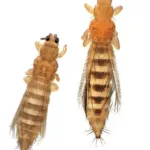 PestOnion thripsThrips tabaci Lindeman
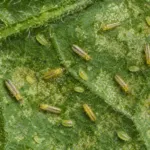 PestMelon thripsThrips palmi Karny
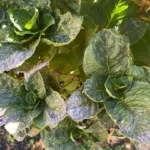 PestChilli thripsScirtothrips dorsalis Hood
Toxicity and pollen
All parts contain irritating calcium oxalate-type compounds and are potentially poisonous if chewed or swallowed. Exposure can cause immediate burning, swelling, numbness, and severe irritation of the mouth; sap can also injure skin and eyes. Keep away from children and pets, wear gloves when handling, and seek urgent medical help for breathing or swallowing difficulty.
- Pollination / pollen
- Flower pollen, not well characterized for airborne exposure
This is a flowering aroid, so it produces pollen, but reliable evidence for significant airborne allergy exposure from Alocasia brisbanensis was not found. The inflorescence is enclosed by a spathe, which may limit casual pollen dispersal, but sensitive individuals should avoid handling flowers if symptoms occur.
Native habitat
In its native eastern Australian range, Cunjevoi occurs in rainforest understorey, rainforest margins, and other moist sheltered habitats. It favors warm climates, rich soils, dependable moisture, and protection from strong sun and cold winds, although established plants may tolerate some seasonal dryness.
Interesting fact
Cunjevoi is native from northern and eastern Queensland south into eastern New South Wales. Its large leaves can serve as host foliage for hawk moth larvae, while its red fruits are eaten by some native birds. It is easily confused with Alocasia macrorrhizos, but the two taxa are distinct in current taxonomic treatments.
Frequently asked questions (FAQ)
The most relevant questions about this plant, with short and direct answers.
🌱Quick care
What is Alocasia brisbanensis commonly called?⌄
Alocasia brisbanensis is commonly called Cunjevoi. It is also known in some references as a native lily, spoon lily, or elephant ear.
Is Alocasia brisbanensis easy to grow?⌄
Alocasia brisbanensis is moderately easy to grow when given warmth, filtered light, consistent moisture, and good drainage. It is less forgiving of frost, drought, and waterlogged cold soil.
How much light does Alocasia brisbanensis need?⌄
Give Alocasia brisbanensis bright filtered light to shade. Protect it from intense afternoon sun, which can scorch the large leaves.
How often should I water Alocasia brisbanensis?⌄
Water Alocasia brisbanensis when the soil surface begins to dry, keeping the mix evenly moist but never constantly saturated. Watering needs decrease during cool or dormant periods.
What soil is best for Alocasia brisbanensis?⌄
Use humus-rich, moisture-retentive soil that drains freely. A quality potting mix amended with compost, fine bark, or perlite can provide the needed balance.
🌤️Environment and placement
Can Alocasia brisbanensis grow indoors?⌄
Alocasia brisbanensis can grow indoors near a bright window with filtered light, warmth, and steady moisture. Its mature size may require a large container and adequate humidity.
Can Alocasia brisbanensis grow outdoors in the United States?⌄
It can grow outdoors year-round only in warm, frost-free parts of the United States, such as some tropical and subtropical areas. In colder regions, grow it in a container or bring it indoors before freezing weather.
What USDA hardiness zone is suitable for Alocasia brisbanensis?⌄
Alocasia brisbanensis is best suited to warm USDA-style climates around Zones 9–11, with protection possibly needed in marginal areas. Treat it as frost tender wherever freezing temperatures occur.
Can Alocasia brisbanensis tolerate full sun?⌄
Alocasia brisbanensis generally prefers filtered light or shade rather than full sun. Gentle morning sun may be tolerated, but strong direct sunlight can bleach or burn the foliage.
How cold can Alocasia brisbanensis tolerate?⌄
Alocasia brisbanensis is frost tender and should be protected from freezing temperatures. Cold may damage the leaves and prolonged exposure can injure or kill the rootstock.
Does Alocasia brisbanensis need high humidity?⌄
Alocasia brisbanensis benefits from moderate to high humidity, especially indoors during dry winter conditions. Good air circulation is also important to reduce fungal and pest problems.
💧Care and problems
Why are the leaves of my Alocasia brisbanensis turning yellow?⌄
Yellow leaves commonly result from overwatering, poor drainage, cold conditions, or natural aging. Check the roots and soil moisture before increasing or reducing watering.
Why is my Alocasia brisbanensis drooping?⌄
Drooping usually indicates underwatering, root damage from soggy soil, cold stress, or sudden environmental change. Check the soil and roots rather than watering automatically.
Why are Alocasia brisbanensis leaf tips turning brown?⌄
Brown leaf tips can be caused by dry air, inconsistent watering, salt buildup, or excessive direct sun. Keep moisture more consistent and flush container soil occasionally if fertilizer salts accumulate.
Should I fertilize Alocasia brisbanensis?⌄
Feed Alocasia brisbanensis lightly during active growth with a balanced, diluted fertilizer. Stop or greatly reduce feeding when growth slows in cool or low-light conditions.
What pests affect Alocasia brisbanensis?⌄
Spider mites, thrips, mealybugs, and scale can affect Alocasia brisbanensis, particularly indoors or in dry conditions. Inspect leaf undersides regularly and treat infestations promptly with a suitable labeled product.
Does Alocasia brisbanensis go dormant?⌄
Alocasia brisbanensis may slow down or lose foliage during cool, dark, or stressful periods. Reduce watering while growth is inactive, but do not allow the rootstock to remain completely dry for long periods.
🪴Planting and repotting
When should I plant Alocasia brisbanensis outdoors?⌄
Plant Alocasia brisbanensis outdoors after the danger of frost has passed and the soil has warmed. Choose a sheltered, shaded location with rich, consistently moist soil.
How often should I repot Alocasia brisbanensis?⌄
Repot Alocasia brisbanensis when roots fill the container, drainage declines, or growth becomes crowded rather than on a fixed schedule. Spring or the start of active growth is usually the least stressful time.
Does Alocasia brisbanensis need a large pot?⌄
Use a pot only slightly larger than the root ball and make sure it has drainage holes. An oversized pot holds excess moisture and increases the risk of root or corm rot.
Can Alocasia brisbanensis grow in wet soil?⌄
Alocasia brisbanensis likes evenly moist soil but should not sit in stagnant, waterlogged conditions. Constant saturation is especially risky in cool weather or poorly drained containers.
✂️Propagation and pruning
How do you propagate Alocasia brisbanensis?⌄
Propagate Alocasia brisbanensis by separating offsets or divisions from the clumping rootstock. Division is generally more reliable than growing it from seed for home gardeners.
Can Alocasia brisbanensis be grown from seed?⌄
Alocasia brisbanensis can be grown from seed, but fresh seed and warm, consistently moist conditions are important. Seed-grown plants may take longer to reach a useful size than divided offsets.
Can I propagate Alocasia brisbanensis from a leaf cutting?⌄
A leaf cutting alone will not normally produce a new Alocasia brisbanensis plant because new growth comes from the rootstock or a viable growing point. Propagation requires an offset, division, or seed.
Should I cut off damaged Alocasia brisbanensis leaves?⌄
Remove leaves that are fully dead, badly damaged, or diseased by cutting the stalk near its base with clean tools. Leave partially green leaves in place because they can still support the plant.
⚠️Toxicity and safety
Is Alocasia brisbanensis poisonous?⌄
Alocasia brisbanensis is potentially poisonous because its tissues contain irritating calcium oxalate crystals. Ingestion can cause intense burning, pain, swelling, and numbness in the mouth and throat.
Is Alocasia brisbanensis toxic to dogs and cats?⌄
Alocasia brisbanensis should be treated as toxic to dogs and cats if chewed or eaten. Keep it away from pets and contact a veterinarian or animal poison service if ingestion occurs.
Can Alocasia brisbanensis irritate skin or eyes?⌄
Yes, the sap of Alocasia brisbanensis can irritate skin and eyes. Wear gloves when pruning or dividing it, wash exposed skin promptly, and rinse eyes with clean water if contact occurs.
What should I do if someone eats Alocasia brisbanensis?⌄
Remove plant material from the mouth, rinse gently, and seek medical or poison-control advice promptly. Get emergency help immediately for severe swelling, trouble swallowing, or difficulty breathing.
🌸Flowering and special interest
Does Alocasia brisbanensis flower?⌄
Alocasia brisbanensis produces fragrant, greenish-cream flowers consisting of a spathe and central spadix. Mature, established plants are more likely to flower under warm, favorable conditions.
What do Alocasia brisbanensis flowers look like?⌄
The flowers resemble an arum or calla-type bloom, with a greenish-cream spathe surrounding a yellowish central spadix. After pollination, clusters of berries may develop and mature from green toward red.
Should I cut off an Alocasia brisbanensis flower?⌄
You do not need to remove an Alocasia brisbanensis flower unless it is damaged or you want to conserve energy for foliage. Use gloves when handling flowers or sap because the plant can irritate skin and eyes.
Similar plants
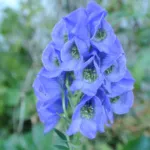 Azure Monkshood (Aconitum carmichaelii) care guideAconitum carmichaelii
 Monkshood (Aconitum ‘Stainless Steel’)Aconitum 'Stainless Steel'
 Monkshood (Aconitum ‘Bressingham Spire’)Aconitum 'Bressingham Spire'
 Golden full moon maple (Acer shirasawanum ‘Aureum’)Acer shirasawanum 'Aureum'
 Globosum (Acer platanoides ‘Globosum’)Acer platanoides 'Globosum'
 Striped maple (Acer pensylvanicum) care guideAcer pensylvanicum