
 AI-generated illustration
Alocasia azlanii short overview
Alocasia azlanii is a compact tropical aroid native to Brunei on Borneo and valued primarily as an indoor foliage plant. Its glossy, broadly ovate leaves combine dark coppery-purple green surfaces with conspicuous red to purple venation and pale green undersides. It prefers warm temperatures, bright filtered light, high humidity and an airy, consistently lightly moist substrate. Like other Alocasias, it contains irritating calcium oxalate crystals and should be kept away from children and pets.
Taxonomic classification
Alocasia azlanii care guide
Light and placement
Place in bright, filtered light near an east- or north-facing window, or several feet back from a bright south- or west-facing window behind a sheer curtain. Gentle morning sun may be tolerated, but harsh direct afternoon sun can bleach or scorch the leaves. Small leaves, long petioles and weak coloration suggest insufficient light; pale, crispy or browned patches suggest excessive direct light or dry air.
Watering and humidity
Water thoroughly when the upper inch of mix begins to dry, then allow excess water to drain completely. Keep the root zone lightly and evenly moist during active growth rather than alternating between saturation and severe dryness. In fall and winter, water less often as light and growth decrease, but do not let the rhizome remain bone-dry for extended periods. High humidity helps reduce leaf-edge browning, but airflow is still important.
Soil and growing medium
Use a loose, airy aroid mix that drains quickly but holds some moisture: quality potting mix or coco coir combined with fine bark and perlite or pumice. A slightly acidic to neutral reaction is suitable. Avoid dense, waterlogged soil, which can deprive the rhizome and roots of oxygen and increase rot risk.
Feeding
Feed during active growth with a complete, balanced houseplant fertilizer diluted to about one-quarter to one-half the label rate every 2–4 weeks. Water first if the mix is dry, and reduce or stop feeding during cool, low-light periods or when growth has paused. Flush the container occasionally to limit salt buildup.
Growth and habit
This is a compact, rhizomatous, clump-forming perennial that produces leaves from a short central growth point. New leaves emerge successively and may decline after stress, cold or root disturbance. Consistent warmth, stable moisture and active growth conditions help maintain foliage; sudden environmental changes can trigger temporary dormancy or leaf loss.
Planting and repotting
In the United States, grow this tender species in containers unless conditions remain genuinely tropical. Set the rhizome at the same depth as before, with the upper rhizome near the soil surface. Allow room for a compact clump and establish it in warm weather before exposing it to brighter light or outdoor conditions.
Repot in spring or when roots fill the container, using a pot only modestly larger than the previous one. Handle the short rhizome and roots gently, refresh compacted mix, and keep the plant warm after transplanting. Do not bury the rhizome deeply; its upper surface should remain close to the substrate.
Propagation and pruning
Propagation
Propagate by separating offsets or rhizome divisions when the plant is actively growing and warm. Each division should retain viable roots and at least one growth point. Keep divisions in a lightly moist, airy medium with high humidity until new growth confirms establishment. Seed propagation is possible in principle but species-specific seed availability and protocols are limited.
Pruning
Pruning is limited to removing yellowing, dead or badly damaged leaves. Cut the petiole cleanly near its base with sterilized shears, avoiding injury to emerging leaves and the rhizome. Do not remove healthy foliage merely to reshape the plant; each leaf contributes energy to future growth.
Overwintering
Keep indoors before nighttime temperatures approach 50°F. Protect from drafts, cold windows and unheated rooms. In winter, provide the brightest filtered light available, reduce watering as growth slows, and avoid fertilizer during dormancy. If leaves decline after a cold or dry spell, keep the rhizome warm and only lightly moist until new growth resumes.
Uses
Primarily an ornamental foliage plant for indoor containers, terrariums, plant cabinets and warm conservatories. Its compact habit suits shelves and small collections. It has no well-supported culinary or medicinal use for this exact species, and it should not be consumed because Alocasia tissues contain irritating calcium oxalate crystals.
Appearance
The plant has a compact clumping habit with several leaves on short to medium green petioles. Mature blades are broadly ovate to elliptic, glossy and somewhat leathery, with a dark coppery-purple green upper surface and pale green underside. Prominent lateral, marginal and intramarginal veins help distinguish the species and may appear red, purple or coppery depending on age and light.
Flowering
The inflorescence is a typical aroid structure consisting of a spathe surrounding a spadix, rather than a showy conventional flower. White spathe inflorescences are reported occasionally, especially on mature or vigorous plants. Flowering is sporadic and not reliably tied to a particular month for indoor plants in the United States.
Pollination and visitors
No reliable species-specific documentation was found for the principal animal pollinator or visitor of Alocasia azlanii. Aroid inflorescences can have specialized insect relationships, but visitors documented for other Alocasia species should not be assigned to this species without direct evidence.
Diseases and pests
Diseases
The main risks are root or rhizome rot from saturated media and fungal or bacterial leaf spotting under persistently wet, poorly ventilated conditions. Use a clean pot, fast-draining mix and containers with drainage holes. Remove badly damaged leaves with sterilized tools, improve airflow and avoid wetting foliage late in the day.
Pests
Watch for spider mites, thrips, mealybugs and scale, especially in dry indoor air. Inspect leaf undersides and petiole bases regularly. Isolate affected plants, wipe or wash pests away where practical, and use a labeled houseplant treatment according to its directions. Avoid stressing the plant with severe dryness or repeated overwatering.
Related diseases and pests
Only Plant Doctor profiles whose host data indicate this plant may be affected are shown here.
 DiseaseRhizopus soft rotRhizopus stolonifer
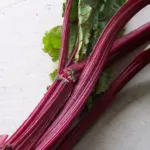 DiseaseBacterial soft rotPectobacterium carotovorum
 DiseaseRhizoctonia DiseasesRhizoctonia solani Kühn
 Environmental stressUnderwatering
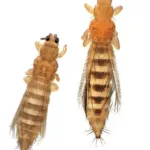 PestOnion thripsThrips tabaci Lindeman
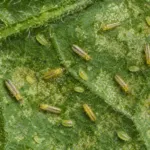 PestMelon thripsThrips palmi Karny
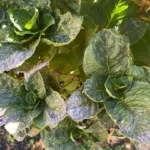 PestChilli thripsScirtothrips dorsalis Hood
 DiseaseBacterial WiltRalstonia solanacearum species complex
Toxicity and pollen
Alocasia species contain insoluble calcium oxalate crystals that can cause immediate burning, pain, swelling and irritation if plant tissue or sap is chewed or swallowed. Sap may also irritate skin and eyes. The exact toxic dose for Alocasia azlanii is not well established, so treat all parts as unsafe to ingest and wear gloves when handling damaged tissue.
- Pollination / pollen
- Pollen produced inside the aroid inflorescence; airborne exposure not characterized
This is a flowering aroid, so it produces pollen when it flowers, but species-specific measurements of airborne pollen release and allergy risk were not located. The inflorescence is enclosed by a spathe for much of its development, so routine indoor exposure is likely limited, but this should not be interpreted as proof of zero allergy risk.
Native habitat
Kew records the species as native to Borneo, specifically Brunei, within the wet tropical biome. It is associated with warm, humid forest conditions rather than frost-prone environments. The species-level habitat description is limited in widely available sources, so precise elevation, soil geology and microhabitat details remain uncertain.
Interesting fact
Alocasia azlanii was formally described as a species in 2016. Its accepted native range is Brunei on Borneo, where it grows in wet tropical conditions. The species is distinguished by compact stature and strongly marked venation, making it especially valued by aroid collectors. The scientific species name should not be replaced by an invented common name.
Frequently asked questions (FAQ)
The most relevant questions about this plant, with short and direct answers.
🌱Quick care
How do you care for Alocasia azlanii indoors?⌄
Grow Alocasia azlanii in bright filtered light, an airy well-drained aroid mix, and lightly moist soil. Keep it warm, protect it from drafts, and provide moderate to high humidity.
Is Alocasia azlanii easy to grow?⌄
Alocasia azlanii is moderately challenging because it is sensitive to overwatering, cold, and sudden environmental changes. Stable warmth, filtered light, airy soil, and consistent moisture make it more dependable.
🌤️Environment and placement
How much light does Alocasia azlanii need?⌄
Provide bright filtered or indirect light, with partial shade acceptable. Avoid strong direct midday sun, which can scorch its leaves, while very low light may reduce growth and color.
Can Alocasia azlanii grow in a north-facing window?⌄
It can grow near a bright north-facing window, especially if the plant receives several hours of good ambient light. Move it closer to the window or add a grow light if growth becomes weak or leaves become smaller.
What temperature is best for Alocasia azlanii?⌄
Keep Alocasia azlanii warm, ideally above 65°F, and protect it from temperatures below 50°F. Cold, wet conditions greatly increase the risk of root or rhizome problems.
Does Alocasia azlanii need high humidity?⌄
Yes, Alocasia azlanii generally grows best in moderate to high humidity. A humidifier is more reliable than misting, particularly during dry indoor winters or when heating systems are running.
Can Alocasia azlanii grow outdoors in the United States?⌄
It can grow outdoors only in warm, frost-free conditions with filtered light and protection from intense sun. In most of the United States, grow it as a container plant and bring it indoors before temperatures approach 50°F.
💧Care and problems
How often should you water Alocasia azlanii?⌄
Water when the upper part of the potting mix has begun to dry, then let excess water drain completely. Do not follow a fixed calendar because watering frequency changes with light, temperature, humidity, and pot size.
Should Alocasia azlanii soil dry out completely?⌄
No, the mix should not remain completely dry for long periods during active growth. Allow partial drying between waterings, but keep the root zone lightly and evenly moist rather than saturated.
Why is my Alocasia azlanii drooping?⌄
Drooping may result from underwatering, root damage, cold temperatures, transplant shock, or insufficient light. Check the moisture and roots first, because watering a drooping plant with already-saturated soil can worsen the problem.
Why are Alocasia azlanii leaves turning yellow?⌄
Yellow leaves commonly indicate overwatering, poor drainage, root stress, or normal aging of an older leaf. Inspect the roots and rhizome, improve airflow and drainage, and reduce watering if the mix stays wet.
Why does Alocasia azlanii have brown leaf edges?⌄
Brown edges can be caused by low humidity, inconsistent watering, salt buildup, or excessive direct sun. Keep moisture steadier, use well-draining mix, and flush accumulated fertilizer salts occasionally with clean water.
Why is my Alocasia azlanii losing leaves?⌄
Leaf loss can follow cold exposure, low light, root or rhizome rot, repotting stress, or seasonal slowdown. If the rhizome is firm and healthy, maintain warmth and careful moisture because the plant may regrow.
Does Alocasia azlanii go dormant in winter?⌄
Alocasia azlanii may slow down or partially enter dormancy during winter when light and temperatures fall. Reduce watering as growth declines, but do not let the rhizome remain cold and constantly wet.
What fertilizer does Alocasia azlanii need?⌄
Use a balanced liquid houseplant fertilizer diluted according to its label during active growth. Fertilize less often or stop when growth slows in winter, and avoid feeding a severely stressed or recently repotted plant.
What pests affect Alocasia azlanii?⌄
Alocasia azlanii can be affected by spider mites, mealybugs, thrips, and other common indoor-plant pests. Inspect leaf undersides and new growth regularly, isolate affected plants, and treat promptly with an appropriate houseplant-safe product.
🪴Planting and repotting
What is the best soil for Alocasia azlanii?⌄
Use an airy, chunky aroid mix that drains quickly while retaining modest moisture, such as houseplant mix combined with bark and perlite or pumice. Avoid dense garden soil or mixes that stay waterlogged.
What type of pot is best for Alocasia azlanii?⌄
Choose a pot with drainage holes that is only slightly larger than the root ball. A pot that is too large holds excess moisture and can increase the risk of root rot.
When should I repot Alocasia azlanii?⌄
Repot when roots fill the container, emerge from drainage holes, or the mix has broken down and drains poorly. Spring or summer is usually the least stressful time, although urgent repotting is appropriate for severe rot.
How deep should Alocasia azlanii be planted?⌄
Plant it at the same depth as before, keeping the rhizome and crown at or just above the surface of the mix. Planting the crown too deeply can trap moisture and encourage rot.
✂️Propagation and pruning
How do you propagate Alocasia azlanii?⌄
The most practical methods are separating offsets or growing corms produced around the rhizome. Division is best done during active growth, while corms need warmth, moisture, airflow, and patience to develop roots and leaves.
Can Alocasia azlanii be propagated from a leaf cutting?⌄
A leaf by itself usually cannot produce a new Alocasia azlanii plant because new growth develops from the rhizome or a corm. Propagation requires a viable rhizome section, offset, or corm with a growth point.
How long do Alocasia azlanii corms take to sprout?⌄
Corm sprouting time varies widely and may take several weeks or longer. Warm temperatures, bright indirect light, lightly moist media, and high humidity improve the chances of successful growth.
Should I cut damaged leaves off Alocasia azlanii?⌄
Remove leaves only when they are fully yellow, dead, badly damaged, or diseased. Use clean scissors and leave healthy green tissue in place because the plant still uses it for energy.
⚠️Toxicity and safety
Is Alocasia azlanii toxic to cats and dogs?⌄
Yes, Alocasia azlanii is toxic if chewed or ingested by cats, dogs, and people. Its sap and calcium oxalate crystals can irritate the mouth, throat, skin, and eyes, so keep it away from pets and children.
Should you wear gloves when handling Alocasia azlanii?⌄
Yes, wearing gloves is sensible when repotting, pruning, or dividing Alocasia azlanii. Its sap can irritate skin and eyes, so wash exposed skin and avoid touching your face while handling it.
🌸Flowering and special interest
Does Alocasia azlanii flower indoors?⌄
Alocasia azlanii can produce small arum-type flowers, but indoor flowering is uncommon and usually not the plant’s main ornamental feature. Mature, healthy plants receiving strong growing conditions are the most likely to bloom.
What do Alocasia azlanii flowers look like?⌄
The flowers are small, inconspicuous inflorescences typical of the arum family, consisting of a spathe and spadix. They are much less showy than the plant’s dark, metallic foliage and contrasting veins.
Similar plants
 Saucer Magnolia (Magnolia soulangeana) care guideMagnolia soulangeana
 Magnolia × loebneri ‘Merrill’Magnolia × loebneri 'Merrill'
 Magnolia loebneri care guideMagnolia loebneri
 Sweetbay magnolia (Magnolia virginiana) care guideMagnolia virginiana
 Star magnolia (Magnolia stellata) care guideMagnolia stellata
 Magnolia sprengeri care guideMagnolia sprengeri