
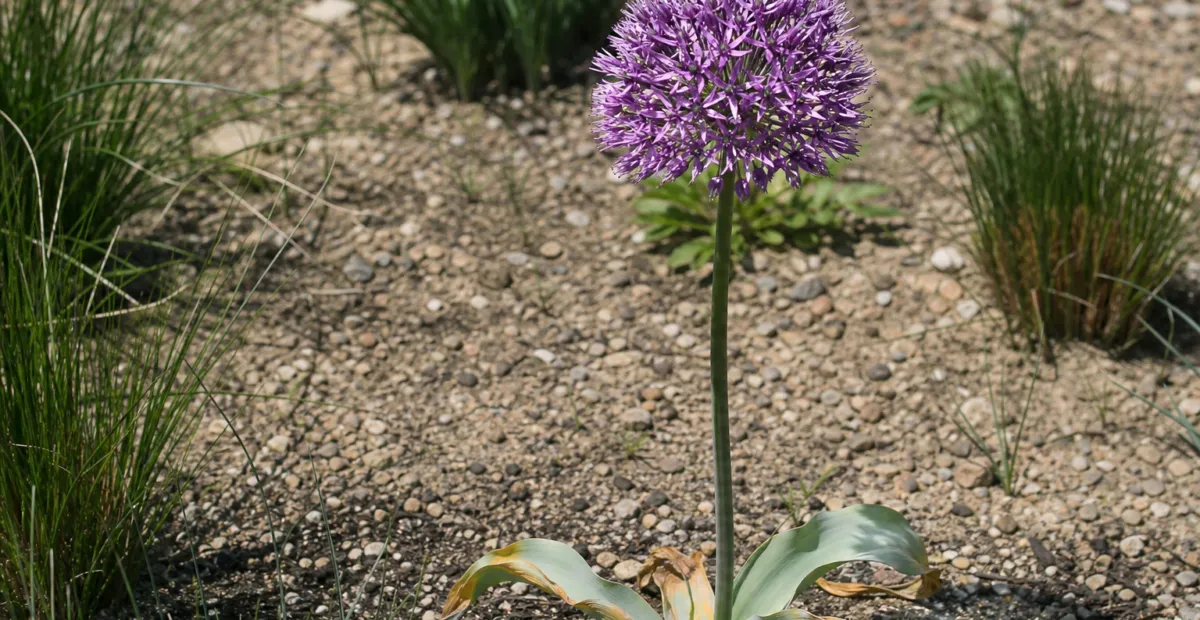
 AI-generated illustration
Allium stipitatum short overview
Allium stipitatum is a tall, bulbous perennial onion native from southeastern Türkiye through Central Asia to Pakistan. In late spring or early summer, it sends up a leafless, upright stalk topped with a dense globe of star-shaped pink, lilac, or purple flowers. The broad basal leaves usually fade as the flower stem develops. In U.S. gardens, it is best grown in full sun, sharply drained soil, and a position where its architectural flower heads can rise above shorter perennials.
Taxonomic classification
Allium stipitatum care guide
Light and placement
Give this allium full sun, ideally in an open bed with a south-, east-, or west-facing exposure. Strong light supports sturdy scapes and better flowering. Pale, floppy growth or sparse flower heads can indicate insufficient light; scorched foliage is less concerning than wet soil and usually reflects drought or transplant stress rather than excessive sun.
Watering and humidity
Water deeply after planting and during the first growing season whenever the upper few inches of soil dry. Once established, water sparingly: active spring growth benefits from regular moisture, but the bulb should become increasingly dry after flowering and through summer dormancy. Avoid frequent shallow irrigation and never leave the planting site waterlogged.
Soil and growing medium
Use loose, sharply drained soil with a sandy or gritty structure. Ordinary loam is suitable if it does not remain wet in winter. Improve heavy clay with grit and organic matter, or plant on a raised slope or mound. The species tolerates acid, neutral, and alkaline conditions, including chalky soils, but poor drainage is the main cultural risk.
Feeding
In fertile garden soil, routine fertilizer is usually unnecessary. Mix a modest amount of mature compost into poor soil before planting, then allow the plant to establish. If growth is weak, apply a balanced bulb fertilizer or low-nitrogen feed as shoots emerge in spring, following the product label. Do not feed heavily after flowering or during summer dormancy.
Growth and habit
This geophyte produces seasonal foliage from a perennial bulb, then concentrates its display on a tall, mostly leafless scape. Mature clumps can become crowded and flower less reliably, so divide offsets after the foliage has died back if flowering declines. The fading leaves are part of its normal seasonal cycle and should be allowed to recharge the bulb.
Planting and repotting
Plant healthy bulbs in early fall while the soil is still workable. Set each bulb point-up at roughly four times its diameter, firm the soil gently, and water once to settle the planting. Choose a site that will not be irrigated heavily during summer. Space bulbs about 8 inches apart, or group them more widely where individual architectural stems are desired.
Container-grown bulbs should be moved into a larger, deeper pot only when crowded or when the growing medium has degraded. Repot in early fall, using a gritty, free-draining bulb mix and a container with generous drainage holes. Protect containers from excessive winter rain and severe temperature swings, since roots and bulbs are more exposed above ground.
Propagation and pruning
Propagation
Propagate from seed or offsets. Sow fresh seed in containers in a cold frame when ripe, or sow in spring; germination and flowering from seed can take several years. Established clumps can be lifted and divided in autumn after the foliage has died back, separating offsets carefully and replanting them promptly.
Pruning
Pruning is minimal. Remove spent flower heads at the base if you want to prevent seed production or prefer a tidier appearance. Alternatively, leave them standing for structural interest. Do not cut down green basal leaves; wait until they yellow and die back naturally so the bulb can store energy for the following season.
Overwintering
Bulbs planted in the ground generally need no special winter protection in suitable climates if drainage is excellent. In colder regions, a light mulch can buffer temperature fluctuations, but avoid thick, wet mulch over the crown. Containers are more vulnerable to freezing and winter saturation; move them to a sheltered location protected from prolonged rain.
Uses
Use in sunny flower borders, gravel gardens, dry gardens, informal plantings, and as a cut flower. The tall scapes add vertical structure above lower perennials, while the dried heads can provide extended ornamental interest. It is also suitable for wildlife-oriented plantings because allium flowers can provide forage for insect visitors. Do not treat it as an edible shallot without verified identification and appropriate culinary guidance; ornamental bulbs should not be eaten.
Appearance
The bulb has dark, papery tunics. Four to six broad, strap-shaped basal leaves are gray-green and may be hairy, especially beneath. The smooth scape is tall and upright, ending in a compact spherical umbel. The foliage commonly withers as the flower stem expands, leaving the flower head visually isolated above the border.
Flowering
The flowering stalk rises after the basal leaves are established and bears a tightly packed, rounded umbel. Individual flowers are star-shaped with six tepals and may range from pink-lilac to deep purple; white forms are cultivated. Flowering is generally concentrated in May and June in much of the United States, with timing shifting by climate. Drying seed heads can remain ornamental after bloom.
Pollination and visitors
Open, nectar- and pollen-bearing allium umbels are commonly visited by bees, bumblebees, and hoverflies. General allium horticultural guidance recognizes the group as useful to pollinators, but a species-specific visitor inventory for Allium stipitatum in the United States is limited. Visitor activity is usually greatest during the May–June flowering period.
Diseases and pests
Diseases
Potential problems include onion white rot and downy mildew, especially in wet or poorly ventilated conditions. Prevent disease with well-drained soil, good spacing, clean planting material, and crop rotation away from related alliums. Remove severely affected plants and avoid replanting susceptible bulbs in contaminated soil.
Pests
Alliums are generally low-maintenance and relatively pest-resistant, but slugs, snails, onion fly, allium leaf miner, and other onion pests may occur. Inspect emerging foliage, remove damaged leaves, and use physical barriers or locally approved controls when needed. Avoid overhead irrigation and remove crop debris that could shelter pests.
Related diseases and pests
Only Plant Doctor profiles whose host data indicate this plant may be affected are shown here.
 DiseaseOnion downy mildewPeronospora destructor
 DiseaseAllium rustPuccinia allii
 PestAllium leafminerPhytomyza gymnostoma Loew
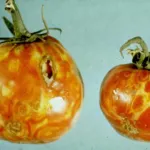 DiseaseTomato spotted wilt virusOrthotospovirus tomatomaculae (tomato spotted wilt virus; TSWV)
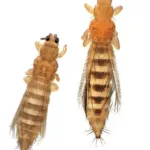 PestOnion thripsThrips tabaci Lindeman
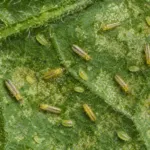 PestMelon thripsThrips palmi Karny
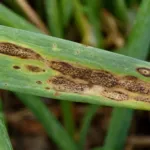 DiseaseStemphylium Leaf BlightStemphylium vesicarium (Wallr.) E.G. Simmons
 PestChilli thripsScirtothrips dorsalis Hood
Toxicity and pollen
Species-specific clinical data for Allium stipitatum are limited, but it belongs to Allium, a genus containing sulfur compounds that can damage red blood cells and cause gastrointestinal illness in susceptible pets when enough plant material is eaten. Treat bulbs, leaves, flowers, and seed heads as unsuitable for consumption. Keep pets and children from chewing the plant, especially the bulbs, and seek professional advice after ingestion.
- Typical season
- May–June in much of the United States
- Pollination / pollen
- Exposed floral pollen presented within open umbels
The flowers expose pollen within open umbels, but Allium stipitatum is primarily insect-visited rather than a major wind-pollinated allergen. Direct species-specific U.S. aeroallergen data are scarce, so the low rating is a cautious horticultural assessment, not proof of zero risk. People with strong pollen sensitivity should avoid handling flowers during peak bloom if symptoms occur.
Native habitat
The species is associated with temperate mountain and steppe environments from southeastern Türkiye through Iran, Afghanistan, Central Asia, and Pakistan. It grows in exposed, often rocky or open sites, including slopes and field-like habitats, where bulbs experience seasonal moisture followed by a comparatively dry summer dormancy.
Interesting fact
The specific epithet stipitatum refers to a stalked or shortly stalked structure, traditionally associated with the ovary. The bulbs are globose and covered by dark papery tunics. The species is sometimes discussed alongside Allium hirtifolium, but Allium stipitatum is accepted in the Kew taxonomic backbone. Tall stems and relatively compact umbels give it a strongly architectural profile.
Frequently asked questions (FAQ)
The most relevant questions about this plant, with short and direct answers.
🌱Quick care
What is Allium stipitatum?⌄
Allium stipitatum is a cold-hardy, bulbous perennial grown for tall, rounded clusters of pink to lilac flowers. It is also known as Persian shallot or Persian onion, but the scientific name is the clearest identifier in the United States.
🌤️Environment and placement
How much sunlight does Allium stipitatum need?⌄
Grow Allium stipitatum in full sun, ideally where it receives at least 6 hours of direct light daily. Strong light helps produce sturdy flower stems and better flowering.
What soil is best for Allium stipitatum?⌄
Use fertile, well-drained loam, sandy soil, or chalky soil. Improve heavy clay with coarse grit or another drainage amendment because winter-wet soil can cause bulb problems.
Is Allium stipitatum cold hardy?⌄
Yes, Allium stipitatum is a cold-hardy perennial when planted in well-drained soil. In colder parts of the United States, a light mulch can protect bulbs from extreme freeze-thaw cycles without keeping the soil soggy.
Can Allium stipitatum tolerate alkaline soil?⌄
Yes, Allium stipitatum tolerates neutral to alkaline conditions and grows well in chalky soil. Good drainage is more important than achieving a narrowly specific pH.
💧Care and problems
Is Allium stipitatum drought tolerant?⌄
Yes, established Allium stipitatum is drought tolerant and needs relatively little water. Water during prolonged dry periods while it is actively growing, but let the soil dry somewhat between waterings.
How often should I water Allium stipitatum?⌄
Water newly planted bulbs when the soil is dry several inches below the surface, then reduce watering after establishment. Avoid frequent irrigation and consistently wet soil, especially during dormancy.
Does Allium stipitatum need fertilizer?⌄
Allium stipitatum usually needs little fertilizer in reasonably fertile soil. If growth is weak, apply a modest bulb fertilizer or balanced slow-release fertilizer in fall or as growth begins, following the label rate.
Why is my Allium stipitatum not flowering?⌄
Poor flowering is commonly linked to immature bulbs, insufficient sunlight, overcrowding, or foliage removed too early the previous season. Bulbs grown from seed may take several years to reach flowering size.
Does Allium stipitatum spread aggressively?⌄
Allium stipitatum is generally a clump-forming bulb rather than an aggressively spreading garden plant. It can gradually increase through offsets and occasional seedlings, but it is usually manageable in a border.
What pests affect Allium stipitatum?⌄
Allium stipitatum is generally low-maintenance and relatively pest resistant. Poor drainage can be more serious than insect damage, although alliums may occasionally develop bulb diseases or downy mildew in damp conditions.
What diseases can affect Allium stipitatum?⌄
Allium stipitatum may be affected by onion white rot or downy mildew, especially in wet or poorly ventilated conditions. Plant in well-drained soil, avoid overhead watering, and remove badly diseased plant material.
🪴Planting and repotting
When should I plant Allium stipitatum bulbs?⌄
Plant Allium stipitatum bulbs in fall, several weeks before the ground freezes. Fall planting allows roots to develop before winter and supports flowering the following late spring or early summer.
How deep should Allium stipitatum bulbs be planted?⌄
Plant the bulbs with their pointed ends up and cover them with soil to roughly three times the bulb’s height. Use the supplier’s depth recommendation when it differs, particularly for unusually large bulbs.
How far apart should Allium stipitatum bulbs be planted?⌄
Space Allium stipitatum bulbs about 6 to 10 inches apart for a naturalized display, allowing extra room in rich soil. Larger spacing can reduce crowding and improve air circulation.
Can Allium stipitatum grow in containers?⌄
Yes, Allium stipitatum can grow in a deep container filled with sharply drained potting mix. Choose a pot with drainage holes, avoid waterlogged compost, and protect the container from severe winter exposure.
Can I grow Allium stipitatum in clay soil?⌄
You can grow it in clay soil only if drainage is improved substantially. Incorporate coarse grit or other suitable drainage material and consider raised planting areas if water remains after rain.
✂️Propagation and pruning
Should I cut back Allium stipitatum leaves after flowering?⌄
Do not cut the leaves while they are still green because they replenish the bulb for next year. Remove yellow or fully dried foliage, and cut flower stems after flowering if you do not want seedheads.
Does Allium stipitatum need pruning?⌄
Routine pruning is not required for Allium stipitatum. Leave attractive seedheads standing for ornamental interest, or remove them after flowering to keep the plant focused on bulb development.
How do I propagate Allium stipitatum?⌄
Propagate Allium stipitatum from seed or by separating offsets in autumn. Offsets are usually the quicker and more reliable method for producing flowering-size plants.
Can Allium stipitatum be grown from seed?⌄
Yes, sow fresh seed in containers in a cold frame or protected outdoor location. Seed-grown plants can take several years to mature and flower, so offsets are preferable when rapid results are important.
When should I divide Allium stipitatum?⌄
Divide Allium stipitatum in autumn while the bulbs are dormant or beginning their root growth. Lift the clump carefully, separate healthy offsets, and replant them promptly at the appropriate depth.
⚠️Toxicity and safety
Is Allium stipitatum toxic to dogs and cats?⌄
Allium stipitatum should be treated as potentially toxic if eaten by pets or people. Keep bulbs and plant material away from dogs, cats, livestock, and children, and contact a veterinarian or poison-control service if ingestion occurs.
Can you eat Allium stipitatum?⌄
Do not eat Allium stipitatum unless its identity and intended use have been confirmed by a qualified expert. Although some sources discuss culinary or traditional uses of related material, ornamental bulbs may be misidentified, treated with chemicals, or unsafe in quantity.
Is Allium stipitatum safe to plant around pets?⌄
It can be planted in a pet-accessible garden only with caution because ingestion may be harmful. Place bulbs where pets cannot dig them up, and promptly remove fallen plant material if animals are likely to chew it.
🌸Flowering and special interest
When does Allium stipitatum bloom?⌄
Allium stipitatum generally blooms in late spring to early summer, often around May or June depending on local conditions. Flowering may occur later in colder regions or earlier in warmer areas.
How tall does Allium stipitatum grow?⌄
Allium stipitatum commonly reaches about 3 to 5 feet tall, with the exact height depending on the form, soil, and growing conditions. Its tall, mostly leafless stems are best placed toward the middle or back of a border.
What color are Allium stipitatum flowers?⌄
The species typically produces densely packed, rounded umbels in pink, lilac, or purple shades. Cultivars such as ‘Mount Everest’ provide a white-flowered form associated with this species.
Are Allium stipitatum flowers good for pollinators?⌄
Yes, the open flower clusters attract bees and other pollinating insects. Planting several bulbs together creates a more noticeable nectar resource and a stronger visual display.
Can Allium stipitatum be used as a cut flower?⌄
Yes, Allium stipitatum makes a useful cut flower because its tall stems and rounded umbels have strong architectural form. Cut stems when most florets have opened, and keep the cut stems away from edible arrangements because of their onion-like odor.
Similar plants
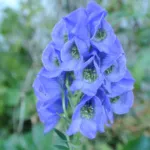 Azure Monkshood (Aconitum carmichaelii) care guideAconitum carmichaelii
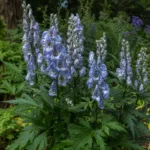 Monkshood (Aconitum ‘Stainless Steel’)Aconitum 'Stainless Steel'
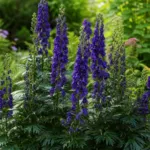 Monkshood (Aconitum ‘Bressingham Spire’)Aconitum 'Bressingham Spire'
 Golden full moon maple (Acer shirasawanum ‘Aureum’)Acer shirasawanum 'Aureum'
 Globosum (Acer platanoides ‘Globosum’)Acer platanoides 'Globosum'
 Striped maple (Acer pensylvanicum) care guideAcer pensylvanicum