
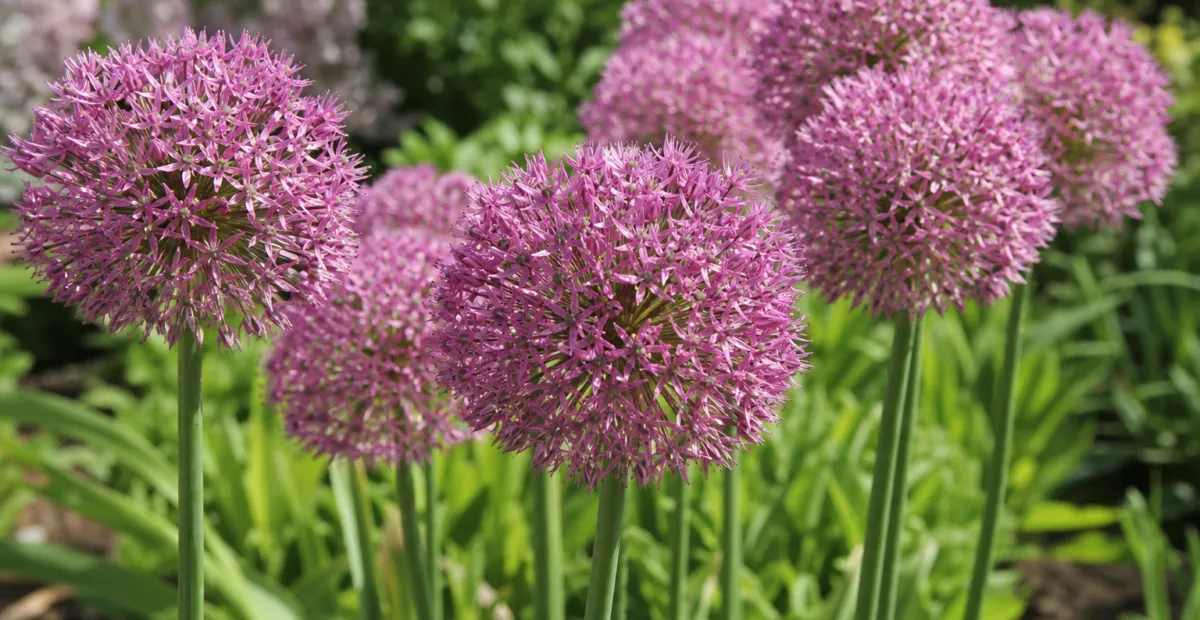
 AI-generated illustration
Allium ‘Pink Jewel’ short overview
Allium 'Pink Jewel' is a bulbous ornamental onion grown for its unusual rose-pink flower heads, each composed of many small, star-shaped florets with pale green centers. The sturdy, leafless stems rise above strap-shaped foliage in late spring or early summer. This hardy perennial performs best in full sun and sharply drained soil, where it returns reliably and makes an excellent border, naturalizing, pollinator, cut-flower, or container plant.
Taxonomic classification
Allium ‘Pink Jewel’ care guide
Light and placement
Plant in an open position with at least 6 hours of direct sun, ideally with a south- or west-facing exposure. Full sun produces sturdier stems and better flowering; light afternoon shade can help in very hot climates. Weak, leaning stems and sparse heads usually indicate insufficient light, while scorched foliage is more often associated with drought or heat than excessive sun.
Watering and humidity
Water deeply after fall planting and during the first growing season whenever the upper few inches of soil dry. Maintain moderate moisture while roots and spring foliage are active, but let the soil become noticeably drier after flowering as the bulb enters summer dormancy. Avoid frequent shallow watering and standing water, which increase bulb-rot risk.
Soil and growing medium
Use fertile but sharply drained soil, with sand, fine gravel, or compost added where needed to improve structure. Heavy clay should be amended or avoided in low, wet sites. The cultivar tolerates a broad pH range, including neutral and calcareous soils, provided excess winter and summer moisture drains away promptly.
Feeding
Incorporate a modest amount of finished compost when preparing the bed, then apply a balanced slow-release bulb fertilizer in fall or as shoots emerge in spring if the soil is poor. Do not overfeed with high-nitrogen fertilizer, and stop feeding once flowering is finished so the plant can mature naturally into dormancy.
Growth and habit
The bulb produces a seasonal clump of basal leaves followed by strong, mostly leafless flowering stems. Foliage declines after bloom and may disappear during summer. Established bulbs can remain in place for years and gradually form larger groups; divide only when overcrowding reduces vigor or flowering.
Planting and repotting
Plant firm bulbs in fall with the pointed end upward, setting them about 4–6 inches deep in well-drained soil. Group several bulbs for stronger visual impact, leaving 6–10 inches between centers. Water thoroughly after planting and keep the bed free of competing weeds while roots establish.
Grow in a deep container with drainage holes and a gritty, well-drained bulb mix. Repot or divide when bulbs become crowded, usually after foliage dies back. Protect containers from prolonged saturation and severe temperature swings, since bulbs in pots experience colder and wetter conditions than those in the ground.
Propagation and pruning
Propagation
Propagate most reliably by separating offsets after flowering, once the foliage has begun to die back. Replant offsets promptly or store them cool and dry until fall planting. Seed propagation is possible but is slower and may not reproduce the exact cultivar reliably.
Pruning
No routine pruning is required. Remove spent stems if a tidier appearance is preferred, but leave healthy foliage until it yellows naturally so the bulb can replenish reserves. Cut back fully dry foliage at ground level in summer or early fall.
Overwintering
Leave established bulbs outdoors in the ground in suitable USDA zones. Ensure winter drainage is excellent, especially in clay soil. In colder marginal areas, apply a light mulch after the ground freezes. Container-grown bulbs benefit from shelter from repeated freeze-thaw cycles while remaining cold enough for dormancy.
Uses
Useful in sunny borders, cottage gardens, rock gardens, meadow-style plantings, containers, and pollinator gardens. The sturdy stems and long-lasting heads are valuable for fresh and dried arrangements. It is ornamental rather than a recommended culinary onion, and plant material should not be eaten by pets.
Appearance
Identification features include narrow strap-shaped green leaves, sturdy upright scapes, and rounded heads of many rose-pink, star-shaped florets. The florets show distinctive pale green centers and greenish markings on the reverse, giving the flower heads a jewel-like two-tone effect.
Flowering
Flowering stems rise above the foliage in late spring or early summer. The rounded heads are made of numerous small, star-shaped florets rather than one single bloom. Heads may remain decorative after flowering and can dry attractively on the plant or be cut for fresh and dried arrangements.
Pollination and visitors
The open florets provide accessible floral resources and are reported to attract bees, butterflies, and other insect visitors. Deer and rabbits generally avoid the plant, likely because of the characteristic Allium odor and chemistry.
Diseases and pests
Diseases
Bulb rot is the principal concern in saturated soil. Improve drainage, avoid overwatering, and discard soft or foul-smelling bulbs. Mildew, rust, and leaf spots can occur in crowded or poorly ventilated plantings; remove affected foliage and avoid overhead irrigation. Good spacing and full sun reduce disease pressure.
Pests
Thrips, onion fly, and allium leaf miner may occasionally damage foliage or bulbs. Inspect new growth for silvery stippling, distorted leaves, or tunneling. Remove badly affected debris, encourage airflow, and use proportionate controls only when damage is significant. Deer and rabbits usually avoid the plant.
Related diseases and pests
Only Plant Doctor profiles whose host data indicate this plant may be affected are shown here.
 PestOnion thripsThrips tabaci Lindeman
 DiseaseRhizopus soft rotRhizopus stolonifer
 DiseaseBacterial soft rotPectobacterium carotovorum
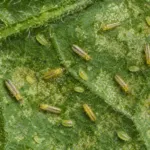 PestMelon thripsThrips palmi Karny
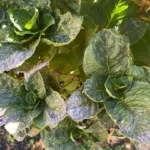 PestChilli thripsScirtothrips dorsalis Hood
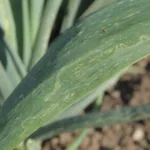 PestAllium leafminerPhytomyza gymnostoma Loew
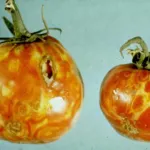 DiseaseTomato spotted wilt virusOrthotospovirus tomatomaculae (tomato spotted wilt virus; TSWV)
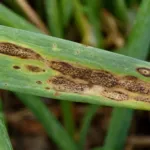 DiseaseStemphylium Leaf BlightStemphylium vesicarium (Wallr.) E.G. Simmons
Toxicity and pollen
Allium plants contain sulfur compounds associated with onion and garlic toxicosis in dogs and cats, especially after ingestion of substantial amounts. Keep bulbs, leaves, and flowers away from pets and do not use this ornamental cultivar as food. Contact a veterinarian promptly if a pet has eaten plant material and develops vomiting, weakness, pale gums, or dark urine.
- Typical season
- May–June in much of the United States
- Pollination / pollen
- Insect-dispersed pollen released from open florets
The flowers are primarily insect-pollinated, so pollen is not typically released in large airborne clouds. Exposure is nevertheless possible through direct contact with flowers or cut stems, and sensitive people should avoid handling flowering material if it causes symptoms. This allergy assessment is separate from the plant's pet-toxicity risk.
Native habitat
This cultivar is grown in open, sunny garden habitats rather than occurring as a wild native plant. Its associated Allium background favors climates with cool-to-moderate growing seasons, dry summer dormancy, and soils that drain freely around the bulb.
Interesting fact
Pink Jewel is unusual among ornamental alliums for its rose-pink coloration and pale green floret centers. It is associated with Allium nigrum, formerly known in horticulture under Allium multibulbosum. The flower heads can remain upright and decorative after the florets fade.
Frequently asked questions (FAQ)
The most relevant questions about this plant, with short and direct answers.
🌱Quick care
What is Allium 'Pink Jewel'?⌄
Allium 'Pink Jewel' is a hardy ornamental onion grown from bulbs for its pink, star-shaped flower clusters. It typically reaches about 24–33 inches tall and blooms in late spring or early summer.
Is Allium 'Pink Jewel' perennial?⌄
Yes, Allium 'Pink Jewel' is a hardy perennial bulb. In suitable conditions, it can return and gradually form clumps for several years.
How much sun does Allium 'Pink Jewel' need?⌄
Allium 'Pink Jewel' grows best in full sun, meaning at least 6 hours of direct sunlight daily. In hot climates, light afternoon shade may help, provided the soil remains well drained.
How often should I water Allium 'Pink Jewel'?⌄
Water Allium 'Pink Jewel' moderately while it is actively growing, allowing the soil to dry somewhat between waterings. Reduce watering after flowering as the foliage dies back for summer.
What USDA hardiness zones are suitable for Allium 'Pink Jewel'?⌄
Allium 'Pink Jewel' is generally listed for USDA Zones 4–8, although exact performance depends on drainage, winter exposure, and the local climate. Protect bulbs from prolonged winter wet rather than relying only on hardiness-zone ratings.
🌤️Environment and placement
What type of soil is best for Allium 'Pink Jewel'?⌄
Use fertile, well-drained sandy, loamy, or amended rocky soil for Allium 'Pink Jewel'. Heavy clay should be improved with compost and other drainage amendments because saturated soil can cause bulb rot.
Can Allium 'Pink Jewel' grow in clay soil?⌄
Allium 'Pink Jewel' can grow in clay soil if drainage is improved first. Planting in a raised bed or container is safer when clay stays wet through winter.
Can Allium 'Pink Jewel' grow in containers?⌄
Yes, Allium 'Pink Jewel' grows well in a deep container with drainage holes and a free-draining potting mix. Containers require closer attention to watering because bulbs can rot if the mix stays wet.
Where should I plant Allium 'Pink Jewel' in the garden?⌄
Plant Allium 'Pink Jewel' in a sunny border, rock garden, cottage garden, or other spot with excellent drainage. Place it among later-growing perennials that can hide its fading foliage after bloom.
Is Allium 'Pink Jewel' drought tolerant?⌄
Established Allium 'Pink Jewel' is relatively drought tolerant, especially after flowering and during summer dormancy. It still needs water during active growth and during prolonged hot, dry periods.
Are deer and rabbits likely to eat Allium 'Pink Jewel'?⌄
Deer and rabbits generally avoid Allium 'Pink Jewel' because of its onion-like scent and taste. However, no plant is completely browse-proof, particularly when wildlife pressure is severe.
Does Allium 'Pink Jewel' attract pollinators?⌄
Yes, the pink flower clusters of Allium 'Pink Jewel' attract bees, butterflies, and other insect pollinators. Planting several bulbs together can create a more noticeable nectar source.
💧Care and problems
How do I care for Allium 'Pink Jewel' after it blooms?⌄
Leave the foliage of Allium 'Pink Jewel' in place until it turns yellow and dies back naturally. The leaves replenish the bulb for the next season, while old flower stems can be removed once they look untidy.
Should I deadhead Allium 'Pink Jewel'?⌄
Deadheading Allium 'Pink Jewel' is optional because the dried flower heads can provide ornamental and winter interest. Remove them after flowering if you want to reduce self-seeding or maintain a tidier appearance.
Why are the leaves of my Allium 'Pink Jewel' turning yellow?⌄
Yellowing leaves after flowering are usually normal because Allium 'Pink Jewel' enters summer dormancy. Yellowing during active growth may indicate overwatering, poor drainage, disease, or natural leaf aging.
Why is my Allium 'Pink Jewel' not blooming?⌄
Allium 'Pink Jewel' may fail to bloom because the bulbs are too young, planted too shallowly, growing in insufficient light, or weakened by wet soil or premature leaf removal. Give the plant full sun, good drainage, and time to establish.
What pests affect Allium 'Pink Jewel'?⌄
Allium 'Pink Jewel' may occasionally be affected by thrips, onion fly, or allium leaf miner. Inspect distorted leaves and stems, remove badly affected plant material, and use locally approved controls only when needed.
What diseases can affect Allium 'Pink Jewel'?⌄
Potential problems include bulb rot, downy mildew, rust, leaf spots, and onion white rot. Good drainage, adequate spacing, and avoiding overhead watering help reduce disease risk.
🪴Planting and repotting
When should I plant Allium 'Pink Jewel' bulbs in the United States?⌄
Plant Allium 'Pink Jewel' bulbs in fall, generally from September through November before the ground freezes. In warmer USDA Zones 7–8, planting can often continue later in fall if the bulbs are still dormant and the soil is workable.
How deep should I plant Allium 'Pink Jewel' bulbs?⌄
Plant Allium 'Pink Jewel' bulbs about 6 inches deep, or roughly three to four times the bulb’s height, with the pointed end facing upward. Use slightly shallower planting only for unusually small bulbs or very heavy soils.
How far apart should Allium 'Pink Jewel' bulbs be planted?⌄
Space Allium 'Pink Jewel' bulbs about 6–12 inches apart. Closer spacing creates a fuller display, while wider spacing gives developing clumps more room to expand.
Can I plant Allium 'Pink Jewel' bulbs in spring?⌄
Fall is the preferred planting season for Allium 'Pink Jewel' bulbs because they need time to establish roots before winter. Spring-planted bulbs may grow, but flowering can be reduced or delayed during their first season.
How should I plant Allium 'Pink Jewel' in a pot?⌄
Plant Allium 'Pink Jewel' in a deep pot with drainage holes, using a well-drained potting mix amended with horticultural grit if necessary. Set the bulbs about 6 inches deep and avoid leaving the container standing in water.
Does Allium 'Pink Jewel' need winter protection?⌄
Allium 'Pink Jewel' usually needs little winter protection in suitable hardiness zones. In cold areas, a light mulch can protect bulbs, but avoid thick, wet mulch that holds moisture against the planting site.
✂️Propagation and pruning
How do I propagate Allium 'Pink Jewel'?⌄
Propagate Allium 'Pink Jewel' primarily by separating offsets from established bulbs. Lift the clump after flowering when the foliage has started to die back, detach healthy offsets carefully, and replant them promptly.
Can Allium 'Pink Jewel' be grown from seed?⌄
Allium 'Pink Jewel' can produce seed, but seedlings may not reproduce the named cultivar exactly. Division by offsets is the more reliable method when you want plants true to 'Pink Jewel'.
When should I divide Allium 'Pink Jewel'?⌄
Divide Allium 'Pink Jewel' in early fall or spring when the bulbs are dormant or beginning active growth. Avoid dividing while the plant is flowering or during hot, dry summer conditions.
Do I need to prune Allium 'Pink Jewel'?⌄
Allium 'Pink Jewel' needs no routine pruning. Remove spent flower stems and cut back foliage only after it has naturally yellowed and withered.
⚠️Toxicity and safety
Is Allium 'Pink Jewel' toxic to pets?⌄
Allium 'Pink Jewel' may be toxic if eaten, particularly to dogs, cats, and other pets. Keep bulbs and plant material away from animals, and contact a veterinarian or animal poison service if ingestion is suspected.
Is Allium 'Pink Jewel' edible?⌄
Allium 'Pink Jewel' should not be treated as an edible onion or garlic. Although it belongs to the onion genus, this ornamental cultivar may be toxic if eaten and is best kept out of cooking and foraging use.
🌸Flowering and special interest
When does Allium 'Pink Jewel' bloom?⌄
Allium 'Pink Jewel' generally blooms from late spring to early summer, with many U.S. growers reporting flowers in June or June–July. Bloom timing varies with climate, planting date, and seasonal weather.
What do Allium 'Pink Jewel' flowers look like?⌄
Allium 'Pink Jewel' produces rounded clusters about 3–6 inches wide, made up of soft pink, star-shaped florets with noticeable green centers. The flower heads rise above strap-shaped green foliage on sturdy stems.
How tall does Allium 'Pink Jewel' get?⌄
Allium 'Pink Jewel' typically grows about 24–33 inches tall, although mature plants may vary with soil, moisture, and growing conditions. Its upright flower stems are useful for adding vertical structure to borders.
Can Allium 'Pink Jewel' be used as a cut flower?⌄
Yes, Allium 'Pink Jewel' makes a useful cut flower with sturdy stems and long-lasting flower heads. Cut stems when the florets are opening, or leave mature heads in place to dry for indoor arrangements.
Will Allium 'Pink Jewel' naturalize?⌄
Allium 'Pink Jewel' can naturalize and form larger clumps when planted in sunny, well-drained soil. Naturalization is more dependable when the foliage is allowed to mature fully after flowering.
Similar plants
 Azure Monkshood (Aconitum carmichaelii) care guideAconitum carmichaelii
 Monkshood (Aconitum ‘Stainless Steel’)Aconitum 'Stainless Steel'
 Monkshood (Aconitum ‘Bressingham Spire’)Aconitum 'Bressingham Spire'
 Golden full moon maple (Acer shirasawanum ‘Aureum’)Acer shirasawanum 'Aureum'
 Globosum (Acer platanoides ‘Globosum’)Acer platanoides 'Globosum'
 Striped maple (Acer pensylvanicum) care guideAcer pensylvanicum