
 Source:
 Century plant (Agave) short overview
Agave is a diverse genus of evergreen, rosette-forming succulents native mainly to the southwestern United States, Mexico, Central America, the Caribbean, and northern South America. Species vary greatly in size, leaf color, spine development, frost tolerance, and flowering season, but most prefer strong light, sharply drained soil, and careful watering. Mature plants are architectural focal points for dry gardens and containers, while their tall flower stalks can support bats, moths, bees, wasps, birds, and other visitors.
Taxonomic classification
Century plant (Agave) care guide
Light and placement
Give most Agaves full sun, ideally with a south- or west-facing exposure and several hours of direct light. In very hot desert climates, afternoon shade can reduce scorch, especially for pale or soft-leaved species. Insufficient light produces stretched rosettes, weak leaves, and greener growth; excessive reflected heat or an abrupt move outdoors can bleach or scorch foliage. Acclimate container plants gradually.
Watering and humidity
Water deeply, then allow the root zone to dry substantially before watering again. During spring and summer, the interval may range from about one to several weeks depending on species, pot size, heat, and soil; reduce sharply in cool weather and keep plants nearly dry during cold periods. Water at the soil surface rather than into the rosette, and never leave containers standing in runoff.
Soil and growing medium
Use a porous mix that drains rapidly, such as mineral grit, coarse sand, pumice, perlite, and a modest amount of organic material. Heavy clay or peat-heavy mixes can remain wet around the crown and encourage rot. Slightly acidic through slightly alkaline conditions are generally tolerated, but structure and drainage matter more than fine pH adjustment. Raised beds and gritty berms are useful in rainy regions.
Feeding
Feed only during active spring and summer growth, using a dilute balanced fertilizer or a low-nitrogen succulent fertilizer once or twice in the season. Excess nitrogen can produce softer growth and reduce the compact, durable form valued in landscaping. Do not fertilize newly planted, stressed, dormant, or cold-wet plants. Mature plants in good soil often need little supplemental nutrition.
Growth and habit
Agaves are generally slow- to moderate-growing rosettes, although warm conditions and some species can produce substantial annual growth. Many are monocarpic: the individual rosette flowers once after reaching maturity and then declines. Offsets, rhizomatous shoots, or bulbils may preserve the clone. Remove spent flowering stalks only after they have dried, and allow offsets to establish before separating them.
Planting and repotting
Plant after cold, wet weather has passed into a gritty, rapidly draining bed. Keep the crown at or slightly above surrounding soil level, especially in clay or rainy climates. Space according to the mature rosette rather than the nursery size, and leave clearance from paths because leaf tips and teeth can injure passersby. Water once to settle the soil, then let the root zone dry before repeating.
Repot container Agaves when roots fill the pot, the plant becomes unstable, or the mix loses drainage. Choose a heavy, broad-based container with a drainage hole and move up only one pot size. Handle the plant with thick gloves, cardboard, or padded tongs. Keep the crown dry after repotting and wait several days before watering.
Propagation and pruning
Propagation
Separate rooted offsets in spring or early summer when plants are actively growing, allowing cut surfaces to dry briefly before planting. Some species can be raised from seed, while others produce bulbils on the inflorescence. Seed propagation is slower and may not reproduce named cultivars. Use sterile tools and a dry, porous medium to reduce rot.
Pruning
Agaves need little pruning. Remove dead or badly damaged outer leaves at their base with clean, sharp tools, wearing thick gloves and eye protection. Cut away a spent flower stalk after it has dried or become unsafe. Avoid repeatedly trimming healthy leaf tips, because wounds remain conspicuous and can increase disease entry.
Overwintering
Hardiness varies greatly by species. In colder parts of the United States, grow tender Agaves in containers and move them indoors before freezing weather. Keep overwintered plants in the brightest cool location available, water sparingly, and maintain good ventilation. Outdoor plants benefit from sharply drained soil, rain protection, and a dry crown during cold spells.
Uses
Agaves are widely used as architectural specimens in xeric beds, rock gardens, gravel gardens, Southwestern landscapes, and containers. Some species support desert wildlife through nectar, pollen, and flower-stalk resources. Several species have important cultural and agricultural uses, including fiber production and fermented or distilled foods and beverages, but edible use is species-specific and should never be assumed for an unidentified plant.
Appearance
The genus is recognized by dense rosettes of thick, fibrous, often blue-green or gray-green leaves. Leaves may be broad, narrow, rigid, recurved, striped, or variegated, with marginal teeth and a sharp terminal spine in many species. Mature plants can be stemless or develop a short trunk. Flower stalks rise dramatically above the rosette and carry branched clusters of tubular or bell-shaped flowers.
Flowering
Agave flowers are borne on tall terminal stalks that may rise many feet above the rosette. Flowering timing varies widely across the genus and with latitude, elevation, rainfall, and cultivation. Flowers often open sequentially along branched stalks and may provide abundant nectar. Some species show primarily nocturnal, bat-associated traits, while others receive substantial daytime insect or bird visitation.
Pollination and visitors
Agave flowers can be important nectar and pollen resources for nectar-feeding bats in the American Southwest and Mexico. Depending on species and floral traits, flowers are also visited by hawkmoths, bees, bumblebees, beetles, wasps, and hummingbirds or other birds. Visitor composition is not uniform across the genus; nocturnal bat association is strongest in species with large, pale, nectar-rich flowers.
Agave photos
Click any photo for a larger view. Source, author and license are shown separately.
Diseases and pests
Diseases
The main disease risk is crown or root rot caused by cold, wet soil, poor drainage, or water collecting in the rosette. Improve drainage, avoid overhead watering, remove damaged tissue with sterile tools, and discard severely rotted plants. Agave snout weevil is a serious concern for some landscape species; inspect crowns for loose leaves, tunneling, or collapse and remove affected plants promptly.
Pests
Agave snout weevil, scale insects, mealybugs, and occasionally mites may occur. Check the crown, leaf bases, and undersides regularly. Isolate infested container plants, remove light infestations with a cotton swab or water spray, and use labeled controls only when necessary. Avoid systemic insecticides on flowering plants that are accessible to pollinators.
Related diseases and pests
Only Plant Doctor profiles whose host data indicate this plant may be affected are shown here.
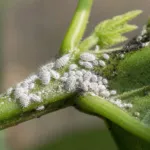 PestCotton mealybugPhenacoccus solenopsis Tinsley
 DiseasePhytophthora cactorum crown, collar, root and fruit rotPhytophthora cactorum
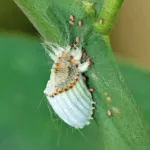 PestCottony Cushion ScaleIcerya purchasi
 DiseasePhytophthora root and crown rotPhytophthora nicotianae
 PestPeach weevilRhynchites bacchus
 PestObscure mealybugPseudococcus viburni
 DiseaseCucurbit AnthracnoseColletotrichum orbiculare
 DiseaseBean AnthracnoseColletotrichum lindemuthianum
Toxicity and pollen
Agave sap and sharp leaf margins can cause painful skin, eye, or mouth irritation, and contact dermatitis has been reported for some species. The genus is too diverse for one universal ingestion profile; raw leaves and sap should not be eaten unless the species and preparation are specifically known to be suitable. Wear gloves and eye protection when cutting, wash exposed skin promptly, and keep children and pets away from spiny plants.
- Typical season
- Typically late spring through fall in the United States, varying by species and region
- Pollination / pollen
- Heavy pollen produced in exposed anthers; dispersal and presentation vary by species
Agave pollen is produced mainly when the tall inflorescence is open. Allergy relevance is not well characterized at the genus level and depends on species, flowering abundance, and exposure. Many flowers are animal-visited, but insect or bat pollination does not guarantee zero allergy risk. Avoid handling flowering stalks during peak pollen release if sensitive and keep flowers away from enclosed living areas.
Native habitat
Agave species occupy deserts, thorn scrub, dry forests, grasslands, rocky slopes, plateaus, and coastal or Caribbean habitats. Natural soils are often mineral-rich, porous, and rapidly drained, while rainfall ranges from strongly seasonal desert moisture to warmer subtropical conditions. Many species use CAM photosynthesis, opening stomata mainly at night to reduce daytime water loss.
Interesting fact
The genus contains well over 100 accepted species and displays exceptionally broad variation in size and ecology. Many Agaves are monocarpic, flowering once before the main rosette dies. Some species reproduce vegetatively with offsets or bulbils, allowing a genetic clone to persist after flowering. The name is associated with the Greek word agauos, meaning admirable or noble.
Frequently asked questions (FAQ)
The most relevant questions about this plant, with short and direct answers.
🌱Quick care
How do you care for a century plant?⌄
Give a century plant full sun to bright filtered light, sharply draining soil, and modest watering. Let the soil dry thoroughly between waterings, especially after the plant is established.
How often should you water an Agave?⌄
Water an Agave deeply only when its soil has dried completely. Established outdoor plants may need little supplemental water, while container plants usually need more frequent watering during hot, active growth.
Does Agave need fertilizer?⌄
Agave generally needs little fertilizer and can grow well without it. If growth is weak, use a diluted, low-nitrogen fertilizer once in spring rather than feeding frequently.
🌤️Environment and placement
Does Agave need full sun?⌄
Most Agaves grow best in full sun, but bright filtered light can work for many types. Acclimate nursery or indoor plants gradually to intense direct sun to reduce leaf scorch.
Can Agave grow indoors?⌄
Agave can grow indoors in the brightest available window, preferably south- or west-facing, with excellent drainage. Indoor plants usually need less water than outdoor plants because light and airflow are lower.
Can Agave grow in shade?⌄
Agave tolerates bright partial shade, but deep shade can produce weak, stretched growth and dull coloration. Move it toward stronger light gradually to avoid sunburn.
What USDA zones can grow Agave outdoors?⌄
Outdoor hardiness depends on the species, so there is no single USDA zone range for all Agaves. Check the identified species or cultivar before planting permanently, particularly in areas with winter freezes.
How cold can Agave tolerate?⌄
Cold tolerance varies widely among Agave species, from relatively frost-sensitive types to cold-hardy desert species. Protect many kinds when temperatures approach freezing, and keep wet soil away from plants during cold weather.
Can Agave survive winter in a pot?⌄
Many potted Agaves can overwinter successfully if kept bright, dry, and protected from freezing temperatures. Move tender types indoors or into a sheltered space before a hard freeze.
What is the best soil for an Agave?⌄
Use sandy, gritty, rocky, or cactus-style soil that drains rapidly. Avoid heavy clay and mixes that remain wet around the roots, because persistent moisture encourages root rot.
Where should I plant a century plant outdoors?⌄
Choose a sunny, open location where rainwater does not collect and people will not brush against the spiny leaves. Leave enough room for the mature rosette and offsets.
💧Care and problems
Why are my Agave leaves turning yellow?⌄
Yellow Agave leaves most often indicate excessive moisture, poor drainage, or root problems. Allow the soil to dry, inspect the roots if the base is soft, and repot or relocate the plant into faster-draining soil when necessary.
Why is my Agave drooping?⌄
Drooping leaves can result from overwatering, root rot, severe dehydration, low light, or cold injury. Check soil moisture and the plant base first, because limp leaves in wet soil are more concerning than limp leaves in dry soil.
Why is my Agave getting brown leaf tips?⌄
Brown tips can result from drought stress, salt buildup, sun damage, cold injury, or physical damage. Correct the environmental problem, but understand that already-browned tissue will not turn green again.
How can I tell if an Agave has root rot?⌄
Root rot is likely when the plant is soft at the base, smells foul, collapses despite wet soil, or has dark, mushy roots. Remove it from the soil, cut away rotten tissue with a sterile tool, and allow healthy tissue to dry before replanting.
How do I treat an Agave that has been overwatered?⌄
Stop watering and move the Agave into warm, bright conditions with strong airflow. If the base or roots are soft, remove the plant from its pot, trim rot, let wounds dry, and replant in completely dry, porous soil.
Can Agave get pests?⌄
Yes, Agaves can be attacked by pests such as agave snout weevil, scale, mealybugs, and mites. Inspect the plant regularly, remove visible pests, and seek local extension guidance if the crown is damaged or the plant is collapsing.
What causes holes or chewed areas on Agave leaves?⌄
Chewed holes or notches may be caused by insects, animals, or mechanical damage. Look for fresh feeding, frass, larvae, or damage at the crown, where agave snout weevil can be especially serious.
Should I cut damaged Agave leaves off?⌄
Remove leaves only when they are dead, diseased, badly damaged, or creating a safety hazard. Wear thick gloves and eye protection, and cut close to the base without injuring the central growing point.
Can Agave recover from frost damage?⌄
An Agave may recover from frost if the central growing point and roots remain firm. Wait until the danger of additional freezes has passed before removing damaged tissue, because browned leaves can provide some protection.
🪴Planting and repotting
When is the best time to plant Agave?⌄
Plant Agave during mild, active-growing weather, commonly spring in much of the United States. Avoid planting immediately before extreme heat, prolonged rain, or freezing temperatures.
How do you plant an Agave in the ground?⌄
Plant the Agave at the same depth it was growing, in a raised or well-drained site, and keep soil from collecting around the crown. Water once to settle the roots, then allow the soil to dry before watering again.
How do you repot an Agave?⌄
Repot an Agave into a container with drainage holes and only slightly more room than the root ball. Handle the leaves carefully, use dry gritty soil, and wait several days before watering after repotting.
Does Agave need a deep pot?⌄
Agave usually needs a stable pot with enough depth for its roots but not an excessively large container. A wide, heavy pot with excellent drainage is often preferable for preventing tipping.
Can Agave grow in clay soil?⌄
Agave generally performs poorly in heavy clay unless drainage is substantially improved. Plant on a mound or raised bed and amend the root zone with mineral material rather than creating a small pocket of moisture-holding soil.
✂️Propagation and pruning
How do you propagate Agave pups?⌄
Separate Agave pups when they have developed roots or are large enough to handle, cutting the connecting stem with a clean tool. Let cuts dry briefly, plant the pup in gritty soil, and water lightly only after roots begin establishing.
Can you grow Agave from a leaf cutting?⌄
Most Agaves cannot be reliably propagated from individual leaf cuttings. Propagation is usually more successful from rooted offsets, bulbils produced on the flower stalk, or seed.
Can Agave be grown from seed?⌄
Agave can be grown from seed, although it is slower and less predictable than growing rooted pups. Sow fresh seed in a sterile, well-drained mix and provide warmth, light, and carefully controlled moisture.
When can I remove Agave pups?⌄
Remove pups after they are large enough to handle and, ideally, have some roots of their own. Very small pups may survive, but they require more careful moisture and establishment management.
Should I remove Agave offsets?⌄
Remove offsets if they crowd the parent plant, block paths, or make the planting too dense. Leaving them attached is also acceptable when there is sufficient space and good drainage.
⚠️Toxicity and safety
Is Agave poisonous to dogs and cats?⌄
Agave sap and spines can irritate skin, eyes, and the mouth, while ingestion risk varies by species and plant part. Keep plants away from pets and children, and contact a veterinarian or poison-control service after ingestion.
Can Agave sap burn your skin?⌄
Yes, Agave sap can cause painful skin irritation or blistering in some people, especially after exposure to sunlight. Wear gloves, long sleeves, and eye protection when cutting or transplanting, then wash exposed skin promptly.
Are Agave spines dangerous?⌄
Agave spines can puncture skin and cause serious eye injuries. Plant spiny types away from walkways, pets, and play areas, and remove or blunt hazardous tips only when appropriate for the cultivar.
🌸Flowering and special interest
How long does it take Agave to flower?⌄
Agave flowering time varies by species and growing conditions, and many types take several years or decades to bloom. The flowering plant often declines or dies afterward, although offsets may continue growing.
Does Agave die after flowering?⌄
Many Agaves are monocarpic, meaning the flowering rosette dies after blooming, but not every species behaves exactly the same way. Offsets around the base or bulbils on the flower stalk can preserve the plant’s lineage.
What should I do when my Agave sends up a flower stalk?⌄
Allow the flower stalk to bloom if it is stable and safe, or remove it if it threatens structures or people. After flowering, preserve healthy offsets or bulbils and remove the declining parent rosette when it is fully dead.
Similar plants
 Azure Monkshood (Aconitum carmichaelii) care guideAconitum carmichaelii
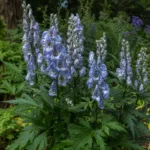 Monkshood (Aconitum ‘Stainless Steel’)Aconitum 'Stainless Steel'
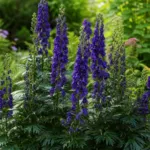 Monkshood (Aconitum ‘Bressingham Spire’)Aconitum 'Bressingham Spire'
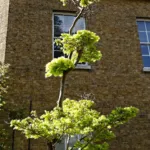 Golden full moon maple (Acer shirasawanum ‘Aureum’)Acer shirasawanum 'Aureum'
 Globosum (Acer platanoides ‘Globosum’)Acer platanoides 'Globosum'
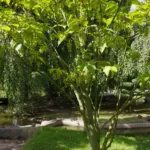 Striped maple (Acer pensylvanicum) care guideAcer pensylvanicum