
 Source:
 Artichoke agave (Agave parryi) short overview
Artichoke agave (Agave parryi) forms a compact, architectural rosette of blue-gray leaves edged with dark teeth and tipped with sharp spines. Native to high-elevation desert grasslands, scrub and open woodlands of the Southwest and northern Mexico, it combines excellent drought tolerance with unusual cold hardiness when grown in sharply drained soil. After many years, the mature rosette sends up a tall yellow-flowered stalk, sets seed and dies.
Taxonomic classification
Artichoke agave (Agave parryi) care guide
Light and placement
Give full sun for the firmest, most compact growth, ideally with a south- or west-facing exposure and excellent airflow. In very hot low-desert locations, bright afternoon shade can reduce leaf scorch without causing weak growth. Insufficient light produces looser, greener rosettes; excessive reflected heat may bleach or brown leaf surfaces.
Watering and humidity
Water deeply, then allow the soil to dry thoroughly before watering again. During spring and summer growth, established plants may need occasional irrigation during prolonged drought; reduce sharply in fall and keep nearly dry in cold weather. Containers dry faster than landscape plants, but frequent shallow watering still increases rot risk.
Soil and growing medium
Use a very porous, fast-draining mix with abundant mineral material such as coarse sand, pumice, gravel or perlite. In the ground, avoid heavy clay and low spots that remain wet. A slightly acidic to slightly alkaline reaction is generally tolerated, but drainage matters more than precise pH.
Feeding
Feed sparingly in spring with a dilute, low-nitrogen cactus or succulent fertilizer, or top-dress lightly with mature compost in the ground. Do not fertilize newly planted, dormant, diseased or winter-wet plants. Excess nitrogen can produce softer growth and reduce the compact form valued in this species.
Growth and habit
A solitary or slowly offsetting rosette remains compact for many years before entering its terminal flowering phase. After flowering, the main rosette declines, but offsets may form a continuing clump. Keep surrounding space open so offsets can be removed safely and the crown remains dry.
Planting and repotting
Plant in spring or early summer after severe cold has passed, setting the crown at soil level rather than burying it. Space plants according to the expected mature rosette, leaving room for offsets and airflow. Water once after planting, then allow the soil to dry deeply between irrigation as roots establish.
Repot container plants only when crowded or when the mix has degraded. Wear thick gloves and use tongs or folded cardboard to handle the rosette. Move into a pot with a drainage hole only one size larger, refresh the gritty mix, and wait several days before watering.
Propagation and pruning
Propagation
Propagate from offsets when available or from seed. Separate offsets in warm weather, allow cut surfaces to dry briefly, then pot into gritty mix. Sow fresh seed in a sterile, well-drained medium with warmth and bright light; avoid saturated conditions. Seed-grown plants are variable and slow to reach flowering size.
Pruning
No routine pruning is needed. Remove only dead or damaged leaves with clean, strong tools, working from the outside of the rosette and avoiding the spines. After flowering, the spent stalk and declining rosette may be removed once completely dry; leave healthy offsets in place if a continuing clump is wanted.
Overwintering
Keep the crown and growing medium as dry as possible during cold weather. In areas colder or wetter than the plant’s reliable range, grow it in a container and overwinter under bright light in a cool, frost-free space. Protect outdoor plants from prolonged winter rain, saturated soil and direct contact with melting snow.
Uses
Valued as an architectural xeriscape plant for rock gardens, gravel beds, dry borders, slope plantings and containers. Its compact form suits small-space desert planting, but sharp spines require placement away from paths and play areas. It is also useful in pollinator-oriented plantings when allowed to flower.
Appearance
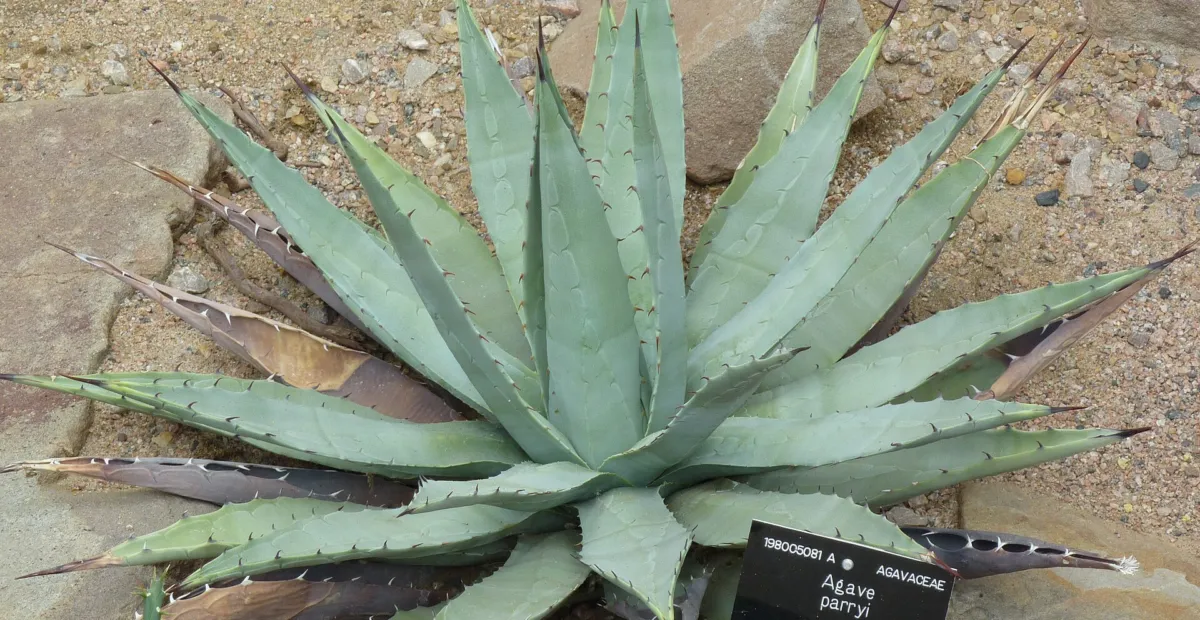
The plant forms a dense, symmetrical artichoke-like rosette of thick, broad, blue-gray leaves. Leaves taper to rigid terminal spines and carry conspicuous dark teeth along the margins. The surface may show subtle pale markings or bud imprints, and mature specimens can produce offsets around the base.
Flowering
This species flowers only once, generally after many years of vegetative growth. A tall, branched flowering stalk rises well above the rosette and bears clusters of yellow to yellow-green tubular flowers with reddish or brownish buds. The flowering rosette gradually declines after seed production, while offsets may continue the clump.
Pollination and visitors
The tall flower stalk provides nectar and pollen for documented desert flower visitors, including bees, bumblebees, moths and bats. Visitor activity can vary with elevation, weather and flowering synchrony. This ecological interaction should not be confused with airborne allergy risk.
Agave parryi photos
Click any photo for a larger view. Source, author and license are shown separately.
Diseases and pests
Diseases
The principal problems are root and crown rots caused by persistently wet soil, especially in containers without adequate drainage. Prevent them with a porous medium, careful watering and good airflow. Remove badly rotted tissue only when practical and repot into fresh, dry mix; discard plants with advanced crown collapse.
Pests
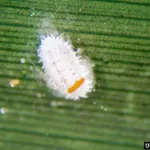
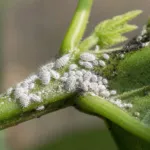
Watch for agave snout weevil, scale and mealybugs, especially on stressed or container-grown plants. Inspect leaf bases and the crown regularly. Remove isolated scale or mealybugs with a targeted treatment appropriate for succulents; maintain plant vigor and avoid moving infested plants. Suspected snout-weevil damage may appear as wilting, soft tissue or unexplained crown failure.
Related diseases and pests
Only Plant Doctor profiles whose host data indicate this plant may be affected are shown here.
Toxicity and pollen
Agave sap can irritate skin and eyes, and the sharp leaf tips and margins can cause puncture or abrasion injuries. Species-specific severe poisoning evidence for Agave parryi is limited, but chewing should be discouraged because sap and plant tissues may cause irritation or gastrointestinal upset. Handle with gloves and keep away from children and animals.
- Typical season
- During flowering, usually summer in the United States.
- Pollination / pollen
- Primarily animal-dispersed floral pollen
Agave parryi is primarily animal-pollinated, so its pollen is not typically dispersed in large quantities by wind. Nevertheless, flowering plants can expose sensitive people to pollen through direct contact or nearby floral activity. Individual allergy responses vary, and the plant’s sap and spines present more immediate household risks than airborne pollen.
Native habitat
Native populations occur in high-elevation grasslands, desert scrub, chaparral, pinyon-juniper and oak-associated landscapes of the southwestern United States and northern Mexico. Plants commonly experience intense sun, cold nights, seasonal drought and rocky or gravelly soils with rapid drainage.
Interesting fact
Each rosette is monocarpic, flowering once before dying. The species is notably cold-hardy for an agave when kept dry. High-elevation populations experience snow, freezing nights and intense sunlight. Mature plants can produce offsets that preserve the clonal plant after the flowering rosette declines.
Similar plants
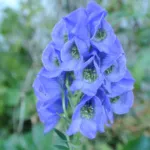 Azure Monkshood (Aconitum carmichaelii) care guideAconitum carmichaelii
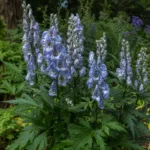 Monkshood (Aconitum ‘Stainless Steel’)Aconitum 'Stainless Steel'
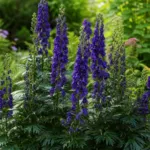 Monkshood (Aconitum ‘Bressingham Spire’)Aconitum 'Bressingham Spire'
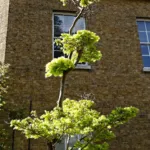 Golden full moon maple (Acer shirasawanum ‘Aureum’)Acer shirasawanum 'Aureum'
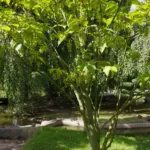
 Globosum (Acer platanoides ‘Globosum’)Acer platanoides 'Globosum'
 Striped maple (Acer pensylvanicum) care guideAcer pensylvanicum