
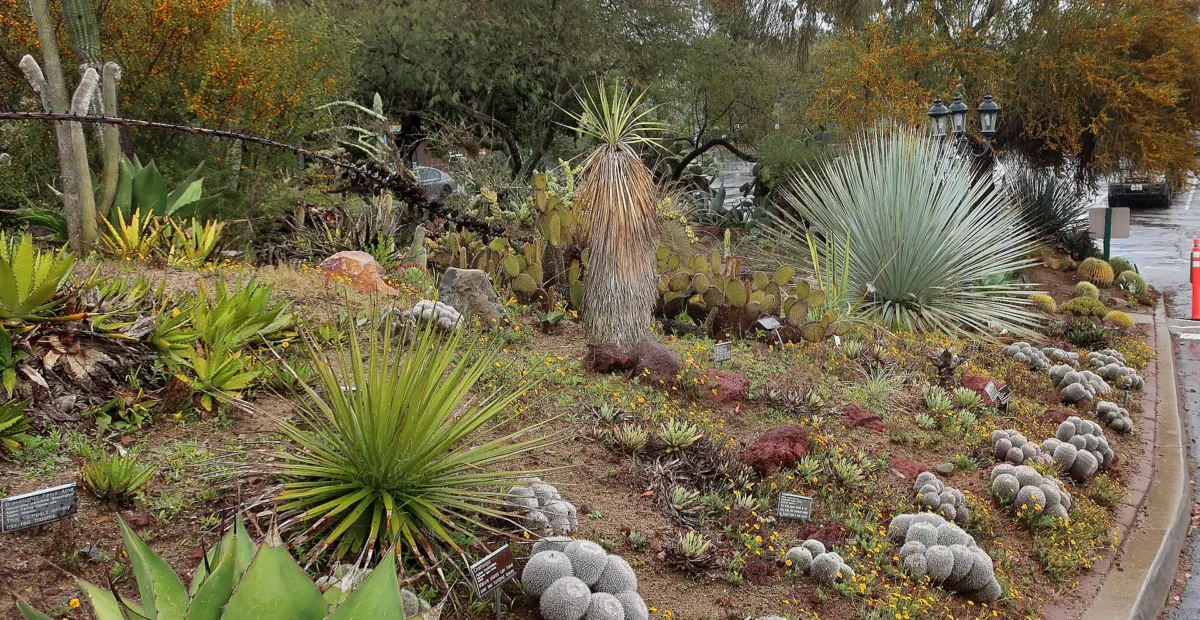
 Source:
 Category:Agave ovatifolia (Agave ovatifolia) short overview
Agave ovatifolia is a striking blue-gray succulent that forms a broad, symmetrical rosette of thick, whale-tongue-shaped leaves. Native to dry shrubland in Nuevo León, Mexico, it prefers intense light, lean sharply drained soil, and infrequent deep watering followed by thorough drying. Its impressive cold tolerance makes it useful in many U.S. dry gardens, while containers offer extra protection where winter wet or severe freezes are concerns.
Taxonomic classification
Category:Agave ovatifolia (Agave ovatifolia) care guide
Light and placement
Give full sun, ideally with at least 6 hours of direct light and excellent morning-to-afternoon exposure. A south- or west-facing position suits outdoor plants. Too little light causes looser, greener growth and slower drying; intense heat with reflected light can scorch recently acclimated leaves, so harden plants gradually.
Watering and humidity
Water deeply, then wait until the medium is mostly dry before watering again. In spring and summer, the interval may be roughly every 2–4 weeks outdoors, depending on heat and soil; reduce sharply in cool weather and keep nearly dry in winter. Never leave the pot standing in water or allow water to collect in the crown.
Soil and growing medium
Use a gritty, fast-draining mix with substantial mineral content, such as coarse sand, pumice, gravel, or crushed stone. In beds, avoid low spots and amend heavy clay with drainage material rather than adding large amounts of compost. A neutral to slightly alkaline reaction is suitable; persistent winter saturation is more dangerous than low fertility.
Feeding
Feed lightly in spring with a dilute, low-nitrogen succulent fertilizer, or use a small amount of slow-release fertilizer. Avoid routine heavy feeding, especially in rich soil or low light, because it can produce softer growth and reduce the plant’s compact form.
Growth and habit
This is a slow-growing, evergreen rosette succulent that generally remains solitary or produces a limited number of offsets. Keep the crown dry and remove spent or damaged leaves only when they detach readily. Its best form develops under strong light, lean soil, and restrained irrigation.
Planting and repotting
Plant after the danger of severe frost has passed, setting the crown at the same depth as in its container. Do not bury the central growing point. Space generously for the mature rosette and keep the base away from irrigation overspray. Water once after planting, then allow the soil to dry substantially while roots establish.
Repot in spring when roots fill the container or the growing medium breaks down. Choose a pot with a drainage hole only modestly larger than the root ball. Use fresh gritty mix, protect hands and arms from spines, and let disturbed roots dry briefly before watering.
Propagation and pruning
Propagation
Propagate from offsets when available, separating them in warm weather with a clean knife and allowing cut surfaces to callus before planting. Seed propagation is possible but slower and less uniform. Sow fresh seed in a sterile, gritty medium with warmth, light, and careful moisture.
Pruning
Little pruning is needed. Remove only dead or badly damaged leaves with clean tools, cutting close to the base without injuring the crown. Do not trim healthy leaf tips for appearance; the foliage will not regenerate from a cut edge.
Overwintering
In USDA Zones 7b and colder, provide a rain shelter or move container plants under bright cover before prolonged cold and wet weather. Protect the crown from freezing water. Container roots are less insulated than in-ground roots, so use a sheltered position and avoid winter watering unless the plant is thoroughly dry and shriveling.
Uses
Valued primarily as an architectural ornamental for xeric beds, gravel gardens, rock gardens, patios, and containers. Its blue rosette works well as a focal plant. It is not treated here as a culinary or medicinal plant; sap, spines, and leaf tips require careful placement and handling.
Appearance
The plant forms a broad, symmetrical rosette of thick, ovate to spoon-shaped blue-gray leaves with a powdery bloom. Leaves are strongly textured, gently cupped, and edged with small teeth that terminate in a dark spine. The mature rosette has a substantial, sculptural presence even without flowers.
Flowering
This species is monocarpic: an individual rosette flowers once after reaching maturity and then dies, while offsets may continue the clump. The flower stalk is tall and branched, bearing numerous pale greenish-yellow flowers. Flowering is uncommon in cultivation and is generally associated with mature plants during warm-season growth.
Pollination and visitors
When it flowers, the branched inflorescence can be visited by bees, bumblebees, and nectar-feeding birds. Specific pollinator species are not sufficiently documented here to name confidently. Flowering is rare because each rosette blooms only once.
Agave ovatifolia photos
Click any photo for a larger view. Source, author and license are shown separately.
Diseases and pests
Diseases
The main risk is root or crown rot caused by prolonged wetness, especially in heavy soil or during cool weather. Use a porous medium, keep water out of the crown, and remove badly rotted tissue with a sterile blade. Good airflow and dry foliage reduce secondary fungal problems.
Pests
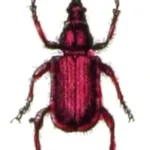
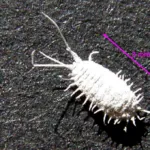
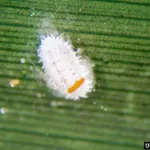
Watch for agave snout weevil in warm regions, plus scale insects and mealybugs on stressed plants. Inspect leaf bases and the crown regularly. Remove isolated scale or mealybugs with a cotton swab and appropriate horticultural treatment; avoid unnecessary broad-spectrum insecticides, especially near flowers.
Related diseases and pests
Only Plant Doctor profiles whose host data indicate this plant may be affected are shown here.
Toxicity and pollen
Agave sap and leaf tissues contain irritating compounds and sharp structures. Contact may cause skin irritation or dermatitis in susceptible people; ingestion can cause gastrointestinal upset. Wear gloves and eye protection when cutting or handling, keep sap away from eyes and broken skin, and do not allow children or pets to chew the leaves.
- Typical season
- Exposure is mainly during summer flowering in the United States.
- Pollination / pollen
- Insect-dispersed pollen
Agave ovatifolia is insect-pollinated, so pollen is not typically released in the abundant windborne clouds associated with wind-pollinated trees and grasses. Airborne exposure may still occur near flowering plants, and sensitive people should avoid handling flowers or dried floral material.
Native habitat
The species is native to northeastern Mexico, especially Nuevo León, where it occurs in dry shrubland and desert environments. It is associated with seasonally dry conditions, rocky or well-drained ground, and strong sunlight. Cold-season wetness is likely to be more damaging in cultivation than brief dry frost.
Interesting fact
The species was formally described in 2002 and is accepted as native to Nuevo León, Mexico. Its broad, rounded leaves explain the whale-tongue comparison used in horticulture. Like many agaves, the rosette invests in one spectacular flowering event before dying.
Frequently asked questions (FAQ)
The most relevant questions about this plant, with short and direct answers.
🌱Quick care
What is Agave ovatifolia commonly called in the United States?⌄
The verified common-name label for Agave ovatifolia is “Category:Agave ovatifolia.” It is also widely identified in horticultural references as whale’s tongue agave, but that informal name is not used as the verified local common name here.
How large does Agave ovatifolia get?⌄
A mature Agave ovatifolia commonly reaches about 2 to 3 feet tall and 3 to 4 feet wide. Its eventual size can be larger in fertile, well-watered garden conditions.
🌤️Environment and placement
How much sunlight does Agave ovatifolia need?⌄
Agave ovatifolia grows best in full sun, generally receiving at least 6 hours of direct light daily. In very hot inland areas, light afternoon shade can reduce leaf scorch without sacrificing vigor.
Is Agave ovatifolia cold hardy?⌄
Agave ovatifolia is among the more cold-hardy agaves and is often grown in USDA Zones 7–11. Its survival in the coldest conditions depends heavily on dry soil, shelter, plant maturity, and local exposure.
How cold can Agave ovatifolia tolerate?⌄
Established Agave ovatifolia plants have survived temperatures near 0°F in dry conditions, but exact limits vary by specimen and climate. Cold combined with wet soil is more dangerous than a brief, dry freeze.
Can Agave ovatifolia grow outdoors year-round?⌄
Agave ovatifolia can grow outdoors year-round in many parts of USDA Zones 7–11 when planted in a sunny, sharply drained location. In colder or persistently wet regions, container culture or winter protection is safer.
Can Agave ovatifolia tolerate rain and humidity?⌄
Agave ovatifolia tolerates more moisture than many agaves, but it still requires rapid drainage and good air circulation. In humid or rainy regions, planting it high in gritty soil is especially important.
💧Care and problems
How often should I water Agave ovatifolia?⌄
Water Agave ovatifolia deeply but infrequently, allowing the soil to dry completely between waterings. Established plants usually need little supplemental water, especially during cool or rainy weather.
How do I protect Agave ovatifolia in winter?⌄
Protect Agave ovatifolia by keeping rain and melting snow away from the crown and ensuring excellent drainage before freezing weather arrives. A breathable cover can help during severe freezes, but plastic should not rest directly on the leaves.
Why are the leaves of my Agave ovatifolia turning yellow?⌄
Yellow leaves most often indicate excess moisture, poor drainage, or root stress rather than a need for more fertilizer. Check the crown and roots, improve drainage, and let the soil dry thoroughly before watering again.
Why is my Agave ovatifolia turning brown after winter?⌄
Brown or collapsed leaves after winter usually indicate freeze injury, wet-cold damage, or both. Remove only clearly dead tissue and wait for warmer weather to determine whether the central growing point remains alive.
Does Agave ovatifolia need fertilizer?⌄
Agave ovatifolia usually needs little fertilizer and can grow well in lean soil. If growth is weak, apply a light, balanced or low-nitrogen succulent fertilizer during active spring growth, never to dry or waterlogged soil.
How long does Agave ovatifolia take to grow?⌄
Agave ovatifolia is typically slow to moderate growing, with faster growth possible during warm weather when light and drainage are excellent. Overwatering may produce faster soft growth but increases the risk of rot.
What pests affect Agave ovatifolia?⌄
Agave ovatifolia is usually low-maintenance, but scale insects and rot can occur. Inspect leaves and the crown regularly, and correct excess moisture before treating secondary problems.
🪴Planting and repotting
What type of soil is best for Agave ovatifolia?⌄
Use gritty, sharply drained mineral soil containing materials such as coarse sand, gravel, pumice, or crushed rock. Heavy or water-retentive soil can cause root rot, particularly in winter.
Can Agave ovatifolia grow in a container?⌄
Yes, Agave ovatifolia grows well in a sturdy container with drainage holes and a gritty succulent mix. Choose a heavy pot because the mature rosette can become large and top-heavy.
When is the best time to plant Agave ovatifolia?⌄
Plant Agave ovatifolia in spring or early summer so roots can establish before winter. Avoid planting immediately before a period of heavy rain or freezing temperatures.
How should I plant Agave ovatifolia to prevent rot?⌄
Plant Agave ovatifolia slightly high, with the crown above the surrounding soil, and backfill with gritty, fast-draining material. Do not bury the base of the rosette or create a basin that collects water.
Can Agave ovatifolia grow in clay soil?⌄
Agave ovatifolia generally performs poorly in unamended clay because water can remain around its roots and crown. Grow it on a raised mound or in a heavily amended, mineral-rich planting area instead.
✂️Propagation and pruning
Should I remove damaged leaves from Agave ovatifolia?⌄
Remove leaves that are completely dead, detached, or structurally unsafe, using clean tools and thick gloves. Avoid cutting healthy leaves unnecessarily because wounds can increase disease and sap exposure.
Does Agave ovatifolia produce pups or offsets?⌄
Agave ovatifolia is generally a solitary, non-clustering agave and often produces few or no offsets. Some cultivated plants may offset, but seed propagation is usually the more dependable method.
How do you propagate Agave ovatifolia?⌄
Propagate Agave ovatifolia primarily from seed, usually sown in early spring in a warm, well-drained medium. Because offsets are uncommon, a flowering plant may be the main source of viable seed.
Can Agave ovatifolia be grown from leaf cuttings?⌄
Leaf cuttings are not a reliable propagation method for Agave ovatifolia. Seed is the standard approach, while a well-rooted offset can be separated only if the individual plant produces one.
⚠️Toxicity and safety
Is Agave ovatifolia poisonous to people?⌄
Agave ovatifolia has irritating sap and sharp foliage that can injure skin, eyes, or the mouth. Wear gloves and eye protection when planting, pruning, or handling damaged leaves, and avoid ingesting any part of the plant.
Is Agave ovatifolia toxic to dogs and cats?⌄
Agave ovatifolia can irritate pets if eaten, potentially causing mouth or skin irritation and gastrointestinal upset. Keep pets away from fallen leaves and contact a veterinarian or animal poison service if ingestion causes symptoms.
How should I handle Agave ovatifolia safely?⌄
Handle Agave ovatifolia with thick gloves, long sleeves, and eye protection because the leaf tips, margins, and sap can cause injury or irritation. Keep children and pets away while cutting or transplanting it.
🌸Flowering and special interest
Does Agave ovatifolia flower only once?⌄
Yes, Agave ovatifolia is monocarpic: an individual rosette flowers once and then gradually dies. The flowering event may occur after roughly 10 to 20 years, although growing conditions can change the timing.
How tall is the Agave ovatifolia flower stalk?⌄
The flower stalk of Agave ovatifolia commonly rises about 10 to 15 feet above the rosette. It carries branched clusters of yellow-green flowers that can attract bees, hummingbirds, and other visitors.
What should I do after Agave ovatifolia blooms?⌄
After flowering, allow any developing seed to mature if you want to propagate the plant, then remove the spent rosette when it becomes fully dead. Since the flowering rosette will not recover, plan for a replacement plant or seedlings.
Why is my Agave ovatifolia sending up a tall stalk?⌄
A rapidly rising, branched stalk usually means Agave ovatifolia is entering its mature flowering stage. This is a natural end-of-life process for the rosette, not normally a sign of stress.
Similar plants
 Azure Monkshood (Aconitum carmichaelii) care guideAconitum carmichaelii
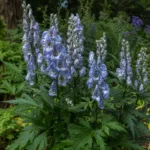 Monkshood (Aconitum ‘Stainless Steel’)Aconitum 'Stainless Steel'
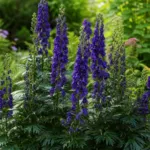 Monkshood (Aconitum ‘Bressingham Spire’)Aconitum 'Bressingham Spire'
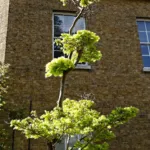 Golden full moon maple (Acer shirasawanum ‘Aureum’)Acer shirasawanum 'Aureum'
 Globosum (Acer platanoides ‘Globosum’)Acer platanoides 'Globosum'
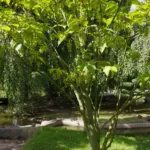 Striped maple (Acer pensylvanicum) care guideAcer pensylvanicum