
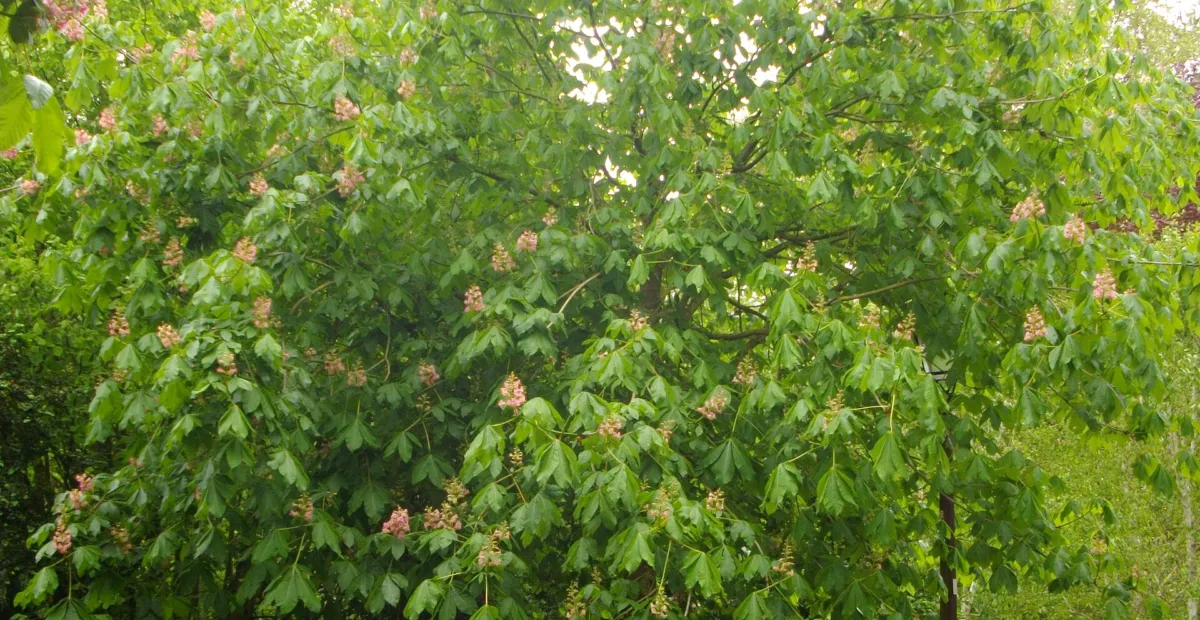
 Source:
 Ruby red horse-chestnut (Aesculus ‘Carnea Briotii’) short overview
Aesculus 'Carnea Briotii' is a distinctive red-flowering horse-chestnut cultivar for large gardens, parks, and spacious streetscapes. Its dark green, five- to seven-foliate leaves frame upright panicles of deep scarlet flowers in late spring, while the rounded crown provides substantial shade. The hybrid prefers full sun to light shade, fertile moisture-retentive but well-drained soil, and room for a mature tree. Fallen plant parts, especially seeds, should be kept away from children and pets.
Taxonomic classification
Ruby red horse-chestnut (Aesculus ‘Carnea Briotii’) care guide
Light and placement
Grow in full sun for the strongest flowering, with partial shade acceptable in hot climates. An open south- or west-facing position suits cooler regions, while some afternoon protection can reduce heat stress in warmer areas. Sparse flowering and elongated growth suggest insufficient light; scorched foliage or premature leaf drop can indicate excessive heat, drought, or reflected sunlight.
Watering and humidity
Water deeply and slowly when the upper few inches of soil begin to dry, concentrating moisture over the developing root zone rather than against the trunk. Maintain regular irrigation through the first two growing seasons, then reduce frequency as roots establish. During hot, dry weather, water before severe wilting; avoid permanently saturated soil.
Soil and growing medium
Use deep, fertile soil that retains even moisture without becoming waterlogged. Loam or amended clay is suitable if drainage is improved before planting. Slightly acidic through neutral soil is a good target, although the hybrid tolerates a broader pH range, including mildly alkaline conditions.
Feeding
Feed only when a soil test or weak, chlorotic growth indicates a need. Apply a slow-release, balanced tree fertilizer in early spring according to the label, or top-dress the root zone with finished compost. Do not fertilize drought-stressed, freshly transplanted, or late-season trees.
Growth and habit
A medium to large, slow-growing tree that begins more pyramidal and develops a dense rounded crown with age. Its eventual canopy requires substantial clearance. The cultivar is often nearly fruitless, but fruiting can vary, so site it where occasional litter is acceptable.
Planting and repotting
Plant container-grown or balled-and-burlapped trees in fall or early spring. Set the root flare level with or slightly above the finished soil grade; do not bury the trunk. Water deeply during establishment and mulch broadly but keep mulch away from the bark.
Not a practical long-term container plant. If a young tree is temporarily container-grown, move it into the landscape before the root system becomes congested, preferably during dormancy or early spring.
Propagation and pruning
Propagation
Seed and grafting are documented. Seed may be viable in this hybrid, but plants may not reproduce the named cultivar consistently. Grafting is the more reliable method for maintaining 'Briotii' characteristics and is normally handled by specialist nurseries.
Pruning
Prune lightly to remove dead, damaged, crossing, or poorly attached branches. Establish a strong central framework while young, and avoid severe crown reduction or sudden removal of lower limbs, which can expose the trunk to sunscald. Prune during dormancy or according to local arboricultural guidance.
Overwintering
Established trees are generally winter hardy across much of USDA Zones 5–8. Protect young trunks from winter sunscald and rodent damage, especially in colder sites. Apply a loose organic mulch layer over the root zone after the ground cools, keeping it clear of the trunk.
Uses
Use as a specimen, shade, park, lawn, or spacious streetscape tree. The spring flowers provide a documented resource for bees, bumblebees, and hummingbirds. It is not an edible chestnut; seeds and other tissues are toxic and should never be used as food.
Appearance
Leaves are opposite and palmately compound, typically with five to seven dark green leaflets. Young growth can show coppery tones, while older bark becomes gray-brown and increasingly fissured or platy. The dense crown and upright scarlet panicles are the most useful ornamental identification features.
Flowering
Showy, upright panicles appear in late spring at the ends of branches. The cultivar is noted for deeper scarlet-red flowers and larger clusters than the typical red horse-chestnut. Individual flowers are tubular to funnel-shaped and may show yellow markings in the throat.
Pollination and visitors
The showy flowers are visited by bees and bumblebees, and horticultural references also report hummingbird visits. Aesculus × carnea has been included in studies of attractive flowering woody plants for urban bee conservation.
Aesculus 'Carnea Briotii' photos
Click any photo for a larger view. Source, author and license are shown separately.
Diseases and pests
Diseases
Watch for leaf blotch, leaf spot, canker, coral spot, and honey fungus. Improve air circulation, avoid chronic root wetness, remove badly affected fallen leaves, and prune only with clean tools during suitable dry weather. The hybrid is generally less prone to some foliage diseases than common horse-chestnut.
Pests
Horse-chestnut scale and leaf-mining moth may occur. Inspect new growth and leaf surfaces, maintain tree vigor, and use targeted controls only when damage is significant and identification is certain.
Related diseases and pests
Only Plant Doctor profiles whose host data indicate this plant may be affected are shown here.
 PestHorse Chestnut Leaf MinerCameraria ohridella Deschka & Dimić
 PestEuropean shot-hole borerXyleborus dispar (Fabricius)
 PestJapanese beetlePopillia japonica
 DiseasePhytophthora cambivora root and crown rotPhytophthora cambivora (often written Phytophthora × cambivora in modern taxonomic treatments)
 DiseaseShallow Bark Canker of WalnutBrenneria nigrifluens
 DiseaseApple mosaic virusIlarvirus ApMV
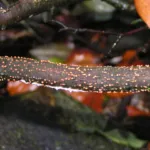 DiseaseCoral Spot CankerNectria cinnabarina
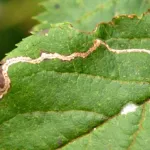 PestApple Leaf Mining MothLyonetia clerkella
Toxicity and pollen
Aesculus tissues contain toxic compounds including aesculin and saponins. Seeds are the main practical concern, but leaves, bark, flowers, and other parts should not be eaten. Wear gloves when handling fallen material and remove seed capsules from areas used by children or pets.
- Typical season
- Late spring
- Pollination / pollen
- Insect-dispersed pollen; usually low airborne release
Horse-chestnut pollen is mainly released from insect-pollinated flowers, so airborne amounts are generally low. Occasional sensitivity is documented for horse-chestnut pollen; people with known spring tree-pollen allergies should monitor symptoms during bloom.
Native habitat
This is a cultivated hybrid rather than a species with a native wild range. Its parentage combines European common horse-chestnut with North American red buckeye. In cultivation it performs best in temperate climates, deep soils, and open sites with adequate moisture and drainage.
Interesting fact
This cultivar is a selection of the hybrid Aesculus × carnea, combining common horse-chestnut and red buckeye parentage. It is valued for unusually deep scarlet flower clusters. Mature trees can become broad and dense, making them effective specimen or shade trees where space permits.
Frequently asked questions (FAQ)
The most relevant questions about this plant, with short and direct answers.
🌱Quick care
What is Aesculus 'Carnea Briotii'?⌄
Aesculus 'Carnea Briotii' is a deciduous hybrid horse-chestnut tree grown for its dark green leaves and upright clusters of deep rosy-red flowers. It is commonly sold in the United States as Ruby red horse-chestnut.
How large does Aesculus 'Carnea Briotii' get?⌄
Aesculus 'Carnea Briotii' typically grows about 30–45 feet tall and wide. Give it enough room for a broad, rounded canopy rather than treating it as a small ornamental tree.
How fast does Aesculus 'Carnea Briotii' grow?⌄
Aesculus 'Carnea Briotii' is generally slow to moderate growing. Its final size may take many years, especially when the tree is establishing or grown in dry, compacted soil.
🌤️Environment and placement
Where should I plant Aesculus 'Carnea Briotii'?⌄
Plant it in full sun to partial shade with ample overhead and lateral space. It is best suited to large yards, parks, broad planting strips, and other sites where a mature shade tree will not obstruct buildings or utilities.
What USDA hardiness zone is Aesculus 'Carnea Briotii' suited to?⌄
Aesculus 'Carnea Briotii' is commonly listed for USDA Zones 5–7, although some references extend the hybrid into Zone 8. Winter performance can vary with cultivar source, exposure, and local summer heat.
Can Aesculus 'Carnea Briotii' grow in full shade?⌄
It can tolerate partial shade, but full shade usually produces weaker growth and fewer flowers. For the best flowering and a dense, balanced crown, provide several hours of direct sunlight.
What type of soil does Aesculus 'Carnea Briotii' prefer?⌄
It grows in loam, clay, or sand when the soil is amended or managed for reliable drainage. Moist, well-drained soil is preferable, and slightly acidic to neutral conditions are generally suitable.
Can Aesculus 'Carnea Briotii' tolerate wet soil?⌄
It tolerates consistently moist soil better than prolonged drought, but the planting site should still drain adequately. Avoid locations where water remains stagnant around the roots for extended periods.
💧Care and problems
How often should I water Aesculus 'Carnea Briotii'?⌄
Water it deeply whenever the upper few inches of soil begin to dry during the establishment period. Once established, it needs less frequent irrigation but still benefits from watering during extended heat or drought.
Is Aesculus 'Carnea Briotii' drought tolerant?⌄
It has some drought tolerance after establishment but does not perform well through prolonged, severe dryness. Mulch the root zone and provide supplemental water during hot, rainless periods.
Does Aesculus 'Carnea Briotii' need fertilizer?⌄
Usually, no routine fertilizer is needed if the tree is planted in reasonably fertile soil. Test the soil before feeding, because excess nitrogen can encourage weak, overly leafy growth instead of improving flowering.
What common problems affect Aesculus 'Carnea Briotii'?⌄
Possible problems include leaf spot, canker, coral spot, honey fungus, horse-chestnut scale, and leaf-mining moth damage. Stress from drought, trunk injury, poor drainage, or compacted soil can make the tree more vulnerable.
Does Aesculus 'Carnea Briotii' drop a lot of litter?⌄
It can produce leaf, twig, flower, and occasional fruit litter, although this cultivar is often described as producing fewer fruits than the species. Avoid planting it directly over heavily used patios, driveways, or narrow sidewalks.
Does Aesculus 'Carnea Briotii' have good fall color?⌄
Fall color is usually limited or inconsistent rather than a primary ornamental feature. The tree is mainly valued for its dark summer foliage, rounded shade canopy, and red spring flowers.
🪴Planting and repotting
When is the best time to plant Aesculus 'Carnea Briotii'?⌄
Plant it in fall or early spring when the soil can be worked and temperatures are moderate. Water thoroughly after planting and maintain even moisture through the first growing season.
How far apart should Aesculus 'Carnea Briotii' be planted?⌄
For a full specimen canopy, allow roughly 35–45 feet of open space from other large trees or structures. A narrower spacing may be appropriate only where future crown overlap is intentionally planned.
Can Aesculus 'Carnea Briotii' be grown in a container?⌄
It is not a practical long-term container tree because it develops into a large, vigorous landscape tree. A young plant may be temporarily container-grown, but it should be planted outdoors before roots become crowded.
Is Aesculus 'Carnea Briotii' easy to transplant?⌄
Young trees are generally easier to transplant than large specimens. Move the tree while dormant when possible, preserve a substantial root ball, and provide regular irrigation while it reestablishes.
✂️Propagation and pruning
How is Aesculus 'Carnea Briotii' propagated?⌄
It is most reliably propagated by grafting onto suitable Aesculus rootstock. Seed propagation is not dependable for preserving the cultivar, and reports differ on how fertile or true-to-type its seeds may be.
Can I grow Aesculus 'Carnea Briotii' from the nuts?⌄
You can try, but seedlings may not reproduce the named cultivar’s flower color, habit, or other traits. Because this cultivar may produce few viable fruits, grafted nursery plants are the more reliable choice.
When should Aesculus 'Carnea Briotii' be pruned?⌄
Prune lightly in late winter to remove dead, damaged, crossing, or poorly attached branches, or prune after flowering if reducing live growth. Avoid unnecessary heavy pruning because the tree naturally develops a useful rounded form.
Does Aesculus 'Carnea Briotii' need structural pruning?⌄
Young trees may benefit from early structural training to establish one trunk and well-spaced permanent branches. After the framework is established, limit pruning to corrective and safety-related work.
⚠️Toxicity and safety
Is Aesculus 'Carnea Briotii' poisonous to people?⌄
Yes, Aesculus 'Carnea Briotii' is toxic if eaten, with the seeds and other plant parts considered unsafe for ingestion. Keep fallen fruits and plant material away from children and do not use the seeds as edible chestnuts.
Is Aesculus 'Carnea Briotii' toxic to dogs and cats?⌄
Yes, horse-chestnut plants can be harmful to pets if eaten, especially the seeds. Contact a veterinarian or animal poison service promptly if a pet chews or swallows any part of the tree.
Are the nuts of Aesculus 'Carnea Briotii' edible?⌄
No, its nut-like seeds are not edible and should not be confused with sweet chestnuts. Remove fallen seeds from areas where children, dogs, or other animals may investigate them.
🌸Flowering and special interest
When does Aesculus 'Carnea Briotii' bloom?⌄
It usually blooms in late spring, often around May in much of the United States. The exact timing depends on climate, spring temperatures, and the tree’s age and growing conditions.
What do the flowers of Aesculus 'Carnea Briotii' look like?⌄
The flowers are deep rosy-red to scarlet and appear in upright, cone-shaped clusters that can reach roughly 8–10 inches long. They are more intensely colored and often larger than those of the basic red horse-chestnut hybrid.
Why is my Aesculus 'Carnea Briotii' not flowering?⌄
Insufficient sunlight, juvenile age, drought stress, excessive nitrogen, late frost, or improper pruning can reduce flowering. The tree generally blooms best in sun with consistent moisture and minimal pruning of young flower-bearing growth.
Does Aesculus 'Carnea Briotii' attract bees and hummingbirds?⌄
Its showy spring flowers can provide an ornamental nectar source for bees and hummingbirds. Flowering activity may vary with local weather, pollinator populations, and the tree’s health.
Similar plants
 Azure Monkshood (Aconitum carmichaelii) care guideAconitum carmichaelii
 Monkshood (Aconitum ‘Stainless Steel’)Aconitum 'Stainless Steel'
 Monkshood (Aconitum ‘Bressingham Spire’)Aconitum 'Bressingham Spire'
 Golden full moon maple (Acer shirasawanum ‘Aureum’)Acer shirasawanum 'Aureum'
 Globosum (Acer platanoides ‘Globosum’)Acer platanoides 'Globosum'
 Striped maple (Acer pensylvanicum) care guideAcer pensylvanicum