
 Source:
 Acanthocereus ‘Tetragonus’ short overview
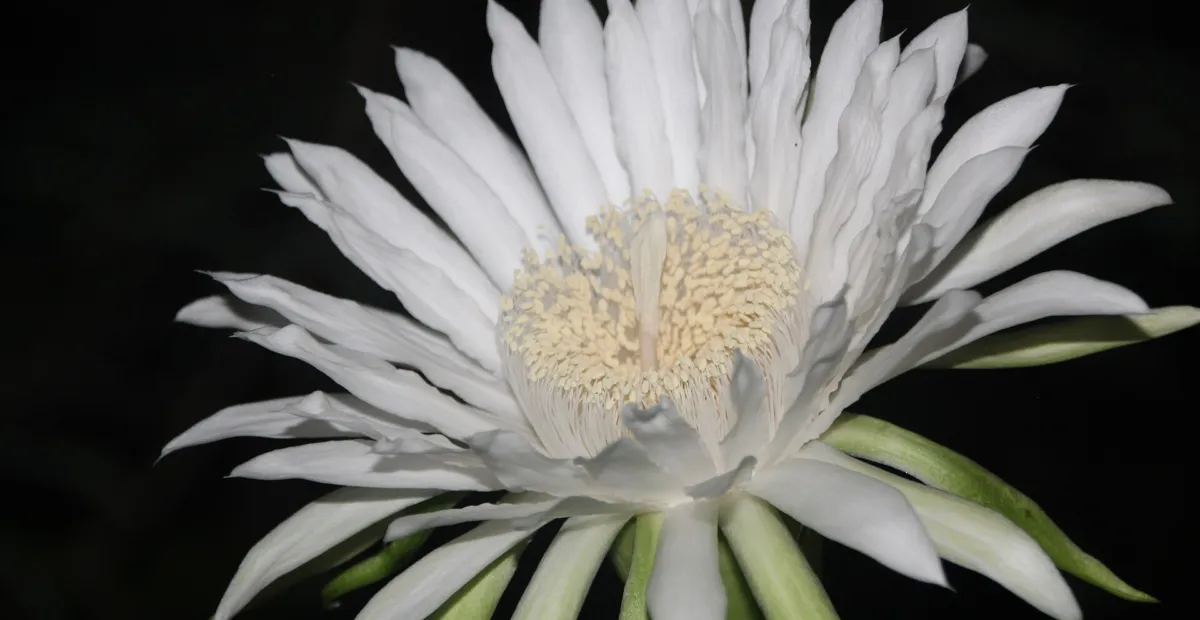
Acanthocereus 'Tetragonus' is a horticultural identity supplied for this profile and associated with the accepted species Acanthocereus tetragonus, a sprawling or upright tropical cactus with angular green stems and conspicuous spines. Documented forms produce large white flowers that open at night and red, edible fruit, although the exact cultivar status, appearance, mature size, and performance of the quoted name are not well established in authoritative databases.
Taxonomic classification
Acanthocereus ‘Tetragonus’ care guide
Light and placement
Give the brightest available light, ideally several hours of direct sun through a south- or west-facing window indoors, or gradual acclimation to full outdoor sun. Increase exposure slowly after indoor culture to prevent sunscald. Too little light causes pale, elongated, weak growth and poor flowering; abrupt intense sun can bleach or brown the stem.
Watering and humidity
Water thoroughly only after the mix has dried substantially, allowing excess water to drain completely. During warm active growth, check the pot every 1–3 weeks according to light, temperature, and container size; in winter, water sparingly or not at all if growth stops. Never leave the pot standing in water. Added humidity is unnecessary.
Soil and growing medium
Use a very porous cactus mix amended with coarse mineral material such as pumice, perlite, or grit. The container must drain freely, because waterlogged roots are a greater risk than temporary dryness. Available species-level guidance supports sandy, rocky coastal soils; a slightly acidic to neutral mix is a practical target, while exact cultivar preferences are unavailable.
Feeding
Feed only during active spring and summer growth, using a balanced fertilizer diluted to roughly one-quarter to one-half the label strength or a low-nitrogen cactus fertilizer. Apply to already moist soil, not bone-dry roots. Stop feeding in fall and winter, and do not fertilize a recently cut, repotted, diseased, or dormant plant.
Growth and habit
The associated species is a branching, scrambling or arching cactus that can become shrubby and thicket-forming in warm outdoor climates. Container plants usually remain smaller, but vigorous growth can become top-heavy or sprawl. Provide sturdy support or a wide pot when needed, and rotate containers periodically for even light.
Planting and repotting
Plant outdoors after the danger of frost has passed, when nights are reliably warm. Set the root ball at its original depth and keep the stem above the soil line. Space generously for branching and airflow; exact cultivar spacing is uncertain, so allow at least 2–3 feet for a young container-grown specimen and more for vigorous species forms.
Repot in spring or early summer only when the mix is dry and the plant is actively growing. Move to a container just one size larger, protect hands from spines, and allow cut or disturbed roots to dry before watering. Replace compacted mix rather than burying the stem deeper.
Propagation and pruning
Propagation
Propagate readily from mature stem cuttings: make a clean cut, let the section callus for several days to a few weeks depending on thickness and humidity, then place it in barely moist, sharply drained mix. Seed propagation is possible but slower and less uniform. Exact propagation behavior of the quoted identity is unverified.
Pruning
Prune only to remove damaged, diseased, dead, or unwanted branches. Use clean, long-handled tools and protective gloves. Allow fresh cuts to dry and callus before exposure to moisture. Root healthy removed sections as cuttings if their identity and condition are clear; avoid severe pruning during cold or wet weather.
Overwintering
Bring containers indoors before temperatures approach freezing. Keep the plant in the brightest cool-to-mild location available, reduce watering sharply, and stop fertilizer. Avoid placing it against a cold window or near damp air with poor circulation. In frost-free climates, protect from prolonged cold rain and any freeze.
Uses
Best supported as an ornamental cactus for containers, conservatories, frost-free landscapes, xeric beds, and rock gardens. Species-level references also document edible fruit and young stems and occasional living-fence use in regional contexts, but those uses should not be extended to an unverified cultivar without correct identification and appropriate preparation.
Appearance
This cactus has green, ribbed stems with angular cross-sections, areoles, and conspicuous spines. Juvenile stems may appear four-angled, while mature stems can show three to five ribs. The associated species branches near the base and may arch, scramble, or form dense clumps. Because the quoted name is not well documented, miniature or unusual forms should be verified rather than assumed.
Flowering
The associated species bears large, tubular, white flowers that open at night and usually close by day. Flora accounts place flowering from mid-summer into fall in the United States, but the exact timing and frequency of the quoted horticultural identity are uncertain. Do not assume a small cultivated plant will flower indoors.
Pollination and visitors
The associated species has large nocturnal flowers and is reported to attract hummingbird moths, supporting moth visitation. Evidence for a particular pollinator species is not strong enough here to provide a Latin species name. The attraction rating is kept low because cultivar-specific visitation records are lacking.
Acanthocereus 'Tetragonus' photos
Click any photo for a larger view. Source, author and license are shown separately.
Diseases and pests
Diseases
The main preventable problem is root or stem rot caused by persistently wet media, especially in cool conditions. Use a porous mix, a drainage hole, and careful winter watering. Remove soft, dark tissue with a sterile blade, let the wound callus, and re-root only healthy material. Improve airflow and avoid overhead watering on damaged tissue.
Pests
Watch for mealybugs, scale, spider mites, and root mealybugs, especially under dry indoor conditions. Inspect areoles and stem joints regularly. Isolate affected plants, remove light infestations with a cotton swab or targeted wash, and use only products labeled for cacti. Avoid chronic overwatering, which can resemble pest damage through stem collapse.
Related diseases and pests
Only Plant Doctor profiles whose host data indicate this plant may be affected are shown here.


Toxicity and pollen
Reliable species-level sources identify edible fruit and young stems in some traditional or regional uses, but they do not establish the safety of the quoted horticultural identity for routine household consumption. The principal practical hazards are sharp spines, glochids or spine fragments, and injury from handling. Keep away from children and pets and do not ingest unidentified plant material.
- Typical season
- No specific US airborne-pollen season documented for this identity
- Pollination / pollen
- Flower pollen, primarily insect-associated
This is an insect-pollinated flowering cactus, so pollen is generally released from the flowers rather than dispersed like wind-borne grass or tree pollen. However, cultivar-specific allergy data are unavailable, and insect pollination does not prove zero allergy risk. Avoid handling open flowers if they cause irritation.
Native habitat
The species is native from southern Florida and Texas through Mexico, the Caribbean, Central America, and parts of northern South America. It occurs in seasonally dry tropical settings including sandy coastal thickets, hammocks, and other well-drained sites. The quoted horticultural identity may not represent a formally recognized wild taxon.
Interesting fact
The epithet tetragonus refers to four-angled juvenile stems, while mature stems may have three to five ribs. The associated species is highly variable across its broad American range. Its flowers open at night and its shiny red fruits are documented as edible in species-level floras. A commonly traded miniature plant called Fairy Castle is often associated with this species, but its identity is disputed and it should not be equated automatically with the requested name.
Frequently asked questions (FAQ)
The most relevant questions about this plant, with short and direct answers.
🌱Quick care
What is Acanthocereus 'Tetragonus'?⌄
Acanthocereus 'Tetragonus' is a frost-tender, scrambling cactus in the Cactaceae family. It is best grown in full sun, very sharply drained soil, and a low-water routine.
How much sunlight does Acanthocereus 'Tetragonus' need?⌄
Give Acanthocereus 'Tetragonus' full sun, ideally at least 6 hours of direct light daily. Acclimate it gradually when moving it from indoors or shade to intense outdoor sun.
How often should I water Acanthocereus 'Tetragonus'?⌄
Water Acanthocereus 'Tetragonus' thoroughly only after its potting mix has dried completely. Reduce watering during cool, dark weather because cold and wet conditions greatly increase rot risk.
What soil is best for Acanthocereus 'Tetragonus'?⌄
Use a very sharply drained cactus mix with substantial mineral material such as pumice, perlite, or coarse grit. The mix should drain rapidly and never remain soggy after watering.
Is Acanthocereus 'Tetragonus' easy to grow?⌄
Acanthocereus 'Tetragonus' is generally manageable when given strong light, fast drainage, and restrained watering. Overwatering, inadequate light, and cold exposure are more serious problems than brief dry periods.
🌤️Environment and placement
Can Acanthocereus 'Tetragonus' grow indoors?⌄
Acanthocereus 'Tetragonus' can grow indoors only in a very bright location, such as a sunny south- or west-facing window or under a strong grow light. Indoor plants usually need less frequent watering than plants growing outdoors in warm sun.
Can Acanthocereus 'Tetragonus' grow outside in the United States?⌄
It can grow outdoors year-round in warm, frost-free parts of the United States, including suitable areas of southern Florida and southern Texas. In colder regions, grow it in a container and move it under cover before freezing weather.
What USDA hardiness zones are suitable for Acanthocereus 'Tetragonus'?⌄
Acanthocereus 'Tetragonus' is best treated as a frost-tender cactus rather than as a reliably hardy perennial. In the United States, it is safest to overwinter it indoors or in a protected greenhouse wherever freezing temperatures are possible.
Can Acanthocereus 'Tetragonus' tolerate frost?⌄
No, Acanthocereus 'Tetragonus' should be protected from frost and freezing temperatures. Move container plants indoors before a freeze and keep them dry while temperatures remain low.
How large can Acanthocereus 'Tetragonus' become?⌄
Acanthocereus 'Tetragonus' can become a large, branching, scrambling cactus with stems that arch, trail, or climb through nearby vegetation. Provide enough room for spreading growth and support if a more upright display is desired.
Does Acanthocereus 'Tetragonus' need support?⌄
Support is often useful because Acanthocereus 'Tetragonus' develops long, branching stems that may arch or recline. A sturdy trellis, wall, or other support can keep stems elevated and reduce contact with wet soil.
💧Care and problems
Why is my Acanthocereus 'Tetragonus' turning soft?⌄
Soft stems usually indicate excess moisture, poor drainage, cold damage, or advancing rot. Stop watering, inspect the roots and lower stem, and remove any tissue that is visibly collapsing before the problem spreads.
Why is my Acanthocereus 'Tetragonus' turning yellow?⌄
Yellowing can result from overwatering, damaged roots, insufficient light, or normal stress after a change in conditions. Check that the mix dries fully and that the plant receives strong direct light before increasing water.
Why is my Acanthocereus 'Tetragonus' becoming thin or stretched?⌄
Thin, elongated growth usually means Acanthocereus 'Tetragonus' is not receiving enough light. Move it gradually toward stronger sun or improve its grow-light coverage, while avoiding a sudden shift that can cause sunburn.
How do I prevent root rot in Acanthocereus 'Tetragonus'?⌄
Prevent root rot by using a fast-draining cactus mix, a pot with a drainage hole, and a watering cycle based on completely dry soil. Do not leave the pot standing in water or water heavily during cold conditions.
Should I fertilize Acanthocereus 'Tetragonus'?⌄
Fertilize Acanthocereus 'Tetragonus' sparingly during active warm-season growth with a diluted cactus fertilizer. Avoid feeding a stressed, recently repotted, dormant, or cold-exposed plant.
What pests affect Acanthocereus 'Tetragonus'?⌄
Possible pests include mealybugs, scale, and other sap-feeding insects, especially on container-grown plants. Inspect joints, areoles, and the base regularly, and isolate affected plants while treating the infestation.
🪴Planting and repotting
What type of pot is best for Acanthocereus 'Tetragonus'?⌄
Use a heavy pot with a drainage hole to improve stability as the cactus becomes larger and more sprawling. Unglazed clay can help the mix dry faster, while any waterproof container is acceptable if watering is carefully controlled.
When should I repot Acanthocereus 'Tetragonus'?⌄
Repot Acanthocereus 'Tetragonus' during warm active growth when the container is crowded, the mix has degraded, or roots are circling heavily. Allow damaged roots to dry and heal before watering after repotting.
How do I repot Acanthocereus 'Tetragonus' safely?⌄
Wear thick gloves, use tongs or folded cardboard, and handle the root ball rather than the spiny stems whenever possible. Pot it into dry, sharply drained mix and wait several days before watering so disturbed roots can recover.
Can Acanthocereus 'Tetragonus' grow in the ground?⌄
Acanthocereus 'Tetragonus' can grow in the ground where winters are frost-free and the soil drains exceptionally well. In heavier soils, build a raised planting area or amend the site substantially with mineral drainage material.
✂️Propagation and pruning
How do I propagate Acanthocereus 'Tetragonus' from cuttings?⌄
Propagate Acanthocereus 'Tetragonus' from healthy stem cuttings by allowing the cut end to callus, then placing it in barely moist, sharply drained cactus mix. Keep the cutting warm and bright, and water cautiously until roots form.
Can Acanthocereus 'Tetragonus' be grown from seed?⌄
Yes, Acanthocereus 'Tetragonus' can be grown from seed, although seedlings develop more slowly than established cuttings. Sow fresh seed in a sterile, well-drained medium and keep it warm with light moisture until germination.
Can I root a broken piece of Acanthocereus 'Tetragonus'?⌄
A healthy broken stem can often be rooted if the damaged end is clean and allowed to callus fully. Discard sections that are soft, black, or already rotting, because they are unlikely to establish successfully.
Can I prune Acanthocereus 'Tetragonus'?⌄
Yes, prune Acanthocereus 'Tetragonus' to remove damaged growth, control sprawling stems, or shape the plant. Make clean cuts with sterilized tools, wear protective gloves, and let cut surfaces dry before watering.
⚠️Toxicity and safety
Is Acanthocereus 'Tetragonus' poisonous to cats or dogs?⌄
Its intrinsic toxicity is not well established, so do not assume it is safe for pets to chew. The spines are a significant physical hazard and can injure the mouth, paws, skin, or eyes.
Are the spines of Acanthocereus 'Tetragonus' dangerous?⌄
Yes, the spines can cause painful punctures and may be difficult to remove. Keep the plant away from walkways, children, pets, and areas where people may brush against its stems.
How should I handle Acanthocereus 'Tetragonus'?⌄
Handle Acanthocereus 'Tetragonus' with thick puncture-resistant gloves, long sleeves, and tools such as tongs or folded cardboard. Avoid gripping the stems directly, especially when repotting or moving a large plant.
🌸Flowering and special interest
Does Acanthocereus 'Tetragonus' flower?⌄
Yes, mature Acanthocereus 'Tetragonus' can produce large, showy cactus flowers followed by fleshy fruits. Flowering is more likely when the plant receives strong light, warm active growth, excellent drainage, and a drier cool-season rest.
When does Acanthocereus 'Tetragonus' bloom?⌄
Acanthocereus 'Tetragonus' generally flowers during the warm-season period, with reported blooming from mid-summer into fall. Exact timing depends on climate, maturity, light, and whether the plant is grown indoors or outdoors.
Why is my Acanthocereus 'Tetragonus' not flowering?⌄
Lack of maturity, insufficient sunlight, excessive watering, or no cool-season rest can all reduce flowering. Give the plant very bright light, avoid rich or constantly moist conditions, and allow a cooler, drier winter period without frost.
Similar plants
 Azure Monkshood (Aconitum carmichaelii) care guideAconitum carmichaelii
 Monkshood (Aconitum ‘Stainless Steel’)Aconitum 'Stainless Steel'
 Monkshood (Aconitum ‘Bressingham Spire’)Aconitum 'Bressingham Spire'
 Golden full moon maple (Acer shirasawanum ‘Aureum’)Acer shirasawanum 'Aureum'
 Globosum (Acer platanoides ‘Globosum’)Acer platanoides 'Globosum'
 Striped maple (Acer pensylvanicum) care guideAcer pensylvanicum