
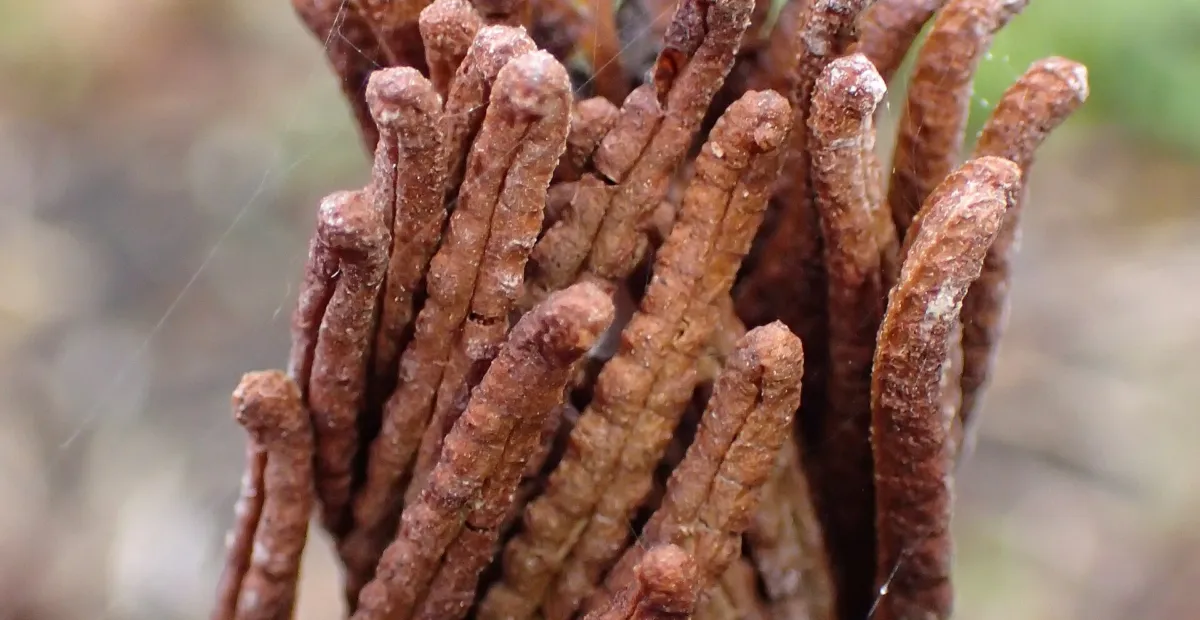
 Source:
 Struthiopteris short overview
Struthiopteris is a genus of perennial ferns valued for its crisp rosettes of pinnate fronds and strong woodland character. Species commonly grown under this name, especially Struthiopteris spicant, prefer cool, moist, acidic soil and filtered to deep shade. They reproduce by spores rather than flowers or seeds, and many produce separate fertile fronds that rise above the sterile foliage. Exact size, hardiness and care vary by species.
Taxonomic classification
Struthiopteris care guide
Light and placement
Provide bright filtered light, partial shade or deep shade, ideally beneath trees or on the north or east side of a building. Morning light is usually safer than hot afternoon exposure. Scorched, bleached or crispy fronds indicate excessive sun or drought; sparse, weak growth can indicate overly dark conditions, poor moisture or unsuitable soil.
Watering and humidity
Keep the root zone evenly moist but never waterlogged. Water deeply when the surface begins to dry, directing water toward the soil rather than repeatedly wetting the crown. Increase frequency during hot, windy periods and reduce it in cool wet weather. Container plants may need more frequent checking than in-ground clumps.
Soil and growing medium
Use a humus-rich, moisture-retentive but freely draining soil. Acidic to slightly acidic conditions are preferred by the best-documented garden representative, Struthiopteris spicant; avoid lime-rich amendments where this species is grown. Incorporate leaf mold, composted bark or other stable organic matter, while preventing stagnant winter water.
Feeding
Feed sparingly. In spring, top-dress with leaf mold or a thin layer of mature compost. If growth is weak in a container, use a dilute, balanced fertilizer once during active growth, following the product label. Do not fertilize drought-stressed, newly divided or dormant plants, and avoid heavy high-salt feeding.
Growth and habit
Plants form a persistent crown or short rhizomatous clump. In the representative species Struthiopteris spicant, sterile fronds make a low evergreen rosette while separate fertile fronds emerge more erectly. Keep competing groundcovers away from the crown and divide only when the clump is well established.
Planting and repotting
Plant in spring or early fall when soil moisture is dependable. Set the crown at soil level rather than burying it, and space plants according to species size; about 18–30 inches is a practical starting range for Struthiopteris spicant. Mulch with leaf mold or fine bark, keeping mulch away from the crown.
Repot container-grown plants in spring when the root mass is established, moving only one container size larger. Use an acidic, organic-rich fern mix with reliable drainage. Avoid disturbing the crown, and water thoroughly after transplanting while the plant re-establishes.
Propagation and pruning
Propagation
Divide established crowns or rhizomatous clumps in spring or early fall, retaining healthy roots and a growing point in each section. Spore propagation is possible but slower and more exacting: sow mature spores on a clean, sterile, continuously moist medium and maintain high humidity during gametophyte development.
Pruning
Remove yellowed, broken or heavily weathered fronds at the crown in late winter or early spring. Evergreen species can be left intact through winter for protection and habitat, while deciduous species may be cut back after dormancy. Do not cut into the crown or remove healthy fertile fronds unnecessarily.
Overwintering
Most garden representatives are cold hardy outdoors in appropriate USDA zones. Apply a light organic mulch after the ground cools, especially for newly planted crowns, but keep it off the crown. In containers, protect roots from repeated freeze-thaw cycles by grouping pots in a sheltered location or moving them into an unheated protected space.
Uses
Use Struthiopteris as an ornamental foliage fern in shaded beds, woodland gardens, cool containers and moist groundcover plantings. Its contrasting sterile and fertile fronds add structure without relying on flowers. Culinary use is not supported for the genus as a whole; do not harvest unidentified species or fiddleheads.
Appearance
The most recognizable garden forms have once-pinnate fronds with a firm central rachis. Struthiopteris spicant shows strong frond dimorphism: leathery sterile fronds spread in a neat rosette, while narrower fertile fronds rise from the center and darken as spores mature. The combination of a low evergreen skirt and upright fertile spikes is a useful identification feature.
Pollination and visitors
These ferns are not animal-pollinated. Their reproductive cycle uses spores and small gametophytes rather than flowers, so they should not be marketed as pollinator plants. Fern spores are dispersed primarily by air and water movement.
Struthiopteris photos
Click any photo for a larger view. Source, author and license are shown separately.
Diseases and pests
Diseases
Prevent crown and rhizome problems by providing drainage, avoiding deep planting and watering at the soil surface. Remove badly damaged or collapsed fronds and improve air circulation in crowded plantings. Persistent decline may indicate unsuitable alkaline soil, drought or root-rot conditions rather than a foliar disease.
Pests
Inspect crowded plantings for slugs, snails, aphids and scale insects, especially where foliage remains damp and sheltered. Hand-pick slugs and snails or use habitat-appropriate controls, and remove heavily infested fronds. Avoid broad-spectrum insecticides around beneficial invertebrates and do not spray during hot, dry weather.
Related diseases and pests
Only Plant Doctor profiles whose host data indicate this plant may be affected are shown here.
 DiseasePhytophthora cactorum crown, collar, root and fruit rotPhytophthora cactorum
 DiseaseRhizopus soft rotRhizopus stolonifer
 DiseasePhytophthora root and crown rotPhytophthora nicotianae
 DiseaseRhizoctonia DiseasesRhizoctonia solani Kühn
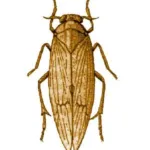 PestBrown planthopperNilaparvata lugens (Stål)
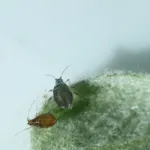 PestRosy Apple AphidDysaphis plantaginea
 Environmental stressDrought stress
 DiseasePear Decline‘Candidatus Phytoplasma pyri’
Toxicity and pollen
No well-established toxic principle is documented for the genus in the major horticultural references consulted. Fern spores are reproductive particles, not pollen, but sensitive people may still experience irritation from dust or decaying plant material. Do not treat absence of toxicity reports as proof that every species is edible or completely risk-free.
- Pollination / pollen
- Spores, not pollen
Struthiopteris is a non-seed fern and does not produce pollen. It releases spores from fertile fronds instead. Spores are not equivalent to pollen, although airborne dust and spores from ferns or decomposing foliage can irritate particularly sensitive individuals.
Native habitat
The genus is associated with temperate woodland, heath, montane and cool coastal habitats, depending on species. Representative Struthiopteris spicant favors acidic, humus-rich soils in moist coniferous or mixed woodland and rocky, shaded sites. Good drainage remains important even where the substrate stays consistently moist.
Interesting fact
Struthiopteris species are ferns and therefore do not produce flowers, fruits or seeds. Many have strongly dimorphic fronds: broad sterile fronds form the display rosette, while narrower fertile fronds specialize in spore production. The genus has also been affected by changing fern classifications and synonymy, so older labels may use different genera.
Frequently asked questions (FAQ)
The most relevant questions about this plant, with short and direct answers.
🌱Quick care
What is Struthiopteris spicant?⌄
Struthiopteris spicant is an evergreen woodland fern in the family Blechnaceae, commonly known in the United States as deer fern or hard fern. It forms a low rosette of sterile fronds and produces taller fertile fronds from the center.
Is Struthiopteris spicant easy to grow?⌄
Struthiopteris spicant is relatively low-maintenance when grown in cool shade, acidic humus-rich soil, and consistent moisture. It is less forgiving of hot sun, prolonged drought, and alkaline soil.
How big does Struthiopteris spicant get?⌄
Struthiopteris spicant usually grows about 18 to 30 inches tall and 12 to 24 inches wide. Its size can vary with moisture, soil quality, climate, and the selected form.
Is Struthiopteris spicant evergreen?⌄
Yes, Struthiopteris spicant is generally evergreen in mild climates and retains its sterile green fronds through winter. Severe cold, exposure, or drought can cause some frond browning.
🌤️Environment and placement
How much light does Struthiopteris spicant need?⌄
Struthiopteris spicant grows best in filtered light, partial shade, or deep shade. Protect it from strong afternoon sun, especially where summer heat and dry soil occur.
Can Struthiopteris spicant grow in full shade?⌄
Yes, Struthiopteris spicant tolerates deep shade and is useful beneath trees or in woodland-style gardens. Growth may be slower and the fronds may be less dense than in bright, indirect shade.
What soil is best for Struthiopteris spicant?⌄
Use humus-rich, acidic soil that holds moisture but drains excess water. Leaf mold, compost, and other organic matter can improve the soil, while lime and alkaline amendments should generally be avoided.
How often should I water Struthiopteris spicant?⌄
Water Struthiopteris spicant whenever the soil surface begins to dry, keeping the root zone consistently moist but not waterlogged. Plants may need more frequent irrigation during hot, dry weather or beneath rain-blocking trees.
Can Struthiopteris spicant tolerate wet soil?⌄
Struthiopteris spicant tolerates moist conditions, but it should not remain in stagnant, poorly drained water. Moisture-retentive soil with good drainage is safer than a permanently saturated planting site.
Is Struthiopteris spicant hardy in the United States?⌄
Struthiopteris spicant is cold hardy outdoors, with commonly listed hardiness extending roughly through USDA Zones 5 to 8, although exact tolerance varies by strain and local conditions. Winter protection may help in exposed or unusually cold sites.
Can Struthiopteris spicant grow under trees?⌄
Yes, Struthiopteris spicant is well suited to planting beneath trees where it receives shade and has organic, moisture-retentive soil. Increase watering if the tree canopy or roots make the area unusually dry.
Is Struthiopteris spicant deer resistant?⌄
Struthiopteris spicant is generally resistant to browsing by deer and rabbits. Resistance is not absolute, particularly when wildlife pressure is severe or other food sources are scarce.
💧Care and problems
Why are the fronds on my Struthiopteris spicant turning brown?⌄
Brown fronds usually indicate drought stress, excessive sun, winter exposure, or naturally aging fertile fronds. Check soil moisture and light first, and remove only fronds that are fully dead.
Does Struthiopteris spicant need fertilizer?⌄
Struthiopteris spicant usually needs little or no fertilizer when planted in organic-rich soil. A light spring mulch of compost or leaf mold is generally preferable to strong, general-purpose fertilizer.
Why is my Struthiopteris spicant not growing?⌄
Slow growth is often normal, but poor performance can result from dry soil, excessive light, alkaline conditions, root competition, or poor drainage. Correcting moisture and soil conditions usually matters more than adding fertilizer.
Should I cut back Struthiopteris spicant?⌄
Cut back only damaged, diseased, or completely brown fronds, preferably in late winter or early spring. Leave healthy evergreen fronds in place because they protect the crown and contribute to the plant’s appearance.
How do I protect Struthiopteris spicant in winter?⌄
Established Struthiopteris spicant usually needs little winter protection in suitable climates. In exposed areas, maintain a light layer of leaf mulch around the crown and avoid cutting off healthy evergreen fronds before winter.
🪴Planting and repotting
When is the best time to plant Struthiopteris spicant?⌄
Plant Struthiopteris spicant in spring or early fall when temperatures are moderate and the soil is workable. Water thoroughly after planting and keep the root zone evenly moist while it establishes.
How far apart should I plant Struthiopteris spicant?⌄
Space Struthiopteris spicant about 18 to 24 inches apart for a natural grouping, adjusting the spacing for the mature width of the plants. Closer spacing creates faster visual coverage but increases competition for moisture.
Can Struthiopteris spicant be grown in a container?⌄
Yes, Struthiopteris spicant can be grown in a container if the pot is large enough, drains freely, and is kept in shade with consistently moist acidic potting mix. Container plants dry out faster than garden plants and need closer monitoring.
Can Struthiopteris spicant grow in clay soil?⌄
Struthiopteris spicant can tolerate some heavy clay if it remains moist and drains adequately. Improve compacted clay with organic matter and avoid planting where water stands for long periods.
Can I grow Struthiopteris spicant indoors?⌄
Struthiopteris spicant is primarily an outdoor woodland fern and usually performs poorly in warm, dry indoor air. If temporarily grown indoors, provide bright filtered light, cool conditions, high humidity, and evenly moist soil.
✂️Propagation and pruning
How do you propagate Struthiopteris spicant?⌄
The most practical method is division in spring, separating portions of the rhizome that have healthy roots and growing points. Propagation from spores is possible but slower and more specialized.
Can Struthiopteris spicant be divided?⌄
Yes, Struthiopteris spicant can be divided in spring as new growth begins. Replant divisions immediately at the original depth and keep them consistently moist until new growth resumes.
Does Struthiopteris spicant spread aggressively?⌄
Struthiopteris spicant generally spreads slowly from its short, ascending rhizomes rather than behaving like an aggressive groundcover. Give each plant room to mature and divide clumps if they become crowded.
What are the tall upright fronds on Struthiopteris spicant?⌄
The tall upright fronds are fertile fronds that produce spores, while the shorter spreading fronds are sterile and primarily provide the plant’s evergreen display. Fertile fronds may age and decline later in the season.
⚠️Toxicity and safety
Is Struthiopteris spicant poisonous to people or pets?⌄
No established toxicity is widely documented for Struthiopteris spicant, but it should not be treated as an edible plant without authoritative identification and preparation guidance. Keep unidentified plant material away from children and pets.
Is Struthiopteris spicant edible like ostrich fern fiddleheads?⌄
Struthiopteris spicant should not be assumed to be edible like ostrich fern fiddleheads. It is a different fern, and the absence of documented toxicity is not the same as food safety.
🌸Flowering and special interest
Does Struthiopteris spicant flower?⌄
No, Struthiopteris spicant does not produce flowers or seeds in the usual flowering-plant sense. It reproduces through spores formed on specialized fertile fronds.
When does Struthiopteris spicant produce spores?⌄
Struthiopteris spicant usually produces its upright fertile fronds from the center of the plant during the growing season, with spores maturing later. Timing varies with climate and local growing conditions.
Similar plants
 Azure Monkshood (Aconitum carmichaelii) care guideAconitum carmichaelii
 Monkshood (Aconitum ‘Stainless Steel’)Aconitum 'Stainless Steel'
 Monkshood (Aconitum ‘Bressingham Spire’)Aconitum 'Bressingham Spire'
 Golden full moon maple (Acer shirasawanum ‘Aureum’)Acer shirasawanum 'Aureum'
 Globosum (Acer platanoides ‘Globosum’)Acer platanoides 'Globosum'
 Striped maple (Acer pensylvanicum) care guideAcer pensylvanicum