
 Source:
 Stenocactus multicostatus short overview
Stenocactus multicostatus is a compact Mexican cactus prized for its densely pleated, wave-like ribs and unusual sculptural form. Its globular green stem is lined with pale, felted areoles and short yellow-gray spines, while mature plants can produce funnel-shaped pink flowers in spring. In the United States, it is best grown as a container succulent in strong light, porous cactus soil, careful summer watering, and a completely dry winter rest.
Taxonomic classification
Stenocactus multicostatus care guide
Light and placement
Provide the brightest practical position, ideally a south- or west-facing window, greenhouse, or sheltered full-sun patio location. Acclimate gradually to intense outdoor sun to reduce scorch. Too little light produces stretched, pale growth and weaker rib definition; sudden harsh sun can cause tan or bleached patches. Rotate containers periodically for even growth.
Watering and humidity
Water deeply only after the mix has dried completely, then let excess drain away. During spring and summer growth, watering may be needed every few weeks depending on heat, pot size, and airflow; do not follow a fixed calendar if the substrate remains damp. Reduce sharply in fall and keep nearly dry through winter. Never water cold, dormant plants routinely.
Soil and growing medium
Use a very porous cactus mix amended with coarse mineral material such as pumice, perlite, or coarse grit. The container must drain freely and never stand in water. A sandy, rocky structure is preferable; the species tolerates a broad pH range in cultivation, but neutral to mildly alkaline conditions are practical.
Feeding
Feed only during active growth in spring and summer. Use a balanced or low-nitrogen cactus fertilizer diluted to about one-quarter to one-half label strength, applied to already moist soil. Do not fertilize during the winter rest, after repotting, or when the plant is stressed, cold, or recently watered excessively.
Growth and habit
This is a slow-growing, evergreen cactus that usually keeps a compact globular form. It may remain solitary or produce offsets with age. Strong light helps maintain dense ribs and compact growth; insufficient light can cause elongation and weaker, less characteristic structure.
Planting and repotting
Plant outdoors only in frost-free, sharply drained sites or raised rock gardens. Set the root collar at the same depth as before and keep the surrounding medium dry until roots establish. In most of the United States, container culture offers better control of winter moisture and temperature.
Repot in spring only when the root ball is dry, using a pot with a drainage hole. Handle the ribbed body with thick gloves or folded cardboard, remove old compacted mix, and allow any damaged roots to dry briefly before planting into dry substrate. Wait several days before the first light watering.
Propagation and pruning
Propagation
Propagate from seed in spring or early summer using a sterile, gritty, well-drained medium. Sow on the surface or barely cover, provide warmth and bright filtered light, and keep evenly but lightly moist until germination. Seedlings are vulnerable to damping-off and should be ventilated as they develop.
Pruning
No routine pruning is needed. Remove only dead, damaged, or diseased material with clean tools, allowing wounds to dry before watering. Do not cut healthy ribs or spines to reshape the plant.
Overwintering
Keep completely dry during winter in a bright, cool, frost-free location. A protected rest around 45–55°F can help maintain compact growth, but temperatures below freezing should be avoided. In colder parts of the United States, move containers indoors before frost and provide maximum light with good ventilation.
Uses
Primarily grown as an ornamental specimen cactus for windowsills, succulent collections, conservatories, greenhouses, rock gardens, and patio containers. Its strongly ribbed form provides year-round architectural interest. It has no well-supported culinary or medicinal use in the reviewed sources.
Appearance
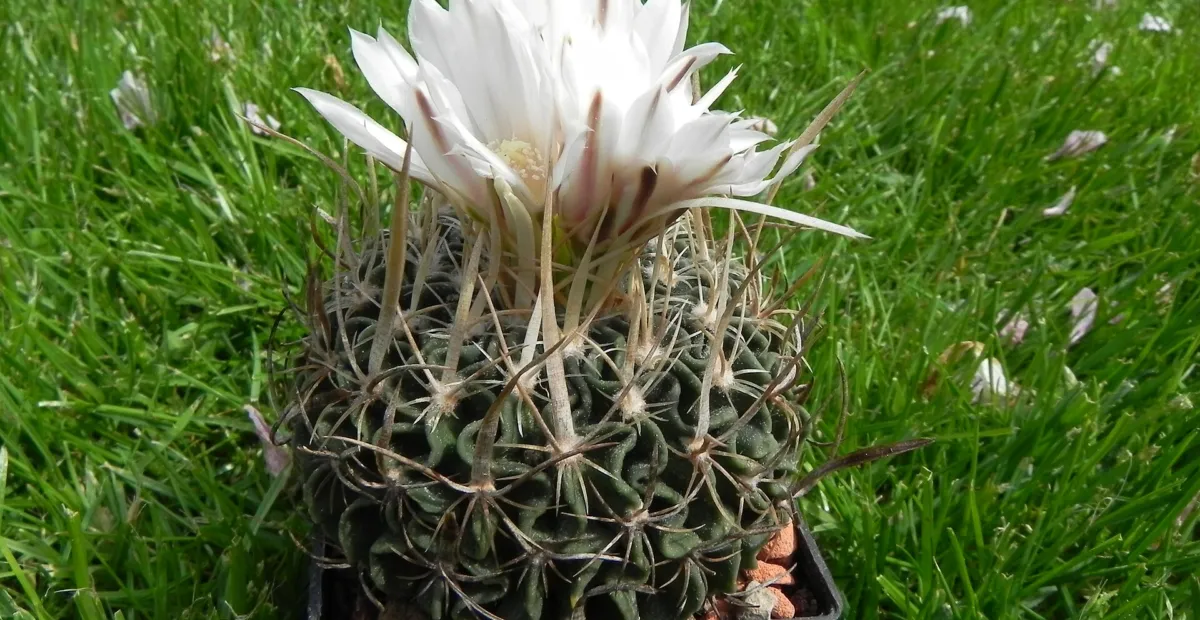
The body is typically globular and green, with an unusually high number of narrow, sharply folded or wavy ribs. Areoles are pale and felted, bearing short yellow or gray spines. The wrinkled rib surface is the key identification feature and gives rise to the horticultural names brain cactus and wave cactus.
Flowering
Mature plants produce small, funnel-shaped pink flowers in spring. Flowers arise near the crown and have darker pink stripes along the petals. Flowering is strongest after a bright growing season and a cooler, dry winter rest.
Pollination and visitors
Species-specific pollinator studies were not located. The open, funnel-shaped flowers are plausibly accessible to small insects, but the strength and identity of visitor relationships remain uncertain.
Stenocactus multicostatus photos
Click any photo for a larger view. Source, author and license are shown separately.
Diseases and pests
Diseases
Root and stem rot are the main risks, especially when cool soil stays wet. Use sterile, free-draining mix, water only after the substrate has dried, and isolate plants showing soft, dark, or collapsing tissue. Remove affected tissue if practical and replace contaminated soil.
Pests
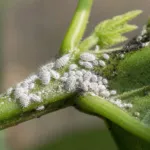
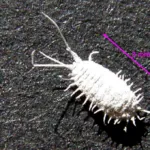
Mealybugs may hide among the numerous ribs and areoles. Inspect crevices regularly, isolate affected plants, and remove small infestations with a targeted cotton swab or suitable insecticidal treatment. Avoid routine pesticide use without confirming product compatibility with cacti.
Related diseases and pests
Only Plant Doctor profiles whose host data indicate this plant may be affected are shown here.

Toxicity and pollen
No authoritative species-specific evidence of poisonous compounds was located. The principal documented household hazard is mechanical injury from the spines. Do not treat the lack of toxicity records as proof of edibility; prevent chewing and contact with sap, areoles, or spines.
- Typical season
- Spring flowering period
- Pollination / pollen
- Heavy, insect-associated pollen; airborne relevance not documented
As an insect-pollinated flowering cactus, its pollen is generally not expected to become a major airborne exposure from a household plant. Species-specific aeroallergen studies were not located, so sensitive individuals should still avoid handling flowers closely if symptoms occur.
Native habitat
Native populations occur in northeastern and southwestern Mexico, extending toward northern Jalisco, in desert and dry shrubland environments. The species is associated with bright exposure, seasonal dryness, and mineral, rapidly draining substrates. Natural distribution and morphology are variable, and taxonomic boundaries have historically been treated in different ways.
Interesting fact
The species is accepted by Kew as Stenocactus multicostatus, despite a long history of cultivation under Echinofossulocactus names. Its densely folded ribs create the distinctive wave or brain-like appearance. Two accepted infraspecific taxa are listed in current taxonomic resources. Plants may remain solitary but can also form small clumps.
Frequently asked questions (FAQ)
The most relevant questions about this plant, with short and direct answers.
🌱Quick care
What is Stenocactus multicostatus?⌄
Stenocactus multicostatus is a small, globular Mexican cactus in the Cactaceae family, recognized by its many tightly folded, wavy ribs. It is often sold in the United States as a brain cactus, although no verified local common name is specified here.
How much light does Stenocactus multicostatus need?⌄
Stenocactus multicostatus needs full sun or several hours of very bright direct light each day. Acclimate it gradually when moving it from indoor or low-light conditions to strong outdoor sun to prevent scorching.
How often should I water Stenocactus multicostatus?⌄
Water Stenocactus multicostatus thoroughly only after its potting mix has dried completely. Water less often in fall and winter, especially when temperatures are cool, because cold, wet soil can cause root rot.
What soil is best for Stenocactus multicostatus?⌄
Use a porous cactus mix amended with sand, grit, pumice, or perlite so excess water drains quickly. Avoid dense garden soil or mixes that remain wet for long periods.
Does Stenocactus multicostatus need a drainage hole?⌄
Yes, Stenocactus multicostatus should be planted in a container with an open drainage hole. A drainage hole is essential because the plant is highly vulnerable to problems caused by stagnant, waterlogged soil.
🌤️Environment and placement
Can Stenocactus multicostatus grow outdoors in the United States?⌄
Stenocactus multicostatus can grow outdoors in warm, dry areas when planted in sharply draining soil and protected from prolonged rain. In most other U.S. locations, grow it in a container that can be moved indoors before freezing weather.
What USDA zones are suitable for Stenocactus multicostatus?⌄
Stenocactus multicostatus is best treated as a frost-tender cactus rather than a reliably hardy landscape plant. Exact outdoor suitability varies with winter moisture and local microclimate, so protect it whenever temperatures may approach freezing.
Can Stenocactus multicostatus tolerate freezing temperatures?⌄
No, Stenocactus multicostatus should be protected from freezing temperatures. Move container plants to a bright, dry, frost-free location before a freeze, and avoid watering during cold weather.
Is Stenocactus multicostatus suitable for a windowsill?⌄
Yes, Stenocactus multicostatus can grow on a sunny windowsill if it receives strong direct light and has excellent drainage. Rotate the pot occasionally to help maintain even growth.
What temperature is best for Stenocactus multicostatus in winter?⌄
A cool, bright, dry winter rest is generally beneficial for Stenocactus multicostatus, but temperatures should remain safely above freezing. Keep it away from cold drafts, wet glass, and unheated spaces that may freeze.
💧Care and problems
Why is my Stenocactus multicostatus turning soft?⌄
A soft or collapsing Stenocactus multicostatus most often indicates rot caused by excessive moisture, poor drainage, or wet soil combined with cold temperatures. Stop watering, inspect the roots and base, and remove rotted tissue if the damage has not spread throughout the plant.
Why is my Stenocactus multicostatus wrinkled?⌄
Wrinkling usually means Stenocactus multicostatus is using stored water, especially after an extended dry period. If the soil is fully dry and the plant remains firm, water thoroughly once; persistent softness or discoloration may instead indicate root damage.
How do I prevent root rot in Stenocactus multicostatus?⌄
Prevent root rot by using gritty, porous soil, a draining container, and a watering schedule based on completely dry soil rather than a fixed calendar. Keep the plant drier during cool or dormant periods.
Should I fertilize Stenocactus multicostatus?⌄
Fertilizing is optional, but Stenocactus multicostatus may be fed lightly with a diluted cactus fertilizer during active growth. Do not fertilize dry, recently repotted, diseased, or dormant plants.
Why does my Stenocactus multicostatus have white spots or powder?⌄
White material in the rib crevices may be mineral residue, dried deposits, corking, or a pest such as mealybug, so appearance alone is not diagnostic. Inspect closely for cottony insects, wipe a small area gently, and check whether the tissue underneath is firm and healthy.
🪴Planting and repotting
When should I repot Stenocactus multicostatus?⌄
Repot Stenocactus multicostatus in spring or early summer when it is beginning active growth, or whenever the mix has broken down or roots are filling the container. Repotting every two to three years is a useful general interval, but plant condition matters more than the calendar.
What size pot does Stenocactus multicostatus need?⌄
Choose a pot only slightly larger than the root system, preferably one size up with a drainage hole. An oversized pot holds moisture too long and increases the risk of rot.
Should I water Stenocactus multicostatus immediately after repotting?⌄
No, do not water Stenocactus multicostatus immediately after repotting. Leave it in dry soil for about five to seven days so damaged roots can dry and heal, then resume careful watering.
Does Stenocactus multicostatus prefer a shallow pot?⌄
A shallow or moderately deep pot is usually suitable for Stenocactus multicostatus because the plant remains compact and requires fast drainage. The container should still provide enough room for stable growth without leaving a large volume of wet soil around the roots.
✂️Propagation and pruning
How do you propagate Stenocactus multicostatus?⌄
Stenocactus multicostatus is usually propagated from seed because offsets are uncommon and vegetative propagation is limited. Sow seeds on a sterile, very well-drained medium and keep them lightly moist, warm, and bright until germination.
Can Stenocactus multicostatus be propagated from cuttings?⌄
Propagation from cuttings is not the usual method for Stenocactus multicostatus because it is primarily a solitary, globular cactus. Seed propagation is generally more practical and reliable.
How long does Stenocactus multicostatus take to grow?⌄
Stenocactus multicostatus is a slow-growing cactus, so seedlings may take several years to develop a mature form and flowering size. Growth is faster with strong light, warm active-season conditions, and careful watering, but overwatering will not safely accelerate it.
⚠️Toxicity and safety
Is Stenocactus multicostatus poisonous to people or pets?⌄
Species-specific toxicity information for Stenocactus multicostatus is not well established, so it is safest to treat it as potentially unsafe if eaten. Its clearly documented hazard is its spines, which can injure skin, eyes, and mouths.
How should I handle Stenocactus multicostatus safely?⌄
Handle Stenocactus multicostatus with folded newspaper, thick gloves, or cactus tongs rather than bare hands. Keep it away from children and pets, and use eye protection when repotting or brushing around its spines.
🌸Flowering and special interest
Does Stenocactus multicostatus flower?⌄
Yes, mature Stenocactus multicostatus can produce small flowers from the crown. Flowers are commonly white or pale pink to violet with darker midveins, although color can vary.
When does Stenocactus multicostatus bloom?⌄
Stenocactus multicostatus generally blooms in spring and may continue into summer under suitable conditions. Strong light, a cool dry winter rest, and mature age can support flowering.
Why is my Stenocactus multicostatus not flowering?⌄
A Stenocactus multicostatus may fail to flower because it is too young, receives insufficient light, lacks a winter rest, or is stressed by poor roots. Provide strong light, keep winter conditions cool and mostly dry, and avoid excessive fertilizer or watering.
Similar plants
 Azure Monkshood (Aconitum carmichaelii) care guideAconitum carmichaelii
 Monkshood (Aconitum ‘Stainless Steel’)Aconitum 'Stainless Steel'
 Monkshood (Aconitum ‘Bressingham Spire’)Aconitum 'Bressingham Spire'
 Golden full moon maple (Acer shirasawanum ‘Aureum’)Acer shirasawanum 'Aureum'
 Globosum (Acer platanoides ‘Globosum’)Acer platanoides 'Globosum'
 Striped maple (Acer pensylvanicum) care guideAcer pensylvanicum