
 Source:
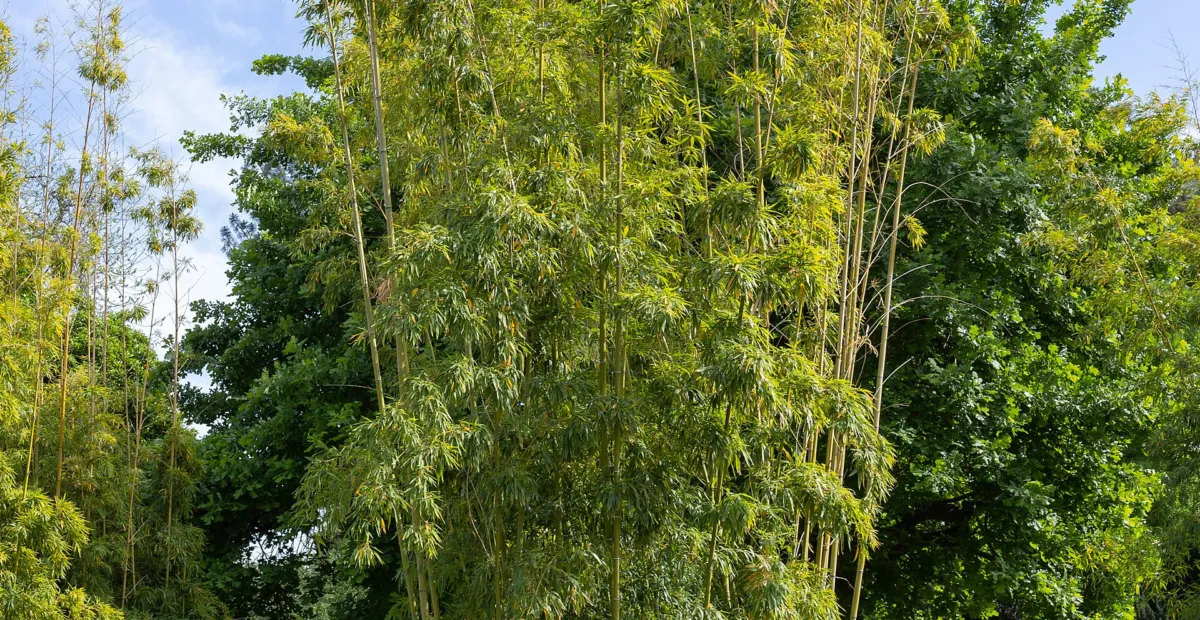
 Giant Timber Bamboo (Phyllostachys reticulata) short overview
Giant Timber Bamboo is a statuesque evergreen bamboo valued for its substantial woody culms, dense leafy screens, and traditional utility. This running species grows best in full sun to partial shade with fertile, evenly moist, well-drained soil. In the United States it can become difficult to contain, so install a serious rhizome barrier or grow it in a robust container. Its rare flowering habit means it is usually cultivated for foliage and culms rather than blooms.
Taxonomic classification
Giant Timber Bamboo (Phyllostachys reticulata) care guide
Light and placement
Give full sun for strongest culm production, with afternoon shade acceptable in hot or dry climates. An east- or south-facing position with protection from harsh winter wind is useful. Too little light produces thinner, more open growth; intense reflected heat combined with drought can scorch leaf margins. Keep the root zone mulched and evenly moist rather than relying on frequent shallow watering.
Watering and humidity
Water deeply when the upper few inches of soil begin to dry, especially during spring shoot production and summer heat. Newly planted divisions may need regular weekly irrigation until rooted; established plants tolerate brief dryness but perform better with consistent moisture. Reduce watering during cool dormancy, while continuing to irrigate during winter thaws if the ground is dry and unfrozen.
Soil and growing medium
Use fertile, moisture-retentive but well-drained loam amended with compost. Avoid stagnant, waterlogged ground and very dry sandy soil. A slightly acidic to neutral reaction is suitable; heavy clay should be loosened before planting. Mulch helps moderate root-zone temperature and moisture, but keep it away from newly emerging culms.
Feeding
Apply a balanced slow-release fertilizer in spring as shoots begin to emerge, with an optional lighter application in early summer where growth is weak. Compost or well-rotted organic matter can be used as a surface mulch. Do not fertilize drought-stressed, newly divided, or dormant plants, and avoid excessive nitrogen late in the season.
Growth and habit
This is a vigorous, monopodial running bamboo. New culms emerge from underground rhizomes and reach most of their final height during one rapid seasonal flush, then develop branches and foliage. Containment, annual rhizome inspection, and selective culm removal are important maintenance tasks; mowing alone will not reliably stop spread.
Planting and repotting
Plant in spring after the soil warms, setting the root ball at the same level it was growing. Space plants about 8–15 feet apart for a screen, depending on the desired density and local growing conditions. Water deeply during the first two growing seasons. Install an effective rhizome barrier before planting; this running bamboo should not be placed beside property lines, septic fields, or unmanaged natural areas.
Container-grown plants should be shifted in spring when roots fill the pot. Use a heavy, wide container with drainage and a rich but open potting mix. Divide or root-prune congested plants only when necessary, because vigorous rhizomes can quickly circle and escape through drainage openings.
Propagation and pruning
Propagation
Propagate mainly by division or by planting sections of vigorous rhizome with attached culms and roots. Perform divisions in spring as new growth begins, keep them moist, and protect them from drying wind until re-established. Seed is rarely practical because flowering is uncommon and seed availability is inconsistent.
Pruning
Remove weak, damaged, or unwanted culms at ground level after the main growth flush or during dormancy. Thin older culms to improve access and airflow, but avoid indiscriminate topping if a natural tall form is desired. Cut escaped shoots and rhizomes promptly; repeated removal is more effective when combined with a properly installed barrier.
Overwintering
Plants in suitable USDA zones usually overwinter outdoors. Apply a 2–4 inch mulch layer over the root zone, keeping it clear of culm bases. Protect young divisions from drying winter wind and severe temperature swings. Container plants are more vulnerable than plants in the ground; move them to a sheltered location and prevent the root ball from freezing solid.
Uses
Useful for tall screening, wind filtering, ornamental groves, culm production, crafts, garden structures, and erosion-control plantings where containment is reliable. Young shoots are traditionally eaten after correct preparation and cooking. Because Phyllostachys is a running-bamboo genus, unmanaged plantings can spread aggressively and may require long-term control.
Appearance
Recognized by tall, straight, thick-walled green culms marked by conspicuous nodes and a contrasting groove above each branch-bearing node. The narrow lance-shaped leaves form a dense evergreen canopy. Mature culms become increasingly substantial and can create a strongly vertical, architectural effect. New shoots and culm sheaths are important identification features but vary with age and growing conditions.
Flowering
Flowering is exceptionally infrequent and may occur in broad, synchronized episodes across widely separated plants. Small, inconspicuous grass flowers are produced in spikelet structures rather than showy floral displays. Because flowering is so rare and irregular, ornamental value comes primarily from the culms and foliage.
Pollination and visitors
The inconspicuous flowers are associated with wind pollination rather than documented attraction of bees, butterflies, or other animal visitors. There is no reliable basis for assigning a characteristic animal pollinator group to this species.
Diseases and pests
Diseases
Maintain airflow, avoid chronically saturated soil, and remove badly damaged culms. Watch for fungal leaf spots, culm or rhizome rots, and decline associated with poor drainage. Sanitize cutting tools and avoid excessive nitrogen, which can produce soft, lush growth. Persistent symptoms should be diagnosed locally before treatment.
Pests
Inspect new shoots and foliage for aphids, scale, mites, bamboo mites, and chewing insects. Encourage beneficial predators, wash light infestations from foliage, and prune out heavily infested culms. Avoid routine broad-spectrum insecticide use. Invasive spread through rhizomes is a greater management concern than most insect pests.
Related diseases and pests
Only Plant Doctor profiles whose host data indicate this plant may be affected are shown here.


Toxicity and pollen
No well-established major toxicity is documented for the vegetative plant in the sources reviewed. Bamboo shoots are used as food in some cultures, but fresh shoots should be properly prepared and cooked rather than eaten raw. Prevent children and pets from chewing unknown plant material, and seek professional advice after substantial ingestion.
- Typical season
- No regular annual season; flowering is exceptionally rare
- Pollination / pollen
- Light grass pollen dispersed by wind during rare flowering
Bamboo pollen is released only when the plant flowers, and this species does not have a dependable yearly flowering season. Airborne-allergy evidence specific to Phyllostachys reticulata is limited, so the low rating reflects limited documented exposure rather than proof of zero risk. Sensitive people should avoid handling flowering material during a local flowering event.
Native habitat
The taxon is associated with temperate East Asian bamboo habitats and cultivated landscapes, where it grows in climates with warm growing seasons, adequate summer moisture, and winter cold. It favors fertile soils and open woodland or forest-edge conditions rather than permanently saturated wetlands. In the United States it is cultivated outside its native range and requires responsible containment.
Interesting fact
The species produces woody culms used historically for construction, poles, crafts, and garden structures. Its underground rhizomes are running rather than tightly clumping, allowing a mature planting to expand laterally. Flowering is so uncommon that individual flowering events can be horticulturally significant. Young shoots may be edible after proper preparation and cooking.
Frequently asked questions (FAQ)
The most relevant questions about this plant, with short and direct answers.
🌱Quick care
What is Phyllostachys reticulata, or Giant Timber Bamboo?⌄
Phyllostachys reticulata is a large, temperate, running bamboo in the grass family Poaceae. It is grown primarily for tall canes, screening, landscaping, and timber-like uses.
How much sun does Giant Timber Bamboo need?⌄
Giant Timber Bamboo grows best in full sun to partial shade. More sun generally supports stronger growth, but afternoon shade can help reduce moisture stress in hot, dry climates.
How often should I water Phyllostachys reticulata?⌄
Water it regularly to keep the soil evenly moist, especially during establishment and summer drought. Avoid constantly saturated soil because poor drainage can damage the rhizomes and roots.
What soil is best for Giant Timber Bamboo?⌄
Use fertile, moisture-retentive, well-drained loam. Improve very sandy or compacted soil with organic matter, but do not plant it where water stands after rain.
Is Phyllostachys reticulata evergreen?⌄
It is generally evergreen or nearly evergreen in mild climates. Cold, drying winds and severe freezes can cause leaf loss or foliage browning, followed by new growth when conditions improve.
🌤️Environment and placement
Is Giant Timber Bamboo a running or clumping bamboo?⌄
Giant Timber Bamboo is a running bamboo that spreads through underground rhizomes. Plant it only where its mature size and potential spread can be managed.
How much space does Phyllostachys reticulata need?⌄
Give it a spacious planting site with room for tall culms and expanding rhizomes. Keep it well away from buildings, paved surfaces, property lines, septic systems, and buried utilities unless a containment plan is used.
Can Giant Timber Bamboo grow in containers?⌄
It can grow in a large, sturdy container, but container culture limits mature size and requires regular watering, feeding, division, and root management. Use a container with excellent drainage and monitor for rhizomes escaping through drainage holes.
What USDA hardiness zone is Phyllostachys reticulata suited to?⌄
Its cold hardiness varies with local conditions, plant provenance, exposure, and winter protection. Choose plants from a reputable U.S. source and compare the seller’s hardiness information with your USDA zone before planting.
Can Giant Timber Bamboo grow in partial shade?⌄
Yes, Phyllostachys reticulata tolerates partial shade, particularly in hot regions. Growth may be slower and culms may be less robust than those grown in bright, sheltered conditions.
Is Phyllostachys reticulata invasive in the United States?⌄
Because it is a running bamboo, Phyllostachys reticulata can spread beyond its planting area and may be difficult to control. Check state and local regulations, and use physical containment plus routine rhizome monitoring where it is permitted.
💧Care and problems
How do I fertilize Giant Timber Bamboo?⌄
Apply a balanced, slow-release fertilizer in spring and, if needed, again in early summer. Regularly amended soil and a thick organic mulch can reduce the need for heavy feeding.
Why are the leaves of Phyllostachys reticulata turning brown?⌄
Brown leaves commonly result from drought, winter desiccation, excessive sun and heat, root damage, or poor drainage. Check soil moisture and drainage first, then protect the plant from drying winds and extreme exposure.
Does Giant Timber Bamboo need winter protection?⌄
Young plants and bamboo in exposed sites may benefit from deep mulch over the root zone and protection from drying winter winds. Avoid wrapping foliage so tightly that air circulation is restricted.
How fast does Phyllostachys reticulata grow?⌄
Growth can be rapid once the plant is established, especially during the spring shooting season. The final height and culm diameter depend strongly on climate, soil, moisture, age, and available growing space.
How do I control Giant Timber Bamboo from spreading?⌄
Install a properly designed rhizome barrier or grow it in a contained planting area, then inspect the perimeter at least once or twice each year. Cutting visible shoots alone will not stop underground rhizomes from extending.
🪴Planting and repotting
When is the best time to plant Phyllostachys reticulata?⌄
Plant it in spring or early fall when soil moisture is reliable and temperatures are moderate. Avoid planting during extreme heat, drought, or immediately before severe winter weather.
How do I plant Giant Timber Bamboo in the ground?⌄
Dig a hole about twice as wide as the root ball, set the plant at the same depth, backfill with native soil amended only as needed, and water thoroughly. Install containment before backfilling if the planting site must be restricted.
Can I transplant established Phyllostachys reticulata?⌄
Established plants can be transplanted, but large divisions are heavy and may suffer significant root and foliage stress. Move them during cool, moist weather, preserve as much rhizome and root mass as possible, and provide consistent water afterward.
✂️Propagation and pruning
How is Giant Timber Bamboo propagated?⌄
The most reliable method is division of sections containing viable rhizomes, roots, and culm buds. Propagation from ordinary cut cane sections is generally unreliable for this temperate running bamboo.
When should I divide Phyllostachys reticulata?⌄
Divide it in spring before or as new shoots begin developing, or during mild, moist weather in early fall. Keep divisions from drying out and replant them promptly.
When should I prune Giant Timber Bamboo?⌄
Prune dead, damaged, weak, or overcrowded culms after the main shooting season or during the dormant season. Remove unwanted new shoots early if you are managing the grove’s size.
⚠️Toxicity and safety
Is Phyllostachys reticulata toxic to people or pets?⌄
No major toxicity is established for this plant, but species-specific safety information is limited. Do not let people or animals consume unidentified raw shoots, and seek professional advice if ingestion causes symptoms.
Can you eat Giant Timber Bamboo shoots?⌄
Some bamboo shoots may be edible after proper preparation, but raw shoots can contain irritating or harmful compounds. Only eat shoots that have been confidently identified and thoroughly cooked according to reliable food-safety guidance.
Are Giant Timber Bamboo roots likely to damage foundations?⌄
Its shallow, spreading rhizomes are more likely to affect cracks, paving, drains, or neighboring beds than intact concrete foundations. Plant well away from structures and use a robust barrier where spread could create problems.
🌸Flowering and special interest
How often does Phyllostachys reticulata flower?⌄
Bamboo flowering is unusual and often occurs after long intervals, with timing varying among populations and clones. A flowering event may cause partial or widespread decline, but the exact pattern for a particular planting is difficult to predict.
Does Giant Timber Bamboo die after flowering?⌄
It may decline or die after flowering, but this is not universal for every plant or population. Recovery can depend on whether flowering affects the entire clone and whether surviving rhizomes remain vigorous.
Similar plants
 Azure Monkshood (Aconitum carmichaelii) care guideAconitum carmichaelii
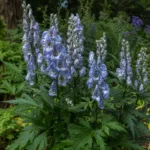 Monkshood (Aconitum ‘Stainless Steel’)Aconitum 'Stainless Steel'
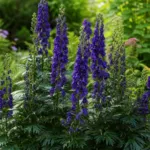 Monkshood (Aconitum ‘Bressingham Spire’)Aconitum 'Bressingham Spire'
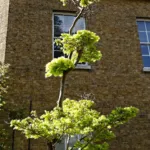 Golden full moon maple (Acer shirasawanum ‘Aureum’)Acer shirasawanum 'Aureum'
 Globosum (Acer platanoides ‘Globosum’)Acer platanoides 'Globosum'
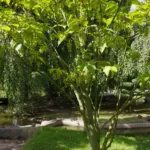 Striped maple (Acer pensylvanicum) care guideAcer pensylvanicum