
 Source:
 Opuntia robusta short overview
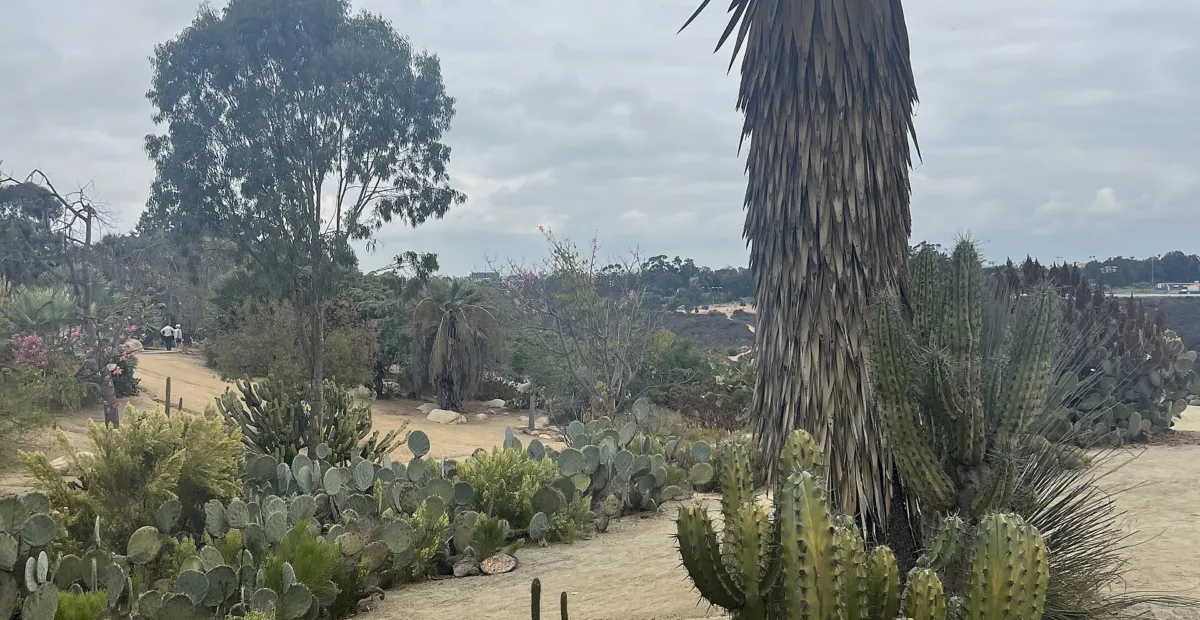
Opuntia robusta is a distinctive Mexican prickly pear cactus forming a shrubby to tree-like plant from thick, rounded blue-green pads. In bright sun and very sharply drained soil, mature specimens can produce shallow yellow flowers in summer, followed by red fruits. Its spines and tiny barbed glochids require careful handling, while winter protection is advisable in much of the United States, especially where wet freezes are common.
Taxonomic classification
Opuntia robusta care guide
Light and placement
Provide at least 6 hours of direct sun, ideally in an unobstructed south- or west-facing position. Gradually acclimate greenhouse or indoor plants to intense outdoor light to prevent sunscald. Pale, elongated pads and weak growth indicate insufficient light; bleached patches or scarring after a sudden move into hot sun indicate excessive exposure without acclimation.
Watering and humidity
Water thoroughly only after the substrate has dried well, then let excess drain completely. During warm active growth, the interval may shorten, but the plant should never sit in a saucer of water. Water much less in fall and winter, especially below 50°F, and keep the soil nearly dry during prolonged cold or low-light periods.
Soil and growing medium
Use a very sharply drained mineral substrate, such as cactus mix amended generously with pumice, perlite, coarse sand, or gravel. In the ground, choose sandy, rocky, or lean loam that never stays waterlogged. A slightly acidic to slightly alkaline reaction is tolerated, but drainage is more important than exact pH.
Feeding
Feed only during active growth, typically from late spring through summer. Use a diluted, low-nitrogen cactus fertilizer according to the label, or apply a small amount of balanced slow-release fertilizer in spring. Do not fertilize newly rooted pads, stressed plants, or plants kept cool and nearly dry in winter.
Growth and habit
This cactus develops from branching, flattened cladodes and can become a substantial, open, shrubby or tree-like specimen with age. Pads root readily when detached, so fallen segments may establish in favorable conditions. Keep growth open and stable, and remove unwanted pads with long-handled tools rather than routine close contact.
Planting and repotting
Plant outdoors after the danger of cold, saturated weather has passed and the soil has warmed. Set the root ball at its original depth; do not bury the basal stem. Allow generous clearance from paths because glochids and spines are difficult to remove. Establish with occasional deep watering, then reduce frequency as roots spread.
Repot in spring or early summer only when the container is crowded or the substrate has degraded. Let the root ball dry, use thick gloves and tools, and move the plant into a pot with a drainage hole only slightly larger than the previous one. Avoid watering immediately if roots were damaged.
Propagation and pruning
Propagation
Propagate readily from mature pads in warm weather. Cut a healthy segment with clean tools, let the cut surface callus for several days to a few weeks, then place the base on or barely into dry, porous cactus substrate. Begin light watering only after roots begin forming. Seeds are possible but slower and more variable.
Pruning
Prune only to remove damaged, diseased, awkward, or unwanted pads, preferably in warm, dry weather. Use long-handled tools, eye protection, and thick protective gloves. Allow cut surfaces to dry and callus; do not compost pads that may root where they are not wanted.
Overwintering
In USDA Zones 9 and warmer, protect the plant from prolonged freezes and winter rain by using a covered, sharply drained position. In colder areas, grow it in a container and overwinter it in a bright, cool, dry location. Keep watering minimal while temperatures and light are low; cold wet roots are especially vulnerable to rot.
Uses
Useful as a drought-tolerant specimen, barrier planting, rock-garden subject, or large container plant in suitable climates. Mature plants may bear edible fruits, but all spines and glochids must be removed safely before food preparation. Keep it away from paths, children, and animals because of the mechanical injury risk.
Appearance
The plant is recognized by thick, flattened, nearly circular cladodes that may reach roughly 16 inches across and appear blue-green or gray-green. Areoles carry larger spines together with minute, barbed glochids. The pads function as photosynthetic stems, while true leaves are inconspicuous and short-lived.
Flowering
Mature plants produce solitary, shallowly bowl-shaped yellow flowers in summer. Individual flowers are short-lived, often lasting about one day, while a well-grown plant can continue flowering over several weeks. Red, spherical fruits may follow after successful pollination.
Pollination and visitors
The showy flowers can receive insect visits, including bees, but a specific pollinator species for Opuntia robusta was not established confidently from the available sources. Pollinator records should therefore be treated as indicative rather than species-specific.
Opuntia robusta photos
Click any photo for a larger view. Source, author and license are shown separately.
Diseases and pests
Diseases
The main risk is root or basal rot caused by persistent moisture, especially in cool weather. Use porous soil, a free-draining container, and careful winter watering. Remove soft, darkened tissue with sterile tools and allow cuts to dry before replanting; discard severely rotted plants.
Pests
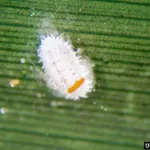
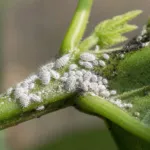
Watch for cochineal scale, mealybugs, scale insects, and occasional spider mites. Inspect areoles and stem joints regularly, isolate affected plants, remove light infestations with a targeted swab or water spray where appropriate, and avoid excessive nitrogen and chronic dampness.
Related diseases and pests
Only Plant Doctor profiles whose host data indicate this plant may be affected are shown here.
Toxicity and pollen
Reliable sources describe Opuntia primarily as a mechanical hazard rather than a poisonous plant. Spines and glochids can penetrate skin, irritate eyes, and cause persistent discomfort; edible use of pads or fruits requires complete removal of spines and glochids. Avoid handling with bare hands and seek medical care for embedded glochids or eye exposure.
- Typical season
- Summer, during flowering
- Pollination / pollen
- Insect-dispersed floral pollen
Opuntia flowers produce pollen, but this insect-pollinated cactus is not generally highlighted as a major airborne pollen source in United States allergy references. Direct contact with glochids is a much more significant practical hazard than inhaled pollen. Sensitive individuals should still avoid handling flowers and plants during bloom.
Native habitat
Native to dry regions of Mexico, where it occurs in desert, scrub, and other seasonally arid habitats. It is adapted to intense sunlight, heat, periodic drought, mineral soils, and rapid drainage. Cold, wet soils are more damaging than brief dry cold.
Interesting fact
The large rounded pads are flattened stem segments, not true leaves. The species is accepted as native to Mexico and has been introduced in several other warm regions. Its fruits are spherical and red, unlike the more elongated fruits of some commonly cultivated prickly pears. Tiny barbed glochids occur in addition to the larger spines.
Frequently asked questions (FAQ)
The most relevant questions about this plant, with short and direct answers.
🌱Quick care
What is Opuntia robusta?⌄
Opuntia robusta is a large, pad-forming cactus in the Cactaceae family, native to Mexico. It develops broad, rounded blue-green pads and can become shrub-like or tree-like with age.
How much sunlight does Opuntia robusta need?⌄
Grow Opuntia robusta in full sun, ideally with at least 6 hours of direct sunlight daily. Strong light helps maintain compact growth and supports flowering.
How often should I water Opuntia robusta?⌄
Water Opuntia robusta only after the soil has dried completely, then soak the root zone and let excess water drain away. Reduce watering substantially in winter and never leave the pot standing in water.
Is Opuntia robusta drought tolerant?⌄
Yes, Opuntia robusta is highly drought tolerant once established. It may grow faster with occasional summer watering, but wet soil is more dangerous than drought.
🌤️Environment and placement
Can Opuntia robusta grow outdoors in the United States?⌄
Opuntia robusta can grow outdoors year-round in warm, dry parts of the United States. In areas with prolonged freezing, heavy winter moisture, or humid conditions, grow it in a container or provide protected shelter.
What USDA hardiness zone is Opuntia robusta suitable for?⌄
Opuntia robusta is best treated as a frost-tender or frost-sensitive prickly pear unless a local source confirms greater hardiness for a particular plant. Protect it from prolonged freezing, especially when the soil is wet.
Can Opuntia robusta tolerate frost?⌄
Opuntia robusta may tolerate brief, light frost when dry and acclimated, but prolonged freezing can damage or collapse the pads. Move container plants under cover before a hard freeze.
What soil is best for Opuntia robusta?⌄
Use sandy or rocky cactus soil that drains sharply and does not stay wet after watering. A raised bed, gritty mineral mix, or unamended sandy soil is preferable to heavy clay.
Can Opuntia robusta grow in clay soil?⌄
Opuntia robusta usually performs poorly in heavy clay unless drainage is substantially improved. Plant it on a mound or in a raised bed and amend the root zone with coarse mineral material rather than moisture-retaining compost.
Is Opuntia robusta suitable for growing indoors?⌄
Opuntia robusta can be grown indoors only in a very bright location, such as a sunny south- or west-facing window or under a strong grow light. Indoor plants need less water and excellent airflow because low light and wet soil encourage weak growth and rot.
💧Care and problems
Why is my Opuntia robusta turning soft or mushy?⌄
Soft, mushy pads usually indicate excess moisture, poor drainage, cold wet conditions, or rot. Remove affected tissue with a sterile tool, allow healthy cut surfaces to dry, and correct the watering and drainage problem.
Why is my Opuntia robusta wrinkled?⌄
Wrinkled pads usually mean the plant is using stored water, most often because the soil has been dry for an extended period. Water thoroughly once the soil is completely dry, but check the roots first if the plant does not recover.
Why is Opuntia robusta growing tall and thin?⌄
Tall, thin, or unusually pale growth usually means Opuntia robusta is not receiving enough direct light. Move it gradually into stronger sun to reduce the risk of sunburn.
What pests affect Opuntia robusta?⌄
Common pests include scale insects, mealybugs, and sometimes cochineal insects. Remove small infestations with a cotton swab or controlled water spray, and use a cactus-appropriate treatment if the infestation persists.
How do I prevent root rot in Opuntia robusta?⌄
Prevent root rot by using a drainage hole, sharply draining soil, and a watering schedule based on completely dry soil. Keep the plant drier during cool weather and never allow water to collect around the roots.
Does Opuntia robusta need fertilizer?⌄
Opuntia robusta needs little fertilizer and can grow well without regular feeding. If growth is active, apply a diluted, low-nitrogen cactus fertilizer sparingly; do not fertilize a stressed, dormant, or recently repotted plant.
🪴Planting and repotting
When should I repot Opuntia robusta?⌄
Repot Opuntia robusta during active growth, preferably in spring or early summer. Repot only when necessary, use fresh dry cactus soil, and wait several days before watering so damaged roots can heal.
What type of pot is best for Opuntia robusta?⌄
Choose a sturdy pot with a drainage hole and enough weight to support the plant as it grows. Unglazed terracotta can help the soil dry faster, while a broad, stable container is useful for large plants.
How do I plant Opuntia robusta in the ground?⌄
Plant Opuntia robusta in full sun, in sharply drained soil, with the root ball level with or slightly above the surrounding ground. Avoid low spots where rainwater collects and leave plenty of room for its broad pads and spines.
✂️Propagation and pruning
How do I propagate Opuntia robusta from a pad?⌄
Cut or detach a healthy pad, let the wound callus for several days to a week, then set the lower end shallowly in dry, gritty cactus soil. Begin light watering only after roots begin forming or the cutting shows stable growth.
Can Opuntia robusta be grown from seed?⌄
Yes, Opuntia robusta can be grown from seed, although seedlings are slower and less uniform than pad cuttings. Sow the seeds in a sterile, gritty mix with warmth, bright light, and careful moisture control.
How long does an Opuntia robusta pad take to root?⌄
An Opuntia robusta pad may begin rooting within several weeks under warm, bright conditions, but establishment can take longer. Avoid repeatedly disturbing the cutting and keep the medium only lightly moist after rooting begins.
Does Opuntia robusta need pruning?⌄
Opuntia robusta does not require routine pruning, but pads can be removed to control size, improve access, or eliminate damaged growth. Wear thick gloves and use long-handled tools because both spines and tiny glochids can injure skin.
How do I remove a damaged pad from Opuntia robusta?⌄
Cut the damaged pad cleanly at its joint with a sanitized knife or pruning tool, then allow the cut surface to dry. Remove fallen pieces promptly because detached pads can root where they contact suitable soil.
⚠️Toxicity and safety
Is Opuntia robusta poisonous?⌄
Opuntia robusta is not generally considered poisonous, but it is mechanically hazardous. Its spines and barbed glochids can penetrate skin and may irritate the eyes, mouth, or digestive tract if accidentally swallowed.
Are Opuntia robusta spines dangerous?⌄
Yes, the spines and especially the fine barbed glochids can cause painful skin irritation and are difficult to remove. Handle the plant with thick gloves, protective clothing, and eye protection, and keep it away from walkways and play areas.
Is Opuntia robusta safe around dogs and cats?⌄
Opuntia robusta is a poor choice for areas accessible to dogs, cats, or children because its spines and glochids can cause injury. Prevent contact and seek veterinary advice if an animal has swallowed plant material or has spines in its mouth or eyes.
Can you eat Opuntia robusta fruit?⌄
The fruits of Opuntia robusta are reported as edible, but they must be handled and prepared carefully because the skin and surface can carry spines or glochids. Do not eat fruit from an unidentified or chemically treated plant.
🌸Flowering and special interest
Does Opuntia robusta flower?⌄
Yes, mature Opuntia robusta can produce shallow, bowl-shaped yellow flowers during the warm growing season. Flowering is most likely when the plant receives strong sun, excellent drainage, and a seasonal dry rest.
What color are Opuntia robusta flowers?⌄
Opuntia robusta is generally described as producing yellow flowers, which may show variation depending on the plant and growing conditions. Flowers develop on newer outer pads and are followed by fleshy fruit when pollination succeeds.
Why is my Opuntia robusta not flowering?⌄
A young plant, insufficient direct sun, excessive nitrogen, inadequate seasonal growth, or winter stress can prevent flowering. Give it strong light, excellent drainage, restrained feeding, and a cooler, drier winter rest when appropriate.
Similar plants
 Azure Monkshood (Aconitum carmichaelii) care guideAconitum carmichaelii
 Monkshood (Aconitum ‘Stainless Steel’)Aconitum 'Stainless Steel'
 Monkshood (Aconitum ‘Bressingham Spire’)Aconitum 'Bressingham Spire'
 Golden full moon maple (Acer shirasawanum ‘Aureum’)Acer shirasawanum 'Aureum'
 Globosum (Acer platanoides ‘Globosum’)Acer platanoides 'Globosum'
 Striped maple (Acer pensylvanicum) care guideAcer pensylvanicum