
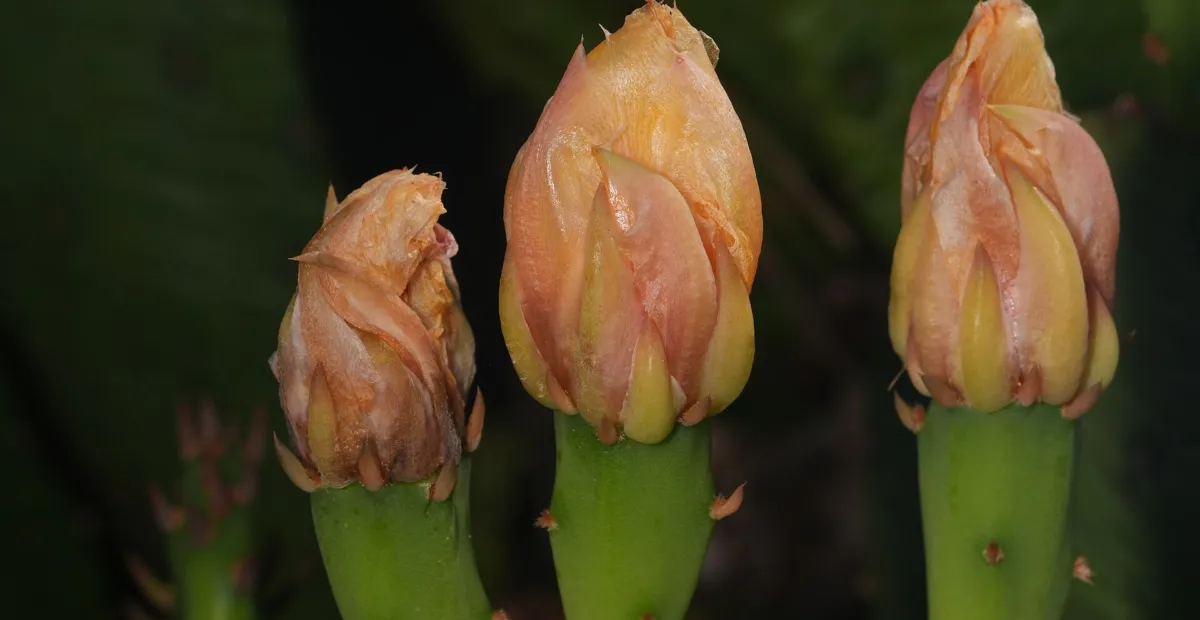
 Source:
 Opuntia ‘Humifusa’ short overview
Opuntia 'Humifusa' is an editor-specified identity associated with the eastern prickly pear complex, a low, spreading cactus native to much of the eastern United States. Its flattened green pads produce waxy yellow flowers, often with reddish centers, followed by fleshy fruits that ripen red to purple. Give it full sun, very sharp drainage, little summer irrigation, and careful handling because the pads carry irritating glochids.
Taxonomic classification
Opuntia ‘Humifusa’ care guide
Light and placement
Provide unobstructed full sun, ideally six or more hours daily, with a south- or west-facing exposure. In hot climates, morning-to-afternoon sun with excellent airflow is preferable to reflected heat beside walls. Weak, elongated pads indicate insufficient light; pale scorching or sudden bleached patches after indoor wintering indicate sun stress, so acclimate gradually.
Watering and humidity
Water deeply only after the growing medium has dried well below the surface, then allow excess water to drain completely. During active summer growth, frequency depends on heat, rain, and container size; reduce sharply in fall and keep nearly dry during cold dormancy. Never leave the pot standing in water. Humidity is secondary to root-zone dryness.
Soil and growing medium
Use a very sharply drained mineral substrate: sandy loam amended with gravel, pumice, or coarse perlite works well. In containers, use a cactus mix rather than moisture-retentive potting soil. The species tolerates calcareous or mildly alkaline ground, but drainage is more important than a precise pH.
Feeding
Feed only while the plant is actively growing. A dilute, low-nitrogen cactus fertilizer once in spring and again in early summer is usually sufficient, especially in containers. Do not fertilize newly rooted cuttings, drought-stressed plants, dormant plants, or specimens growing in rich soil; excess nitrogen encourages soft growth and poorer winter performance.
Growth and habit
This perennial forms a low, gradually expanding colony from branching pads and readily rooted detached segments. Pads may wrinkle during drought or winter dormancy and recover with active growth. Keep the crown dry in cold, wet weather; overcrowded clumps can be thinned by removing selected pads at their joints.
Planting and repotting
Plant outdoors in spring after the soil has warmed, setting the root crown at the same level as before. Backfill with gritty soil and water once to settle the roots, then let the planting dry substantially. Allow room for the low clump to spread and avoid sites where winter water collects.
Repot only when the container is crowded or the mix has degraded. Work with thick gloves, folded cardboard, or long tongs, and allow damaged roots or pads to dry before watering. Choose a pot with a drainage hole and only a modest increase in size.
Propagation and pruning
Propagation
Pad cuttings are the quickest method: detach a healthy mature segment, let the cut surface callus for several days, then set it shallowly in dry gritty mix. Begin light watering only after roots start developing. Seeds are possible but slower and benefit from patience; naturally detached pads may root where they contact suitable soil.
Pruning
Pruning is rarely necessary. In spring, remove dead, damaged, diseased, or badly misplaced pads at a joint using clean tools and protective equipment. Let cut surfaces dry before rainfall or irrigation. Do not shear healthy pads simply to force a compact shape.
Overwintering
Outdoor plants can overwinter in suitable cold climates when planted in very fast-draining soil. Keep winter rain and melting snow from pooling around the crown, and avoid protective coverings that trap moisture. Container plants in colder regions may be moved to an unheated, bright, dry shelter after dormancy begins; keep them nearly dry until spring growth resumes.
Uses
Useful as a drought-tolerant accent, rock-garden plant, dry-border groundcover, slope stabilizer, and pollinator-garden component. The fleshy fruits and young pads are reported as edible after meticulous removal of glochids and preparation, but culinary use should be limited to confidently identified, clean material. It is unsuitable beside heavily used paths because glochids detach readily.
Appearance
The plant has flattened, oval to rounded, fleshy green pads joined into a prostrate or spreading clump. Areoles carry fine barbed glochids and may lack prominent long spines in typical forms, but regional variation and misidentification occur. Pads wrinkle noticeably during drought or cold stress and regain fullness during active growth.
Flowering
Flowers are produced along the margins or ends of mature pads, usually singly or in small groups. They are waxy and showy, typically yellow to gold with reddish centers. Flowering is generally from late spring into summer, with regional variation and earlier dates in warmer parts of the United States.
Pollination and visitors
The open, conspicuous flowers are visited by bees, bumblebees, beetles, and other flower-visiting insects. The available evidence supports a visitor-group description rather than naming one principal pollinator species. Pollination and fruit set can vary with weather, plant density, and local insect activity.
Opuntia 'Humifusa' photos
Click any photo for a larger view. Source, author and license are shown separately.
Diseases and pests
Diseases
Root rot is the principal concern and usually follows saturated soil or prolonged winter wetness. Prevent it with raised, sharply drained planting and restrained irrigation. Remove soft, collapsing tissue with a sterile tool and keep wounds dry; discard severely rotted plants rather than repeatedly watering them.
Pests
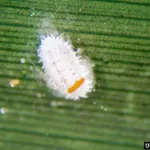
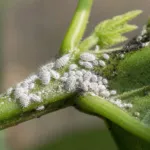
Scale insects, cochineal scale, mealybugs, and occasional cactus-feeding insects may occur, especially on stressed container plants. Inspect areoles and pad joints, isolate affected containers, and remove light infestations mechanically. Improve light and airflow before using a targeted treatment; avoid unnecessary broad-spectrum insecticides during bloom.
Related diseases and pests
Only Plant Doctor profiles whose host data indicate this plant may be affected are shown here.
Toxicity and pollen
No strong evidence was found for systemic poisoning from the species’ tissues, but the plant is not risk-free: glochids and spines can penetrate skin, eyes, clothing, and mouths. Fruits and pads are reported as edible when properly cleaned and prepared, but remove all glochids and avoid consuming unidentified material. Seek medical advice for eye exposure or persistent irritation.
- Typical season
- During flowering, generally May–August in the United States
- Pollination / pollen
- Insect-carried pollen; limited airborne dispersal
This is an insect-pollinated cactus, so its pollen is not typically dispersed in large airborne clouds like wind-pollinated tree or grass pollen. Direct allergy evidence specific to this identity is limited; sensitive people may still react through contact with flowers, plant dust, or handling rather than through substantial airborne exposure.
Native habitat
Across its broad eastern North American range, the species occurs in dry sandy or rocky sites, open woodlands, slopes, prairies, barrens, and coastal settings. It favors porous mineral soils, strong sunlight, and periodic drought, while tolerating salt exposure better than many ornamental perennials.
Interesting fact
The epithet humifusa refers to a prostrate or sprawling habit. Flattened pads function as photosynthetic stems rather than true leaves. Detached pads can root where they land. Fruits may remain attached into the cold season, and the plant is one of the notably cold-tolerant prickly pears used in northern gardens.
Frequently asked questions (FAQ)
The most relevant questions about this plant, with short and direct answers.
🌱Quick care
How do you care for Opuntia 'Humifusa'?⌄
Grow Opuntia 'Humifusa' in full sun, sharply drained mineral soil, and water sparingly. Let the soil dry completely between waterings, and keep the plant much drier during winter dormancy.
Is Opuntia 'Humifusa' a true cactus?⌄
Yes, Opuntia 'Humifusa' is a cold-hardy cactus in the Cactaceae family. Its flattened pads are modified stems that store water and carry the plant’s flowers, fruits, and glochids.
How big does Opuntia 'Humifusa' get?⌄
Opuntia 'Humifusa' usually forms a low, spreading clump about 6 to 14 inches tall and 1 to 1.5 feet wide. Individual plants may spread farther when pads root nearby.
Is Opuntia 'Humifusa' low maintenance?⌄
Yes, it is generally a low-maintenance plant once established. The main requirements are strong sunlight, excellent drainage, restrained watering, and careful handling because its glochids can irritate skin.
🌤️Environment and placement
Can Opuntia 'Humifusa' grow outdoors year-round?⌄
Yes, Opuntia 'Humifusa' can grow outdoors year-round in much of the United States when planted in sharply drained soil. Winter wetness is usually a greater threat than cold, especially in heavy or poorly drained ground.
What USDA hardiness zones are suitable for Opuntia 'Humifusa'?⌄
Opuntia 'Humifusa' is commonly grown outdoors in USDA Hardiness Zones 4 through 9. Local drainage, winter moisture, exposure, and the plant’s origin can affect its actual survival.
Does Opuntia 'Humifusa' need full sun?⌄
Yes, full sun is best for Opuntia 'Humifusa', meaning at least six hours of direct light daily. Insufficient light can produce weaker growth and reduce flowering.
Can Opuntia 'Humifusa' grow in shade?⌄
Opuntia 'Humifusa' may survive in light shade, but it performs poorly there compared with full sun. Shade can reduce flowering, slow drying after rain, and increase the risk of rot.
What soil is best for Opuntia 'Humifusa'?⌄
Use sandy, rocky, sharply drained mineral soil with little organic matter. It can tolerate some clay if water drains quickly, but soil that stays wet around the roots can cause rot.
Can Opuntia 'Humifusa' grow in a rock garden?⌄
Yes, Opuntia 'Humifusa' is well suited to sunny rock gardens, gravel beds, slopes, and other dry sites. Position it where runoff cannot collect around the crown or roots.
Can Opuntia 'Humifusa' tolerate drought?⌄
Yes, established Opuntia 'Humifusa' is highly drought-tolerant. Water during prolonged summer drought when the soil is completely dry, then allow the planting area to dry again.
💧Care and problems
How often should you water Opuntia 'Humifusa'?⌄
Water Opuntia 'Humifusa' only when its soil has dried completely, then soak the root zone and let excess water drain away. Established outdoor plants may need little supplemental water except during extended dry periods.
Should Opuntia 'Humifusa' be watered in winter?⌄
Usually, no; Opuntia 'Humifusa' should remain nearly dry during winter dormancy. Water only if it is growing in an unusually warm, sheltered location and the pads show sustained, severe shriveling.
Why is my Opuntia 'Humifusa' turning limp or mushy?⌄
Limp, translucent, or mushy pads usually indicate excess moisture, cold wet soil, or rot rather than simple thirst. Remove damaged tissue with a clean tool and improve drainage before watering again.
Why is Opuntia 'Humifusa' wrinkled?⌄
Some wrinkling is normal during winter dormancy or prolonged drought because the pads lose stored water. If wrinkling continues during active growth, water thoroughly once the soil is dry and check the roots for damage.
Does Opuntia 'Humifusa' need fertilizer?⌄
Opuntia 'Humifusa' usually needs little fertilizer when grown in poor mineral soil. If growth is weak, apply a dilute, low-nitrogen cactus fertilizer during active growth, avoiding heavy feeding that can produce soft tissue.
What pests affect Opuntia 'Humifusa'?⌄
Scale insects, mealybugs, and cochineal-type insects can occasionally affect Opuntia 'Humifusa', while excess moisture may lead to fungal or bacterial rot. Inspect pads regularly and correct watering or drainage problems first.
🪴Planting and repotting
When is the best time to plant Opuntia 'Humifusa' outdoors?⌄
Plant Opuntia 'Humifusa' in spring or early summer after severe frost has passed, giving it time to root before winter. In mild regions, fall planting can work if drainage is excellent.
How do you plant Opuntia 'Humifusa' in the ground?⌄
Set it at the same depth it was previously growing, keeping the crown above surrounding soil. Backfill with sharply drained mineral soil, avoid immediate heavy watering, and use gloves or tongs to protect against glochids.
Can Opuntia 'Humifusa' grow in a container?⌄
Yes, Opuntia 'Humifusa' grows well in a container with drainage holes and a gritty cactus mix. Containers need closer winter protection from prolonged wetness because their roots are more exposed to temperature changes.
How often should you repot Opuntia 'Humifusa'?⌄
Repot Opuntia 'Humifusa' only when it has outgrown its container or the soil has degraded, usually every few years rather than annually. Repot into dry mix and wait several days before watering.
✂️Propagation and pruning
How do you propagate Opuntia 'Humifusa' from a pad?⌄
Cut or twist off a mature pad at the joint, let the wound callus for about a week, and plant the lower portion in dry, sharply drained mix. Begin light watering only after roots begin developing.
Can Opuntia 'Humifusa' grow from seed?⌄
Yes, Opuntia 'Humifusa' can be grown from seed, but germination is slower and less predictable than pad propagation. Clean seed, warmth, moisture, and patience are needed, and seedlings require strong light after emergence.
How long does an Opuntia 'Humifusa' pad take to root?⌄
A pad may begin rooting within several weeks during warm, active growth, although establishment can take longer. Avoid repeatedly checking or watering it, because disturbed or constantly wet cuttings are more likely to rot.
Can Opuntia 'Humifusa' spread by itself?⌄
Yes, Opuntia 'Humifusa' can spread when pads break off, contact suitable soil, and root nearby. Remove unwanted pads with long-handled tools and dispose of them carefully so they do not re-root.
⚠️Toxicity and safety
Is Opuntia 'Humifusa' poisonous to people or pets?⌄
There is limited evidence of significant systemic toxicity from Opuntia 'Humifusa', but its glochids are a physical hazard. Keep it away from frequent walkways and handle pads, fruit, and debris with thick gloves and tools.
Does Opuntia 'Humifusa' have thorns?⌄
Opuntia 'Humifusa' typically lacks prominent long spines on its pads, but it has numerous tiny barbed glochids. These bristles can lodge in skin, clothing, and animal fur and may be difficult to remove.
How do you safely handle Opuntia 'Humifusa'?⌄
Handle Opuntia 'Humifusa' with sturdy gloves, long-handled tongs, and protective clothing. Do not brush against the pads, and keep children and pets away from fallen segments and fruit unless the glochids have been safely removed.
🌸Flowering and special interest
When does Opuntia 'Humifusa' bloom?⌄
Opuntia 'Humifusa' usually blooms from late spring into summer, often around June and July in temperate parts of the United States. Flowering may vary with latitude, winter conditions, plant age, and sunlight.
What color are Opuntia 'Humifusa' flowers?⌄
The flowers are typically large, waxy yellow to golden blooms, sometimes with a reddish center. They form near the outer edges of mature pads and may open for only a short period.
Why is my Opuntia 'Humifusa' not flowering?⌄
The most common reasons are insufficient direct sunlight, a plant that is still immature, excessive fertilizer, or inadequate winter dormancy. Move it to full sun, avoid rich feeding, and keep it drier in winter.
Does Opuntia 'Humifusa' produce edible fruit?⌄
Yes, Opuntia 'Humifusa' can produce fleshy fruit that ripens from green to reddish or purple tones and is traditionally edible. Fruit must be handled and prepared carefully because glochids may be present.
Similar plants
 Azure Monkshood (Aconitum carmichaelii) care guideAconitum carmichaelii
 Monkshood (Aconitum ‘Stainless Steel’)Aconitum 'Stainless Steel'
 Monkshood (Aconitum ‘Bressingham Spire’)Aconitum 'Bressingham Spire'
 Golden full moon maple (Acer shirasawanum ‘Aureum’)Acer shirasawanum 'Aureum'
 Globosum (Acer platanoides ‘Globosum’)Acer platanoides 'Globosum'
 Striped maple (Acer pensylvanicum) care guideAcer pensylvanicum