
 Source:
 Indica (Opuntia ficus ‘Indica’) short overview
Opuntia ficus 'Indica' is a cultivated tree-form prickly pear with broad, flattened gray-green pads and showy yellow to orange flowers. In warm, dry parts of the United States it can become a substantial landscape specimen, while colder regions are better suited to container culture. Give it all-day sun, fast drainage, careful watering, and protection from prolonged freezing and winter moisture. Fruits and young pads are edible only after glochids and spines are removed safely.
Taxonomic classification
Indica (Opuntia ficus ‘Indica’) care guide
Light and placement
Provide unobstructed full sun, ideally a south- or west-facing exposure with reflected heat. Plants kept too dim become stretched, pale, and weakly supported; abrupt movement from shade into intense sun can scorch pads, so acclimate gradually. In hot inland climates, afternoon sun is usually beneficial, while winter shelter should not reduce drainage or airflow.
Watering and humidity
Water deeply, then allow the mix to dry completely before watering again. During warm active growth, container plants may need water every 2–4 weeks depending on heat and pot size; established outdoor plants often need little supplemental water. Reduce sharply in fall and keep nearly dry in winter, especially below 50°F.
Soil and growing medium
Use a gritty cactus mix or sandy, rocky soil with excellent drainage. In containers, combine mineral grit with a modest amount of loam or potting mix. The plant tolerates acidic, neutral, and mildly alkaline conditions, but persistent waterlogging quickly damages roots.
Feeding
Feed only during active growth in spring and summer. Use a diluted cactus fertilizer or a low-nitrogen formulation at label strength or weaker. Avoid heavy nitrogen feeding, which can produce soft, weak pads, and stop fertilizer in winter or whenever the plant is cold, dormant, or drought-stressed.
Growth and habit
This cultivated prickly pear develops a woody, trunk-like base and branches into an open crown of large flattened cladodes. It is drought-adapted once established but grows more vigorously with warmth, sun, and occasional deep watering. Heavy pads can make unsupported branches unstable, so remove damaged or poorly placed segments promptly.
Planting and repotting
Plant outdoors after the danger of hard frost has passed, preferably in spring, on a raised mound or slope. Set rooted pads or nursery plants at the same depth they were growing; burying pads deeply encourages rot. Allow ample clearance from paths because glochids detach easily.
Repot in spring only when the container is crowded or the mix has degraded. Let the soil dry, use thick gloves or folded cardboard to handle pads, and move the plant into a pot with generous drainage holes. Delay watering for several days after repotting so damaged roots can callus.
Propagation and pruning
Propagation
Root mature pads in warm weather after allowing the cut surface to callus for several days. Stand the lower portion upright in dry, gritty mix and water sparingly only after roots begin forming. Seed propagation is possible but slower and produces variable offspring.
Pruning
Prune in late spring or summer when tissues are actively healing. Remove damaged, diseased, crossing, or unwanted pads at a joint using sanitized tools. Wear puncture-resistant gloves, eye protection, and long sleeves; collect fallen fragments because detached pads can root readily in suitable conditions.
Overwintering
Keep container plants nearly dry and frost-free when temperatures approach the low 30s°F. A bright, cool, ventilated porch, greenhouse, or sunny room is suitable. Outdoor plants in marginal climates need protection from prolonged freezing and winter rain; cover does not replace excellent drainage.
Uses
Useful as a drought-tolerant specimen, barrier planting, container plant, edible-fruit crop, and source of young culinary pads. Fruits and pads require careful removal of spines and glochids before eating. Plant only where its spreading pads and defensive armature will not obstruct paths or contact people.
Appearance
The plant has thick, flattened, oblong to elliptic cladodes arranged like broad plates. Cladodes may be gray-green or green and carry areoles with larger spines and detachable microscopic glochids. Mature plants can form a definite trunk and an open, tree-like crown. The true leaves are inconspicuous and short-lived.
Flowering
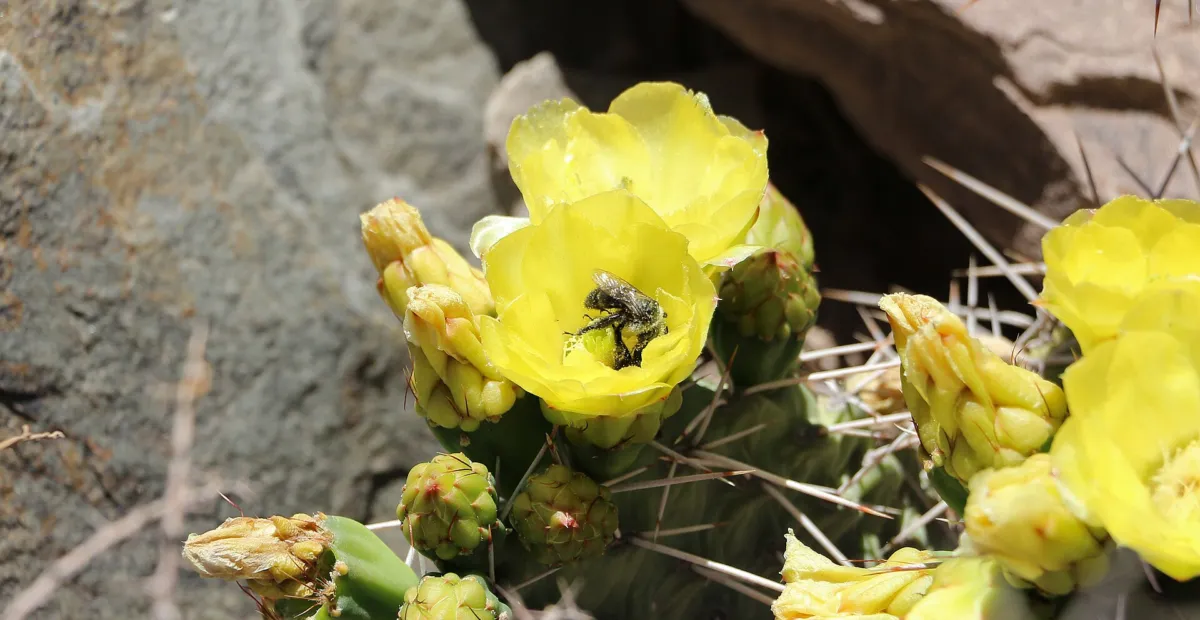
Flowers are solitary, bowl-shaped to broadly funnel-shaped blooms produced on mature pads, usually in late spring and summer. The inner tepals are commonly yellow to orange-yellow, though cultivated forms can vary. Flowers are followed by fleshy, spiny berries whose ripe color depends on the cultivated strain.
Pollination and visitors
Flowers are visited by bees and other pollinating insects. Arizona horticultural guidance identifies bees as important visitors to cultivated Opuntia ficus-indica forms. Animal visitors to fruit and pads can include birds and mammals, but the plant’s prickles limit casual browsing.
Opuntia ficus 'Indica' photos
Click any photo for a larger view. Source, author and license are shown separately.
Diseases and pests
Diseases
Root and basal rot are the principal concerns, especially in wet, poorly drained soil or during cool weather. Improve drainage, avoid standing water, remove rotted tissue with sterile tools, and allow cut surfaces to dry before replanting. Good airflow also reduces fungal problems on damaged pads.
Pests
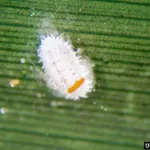
Mealybugs and scale insects may infest pads or joints, especially on stressed container plants. Inspect areoles and stem junctions regularly, isolate affected specimens, remove light infestations with a cotton swab and rubbing alcohol, and improve light and airflow. Avoid routine broad-spectrum insecticide use around flowers.
Related diseases and pests
Only Plant Doctor profiles whose host data indicate this plant may be affected are shown here.
Toxicity and pollen
The main documented hazard is mechanical injury from spines and tiny barbed glochids, not a demonstrated systemic poison. Wear gloves and eye protection when pruning or harvesting. Edible pads and fruits must be cleaned thoroughly to remove glochids and larger spines before preparation.
- Typical season
- Late spring through summer
- Pollination / pollen
- Insect-dispersed pollen; airborne relevance not established
No reliable US-specific airborne-pollen rating was found for this exact identity. The flowers are insect-pollinated, but that does not prove zero allergy risk. Most routine handling concerns are glochids and spines rather than airborne pollen; people with unusual pollen sensitivity should avoid direct exposure during bloom.
Native habitat
The species is associated with seasonally dry tropical environments and is believed to have originated in Mexico, with Oaxaca identified in current taxonomic distribution data. Cultivated forms now occur widely in warm arid and semiarid regions, where they favor open sunny sites and rapidly draining soils.
Interesting fact
Cultivated forms of this cactus are among the world’s most important fruit-producing cacti. The edible fruit is commonly called cactus pear, while young pads are used as nopales in culinary traditions. Flattened pads are modified stems, not true leaves. Some cultivated plants are nearly spineless, but glochids may still be present.
Frequently asked questions (FAQ)
The most relevant questions about this plant, with short and direct answers.
🌱Quick care
What is the correct common name for Opuntia ficus 'Indica'?⌄
No single common name is consistently documented for the exact horticultural identity Opuntia ficus 'Indica'. Related plants are often called prickly pear, Indian fig, or nopal, but those names should not be treated as verified for this exact cultivar or form.
How do you care for Opuntia ficus 'Indica'?⌄
Grow Opuntia ficus 'Indica' in full sun, sharply drained gritty soil, and water deeply only after the soil has dried. Protect it from prolonged freezing and keep the roots drier during cool weather.
🌤️Environment and placement
How much sunlight does Opuntia ficus 'Indica' need?⌄
Provide at least 6 hours of direct sunlight daily, with full sun preferred. Increase indoor or greenhouse light gradually to avoid sunburn after a period of shade.
Can Opuntia ficus 'Indica' grow indoors?⌄
It can survive indoors temporarily, but it grows best outdoors in full sun or in a very bright, sunny greenhouse. Indoor plants commonly become weak or stretched when they do not receive enough direct light.
What USDA zones are suitable for Opuntia ficus 'Indica'?⌄
Opuntia ficus 'Indica' is generally best suited to warm, dry parts of USDA Zones 9–11, although hardiness varies among clones. In colder areas, grow it in a container that can be moved under cover before freezing weather.
How cold can Opuntia ficus 'Indica' tolerate?⌄
Established plants may tolerate brief temperatures in the upper teens Fahrenheit, but pads can be damaged or shed near 20°F. Protect the plant from prolonged freezing, wet cold, and sudden hard freezes because cold tolerance varies by clone.
Can Opuntia ficus 'Indica' grow in full desert heat?⌄
Yes, it generally handles intense heat and dry conditions well when its roots are established and the soil drains quickly. Newly purchased or shaded plants should be acclimated gradually to extreme sun.
💧Care and problems
How often should you water Opuntia ficus 'Indica'?⌄
Water thoroughly during active growth, then wait until the soil is completely dry before watering again. The interval may range from about every 2–4 weeks in summer, depending on heat, pot size, soil, and rainfall.
How should you water Opuntia ficus 'Indica' in winter?⌄
Keep watering to a minimum during cool winter conditions and withhold it when the plant is dormant or exposed to cold, damp soil. Resume watering gradually when bright, warm growth begins.
What soil is best for Opuntia ficus 'Indica'?⌄
Use a gritty cactus mix amended with pumice, coarse sand, gravel, or similar mineral material. The soil should drain sharply and dry relatively quickly rather than remain wet around the roots.
Why is my Opuntia ficus 'Indica' turning yellow?⌄
Yellowing commonly indicates overly wet roots, cold stress, poor light, or sudden environmental change rather than a need for more water. Check drainage, soil moisture, and light before fertilizing.
Why is my Opuntia ficus 'Indica' becoming soft?⌄
Soft pads usually indicate rot from excess moisture, especially when temperatures are cool. Remove affected tissue with a clean tool, allow healthy cut surfaces to dry, and correct the drainage and watering problem.
Does Opuntia ficus 'Indica' need fertilizer?⌄
Fertilizer is optional because the plant grows well in lean soil. If growth is weak, use a diluted cactus fertilizer during spring and summer, and avoid high-nitrogen feeding that can produce soft, rot-prone growth.
What pests affect Opuntia ficus 'Indica'?⌄
Scale insects and mealybugs are the main pests reported on cultivated Opuntia. Inspect joints and undersides of pads regularly, isolate affected plants, and use a treatment labeled for ornamental cacti.
🪴Planting and repotting
When should Opuntia ficus 'Indica' be planted outdoors?⌄
Plant it outdoors in spring after the danger of hard frost has passed and the soil is warming. Choose a sunny, elevated site where rainwater cannot collect around the base.
Can Opuntia ficus 'Indica' grow in a container?⌄
Yes, it grows well in a container with a drainage hole, gritty soil, and a heavy base that will not tip as the pads expand. Move the container to protected cover before prolonged freezing.
How often should Opuntia ficus 'Indica' be repotted?⌄
Repot only when the plant has outgrown its container, the mix has degraded, or drainage has declined. Repot during warm active growth, handle the pads with thick gloves or tools, and keep the plant dry briefly afterward.
✂️Propagation and pruning
How do you propagate Opuntia ficus 'Indica' from a pad?⌄
Cut a healthy mature pad, let the cut end callus for several days, then set the lower end shallowly into dry, sharply drained soil. Begin light watering only after roots start developing, because an unrooted pad can rot easily.
Can Opuntia ficus 'Indica' be grown from seed?⌄
Yes, it can be propagated from seed, but seedlings are slower and may not reproduce the parent plant’s exact traits. Sow in a well-drained medium during warm, bright conditions and keep moisture controlled.
Should Opuntia ficus 'Indica' be pruned?⌄
Pruning is not required, but you can remove damaged, diseased, or overcrowded pads to control size and improve access. Cut at a joint with a clean tool and allow the wound to dry before rain or watering.
⚠️Toxicity and safety
Is Opuntia ficus 'Indica' poisonous?⌄
It has low systemic toxicity, but its spines and tiny barbed glochids are the principal hazards. Handle it with thick gloves and tools, keep it away from high-traffic areas, and prevent children or pets from contacting the pads.
How do you safely handle Opuntia ficus 'Indica'?⌄
Use thick gloves, long-handled tools, or folded cardboard when moving and pruning the plant. Fine glochids can detach easily and lodge in skin or eyes, so avoid touching your face and wear eye protection for larger plants.
Are the pads and fruit of Opuntia ficus 'Indica' edible?⌄
Opuntia ficus-indica is widely cultivated for edible young pads and fruit, but edibility should not be assumed for an unidentified ornamental plant or for this exact horticultural identity without cultivar confirmation. Any harvested material must be cleaned carefully to remove spines and glochids.
🌸Flowering and special interest
When does Opuntia ficus 'Indica' flower?⌄
It usually flowers in late spring or summer after receiving strong light and warm growing conditions. Mature, well-established plants are more likely to bloom than young or heavily shaded specimens.
What color are Opuntia ficus 'Indica' flowers?⌄
Flowers are commonly yellow to orange, although color can vary among cultivated forms. Flowers develop along the margins or upper portions of mature pads.
Why is my Opuntia ficus 'Indica' not flowering?⌄
Insufficient direct sun, young age, limited growing-season warmth, or excessive winter moisture can prevent flowering. Provide full sun, sharply drained soil, and a dry winter rest while avoiding heavy nitrogen fertilizer.
Does Opuntia ficus 'Indica' produce fruit?⌄
Mature plants can produce fleshy, berry-like fruit after flowering, but fruiting depends on the clone, plant age, pollination, and growing conditions. Plants grown primarily as small indoor specimens may not flower or fruit reliably.
Similar plants
 Azure Monkshood (Aconitum carmichaelii) care guideAconitum carmichaelii
 Monkshood (Aconitum ‘Stainless Steel’)Aconitum 'Stainless Steel'
 Monkshood (Aconitum ‘Bressingham Spire’)Aconitum 'Bressingham Spire'
 Golden full moon maple (Acer shirasawanum ‘Aureum’)Acer shirasawanum 'Aureum'
 Globosum (Acer platanoides ‘Globosum’)Acer platanoides 'Globosum'
 Striped maple (Acer pensylvanicum) care guideAcer pensylvanicum