
 Source:
 Myrtillocactus ‘Cochal’ short overview
Myrtillocactus 'Cochal' is an editor-supplied horticultural identity associated with the Baja California cactus Myrtillocactus cochal. It forms blue-green, ribbed, branching stems and small greenish-white flowers, followed by dark blue to purple berry-like fruit. Reliable cultivar-specific information is limited, so identification and mature dimensions should be treated cautiously. Myrtillocactus 'Cochal' is an editor-supplied horticultural identity linked to Myrtillocactus cochal, a branching cactus from Baja California.
Taxonomic classification
Myrtillocactus ‘Cochal’ care guide
Light and placement
Provide several hours of direct sun, ideally in an unobstructed south- or west-facing position. Acclimate container plants gradually after low-light shipping or winter storage to prevent scorch. Too little light causes pale, stretched, weak growth; excessive abrupt exposure can bleach or brown the stems.
Watering and humidity
Water deeply only after the substrate has dried completely, then let excess drain away. During warm active growth, this may mean occasional irrigation rather than a fixed weekly schedule. Reduce sharply in fall and keep nearly dry during cool winter conditions. Never leave the pot standing in water.
Soil and growing medium
Use a sharply draining cactus substrate dominated by pumice, coarse sand, gravel, or similar mineral material, with only a modest organic component. A slightly acidic to neutral reaction is suitable. Avoid heavy clay, water-retentive mixes, and containers without drainage holes.
Feeding
Feed only during active spring and summer growth, using a cactus fertilizer at half strength or a low-nitrogen formulation. Water the plant first if the mix is dry, then apply the diluted feed. Stop fertilizing during winter dormancy and after repotting until roots have re-established.
Growth and habit
This cactus develops a short woody base and numerous upright to arching branches. Strong warmth and abundant light promote sturdier, faster growth; low light produces elongated, weaker stems. Give mature plants room to branch and support container specimens with a stable, heavy pot.
Planting and repotting
Plant outdoors only after the soil has warmed and frost risk has passed. Set the root crown at the same level as before, never burying the stem base. Provide mineral backfill, excellent drainage, and temporary protection from intense afternoon sun while newly planted plants establish.
Repot in spring or early summer when growth is active. Wear thick gloves, handle the plant with folded cardboard or tongs, and allow damaged roots to dry before watering. Move up only one pot size; oversized containers remain wet too long.
Propagation and pruning
Propagation
Propagate from stem cuttings or seed. Take cuttings during warm active growth, let the cut surface callus fully, then place it in dry mineral cactus mix. Begin light watering only after rooting is evident. Seed-grown plants may vary and cannot be assumed to reproduce a named clone exactly.
Pruning
Prune only to remove damaged, diseased, or badly positioned branches, preferably during warm dry weather. Let cut surfaces dry and callus before exposure to rain or irrigation. Save healthy cut sections for propagation if desired.
Overwintering
Keep completely frost-free or provide dependable protection below about 23°F. Move container plants indoors before cold weather to a bright, dry, cool location with good airflow. Avoid routine winter watering; a small drink is appropriate only if stems visibly shrivel and conditions are warm enough for drying.
Uses
Best supported as an architectural specimen for xeric landscapes, cactus collections, and large containers in frost-free regions. Its branching blue-green form provides structure, while the fruit can be ornamental. Do not treat the named identity as an edible crop without verified identification and local horticultural guidance.
Appearance
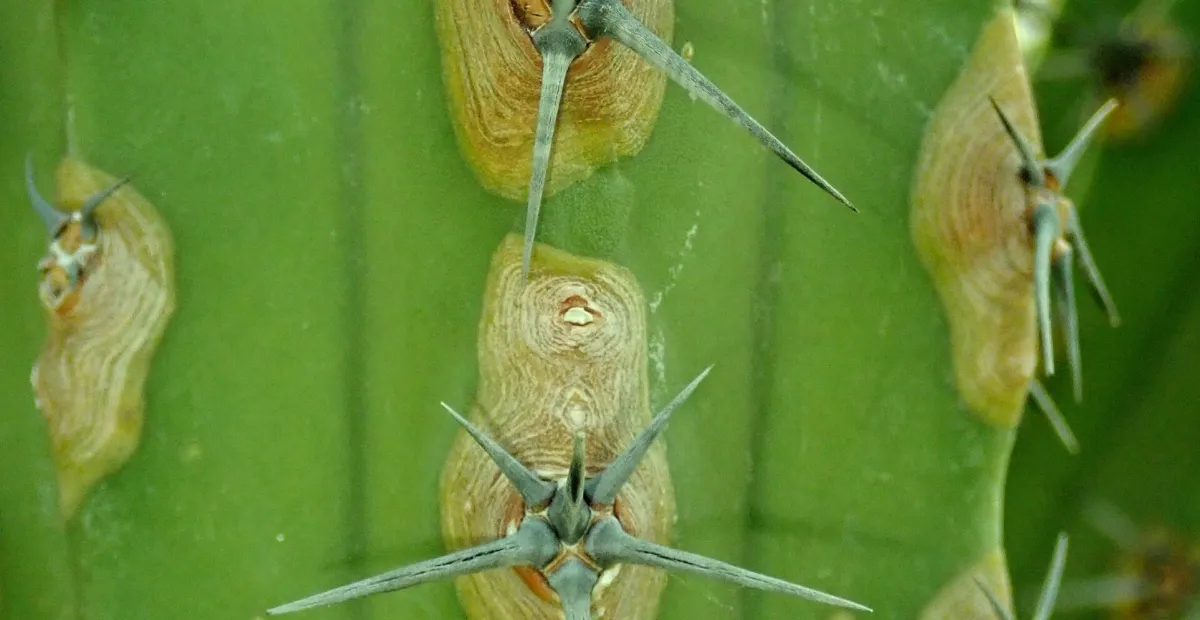
A leafless, branching cactus with blue-green cylindrical stems divided into broad, shallow ribs and furnished with areoles and short spines. Mature plants may develop a woody basal trunk, giving a candelabra-like silhouette. The combination of glaucous color and compact branching is useful for identification, but clone-level variation is expected.
Flowering
The species produces small greenish-white flowers from areoles on mature stems. The available evidence indicates flowering can occur for much of the year in favorable warm climates, but the timing and abundance of the named identity have not been documented separately.
Pollination and visitors
Available botanical-garden information reports insect and bird visitation, including hummingbirds, to the small flowers. A specific pollinator species for this named identity was not established. Animal visitation should not be confused with airborne allergy risk.
Myrtillocactus 'Cochal' photos
Click any photo for a larger view. Source, author and license are shown separately.
Diseases and pests
Diseases
The main risk is root or stem rot caused by persistently wet soil, especially during cool weather. Use porous soil, drainage holes, strong airflow, and a dry winter rest. Remove soft tissue promptly with sterile tools and re-root only healthy, callused sections.
Pests
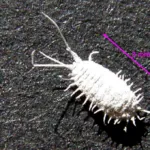
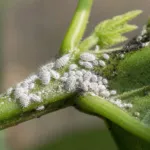
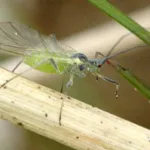
Inspect areoles and stem joints for mealybugs, scale, and spider mites. Isolate affected plants, remove small infestations mechanically or with an appropriate labeled treatment, and correct weak light or poor airflow. Root mealybugs are harder to detect and are favored by persistently damp substrate.
Related diseases and pests
Only Plant Doctor profiles whose host data indicate this plant may be affected are shown here.

Toxicity and pollen
No reliable evidence was found that this exact horticultural identity is poisonous when handled normally. The plant is nevertheless physically hazardous because of spines, and sap or plant material should not be deliberately ingested. Keep fruit and cuttings away from children and pets until identification and edibility are confirmed.
- Typical season
- Not reliably documented for this exact identity; flowering may occur year-round in warm climates.
- Pollination / pollen
- Insect-dispersed pollen; airborne relevance not established
The flowers are animal-visited rather than primarily wind-pollinated, so substantial airborne pollen release is not expected. However, the exact pollen-allergen profile of this identity has not been studied, and sensitive individuals should avoid handling flowers or plant material if symptoms occur.
Native habitat
Myrtillocactus cochal is associated with the Baja California peninsula, where it occurs in dry, seasonally variable landscapes including rocky scrub. Its natural setting combines intense sun, mineral soils, episodic rainfall, and long dry intervals.
Interesting fact
The species name cochal is associated with a Baja California cactus that can form a short trunk and many compact branches. Its bluish fruits resemble small berries and have been used as food in regional contexts. The genus name refers to the berry-like appearance of the fruit.
Frequently asked questions (FAQ)
The most relevant questions about this plant, with short and direct answers.
🌱Quick care
What is Myrtillocactus 'Cochal'?⌄
Myrtillocactus 'Cochal' is a blue-green, branching cactus associated with the cochal plant, Myrtillocactus cochal, from Baja California. The exact horticultural status of the quoted ‘Cochal’ label is not well documented, so care guidance is based primarily on the cochal type.
How much light does Myrtillocactus 'Cochal' need?⌄
Give Myrtillocactus 'Cochal' full sun, ideally at least 6 hours of direct light daily. Acclimate plants gradually when moving them from indoor or shaded conditions to prevent sunburn.
How often should I water Myrtillocactus 'Cochal'?⌄
Water Myrtillocactus 'Cochal' thoroughly, then allow the soil to dry completely before watering again. Water less often in winter, during cool weather, or whenever the soil remains damp.
Is Myrtillocactus 'Cochal' easy to grow?⌄
Myrtillocactus 'Cochal' is generally straightforward to grow when given strong light, porous soil, and restrained watering. The main cultivation risk is root or stem rot from wet soil and poor drainage.
How large does Myrtillocactus 'Cochal' get?⌄
In suitable outdoor conditions, the cochal type can become a large, tree-like cactus with many branches, while container plants remain smaller. Provide substantial space because mature plants can become several feet tall and wide.
🌤️Environment and placement
Can Myrtillocactus 'Cochal' grow outdoors in the United States?⌄
Myrtillocactus 'Cochal' can grow outdoors year-round in warm, frost-free parts of the United States. In colder regions, grow it in a container or move it under cover before freezing weather.
What USDA hardiness zone is suitable for Myrtillocactus 'Cochal'?⌄
Myrtillocactus cochal is commonly treated as suitable for about USDA Zone 9b and warmer, but prolonged freezes can still cause damage. Protect it when temperatures approach freezing, especially around 30°F or below.
Can Myrtillocactus 'Cochal' tolerate frost?⌄
Myrtillocactus 'Cochal' should be protected from frost and extended freezes. Brief temperatures near 32°F may be tolerated by established plants, but cold combined with wet soil increases the risk of damage and rot.
Can Myrtillocactus 'Cochal' grow indoors?⌄
Myrtillocactus 'Cochal' can be grown indoors only in a very bright location, such as a sunny south- or west-facing window or under a strong grow light. Limit watering when light levels are weak to avoid soft, stretched growth and rot.
What soil is best for Myrtillocactus 'Cochal'?⌄
Use a very well-drained mineral cactus mix containing materials such as pumice, coarse perlite, lava rock, or grit. The mix should release excess water quickly rather than staying evenly moist.
Does Myrtillocactus 'Cochal' need high humidity?⌄
No, Myrtillocactus 'Cochal' prefers dry or moderately dry air and does not need misting. Good air circulation is especially important when the plant is watered or grown in a humid climate.
💧Care and problems
Why is my Myrtillocactus 'Cochal' turning pale or yellow?⌄
Pale or yellow growth on Myrtillocactus 'Cochal' can result from insufficient light, prolonged wet soil, root problems, or normal aging of older tissue. Check the roots and soil moisture before increasing water or fertilizer.
Why is Myrtillocactus 'Cochal' becoming thin or stretched?⌄
Thin, elongated growth usually means Myrtillocactus 'Cochal' is not receiving enough direct light. Move it gradually to a brighter position and avoid correcting low light with extra watering.
Why is my Myrtillocactus 'Cochal' soft at the base?⌄
A soft or darkening base usually indicates rot, commonly caused by wet soil, poor drainage, cold moisture, or an injury. Stop watering, inspect the roots and stem, and remove healthy tissue for propagation if the rot is spreading.
How do I prevent root rot in Myrtillocactus 'Cochal'?⌄
Prevent root rot by using a porous potting mix, a container with drainage, and deep watering only after the mix is fully dry. Keep the plant nearly dry during cold winter conditions.
Should I fertilize Myrtillocactus 'Cochal'?⌄
A container-grown Myrtillocactus 'Cochal' may benefit from a light application of cactus fertilizer in spring and during active growth. Do not fertilize a stressed, newly repotted, dormant, or recently rooted plant.
Does Myrtillocactus 'Cochal' need pruning?⌄
Pruning is not normally required if Myrtillocactus 'Cochal' has enough room to develop naturally. Remove damaged, diseased, or unwanted branches with a clean tool, allowing cut surfaces to dry before watering.
🪴Planting and repotting
What type of pot is best for Myrtillocactus 'Cochal'?⌄
Use a sturdy pot with a drainage hole and enough weight to support the plant as it branches. Unglazed terracotta can help the mix dry faster, while plastic pots require closer attention to watering.
When should I repot Myrtillocactus 'Cochal'?⌄
Repot Myrtillocactus 'Cochal' when the roots fill the container, drainage becomes slow, or the plant is unstable. Spring or the beginning of warm active growth is generally the safest time.
How do I repot Myrtillocactus 'Cochal' safely?⌄
Wear thick gloves or use folded cardboard and tongs, remove the plant carefully, and replace old soil with a dry, fast-draining cactus mix. Wait several days before watering so damaged roots can heal.
Can Myrtillocactus 'Cochal' be planted in the ground?⌄
Yes, Myrtillocactus 'Cochal' can be planted in the ground in warm climates with excellent drainage and full sun. Avoid low spots, heavy clay, and locations where winter rain keeps the roots wet.
✂️Propagation and pruning
How do I propagate Myrtillocactus 'Cochal' from cuttings?⌄
Take a healthy stem cutting with a clean blade, let the cut end callus fully, then place it in dry, well-drained cactus mix. Rooting is most reliable in warm conditions, and watering should wait until roots begin to form.
Can Myrtillocactus 'Cochal' be grown from seed?⌄
Yes, Myrtillocactus 'Cochal' can be propagated from seed, although seedlings develop more slowly than cuttings. Sow seeds on a porous mix, keep them lightly and consistently moist, and provide warmth and bright filtered light.
Can I root a broken branch from Myrtillocactus 'Cochal'?⌄
A healthy broken branch can often be rooted as a cutting after the wound has dried and callused. Do not plant tissue that is soft, discolored, or already rotting.
Can Myrtillocactus 'Cochal' be grafted?⌄
Myrtillocactus species are used as cactus rootstocks, so grafting may be possible with compatible scions. Grafting is a specialized technique and is not necessary for normal growth of an established plant.
⚠️Toxicity and safety
Is Myrtillocactus 'Cochal' toxic to people or pets?⌄
No documented toxicity has been firmly established for Myrtillocactus 'Cochal', but it should not be treated as edible without reliable identification and preparation information. Its spines can injure people and animals, so place it away from traffic areas.
Does Myrtillocactus 'Cochal' have spines?⌄
Yes, Myrtillocactus 'Cochal' has areoles with central and radial spines, although spine size and prominence can vary. Handle it with thick gloves, tongs, or protective wrapping.
Are the fruits of Myrtillocactus 'Cochal' edible?⌄
The fruits reported for Myrtillocactus cochal are small, purple, and edible, but this should not be assumed for an uncertainly labeled plant. Eat fruit only when the plant’s identity is confirmed and the fruit is clean and fully ripe.
🌸Flowering and special interest
When does Myrtillocactus 'Cochal' flower?⌄
Myrtillocactus 'Cochal' generally flowers during the warm growing season. Mature plants in strong sun are more likely to bloom than young, shaded, recently stressed, or heavily pruned plants.
What do Myrtillocactus 'Cochal' flowers look like?⌄
The flowers are small, pale greenish-white to white, and may be somewhat fragrant. They appear along mature branches and can open during both daytime and nighttime.
Why is my Myrtillocactus 'Cochal' not flowering?⌄
The most common reasons are insufficient direct light, young age, inadequate seasonal growth, or cold and wet winter conditions. Give the plant full sun, a dry rest in winter, and consistent but restrained care during warm growth.
Does Myrtillocactus 'Cochal' need another plant to produce fruit?⌄
A second plant may be helpful for fruit production because pollination requirements for this exact horticultural selection are not well documented. Flowering alone does not guarantee fruit, especially indoors where natural pollinators are absent.
Similar plants
 Azure Monkshood (Aconitum carmichaelii) care guideAconitum carmichaelii
 Monkshood (Aconitum ‘Stainless Steel’)Aconitum 'Stainless Steel'
 Monkshood (Aconitum ‘Bressingham Spire’)Aconitum 'Bressingham Spire'
 Golden full moon maple (Acer shirasawanum ‘Aureum’)Acer shirasawanum 'Aureum'
 Globosum (Acer platanoides ‘Globosum’)Acer platanoides 'Globosum'
 Striped maple (Acer pensylvanicum) care guideAcer pensylvanicum