
 Source:
 Fuchsia ‘Swingtime’ short overview
Fuchsia 'Swingtime' is a showy trailing cultivar with pendulous, double flowers that pair vivid scarlet-red sepals with full white petals marked by red at the base. It performs especially well in hanging baskets, patio containers, and sheltered summer displays. Provide bright filtered light or gentle morning sun, steady moisture, fertile well-drained soil, and protection from hot afternoon conditions and freezing temperatures.
Taxonomic classification
Fuchsia ‘Swingtime’ care guide
Light and placement
Give bright filtered light, gentle morning sun, or partial shade with protection from intense afternoon heat. East-facing locations are often reliable; west or south exposures need shade in hot climates. Too little light causes stretched growth and fewer flowers, while excessive hot sun can scorch leaves, wilt stems, and reduce blooming.
Watering and humidity
Water thoroughly when the surface begins to dry, allowing excess to drain completely. Keep the mix consistently moist during active growth, especially in baskets, which dry quickly, but never leave the pot standing in water. Reduce watering in cool winter storage while keeping the root ball from becoming completely dry.
Soil and growing medium
Use a fertile, moisture-retentive but well-drained container mix. A peat-free multipurpose compost amended with bark or other coarse material works well. Keep the root zone evenly moist without waterlogging. Fuchsias tolerate a broad pH range, from mildly acidic through neutral and mildly alkaline, provided drainage and nutrient availability are good.
Feeding
Feed monthly from spring through late summer with a balanced liquid fertilizer diluted according to the product label. Water the plant first if the mix is dry. Stop or greatly reduce feeding during winter dormancy and after moving the plant into cool storage.
Growth and habit
This is a bushy, lax-stemmed trailing cultivar that naturally spills over basket and container edges. Regular pinching during early growth encourages branching, while removing spent flowers helps maintain a tidy display. In hot climates, growth and flowering may slow during the hottest part of summer.
Planting and repotting
Move plants outdoors after the danger of frost has passed and nighttime temperatures are reliably mild. Set the root ball at the same depth as in its nursery pot and space plants according to container size, allowing air movement around the foliage. Harden off gradually, then water consistently while roots establish.
Repot in spring when new growth begins, moving into a slightly larger container only when roots have filled the existing pot. Refresh depleted mix, keep the crown at the same depth, and water thoroughly after transplanting. Hanging baskets may simply need their upper layer replaced if the root ball remains healthy.
Propagation and pruning
Propagation
Softwood or semi-hardwood cuttings are the practical method. Take healthy non-flowering shoots during active growth, remove lower leaves, insert into a clean, free-draining medium, and maintain bright indirect light with steady moisture until rooted.
Pruning
Pinch young shoots to promote branching before flowering. After flowering or before spring growth, shorten weak or overlong stems and remove dead wood. Avoid severe cutting while the plant is actively flowering unless reshaping is necessary.
Overwintering
Treat it as frost-tender in most of the United States. Before the first hard freeze, move containers to a cool, bright indoor space or greenhouse, ideally around 45–55°F. Reduce watering, stop routine feeding, and maintain enough light to prevent severe stem weakening. Return outdoors gradually in spring after frost danger passes.
Uses
Use 'Swingtime' for hanging baskets, window boxes, patio containers, sheltered beds, conservatories, and cool greenhouse displays. Its pendant flowers are especially effective at eye level or above, where the red-and-white contrast is easy to see. It is an ornamental cultivar rather than a recommended food crop.
Appearance
Leaves are dark green, opposite, and typically oval with toothed margins. The slender stems are lax rather than rigid, allowing the plant to cascade. Flowers hang from the leaf axils on slender stalks, with scarlet sepals and a full white corolla forming the cultivar’s distinctive color pattern.
Flowering
Large pendant double flowers are produced repeatedly from summer into autumn when plants remain actively growing. Each bloom has scarlet-red tubular sepals that spread or curve backward around a full white corolla, often showing red veining near the petal bases. Deadheading can encourage continued display, although the plant may also form sparse berry-like fruits.
Pollination and visitors
Fuchsia flowers are commonly associated with bird visitation because their pendant, tubular structure and vivid sepals can suit hummingbirds. Evidence specifically measuring pollinator visitation to 'Swingtime' is limited, so the attraction rating is cautious rather than cultivar-specific.
Fuchsia 'Swingtime' photos
Click any photo for a larger view. Source, author and license are shown separately.
Diseases and pests
Diseases
Watch for fuchsia rust, gray mold, and occasional honey fungus. Reduce leaf wetness, improve air circulation, remove infected foliage promptly, and avoid persistently saturated compost. In humid conditions, space containers so leaves dry more quickly after watering.
Pests
Common problems include aphids, capsid bugs, fuchsia gall mite, fuchsia flea beetle, greenhouse red spider mite, and vine weevil. Inspect new growth and leaf undersides, isolate infested containers, remove heavily affected tissue, and use targeted treatments only when needed.
Related diseases and pests
Only Plant Doctor profiles whose host data indicate this plant may be affected are shown here.
 PestCyclamen mitePhytonemus pallidus
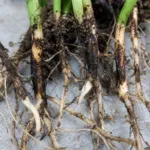 DiseaseBlack Root RotBerkeleyomyces basicola
 DiseaseGray MoldBotrytis cinerea
 PestRed Palm WeevilRhynchophorus ferrugineus
 PestCabbage Stem Flea BeetlePsylliodes chrysocephala
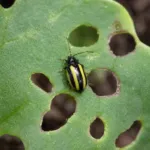 PestTurnip flea beetlePhyllotreta nemorum (Linnaeus, 1758)
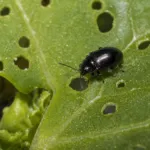 PestTurnip Flea BeetlePhyllotreta atra (Fabricius, 1775)
 PestEuropean red mitePanonychus ulmi
Toxicity and pollen
Reliable evidence specific to the 'Swingtime' cultivar is limited. RHS notes that fuchsia berries are edible in the genus, though usually sparse and not grown as a fruit crop. Do not encourage eating ornamental plant material, and seek medical or veterinary advice after significant ingestion or if symptoms occur.
- Typical season
- During flowering, typically summer through early fall
- Pollination / pollen
- Flower pollen, mainly retained within the bloom and moved by visitors
The flowers produce pollen, but no strong evidence was found that this cultivar is a major source of airborne pollen in the United States. Its pendant, insect- or bird-visited flowers are less likely to release large amounts of pollen into the air than wind-pollinated plants, but sensitive individuals should still avoid direct contact if symptoms occur.
Native habitat
As a cultivated hybrid, 'Swingtime' has no single natural habitat or native range. Its Fuchsia background reflects a genus centered in the Americas, while the cultivar is maintained in cultivation. It prefers cool, sheltered, moisture-consistent conditions rather than exposed, dry, heat-reflective sites.
Interesting fact
The cultivar received the Royal Horticultural Society Award of Garden Merit in 1993. Its striking two-tone flowers combine scarlet sepals with a white double corolla. It is widely used as a trailing basket plant rather than as a hardy in-ground shrub in much of the United States.
Frequently asked questions (FAQ)
The most relevant questions about this plant, with short and direct answers.
🌱Quick care
What is Fuchsia 'Swingtime'?⌄
Fuchsia 'Swingtime' is a trailing hybrid fuchsia with large double flowers featuring scarlet-red sepals and white, red-veined corollas. It is especially suited to hanging baskets, containers, window boxes, and other elevated displays.
How do you care for Fuchsia 'Swingtime'?⌄
Give Fuchsia 'Swingtime' bright filtered light or gentle morning sun, evenly moist well-drained soil, and protection from freezing temperatures. Feed during active growth and remove spent flowers to encourage continued blooming.
🌤️Environment and placement
How much light does Fuchsia 'Swingtime' need?⌄
Fuchsia 'Swingtime' grows best in bright filtered light, partial shade, or gentle morning sun. Protect it from hot afternoon sun, especially in warm US climates, because intense heat can cause wilting, leaf scorch, and flower drop.
Can Fuchsia 'Swingtime' grow in full sun?⌄
Fuchsia 'Swingtime' can tolerate some full sun in cool, mild conditions, but bright shade or morning sun with afternoon protection is safer. Avoid prolonged hot, direct afternoon sunlight in summer.
Is Fuchsia 'Swingtime' suitable for a hanging basket?⌄
Yes, Fuchsia 'Swingtime' is well suited to hanging baskets because its trailing stems and pendulous double flowers cascade over the sides. Use a basket with excellent drainage and place it where the roots will not dry out quickly.
Can Fuchsia 'Swingtime' grow indoors?⌄
Yes, Fuchsia 'Swingtime' can be grown indoors in a bright, cool location away from harsh midday or afternoon sun. Provide good air circulation and keep the potting mix evenly moist without leaving the container in standing water.
What USDA hardiness zone is Fuchsia 'Swingtime'?⌄
Fuchsia 'Swingtime' is commonly treated as a tender container plant in much of the United States and is generally listed for mild climates around USDA Zones 9–11. In areas with freezing winters, bring containers indoors or overwinter the plant in a protected space.
💧Care and problems
How often should you water Fuchsia 'Swingtime'?⌄
Water Fuchsia 'Swingtime' whenever the surface of the potting mix begins to dry, keeping the root zone evenly moist. Containers may need frequent checking during hot or windy weather, but never allow the roots to remain waterlogged.
Why is my Fuchsia 'Swingtime' wilting?⌄
Fuchsia 'Swingtime' commonly wilts from dry soil, excessive heat, intense afternoon sun, or damaged roots from waterlogged soil. Check moisture and drainage first, then move the plant to a cooler, filtered-light location if heat stress is likely.
Why is Fuchsia 'Swingtime' dropping flower buds?⌄
Fuchsia 'Swingtime' may drop buds when the soil dries out, temperatures become too hot, light is too intense, or the plant is moved suddenly. Keep moisture consistent and provide bright shade or gentle morning sun with protection from afternoon heat.
Why is my Fuchsia 'Swingtime' not blooming?⌄
Fuchsia 'Swingtime' may fail to bloom because of insufficient light, excessive heat, drought stress, overfertilization, or recent pruning. Provide bright filtered light, steady moisture, and regular but moderate feeding during active growth.
Should you deadhead Fuchsia 'Swingtime'?⌄
Yes, remove faded flowers and developing seed pods from Fuchsia 'Swingtime' to keep the plant looking tidy and encourage more flowers. Snip or pinch them off above a healthy leaf joint.
What fertilizer is best for Fuchsia 'Swingtime'?⌄
Use a balanced liquid fertilizer diluted according to its label during active growth, or apply a suitable slow-release fertilizer at the start of the season. Avoid heavy feeding when the plant is dormant or severely heat-stressed.
What pests affect Fuchsia 'Swingtime'?⌄
Fuchsia 'Swingtime' can be affected by aphids, whiteflies, spider mites, vine weevils, and fuchsia gall mites. Inspect new growth and leaf undersides regularly, isolate infested plants, and use a treatment labeled for the pest and crop.
What diseases can affect Fuchsia 'Swingtime'?⌄
Fuchsia 'Swingtime' may develop rust, gray mold, or root problems when foliage stays wet, air circulation is poor, or the soil remains saturated. Improve drainage, water at the soil line, remove affected material, and provide better spacing.
🪴Planting and repotting
What soil does Fuchsia 'Swingtime' need?⌄
Fuchsia 'Swingtime' prefers fertile, moisture-retentive, well-drained loam or a high-quality container mix. The soil should hold consistent moisture while allowing excess water to drain freely from the root zone.
When should you plant Fuchsia 'Swingtime' outdoors?⌄
Plant Fuchsia 'Swingtime' outdoors after the danger of frost has passed and nighttime temperatures are reliably mild. Acclimate a greenhouse- or indoor-grown plant gradually to outdoor light to reduce stress and leaf damage.
How do you repot Fuchsia 'Swingtime'?⌄
Repot Fuchsia 'Swingtime' when roots fill the container or water runs through unusually quickly, moving it into a pot only one size larger. Use fresh, well-drained mix, keep the plant at its original depth, and water it in thoroughly.
✂️Propagation and pruning
How do you propagate Fuchsia 'Swingtime'?⌄
Propagate Fuchsia 'Swingtime' most reliably from softwood or semi-hardwood stem-tip cuttings. Take healthy nonflowering shoots, remove the lower leaves, place the cuttings in a moist, well-drained rooting medium, and maintain bright indirect light and humidity.
When is the best time to take Fuchsia 'Swingtime' cuttings?⌄
The best time to take Fuchsia 'Swingtime' cuttings is during active growth in spring or early summer. Warm conditions, bright indirect light, and consistent moisture generally encourage faster rooting than dormant-season propagation.
Can Fuchsia 'Swingtime' be propagated in water?⌄
Fuchsia 'Swingtime' cuttings may sometimes produce roots in water, but a clean, airy rooting medium is generally more dependable for transplantable roots. Move rooted cuttings carefully because water-grown roots can be sensitive to potting up.
How should you prune Fuchsia 'Swingtime'?⌄
Prune Fuchsia 'Swingtime' to remove weak, damaged, or overly long growth and to maintain its trailing shape. Pinch young shoot tips to encourage branching, and do major shaping before the main flush of new growth.
How do you overwinter Fuchsia 'Swingtime'?⌄
Before freezing weather, bring container-grown Fuchsia 'Swingtime' indoors or place it in a cool, bright, frost-free location. Reduce watering during dormancy, stop fertilizing, and keep the mix only slightly moist rather than fully wet.
⚠️Toxicity and safety
Is Fuchsia 'Swingtime' poisonous to dogs or cats?⌄
The toxicity of the exact Fuchsia 'Swingtime' cultivar is uncertain, so keep it away from pets and children and do not allow ingestion. Contact a veterinarian or poison-control service if a pet consumes plant material and develops symptoms.
Are Fuchsia 'Swingtime' berries edible?⌄
Do not eat berries or other parts of Fuchsia 'Swingtime' because cultivar-specific edibility has not been verified here. Removing developing berries also helps direct the plant's energy toward flowering.
🌸Flowering and special interest
What color are Fuchsia 'Swingtime' flowers?⌄
Fuchsia 'Swingtime' flowers have vivid scarlet-red sepals surrounding full white corollas that are often marked or veined with red. The pendulous double blooms create the cultivar's characteristic two-tone display.
When does Fuchsia 'Swingtime' bloom?⌄
Fuchsia 'Swingtime' typically blooms from late spring or early summer until frost when it receives adequate light, moisture, and moderate temperatures. In protected containers, flowering may continue longer than it does outdoors in cold climates.
How do you make Fuchsia 'Swingtime' bloom more?⌄
Provide bright filtered light, consistent moisture, moderate feeding, and protection from hot afternoon sun to support abundant flowering. Pinch young shoots early in the season and deadhead faded blooms throughout the growing period.
Does Fuchsia 'Swingtime' attract hummingbirds?⌄
Yes, the pendulous, brightly colored flowers of Fuchsia 'Swingtime' can attract hummingbirds when the plant is grown outdoors. Place it where the flowers are visible and provide suitable filtered light and regular moisture.
Similar plants
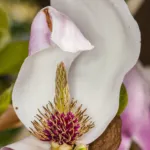 Saucer Magnolia (Magnolia soulangeana) care guideMagnolia soulangeana
 Magnolia × loebneri ‘Merrill’Magnolia × loebneri 'Merrill'
 Magnolia loebneri care guideMagnolia loebneri
 Sweetbay magnolia (Magnolia virginiana) care guideMagnolia virginiana
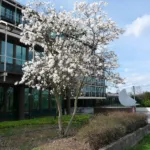 Star magnolia (Magnolia stellata) care guideMagnolia stellata
 Magnolia sprengeri care guideMagnolia sprengeri