
 AI-generated illustration
Noble Dendrobium (Dendrobium nobile) short overview
Noble Dendrobium is a cool-growing Asian orchid prized for its arching, cane-like pseudobulbs and abundant flowers borne along older stems. It grows as an epiphyte or lithophyte in subtropical mountain habitats and is usually cultivated indoors in the United States. Bright filtered light, excellent drainage, active summer growth, and a cooler, drier winter rest help mature canes flower reliably. A deciduous, cane-forming orchid native to subtropical mountain regions from the Himalayas through southern China and Indochina. It is an epiphyte or lithophyte that produces flowers from mature canes, commonly after a cooler and drier winter rest.
Taxonomic classification
Noble Dendrobium (Dendrobium nobile) care guide
Light and placement
Place it near an east- or bright north-facing window, or several feet from a strong south- or west-facing window behind a sheer curtain. Gentle morning sun is useful, but harsh afternoon sun can bleach or scorch leaves. Pale yellow-green leaves, red patches, or crispy spots suggest excessive light; very dark green leaves, weak canes, and poor flowering suggest insufficient light.
Watering and humidity
Water thoroughly when the potting medium is nearly dry, then allow excess water to drain completely. During active cane and root growth, watering may be needed every few days to weekly depending on pot size, bark, temperature, and airflow. Reduce watering in autumn and winter as leaves drop and the plant rests, but do not leave newly forming buds or canes severely desiccated. Keep water out of crowded leaf axils and provide steady humidity with ventilation.
Soil and growing medium
Use a coarse, open orchid medium based on fir bark, with optional perlite or chunky sphagnum in a dry indoor environment. The container must drain freely and should not hold a saturated core. A slightly acidic to neutral root environment is appropriate. Avoid dense potting soil, fine peat-heavy mixes, or containers without drainage because the fleshy roots are vulnerable to suffocation and rot.
Feeding
Feed during active spring and summer growth with a complete orchid fertilizer at the label's dilute rate, commonly around quarter-strength when watering frequently. Flush the pot with plain water periodically to reduce salt buildup. Reduce or stop routine feeding during the cool winter rest and resume when new roots or shoots begin active growth. Do not fertilize a badly dehydrated, diseased, or freshly divided plant until it has recovered.
Growth and habit
This orchid forms upright to arching segmented canes from a clumping base. New canes lengthen and leaf out during the warm growing season; mature canes may become partly or fully leafless before flowering. Older green canes store energy and should be retained unless dead or diseased. Keikis can develop at cane nodes, especially when the plant is stressed or flowering conditions are unsuitable.
Planting and repotting
Choose a pot only slightly larger than the root mass and anchor the plant firmly so new canes remain upright. Keep the rhizome and cane bases above the medium surface. Establish in bright filtered light with moderate watering, avoiding frequent disturbance while new roots attach to the substrate.
Repot after flowering or at the start of active spring growth, especially when the medium has decomposed, drainage has declined, or roots have outgrown the pot. Remove loose old medium, trim only dead roots, and secure the plant in fresh coarse orchid mix. Avoid oversized pots, which stay wet too long.
Propagation and pruning
Propagation
Propagate by division when the clump has several strong canes and active roots, or by rooting mature cane sections with viable nodes in a warm, humid propagation setup. Keikis can be separated once they have several roots. Propagation is most practical in spring as new growth begins; seed propagation requires specialized orchid culture.
Pruning
Remove only completely dead, brown, hollow, or diseased canes with sterilized tools. Retain firm green or yellow-green canes because they store reserves and may flower again or support new growth. Cut away spent flower clusters after blooming if desired, but avoid removing healthy cane nodes.
Overwintering
Give a bright, cool rest in autumn and winter, with nights around 50–60°F when practical and reduced watering. Allow the medium to approach dryness between waterings, but do not let canes shrivel severely. Protect from frost, cold drafts, and prolonged temperatures below about 45°F. Resume more regular water and fertilizer as new growth and roots appear.
Uses
Primarily grown as a flowering houseplant, greenhouse specimen, mounted orchid, or container display. It is also important in orchid breeding and horticultural collections. Although the species has a history of use in traditional medicine, home remedies and ingestion should not be assumed safe or appropriate without qualified medical guidance.
Appearance
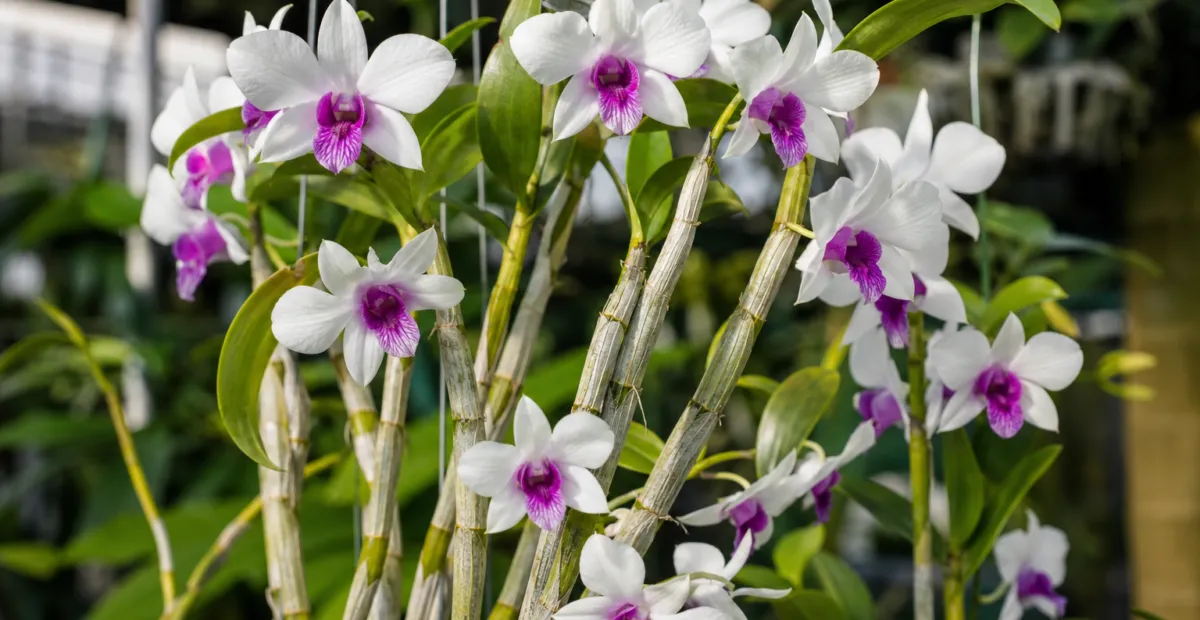
The most distinctive features are elongated, jointed pseudobulbs that resemble slender canes, alternating leathery leaves, and flowers produced from nodes along mature canes rather than from a single terminal spike. The plant may become leafless during its rest period while the canes remain green and firm. Flowers are typically white to pale pink with a contrasting purple-magenta lip, though natural variation occurs.
Flowering
Flowers arise from nodes along older, often leafless canes and may open in succession, creating a dense display. Cool nights and reduced watering in autumn help initiate flowering, while excessive warmth, heavy winter watering, or continued vigorous nitrogen feeding can favor vegetative growth and keikis instead. Individual flowers are typically long-lasting under cool indoor conditions.
Pollination and visitors
The flowers are insect-pollinated and offer a specialized orchid pollination structure with sticky pollinia. A specific principal pollinator for the species in the United States was not sufficiently documented in the sources reviewed, so no species-level pollinator is assigned.
Dendrobium nobile photos
Click any photo for a larger view. Source, author and license are shown separately.
Diseases and pests
Diseases
The main risks are root or cane rots caused by prolonged wetness, poor drainage, or stagnant air, along with fungal or bacterial spotting. Use clean pots and tools, water early enough for foliage to dry, improve airflow, and isolate affected plants. Remove badly damaged tissue and repot into fresh, airy medium rather than repeatedly keeping a failing plant wet.
Pests
Watch for scale, mealybugs, aphids, thrips, and spider mites, especially on leaf undersides, cane joints, and flower buds. Inspect new plants before bringing them indoors. Remove small infestations with a cotton swab or water spray, then use a labeled horticultural oil or insecticidal soap only as directed and test sensitive foliage first.
Related diseases and pests
Only Plant Doctor profiles whose host data indicate this plant may be affected are shown here.
 PestBrown Soft ScaleCoccus hesperidum
 PestCotton mealybugPhenacoccus solenopsis Tinsley
 PestCottony Cushion ScaleIcerya purchasi
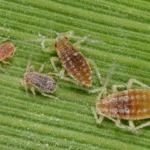 PestMealy Plum AphidHyalopterus pruni (Geoffroy, 1762)
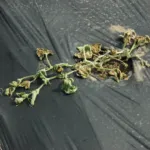 DiseaseBacterial WiltRalstonia solanacearum species complex
 DiseaseBacterial Fruit BlotchAcidovorax citrulli
 PestMelon aphid (cotton aphid)Aphis gossypii Glover
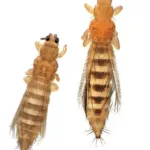 PestOnion thripsThrips tabaci Lindeman
Toxicity and pollen
Reliable plant-specific evidence establishing human or companion-animal toxicity was not found in the sources reviewed. Do not treat the plant as edible, and discourage chewing of leaves, canes, roots, flowers, or potting media. If a person or pet ingests plant material and symptoms develop, contact a medical professional or veterinarian and provide the plant identity.
- Typical season
- Usually late winter to spring when grown in the United States
- Pollination / pollen
- Pollinia packaged in compact masses rather than freely airborne grains
Orchid pollen is packaged as pollinia and is generally not released as a large cloud of freely airborne grains. This suggests lower routine airborne exposure than many wind-pollinated plants, but it does not prove zero allergy risk. Sensitive individuals should avoid handling flowers if symptoms occur and maintain good indoor airflow.
Native habitat
In nature, this orchid grows on trees or rocks in subtropical mountain environments from the Himalayas to southern China and Indochina. It experiences seasonal changes in temperature, rainfall, and moisture, with bright light, rapid drainage, and pronounced airflow around exposed roots and canes.
Interesting fact
Dendrobium nobile is the accepted species name, while many commercial nobile-type hybrids derive from it or closely related species. Its flowers commonly emerge from nodes on mature canes, and the canes can remain useful for several years after they have lost their leaves. The species is both epiphytic and lithophytic in its native range.
Frequently asked questions (FAQ)
The most relevant questions about this plant, with short and direct answers.
🌱Quick care
Can Noble Dendrobium grow indoors?⌄
Yes, Noble Dendrobium grows well indoors near a bright window when it receives good air circulation and seasonal temperature changes. A full-spectrum grow light can supplement weak winter daylight.
🌤️Environment and placement
What is the best light for a Noble Dendrobium?⌄
Give Noble Dendrobium bright filtered light, such as an east- or south-facing window with sheer protection. Strong winter light is helpful, but shield the leaves from intense midday summer sun to prevent scorching.
What temperature does Noble Dendrobium need?⌄
Keep Noble Dendrobium in intermediate to cool conditions, with warm summer growth and noticeably cooler nights in fall and winter. Protect it from frost and avoid sudden freezing temperatures or prolonged cold exposure.
Does Noble Dendrobium need high humidity?⌄
Moderate humidity with moving air is beneficial, but constantly wet roots are more dangerous than moderately dry indoor air. Use a humidity tray or humidifier if needed, keeping the pot above standing water and maintaining good ventilation.
Can Noble Dendrobium grow outdoors in the United States?⌄
It can grow outdoors seasonally in frost-free or mild areas when protected from harsh sun, heavy rain, and temperature extremes. In regions with freezing weather, move it indoors before frost and provide bright light with a cool winter rest.
💧Care and problems
How often should I water Noble Dendrobium?⌄
Water thoroughly when the orchid mix is nearly dry during active growth, then allow excess water to drain completely. Reduce watering substantially in winter, giving only enough moisture to prevent severe cane shriveling.
When should I stop watering Noble Dendrobium for winter?⌄
Begin reducing water when new canes have finished growing and the plant enters its fall slowdown, rather than following one fixed calendar date. In much of the United States, this commonly means late fall through midwinter, adjusted to indoor temperatures and plant growth.
Why are the leaves falling off my Noble Dendrobium?⌄
Seasonal yellowing and leaf drop can be normal because Noble Dendrobium is often deciduous during winter dormancy. Sudden leaf loss during active growth, especially with blackened roots or persistently wet media, may indicate cold damage, rot, or another stress.
How often should I fertilize Noble Dendrobium?⌄
Fertilize lightly during active growth, typically every two to four waterings with a balanced orchid fertilizer diluted according to its label. Stop or greatly reduce feeding during the cool winter rest to prevent salt buildup and unwanted vegetative growth.
Why are the canes on my Noble Dendrobium wrinkled?⌄
Some cane wrinkling is normal during the winter rest because the plant is using stored water. Severe or persistent shriveling, especially with soft roots or active-season growth, indicates that the plant may be too dry, root-damaged, or exposed to stress.
Why are the roots on my Noble Dendrobium rotting?⌄
Root rot is usually caused by a waterlogged mix, poor drainage, cool wet conditions, or a pot that is too large. Remove decayed roots, repot into fresh bark mix, and water only after the medium has nearly dried.
🪴Planting and repotting
What potting mix is best for Noble Dendrobium?⌄
Use a fast-draining orchid bark mix rather than ordinary potting soil. A blend based on medium-grade fir bark with additional drainage material is usually suitable, provided it retains some moisture during active growth without staying wet.
What size pot does Noble Dendrobium need?⌄
Choose the smallest stable pot that comfortably fits the roots and allows limited room for new growth. An oversized pot stays wet too long and increases the risk of root rot; a heavy pot can help support top-heavy canes.
When should I repot Noble Dendrobium?⌄
Repot when the bark has decomposed, drainage has declined, roots have outgrown the container, or the plant needs division. The best time is generally just after flowering or when new roots begin to emerge, so the plant can reestablish quickly.
Can I plant Noble Dendrobium in regular soil?⌄
No, regular garden or houseplant soil holds too much water around the roots and can cause rot. Plant it in a porous orchid medium such as bark-based mix in a container with generous drainage holes.
How do I repot Noble Dendrobium?⌄
Remove the old medium, trim only dead or rotten roots with a sterilized tool, and position the newest growth toward the open side of the pot. Secure the canes if needed, use fresh orchid bark, and keep watering modestly until new roots establish.
✂️Propagation and pruning
How do I propagate Noble Dendrobium?⌄
Propagate an established plant mainly by division, separating connected cane groups while retaining several healthy mature canes and viable roots in each section. Cane cuttings or keikis may also root, but success and flowering time vary.
Can I propagate Noble Dendrobium from a cane?⌄
Yes, mature leafless canes can sometimes be cut into sections with viable nodes and placed on a clean, slightly moist propagation medium. Keep them warm, humid, and bright but out of direct sun; new plants may take considerable time to mature.
Should I cut off old Noble Dendrobium canes?⌄
Do not remove firm, green or yellowing canes because they store nutrients and can flower again. Cut a cane only when it is completely dead, shriveled, or diseased, using a sterilized tool and cutting back to healthy tissue.
⚠️Toxicity and safety
Is Noble Dendrobium toxic to cats and dogs?⌄
There is no confirmed toxicity classification for Dendrobium nobile in the provided core information, so it should not be assumed completely risk-free. Prevent pets from chewing the plant and contact a veterinarian or poison-control service if ingestion causes symptoms.
Is Noble Dendrobium safe to touch?⌄
Noble Dendrobium is generally handled as a non-irritating ornamental orchid, but individual sensitivity is possible. Wash hands after handling potting media, sap, or fertilizer, and keep the plant away from children and pets that may chew it.
🌸Flowering and special interest
Does Noble Dendrobium need a winter rest?⌄
Yes, a cool, bright, distinctly drier winter rest is important for reliable flowering. Reduce or nearly withhold water and fertilizer after growth has matured, but resume more regular watering when new growth or flower buds appear.
How do I get Noble Dendrobium to rebloom?⌄
Provide strong light, complete active-season growth, and a cool, dry winter rest with little or no fertilizer. Excess warmth, water, or nitrogen during dormancy can encourage leafy growth instead of flower buds.
Why is my Noble Dendrobium growing keikis instead of flowers?⌄
Keikis commonly develop when the plant receives too much warmth or moisture during its expected winter rest, although they can also arise from natural cane growth or stress. Improve light and provide an appropriate cool, dry dormancy once the canes mature.
How long do Noble Dendrobium flowers last?⌄
Noble Dendrobium flowers commonly remain attractive for several weeks, depending on temperature, light, humidity, and cultivar. Cooler conditions and protection from hot, dry air can help extend the display.
When does Noble Dendrobium bloom?⌄
Noble Dendrobium typically blooms from mature canes in late winter or spring, often after its cool, dry rest. The exact timing varies with cultivar, growing conditions, and when the canes completed development.
Why is my Noble Dendrobium not blooming?⌄
The most common causes are insufficient light, immature canes, excessive winter watering, excessive warmth, or continued fertilizer during dormancy. Give the plant bright light and a pronounced cool, dry rest after its canes have matured.
Similar plants
 Azure Monkshood (Aconitum carmichaelii) care guideAconitum carmichaelii
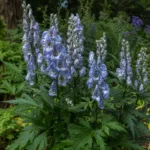 Monkshood (Aconitum ‘Stainless Steel’)Aconitum 'Stainless Steel'
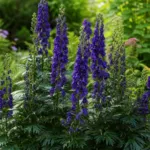 Monkshood (Aconitum ‘Bressingham Spire’)Aconitum 'Bressingham Spire'
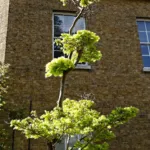 Golden full moon maple (Acer shirasawanum ‘Aureum’)Acer shirasawanum 'Aureum'
 Globosum (Acer platanoides ‘Globosum’)Acer platanoides 'Globosum'
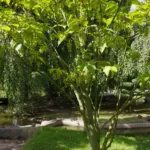 Striped maple (Acer pensylvanicum) care guideAcer pensylvanicum