
 Source:
 Tree cholla (Cylindropuntia imbricata) short overview
Tree cholla is a distinctive, cold-hardy cactus native to the desert and dry shrublands of the Southwestern United States and northern Mexico. Cylindropuntia imbricata develops a woody, branching framework of cylindrical blue-green stems, produces vivid magenta to purple flowers in late spring and early summer, and persists through drought with little routine care. Its spines and detachable joints require careful placement away from paths, pets, and children.
Taxonomic classification
Tree cholla (Cylindropuntia imbricata) care guide
Light and placement
Give full sun, ideally with a south- or west-facing exposure and unobstructed light for most of the day. Strong light supports compact, sturdy growth and flowering. Too little light causes elongated, weaker joints and reduced blooming; prolonged intense heat is usually tolerated, but reflected heat can scorch newly acclimated plants.
Watering and humidity
Water deeply only after the soil has dried completely, then let excess drain away. During the growing season, irrigation may be needed every 2–4 weeks for container plants and less often for established outdoor specimens, depending on heat and rainfall. Reduce sharply in fall and keep nearly dry in cold winter weather. Humidity is not needed; airflow matters more.
Soil and growing medium
Use a sharply draining mineral substrate: sandy, gritty, rocky, or calcareous soil with little retained moisture. In containers, use a cactus mix amended with pumice, perlite, or coarse grit. Neutral to slightly alkaline conditions are suitable; avoid heavy clay and persistently wet organic soil.
Feeding
Feed sparingly. In spring, apply a diluted, low-nitrogen cactus fertilizer once, or use a very light top-dressing of mature compost in the ground. Do not fertilize newly planted, drought-stressed, dormant, or diseased plants. Excess nitrogen promotes weak, lush growth and can reduce winter resilience.
Growth and habit
The plant forms a persistent, woody-based framework with many cylindrical joints and can become tree-like with age. Detached joints root readily in suitable ground, so avoid placing it where fragments could spread into paths or neighboring beds. Minimal pruning is normally needed beyond removing damaged or unwanted branches.
Planting and repotting
Plant outdoors in spring after cold, wet weather has passed, choosing a raised or naturally rocky site. Set the root crown at the original soil level rather than burying the stem. Water once after planting, then allow the soil to dry fully between irrigation. Keep ample clearance from walkways because joints and spines detach easily.
Repot only when the container is crowded or the mix has degraded, preferably in spring or early summer. Wear thick gloves and use tongs or folded cardboard to handle stems. Let damaged roots dry briefly before planting into completely dry cactus mix, then wait several days before watering.
Propagation and pruning
Propagation
Propagate from mature stem segments or seed. Allow cut segments to callus for several days, then place the basal end in dry, gritty mix; begin light watering only after roots or new growth are evident. Seeds benefit from cleaning, warmth, and patience, as germination can be slow and uneven.
Pruning
Prune only when necessary to remove dead, broken, diseased, or dangerously positioned joints. Use long-handled tools, heavy gloves, eye protection, and a disposal method that prevents segments from contacting soil. Make clean cuts during dry weather and allow wounds to dry.
Overwintering
Keep outdoor plants as dry as possible in winter, especially where temperatures remain below freezing. In containers, move under a roof or into an unheated, bright, frost-free space when winter rain is persistent. Avoid warm, dim indoor rooms, which encourage weak growth. Never combine cold temperatures with saturated soil.
Uses
Useful as a specimen or barrier plant in xeriscapes, rock gardens, native-plant landscapes, and wildlife-oriented dry gardens. Its architectural form provides winter structure and habitat value. Because of the spines and detachable joints, it is unsuitable beside paths, patios, children’s play areas, or frequently handled collection spaces.
Appearance
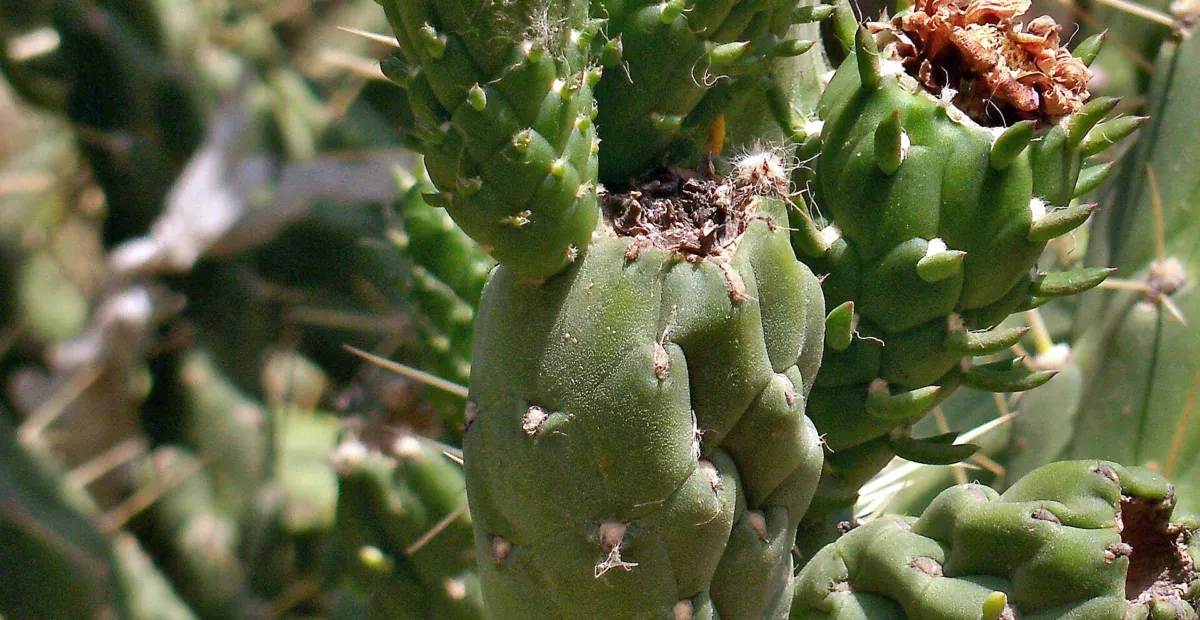
A distinctive cholla with a woody trunk-like base and upright, much-branched cylindrical joints. Areoles carry clusters of spines and fine glochids; short leaves appear briefly on new growth before dropping. The persistent green stems provide a tree-like silhouette through winter, making the plant recognizable even without flowers.
Flowering
Flowers are produced on mature stem growth, generally in late spring or early summer. The showy blooms open around the upper portions of the branches and are followed by small, dry to fleshy fruits. Flowering is strongest with intense light, a long warm season, and restrained nitrogen.
Pollination and visitors
The open, brightly colored flowers of chollas are visited by bees, bumblebees, and other insects; beetle visitation is also characteristic of many cactus flowers. Species-level pollinator records for Cylindropuntia imbricata are limited, so the visitor profile is best treated as a general ecological pattern rather than a precise species list.
Cylindropuntia imbricata photos
Click any photo for a larger view. Source, author and license are shown separately.
Diseases and pests
Diseases
Root and stem rots are the principal concern, especially in poorly drained soil or during cool wet weather. Remove affected tissue with a sterile tool, let wounds dry, and correct drainage. Avoid overhead irrigation and inspect for soft, discolored joints after prolonged rain.
Pests
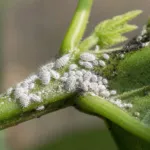
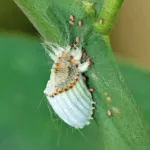
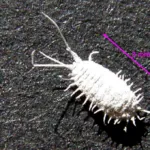
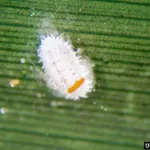
Scale insects, mealybugs, cochineal insects, and occasional spider mites may occur. Improve airflow, isolate affected container plants, remove light infestations with a targeted stream of water or cotton swab, and use a labeled treatment only when necessary. Avoid unnecessary broad-spectrum insecticides during bloom.
Related diseases and pests
Only Plant Doctor profiles whose host data indicate this plant may be affected are shown here.
Toxicity and pollen
No strong evidence indicates systemic poisoning from this exact species, but the plant is hazardous because of sharp spines and easily detached, barbed joints. Handle with tools and protective gloves. Do not allow chewing or contact with eyes, mouth, or skin; seek medical or veterinary advice after a puncture, embedded glochid, or ingestion.
- Typical season
- Late spring to early summer
- Pollination / pollen
- Insect-carried pollen; limited airborne dispersal
This is an insect-pollinated cactus, so pollen is not usually dispersed in large windborne clouds. Airborne allergy risk is therefore expected to be low, but individual sensitivity cannot be ruled out during flowering or when handling dusty floral material.
Native habitat
Native to dry shrublands, desert grasslands, rocky slopes, and open woodland margins from the Southwestern United States into northern Mexico. It commonly occupies well-drained mineral soils in regions with intense sun, seasonal drought, and, in parts of its range, freezing winter temperatures.
Interesting fact
The species can develop a woody, tree-like silhouette unlike many low-growing cacti. Cylindropuntia joints detach readily and may root where they land, aiding vegetative spread. Its native range extends into areas with colder winters than many cultivated desert cacti tolerate.
Frequently asked questions (FAQ)
The most relevant questions about this plant, with short and direct answers.
🌱Quick care
What is tree cholla?⌄
Tree cholla is the common name for Cylindropuntia imbricata, a cold-hardy, branching cactus in the Cactaceae family. Despite its name, it is usually a shrub but can develop a small-tree form in favorable conditions.
How much sun does tree cholla need?⌄
Tree cholla needs full sun, ideally at least 6 hours of direct sunlight daily. Strong light helps maintain sturdy growth and supports flowering.
How often should I water tree cholla?⌄
Water tree cholla only when its soil is completely dry, then soak the root zone thoroughly and let it drain. Reduce watering substantially in winter, especially when temperatures are low.
Is tree cholla cold hardy?⌄
Tree cholla is unusually cold-hardy for a cactus and can tolerate freezing temperatures when kept dry. Exact survival depends on the plant’s acclimation, drainage, winter moisture, and local conditions.
How large does tree cholla get?⌄
Tree cholla commonly reaches about 3–6 feet tall in cultivation, although mature plants can become larger and may reach roughly 10–13 feet in suitable outdoor landscapes. Its final size depends on climate, soil, and growing conditions.
🌤️Environment and placement
Where should I plant tree cholla outdoors?⌄
Plant tree cholla in the sunniest, driest part of the landscape, such as a rock garden, xeric border, or sandy slope. Keep it away from walkways, play areas, pets, and frequently handled garden spaces because its spines and detachable joints are hazardous.
What USDA hardiness zone is tree cholla suitable for?⌄
Tree cholla is generally suitable for cold, dry parts of USDA Zones 5–10, but hardiness varies by plant source and winter exposure. Excellent drainage and protection from wet winter soil are more important than a zone number alone.
Can tree cholla grow in a lawn or regular garden soil?⌄
Tree cholla usually performs poorly in heavy lawn or garden soil because moisture can collect around its roots. Use a raised or sloped site with sandy, gritty, rocky, sharply drained soil instead.
Can tree cholla grow in containers?⌄
Tree cholla can grow in a large, sturdy container with drainage holes and a gritty cactus mix. Choose a pot that will not tip easily and place it where people will not brush against the spines.
Can tree cholla grow indoors?⌄
Tree cholla can be kept indoors temporarily, but it needs the brightest available light, excellent airflow, and very sparse watering. A sunny outdoor location is usually better for long-term health and flowering.
Does tree cholla tolerate drought?⌄
Yes, tree cholla is highly drought-tolerant once established. It may need occasional deep watering during prolonged summer drought, but consistently damp soil can cause root or stem problems.
💧Care and problems
What soil is best for tree cholla?⌄
The best soil is sandy, gritty, rocky, and sharply drained, with little organic matter. A commercial cactus mix amended with pumice, coarse sand, or gravel can improve drainage in containers.
Why is my tree cholla turning soft or collapsing?⌄
Soft, collapsing tissue usually indicates excess moisture, poor drainage, cold wet conditions, or rot. Remove affected material with a clean tool, keep the plant dry, and correct the soil and watering conditions.
Why is my tree cholla turning yellow?⌄
Yellowing can result from overwatering, root damage, inadequate light, or normal aging of older stems. Check that the soil dries completely and that the plant receives full sun before increasing water or fertilizer.
Does tree cholla need fertilizer?⌄
Tree cholla usually needs little fertilizer and can grow well without regular feeding in lean soil. If growth is weak, apply a diluted, low-nitrogen cactus fertilizer during active growth and avoid fertilizing in winter.
What pests attack tree cholla?⌄
Scale insects, mealybugs, and cochineal-type insects may occasionally infest tree cholla. Inspect joints and areoles, remove small infestations mechanically, and avoid routine spraying that leaves the plant wet for long periods.
Should tree cholla be protected from winter rain?⌄
Protection from prolonged winter rain is helpful, especially in climates with freezing temperatures and heavy soils. A covered, airy location or a sharply raised planting site can reduce the risk of cold-weather rot.
🪴Planting and repotting
When is the best time to plant tree cholla?⌄
Plant tree cholla in spring after the danger of prolonged hard freezes has passed, giving roots time to establish before winter. In warm, dry regions, early fall can also work if the plant has time to root before cold weather.
How do I plant tree cholla in the ground?⌄
Dig a hole no deeper than the root ball and several inches wider, set the plant at its original soil level, and backfill with sharply drained soil. Wear thick gloves and use tongs or cardboard to handle the plant without touching the joints.
Does tree cholla need repotting?⌄
Repot tree cholla only when roots have filled the container, drainage has declined, or the plant has become unstable. Move it into a slightly larger pot during warm active growth and wait several days before watering.
✂️Propagation and pruning
How do you propagate tree cholla from cuttings?⌄
Propagate tree cholla by allowing a healthy stem joint to callus for several days, then setting the lower end in dry, gritty cactus soil. Keep the cutting mostly dry until roots form, then begin light watering.
Can tree cholla grow from a fallen joint?⌄
Yes, detached stem joints can root when they land on suitable soil and receive warmth and limited moisture. Place a joint on top of gritty soil rather than burying it deeply, because buried tissue can rot.
Can tree cholla be grown from seed?⌄
Yes, tree cholla can be grown from seed, although seedlings develop more slowly than cuttings. Use a sterile, sharply drained medium, provide warmth and bright light, and keep moisture controlled to prevent damping off.
When should tree cholla be pruned?⌄
Prune tree cholla only when necessary to remove damaged, dead, diseased, or dangerously placed joints. Use long-handled tools and heavy protective gloves, and allow cut surfaces to dry before rain or irrigation.
⚠️Toxicity and safety
Are tree cholla spines dangerous?⌄
Yes, tree cholla has barbed spines and detachable joints that can attach easily to skin, clothing, pets, or wildlife. Plant it away from high-traffic areas and handle it with long tools, eye protection, and heavy gloves.
Is tree cholla poisonous to people or pets?⌄
Systemic toxicity has not been clearly established for tree cholla, but its spines and detachable joints can cause painful punctures and embedded fragments. Treat it as physically hazardous and contact a medical or veterinary professional for serious injuries.
How do I remove a tree cholla joint from skin?⌄
Do not grab an attached joint with bare fingers; use pliers, tongs, or another tool to remove it carefully. Seek medical care if spines remain embedded, the wound is deep, or redness, swelling, drainage, or worsening pain develops.
Is tree cholla safe to plant around children or dogs?⌄
Tree cholla is generally a poor choice for areas used by children or dogs because detachable joints and barbed spines can cause injuries. Use a physical barrier and place the plant well away from paths, patios, and play spaces.
🌸Flowering and special interest
When does tree cholla bloom?⌄
Tree cholla typically blooms in late spring or early summer, producing showy magenta, pink, or reddish-purple flowers. Flowering is strongest when the plant receives full sun, dry winter conditions, and adequate warmth during active growth.
Why is my tree cholla not flowering?⌄
Insufficient sunlight, excessive water, immature age, or heavy nitrogen feeding can reduce flowering. Move container plants into full sun, allow the soil to dry thoroughly, and avoid forcing soft, overly lush growth.
Does tree cholla produce fruit?⌄
Yes, tree cholla can produce cylindrical, spiny fruits after flowering, and older fruits may remain on the plant. Fruit production can vary with pollination, weather, plant maturity, and growing conditions.
Can tree cholla be used in a xeriscape garden?⌄
Yes, tree cholla is well suited to xeriscaping because it uses little water, tolerates drought, and grows in poor rocky soil. Its placement should be carefully planned because the spines make it unsuitable beside paths and seating areas.
Similar plants
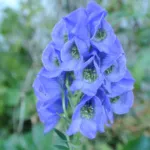 Azure Monkshood (Aconitum carmichaelii) care guideAconitum carmichaelii
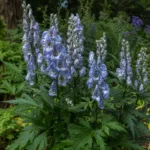 Monkshood (Aconitum ‘Stainless Steel’)Aconitum 'Stainless Steel'
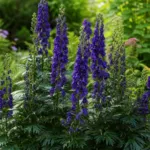 Monkshood (Aconitum ‘Bressingham Spire’)Aconitum 'Bressingham Spire'
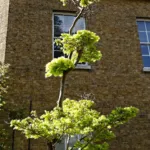 Golden full moon maple (Acer shirasawanum ‘Aureum’)Acer shirasawanum 'Aureum'
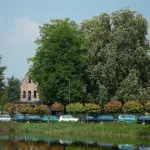 Globosum (Acer platanoides ‘Globosum’)Acer platanoides 'Globosum'
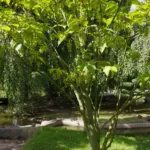 Striped maple (Acer pensylvanicum) care guideAcer pensylvanicum