
 Source:
 Aloe perfoliata short overview
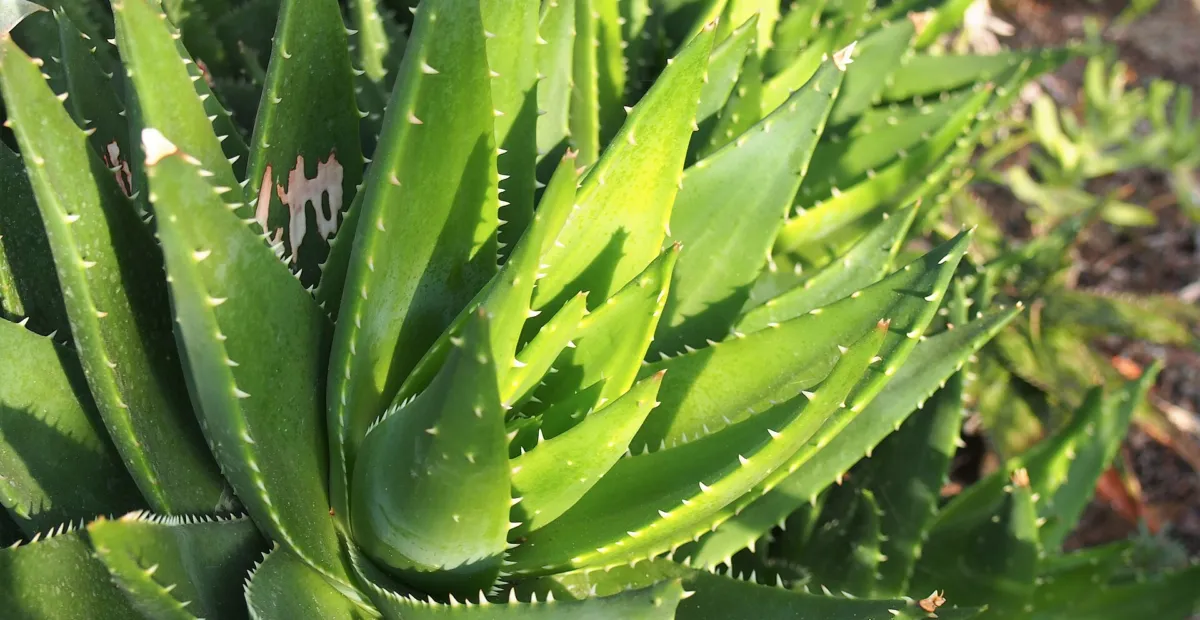
Aloe perfoliata is a distinctive South African succulent with blue-green, triangular leaves edged by firm teeth. Its rosettes develop on branching, sometimes reclining stems, creating a spreading clump rather than a solitary upright plant. In bright sun it can produce summer spikes of red to orange tubular flowers. Grow it in gritty, fast-draining soil, water sparingly, and protect it from freezing weather in most U.S. gardens.
Taxonomic classification
Aloe perfoliata care guide
Light and placement
Give full sun outdoors, ideally with a south- or west-facing exposure and protection from prolonged wet weather. Indoors, place it directly in the brightest window available and rotate the pot periodically. Too little light produces greener, looser growth and reduces flowering; sudden intense sun after indoor culture can scorch leaves, so acclimate gradually.
Watering and humidity
Water thoroughly only after the mix has dried well, then let excess drain completely. During spring and summer growth, check the soil every couple of weeks; reduce frequency in fall and keep watering minimal in cool winter conditions. Never leave the pot standing in water. Average indoor humidity is adequate, and extra misting is unnecessary.
Soil and growing medium
Use a gritty, porous mix with excellent drainage, such as cactus soil amended with pumice, perlite, or coarse mineral grit. In the ground, a sandy or rocky soil is preferable to heavy clay. A slightly acidic to slightly alkaline reaction is generally suitable, but persistent winter wetness is more damaging than modest pH variation.
Feeding
Feed only during active spring and summer growth. Apply a balanced, low-nitrogen succulent fertilizer at one-quarter to one-half the label strength every 4–6 weeks, or use a light top-dressing of mature compost in outdoor soil. Do not fertilize newly repotted, drought-stressed, dormant, or cold-wet plants.
Growth and habit
This aloe forms offsets and gradually develops a spreading clump. Stems may branch and recline or trail over rocky ground, so plants are best positioned where their mature habit can expand without being crowded. Strong light helps maintain tighter rosettes and reduces weak, elongated growth.
Planting and repotting
Plant outdoors in spring after the danger of frost has passed, setting the crown at the same level as before. Do not bury the stem or rosette. Space plants about 18–30 inches apart where a spreading clump is desired, and establish them with occasional deep watering followed by drying.
Repot in spring or early summer when roots have filled the container or the mix has degraded. Move it into a pot only slightly larger than the root ball and use a drainage hole. Handle the toothed leaves carefully, allow damaged roots to dry briefly, and delay watering for several days after repotting.
Propagation and pruning
Propagation
Separate offsets in spring or early summer once they have formed roots, allowing cut surfaces to callus before potting. Stem cuttings can be rooted after drying, provided each section includes viable stem tissue. Seed is possible from fresh, cross-pollinated capsules but is slower and less predictable for routine home propagation.
Pruning
Remove spent flower stalks at the base after flowering has finished. Trim only dead, damaged, or diseased leaves with a clean blade. Avoid routinely cutting healthy leaves or exposing fresh cuts to rain and heavy irrigation.
Overwintering
Move container plants indoors before nights approach freezing. Keep them in a bright, cool-to-moderate room, water sparingly, and provide ventilation. In USDA Zone 9b, plant outdoors only in a protected, very well-drained site; cover during frost events and keep winter rain from saturating the root zone.
Uses
Use as an architectural specimen in succulent containers, raised beds, rock gardens, gravel gardens, and frost-free xeriscapes. It is also suitable for bright indoor culture near a sunny window. Do not use it as a food or medicinal plant without verified species identification and specialist guidance.
Appearance
Leaves are thick, triangular, blue-green to green, and armed with conspicuous marginal teeth. They are densely arranged in rosettes and may curve inward during drought. Branching stems can become prostrate or reclining, giving the plant a rubble-crawling appearance rather than the solitary columnar form of some aloes.
Flowering
Mature plants may send up unbranched to branched inflorescences bearing dense, tubular red to orange flowers. This species is noted for flowering in summer, unlike many aloes that bloom in winter. Flowering is most likely with strong light, good drainage, and a pronounced dry rest rather than constant irrigation.
Pollination and visitors
The tubular summer flowers may be visited by insects, but reliable species-specific pollinator records for Aloe perfoliata are limited. The available evidence supports a cautious low-attraction rating rather than a strong claim about a particular bee, butterfly, or bird visitor.
Aloe perfoliata photos
Click any photo for a larger view. Source, author and license are shown separately.
Diseases and pests
Diseases
The main risks are root and crown rots caused by overwatering, especially in cool weather or dense soil. Remove affected tissue, replace wet media, and improve drainage. Good airflow and keeping foliage dry help reduce fungal spotting; discard severely rotted plants rather than repeatedly treating them.
Pests
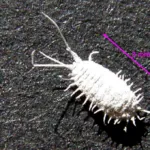
Watch for mealybugs, scale, and aloe mites, particularly on stressed container plants. Inspect leaf bases and crevices regularly. Remove isolated pests with a cotton swab or targeted treatment, improve light and airflow, and avoid repeated broad-spectrum insecticide use that can damage the plant or beneficial insects.
Related diseases and pests
Only Plant Doctor profiles whose host data indicate this plant may be affected are shown here.

Toxicity and pollen
Direct species-specific toxicology for Aloe perfoliata is limited. Because aloe sap and leaf exudates can contain bitter latex compounds and related Aloe plants are documented as toxic to dogs and cats, keep this plant away from pets and avoid ingestion. The marginal teeth and sap may also irritate skin; wash after handling.
- Typical season
- During flowering, typically summer in the United States
- Pollination / pollen
- Pollen presented within insect-visited flowers
Aloe perfoliata is an insect-pollinated flowering succulent, so its pollen is not generally released in large airborne clouds. Direct allergenicity data for this exact species are scarce; sensitive people should still avoid contact with flowers and sap and monitor personal reactions.
Native habitat
It is associated with rocky, mountainous habitats in South Africa, including fynbos-related vegetation and adjoining dry shrubland. Natural plants grow among rubble and outcrops in sandy, clay-influenced, or otherwise sharply drained substrates, often experiencing seasonal dryness and bright sun.
Interesting fact
The species name has a complex taxonomic history and is currently treated differently by major plant databases. Plants in brighter sun can develop more compact, bluish rosettes, while lower light commonly produces greener, more open growth. Drought stress may cause the leaves to fold inward and redden.
Frequently asked questions (FAQ)
The most relevant questions about this plant, with short and direct answers.
🌱Quick care
How do you care for Aloe perfoliata?⌄
Give Aloe perfoliata full sun to bright light, gritty sharply drained soil, and low water. Let the potting mix dry thoroughly before watering again, especially during winter.
How large does Aloe perfoliata get?⌄
Aloe perfoliata is a creeping or clumping aloe whose final size varies with age, growing conditions, and form. It can spread by producing rosettes rather than remaining a single upright houseplant.
Is Aloe perfoliata the same as mitre aloe?⌄
Aloe perfoliata has been associated with the common name mitre aloe and with the former name Aloe mitriformis. Botanical databases differ in how they treat some names, so check the label and source when confirming a plant’s identity. ([itis.gov](https://www.itis.gov/servlet/SingleRpt/SingleRpt?print_version=PRT&search_topic=TSN&search_value=950671&source=to_print&utm_source=openai))
🌤️Environment and placement
Is Aloe perfoliata an indoor or outdoor plant?⌄
Aloe perfoliata can grow indoors near a very bright, sunny window or outdoors in a warm, dry location. In the United States, move containers indoors or protect them before freezing weather.
How much sunlight does Aloe perfoliata need?⌄
Aloe perfoliata grows best in full sun, although it can tolerate bright light indoors. Acclimate it gradually when moving it from shade to strong outdoor sun to reduce the risk of leaf scorch.
Can Aloe perfoliata grow in low light?⌄
Aloe perfoliata may survive in lower light, but it is likely to become stretched, weak, and less colorful. Place it in the brightest available window or supplement natural light with a grow light.
What temperature can Aloe perfoliata tolerate?⌄
Aloe perfoliata should be protected from freezing weather. Exact cold tolerance varies with plant condition, soil dryness, and exposure, but freezing temperatures can injure or kill its leaves and roots.
Can Aloe perfoliata grow in a rock garden?⌄
Aloe perfoliata is well suited to a rock garden with full sun, rapid drainage, and protection from prolonged freezing. Plant it where rainwater cannot collect around the crown or roots.
💧Care and problems
How often should you water Aloe perfoliata?⌄
Water Aloe perfoliata thoroughly only after its soil has dried out completely. The interval varies with light, temperature, pot size, and season, so check the soil rather than following a fixed calendar.
How do you know when Aloe perfoliata needs water?⌄
Water Aloe perfoliata when the potting mix is fully dry and the leaves begin to feel slightly less firm. Do not water merely because the surface looks dry if the deeper mix remains damp.
Why are the leaves of my Aloe perfoliata turning brown?⌄
Brown leaves on Aloe perfoliata can result from sun stress, cold damage, underwatering, or prolonged wet soil. Check the roots and soil moisture first, then adjust light or watering according to the likely cause.
Why is Aloe perfoliata turning yellow?⌄
Yellow, soft, or translucent leaves usually indicate overwatering or poor drainage in Aloe perfoliata. Remove standing water, let the mix dry, and inspect the roots for rot if the problem continues.
Why is Aloe perfoliata becoming tall or stretched?⌄
Aloe perfoliata becomes stretched when it does not receive enough light. Move it gradually to a brighter location and avoid heavy watering while the plant is growing weak, elongated leaves.
Can Aloe perfoliata tolerate drought?⌄
Yes, Aloe perfoliata tolerates drought once established because it stores water in its leaves. Drought tolerance does not mean it should remain permanently bone-dry during active growth, especially in a small container.
How do you prevent root rot in Aloe perfoliata?⌄
Prevent root rot by using gritty soil, a drainage-hole container, and infrequent deep watering followed by complete drying. Keep water from pooling in the rosette and reduce watering during cool or low-light periods.
🪴Planting and repotting
What soil is best for Aloe perfoliata?⌄
Use a gritty, sharply drained succulent or cactus mix for Aloe perfoliata. A container with drainage holes is essential because dense or water-retentive soil greatly increases the risk of root rot.
What type of pot is best for Aloe perfoliata?⌄
Choose a pot with a drainage hole that is only slightly larger than the root system. Unglazed clay can help the mix dry faster, but any well-draining container is suitable if watering is managed carefully.
When should Aloe perfoliata be repotted?⌄
Repot Aloe perfoliata when roots fill the container, the plant becomes unstable, or the potting mix breaks down and drains poorly. Repot during active growth and allow damaged roots to dry briefly before watering.
Can Aloe perfoliata be planted in the ground?⌄
Aloe perfoliata can be planted outdoors where winters remain free of hard freezes and the soil drains rapidly. In colder parts of the United States, grow it in a container so it can be sheltered during freezing weather.
✂️Propagation and pruning
How do you propagate Aloe perfoliata?⌄
Propagate Aloe perfoliata primarily from offsets when they are large enough to have their own roots. Separate the offset with a clean knife, let the cut surface dry, and then plant it in dry, gritty mix.
Can Aloe perfoliata be grown from leaf cuttings?⌄
Leaf cuttings are generally unreliable for Aloe perfoliata because detached aloe leaves commonly rot instead of producing a new plant. Offsets or seed are more appropriate propagation methods.
Does Aloe perfoliata produce offsets?⌄
Aloe perfoliata can produce offsets, particularly when mature and grown under strong light. Offset production is not guaranteed and may be slower when the plant is stressed or kept in low light.
Should you prune Aloe perfoliata?⌄
Aloe perfoliata usually needs little pruning beyond removing dead, damaged, or collapsed leaves. Cut close to the stem with a clean blade and avoid removing healthy leaves unnecessarily.
⚠️Toxicity and safety
Is Aloe perfoliata toxic to dogs and cats?⌄
Aloe perfoliata should be treated as potentially toxic to dogs and cats if ingested. Keep it away from pets and contact a veterinarian or a pet poison-control service if chewing or ingestion occurs; ASPCA lists Aloe as toxic to dogs, cats, and horses. ([aspca.org](https://www.aspca.org/pet-care/aspca-poison-control/toxic-and-non-toxic-plants/aloe?utm_source=openai))
Can humans eat Aloe perfoliata?⌄
Do not eat Aloe perfoliata or use its sap as a home remedy. This species is not the commonly marketed edible aloe, and its identity, compounds, and preparation should not be assumed from the word Aloe alone.
Is Aloe perfoliata safe to touch?⌄
Aloe perfoliata is generally safe to handle, but its sap may irritate sensitive skin and its leaf margins can be sharp. Wear gloves when pruning or repotting, and wash exposed skin afterward.
🌸Flowering and special interest
Does Aloe perfoliata flower?⌄
Yes, mature Aloe perfoliata can produce tubular flowers on tall, branched stalks. Flowering is most likely when the plant receives strong light, experiences a suitable seasonal change, and is not overwatered.
When does Aloe perfoliata bloom?⌄
Aloe perfoliata is commonly described as a summer-flowering aloe, although the timing can vary in cultivation. Indoor plants may bloom irregularly or fail to flower if light levels are insufficient.
Why is my Aloe perfoliata not flowering?⌄
Insufficient light, young age, limited seasonal variation, or excessive watering can prevent Aloe perfoliata from flowering. Provide brighter light and allow a pronounced dry period between waterings without stressing the plant severely.
Similar plants
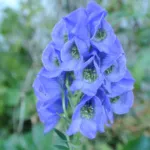 Azure Monkshood (Aconitum carmichaelii) care guideAconitum carmichaelii
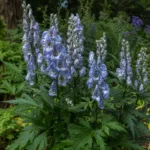 Monkshood (Aconitum ‘Stainless Steel’)Aconitum 'Stainless Steel'
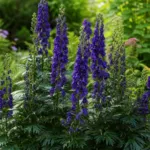 Monkshood (Aconitum ‘Bressingham Spire’)Aconitum 'Bressingham Spire'
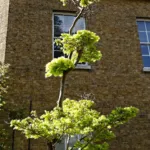 Golden full moon maple (Acer shirasawanum ‘Aureum’)Acer shirasawanum 'Aureum'
 Globosum (Acer platanoides ‘Globosum’)Acer platanoides 'Globosum'
 Striped maple (Acer pensylvanicum) care guideAcer pensylvanicum