
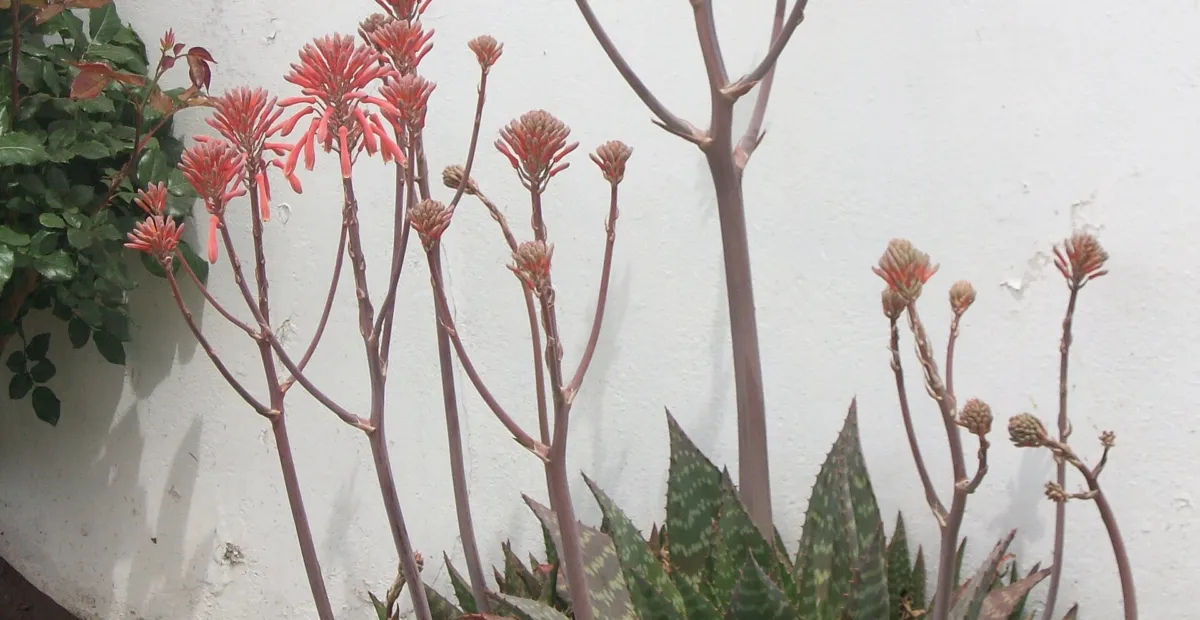
 Source:
 Soap aloe (Aloe maculata) short overview
Soap aloe is a compact South African succulent valued for its spotted, toothed leaves and broad, flat-topped clusters of coral-orange tubular flowers. Aloe maculata thrives in bright sun, gritty fast-draining soil, and modest watering, making it useful for rock gardens, dry borders, containers, and coastal landscapes. It tolerates brief light frost but needs protection from prolonged freezing. Bees and sunbirds may visit its blooms.
Taxonomic classification
Soap aloe (Aloe maculata) care guide
Light and placement
Give full sun for the strongest growth and flowering, ideally with a south- or west-facing exposure outdoors. In very hot inland areas, provide light afternoon shade to reduce scorch. Too little light causes stretched leaves, weaker color, and sparse flowering; excessive reflected heat may brown leaf tips.
Watering and humidity
Water thoroughly only after the mix has dried well, allowing excess water to drain completely. In spring and summer, check containers every 1–3 weeks depending on heat and pot size; water much less in fall and winter. Avoid misting and never leave the plant standing in a saucer of water.
Soil and growing medium
Use a gritty, sharply drained succulent mix or sandy mineral soil. In containers, combine regular potting mix with generous pumice, perlite, or coarse grit and always use a drainage hole. Slightly acidic to slightly alkaline soil is generally suitable; avoid dense, water-retentive clay.
Feeding
Feed during active spring and summer growth with a balanced cactus or succulent fertilizer at half the label strength, no more than once monthly. Container plants benefit most from modest feeding. Do not fertilize newly repotted, drought-stressed, dormant, or cold-wet plants.
Growth and habit
This stemless aloe forms a slowly expanding clump as offsets develop around the original rosette. Mature plants are generally easy to maintain when kept dry enough between waterings. Remove spent flower stalks and divide offsets when the clump becomes crowded or airflow is reduced.
Planting and repotting
Plant after the danger of hard frost has passed, setting the root crown at soil level rather than burying the rosette. Space plants about 18–24 inches apart to allow offsets and airflow. Establish with occasional deep watering, then reduce irrigation as roots settle.
Repot in spring or early summer only when the container is crowded or the mix has degraded. Let the root ball dry before moving it, handle the fleshy roots gently, and wait several days before watering after repotting.
Propagation and pruning
Propagation
Separate offsets in spring or early summer once they have developed roots, allowing cut surfaces to dry briefly before planting. Seed can be sown fresh in a warm, bright, well-drained medium, but seedlings are slower than offsets.
Pruning
Cut spent flower stalks near their base after flowering finishes. Remove dead or badly damaged leaves with clean, sharp tools, taking care not to wound healthy tissue or leave wet debris in the rosette.
Overwintering
Move container plants indoors before temperatures approach freezing and keep them in the brightest available window. Water sparingly during winter. Outdoor plants in marginal climates need overhead frost protection, excellent drainage, and a dry root zone; prolonged freezing can cause severe damage.
Uses
Useful as a drought-tolerant accent, low-maintenance container plant, rock-garden subject, dry-border planting, and coastal or salt-tolerant landscape plant. It can provide nectar and pollen resources for bees and birds when flowering. Do not make culinary or medicinal preparations from this species.
Appearance
The plant forms thick, triangular, stemless leaves in a basal rosette. Leaves are dark green to reddish green, often covered with irregular pale spots, and have coarse marginal teeth. Upright flower stalks branch above the foliage and carry dense, broad-topped clusters of tubular blooms.
Flowering
Tall branched stalks rise above the rosette and carry coral-orange to reddish-orange tubular flowers in broad, relatively flat-topped clusters. Flowering is most often associated with summer in its native range, with timing shifting earlier or later in warm U.S. climates.
Pollination and visitors
Aloe maculata flowers are visited by sunbirds and by bees, including small halictid or allodapine bees documented in comparative field studies. Bees may collect pollen and contribute to pollination, while birds can probe the tubular flowers for nectar.
Aloe maculata photos
Click any photo for a larger view. Source, author and license are shown separately.
Diseases and pests
Diseases
The main risk is root or crown rot from persistently wet soil. Prevent problems with porous soil, a raised or sloping planting site, and dry intervals between thorough waterings. Remove collapsed tissue and improve drainage if rot appears; avoid overhead watering during cool, cloudy weather.
Pests
Watch for mealybugs, scale, and aloe mite damage. Inspect leaf bases and flower stalks regularly, isolate affected container plants, remove light infestations with a cotton swab or water spray, and use a labeled treatment only when necessary. Avoid stressing plants with chronically wet soil.
Related diseases and pests
Only Plant Doctor profiles whose host data indicate this plant may be affected are shown here.
 PestCotton mealybugPhenacoccus solenopsis Tinsley
 DiseasePhytophthora cactorum crown, collar, root and fruit rotPhytophthora cactorum
 PestCottony Cushion ScaleIcerya purchasi
 DiseasePhytophthora root and crown rotPhytophthora nicotianae
 Environmental stressWaterlogging
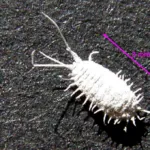 PestObscure mealybugPseudococcus viburni
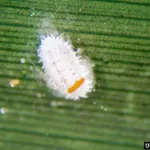 PestCitrus mealybugPlanococcus citri
Toxicity and pollen
Aloe maculata sap is reported as irritating and may provoke dermatitis in sensitive people. Aloe plants are also listed by veterinary poison-control resources as toxic to dogs and cats when eaten, with gastrointestinal signs such as vomiting, diarrhea, and lethargy associated with Aloe exposure. Do not use this species as a food or home remedy.
- Typical season
- During flowering, usually summer in warm U.S. regions
- Pollination / pollen
- Animal-dispersed floral pollen
The species produces pollen within tubular, animal-visited flowers, but it is not documented as a major airborne seasonal allergen in the United States. Most pollen is expected to remain associated with flowers and visiting animals rather than disperse widely on wind. Sensitive people should still avoid handling flowers if symptoms occur.
Native habitat
Native from South Africa into southeastern Africa, where it occurs in subtropical environments including dry grassland, rocky ground, and seasonally dry sites. It favors porous soils, strong light, and rainfall followed by drying periods, and it has useful tolerance of drought and some coastal salt exposure.
Interesting fact
The leaves are characteristically marked with pale spots, although spotting can vary with age and growing conditions. Its sap has traditionally been used as a soap substitute, but it should not be applied casually because it can irritate skin. The species is unusually useful for studying interactions between bird and bee pollinators.
Frequently asked questions (FAQ)
The most relevant questions about this plant, with short and direct answers.
🌱Quick care
What is Aloe maculata commonly called in the United States?⌄
Aloe maculata is commonly called soap aloe. It is a low-growing, spotted succulent in the genus Aloe and family Asphodelaceae.
How much sunlight does soap aloe need?⌄
Soap aloe grows best in full sun to partial shade. Provide strong light, but acclimate plants gradually when moving them from shade to intense direct sun to reduce leaf scorch.
How often should I water Aloe maculata?⌄
Water Aloe maculata thoroughly, then let the soil dry completely before watering again. Established plants need low, infrequent watering, especially during cool or rainy weather.
What type of soil is best for soap aloe?⌄
Use gritty, sandy, sharply drained succulent soil. Avoid heavy clay or moisture-retentive mixes because standing moisture can cause root rot.
Can Aloe maculata grow indoors?⌄
Yes, soap aloe can grow indoors in a bright, sunny window. Use a container with a drainage hole and water only after the potting mix has dried fully.
🌤️Environment and placement
Can soap aloe grow in full shade?⌄
Soap aloe can tolerate partial shade but usually performs poorly in deep shade. Insufficient light may produce weaker growth and reduce flowering.
Where should I plant Aloe maculata outdoors?⌄
Plant Aloe maculata in a sunny or lightly shaded location with fast-draining soil. Keep it away from walkways because the leaf margins have sharp spines.
Is Aloe maculata drought tolerant?⌄
Yes, established soap aloe is highly drought tolerant. It still benefits from occasional deep watering during prolonged, hot, dry periods, provided the soil drains quickly.
Can soap aloe survive winter outdoors in the United States?⌄
Soap aloe can remain outdoors in regions with mild winters, but it should be protected from hard freezes. In colder areas, grow it in a container and move it indoors before freezing weather.
Can Aloe maculata tolerate coastal or salty conditions?⌄
Soap aloe is considered tolerant of seaside conditions and can work well in many coastal landscapes. Even there, excellent drainage and protection from unusually cold weather remain important.
💧Care and problems
Why are my soap aloe leaves turning brown?⌄
Brown leaves can result from sunburn, frost injury, underwatering, or root damage from wet soil. Check the roots and soil moisture first, then review recent exposure to intense sun or freezing temperatures.
Why is my Aloe maculata turning red?⌄
Aloe maculata may develop reddish or bronze coloring in response to strong light, drought, cold, or other environmental stress. Mild color change is not necessarily harmful, but persistent discoloration with soft leaves can indicate a problem.
Why is my soap aloe becoming soft or mushy?⌄
Soft, mushy leaves most often indicate overwatering or root rot. Remove the plant from wet soil, cut away rotted tissue, let healthy cuts dry, and replant in fresh, sharply drained mix.
Why is my Aloe maculata leaning?⌄
Leaning usually results from insufficient light, uneven light, a loose root system, or an overcrowded clump. Move it gradually to brighter light and stabilize or repot it in a well-drained container if necessary.
Does soap aloe need fertilizer?⌄
Soap aloe usually grows well without fertilizer. If growth is weak, apply a diluted succulent fertilizer sparingly during active growth and avoid fertilizing waterlogged, dormant, or frost-damaged plants.
Should I remove dead leaves from Aloe maculata?⌄
Yes, remove fully dry or dead leaves with clean, sharp tools. Do not strip healthy lower leaves unnecessarily, because aloe rosettes do not replace leaves removed from the stem.
What pests commonly affect soap aloe?⌄
Mealybugs, scale, and aphids can occasionally infest soap aloe. Inspect leaf bases and flower stalks regularly and treat small infestations promptly with a suitable labeled method.
🪴Planting and repotting
When is the best time to plant Aloe maculata outdoors?⌄
Plant soap aloe outdoors during mild weather after the risk of hard freezes has passed. Spring is generally convenient because roots can establish before the hottest part of summer.
How do I plant soap aloe in the ground?⌄
Plant Aloe maculata at the same depth it was growing, in gritty soil that drains rapidly. Leave enough room for the clump to spread and avoid placing mulch directly against the rosettes.
What kind of pot does soap aloe need?⌄
Choose a pot with at least one drainage hole and use a gritty succulent mix. Unglazed terracotta can help the soil dry faster, especially in humid or rainy conditions.
When should I repot Aloe maculata?⌄
Repot soap aloe when the container is crowded, roots are circling heavily, or the soil has broken down and drains poorly. Move it into a pot only slightly larger than the root ball.
✂️Propagation and pruning
How do I propagate soap aloe from pups?⌄
Separate rooted pups from the parent plant with a clean knife, allow any cut surfaces to dry, and plant them in dry, sharply drained succulent mix. Begin light watering only after the offsets have had time to heal.
Can Aloe maculata be grown from seed?⌄
Yes, Aloe maculata can be propagated from seed, although offsets are usually faster and easier for home gardeners. Sow fresh seed in a sterile, sharply drained medium and keep it lightly moist until germination.
Can I propagate soap aloe from a leaf cutting?⌄
Leaf propagation is unreliable for soap aloe compared with rooted offsets or seed. A detached leaf may dry out or rot rather than produce a new plant.
Should I prune Aloe maculata?⌄
Soap aloe needs little routine pruning. Remove dead leaves and spent flower stalks after blooming, and wear gloves because the leaf edges are sharp and the sap can irritate skin.
⚠️Toxicity and safety
Is Aloe maculata poisonous to people?⌄
Yes, Aloe maculata is moderately toxic if ingested and its sap can irritate the skin. Keep plant material away from children and pets, wear gloves when handling it, and seek medical or veterinary advice after ingestion.
Can soap aloe sap be used on skin or as a home remedy?⌄
Do not assume soap aloe sap is safe for medicinal use. Although its common name refers to traditional soap-like use, the sap can irritate skin and should not be ingested.
Are the spines on Aloe maculata dangerous?⌄
The leaf margins have sharp spines that can scratch or puncture skin. Place the plant where people and pets will not brush against it, and use gloves when repotting or dividing it.
🌸Flowering and special interest
When does soap aloe bloom?⌄
Soap aloe generally blooms during warm periods, with timing varying by climate and growing conditions. Mature plants produce tall stalks bearing red, orange, or yellow tubular flowers.
Why is my Aloe maculata not flowering?⌄
Lack of flowering is commonly related to a young plant, insufficient light, seasonal stress, or overly wet conditions. Give mature plants bright light, sharply drained soil, and a natural dry rest between waterings.
Do soap aloe flowers attract hummingbirds?⌄
Yes, soap aloe flowers can attract hummingbirds and other nectar-seeking pollinators. Flower colors may range from red and orange to yellow depending on the plant.
Similar plants
 Azure Monkshood (Aconitum carmichaelii) care guideAconitum carmichaelii
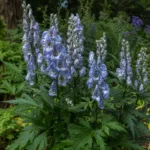 Monkshood (Aconitum ‘Stainless Steel’)Aconitum 'Stainless Steel'
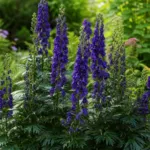 Monkshood (Aconitum ‘Bressingham Spire’)Aconitum 'Bressingham Spire'
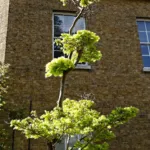 Golden full moon maple (Acer shirasawanum ‘Aureum’)Acer shirasawanum 'Aureum'
 Globosum (Acer platanoides ‘Globosum’)Acer platanoides 'Globosum'
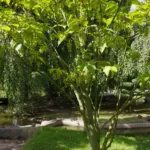 Striped maple (Acer pensylvanicum) care guideAcer pensylvanicum