
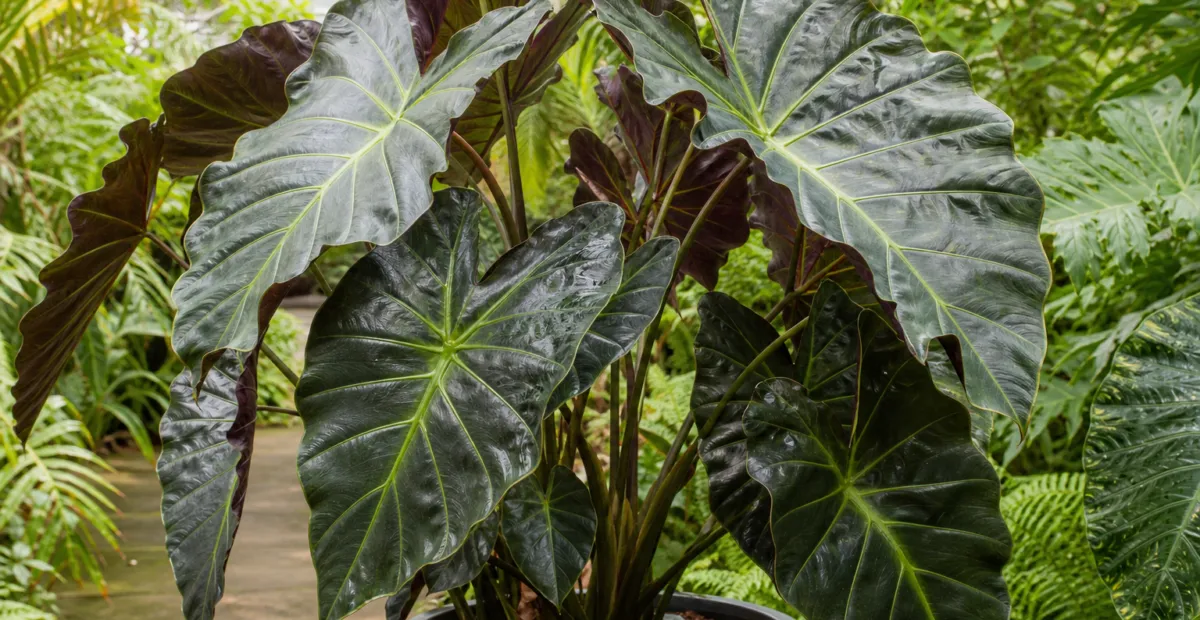
 AI-generated illustration
Alocasia ‘Regal Shields’ short overview
Alocasia 'Regal Shields' is a bold, clump-forming elephant ear hybrid grown for its enormous shield-shaped foliage rather than its flowers. Leaves are glossy dark green above, often flushed purple beneath, and marked by strong pale veins. In the United States it performs best as a warm-season container or indoor plant, with bright filtered light, steady moisture, excellent drainage, and protection from temperatures below about 60°F. All parts contain irritating calcium oxalate crystals if chewed.
Taxonomic classification
Alocasia ‘Regal Shields’ care guide
Light and placement
Provide bright filtered light, with gentle morning sun acceptable after acclimation. An east-facing window or a position several feet from a bright south- or west-facing window is suitable indoors. Outdoors, use dappled shade or morning sun with shelter from harsh afternoon rays. Scorched tan patches suggest excessive direct light; stretched growth, smaller leaves, and weak petioles suggest insufficient light.
Watering and humidity
Water thoroughly when the upper 1–2 inches of mix have begun to dry, allowing excess to drain fully. Keep the root zone evenly moist during active growth but never leave the pot standing in water. Reduce frequency in winter as growth slows, while avoiding complete, prolonged drying. Humidity helps leaf quality, but airflow is essential to limit fungal problems.
Soil and growing medium
Use a loose, airy, moisture-retentive mix that drains rapidly, such as quality potting mix amended with fine bark, perlite, pumice, or similar mineral material. Avoid dense garden soil and containers without drainage. A slightly acidic to neutral root environment is suitable; hard, alkaline irrigation water may gradually raise substrate pH and contribute to stress.
Feeding
Feed during active growth in spring and summer with a balanced liquid fertilizer diluted to about half the label strength every 3–4 weeks, applied to already moist soil. Reduce or stop feeding when growth slows in winter. Avoid fertilizing a stressed, freshly repotted, severely dry, or waterlogged plant, since salts can damage roots.
Growth and habit
A vigorous, upright clumper that produces large leaves from a short rhizomatous or corm-like base. Warm temperatures and consistent moisture support rapid replacement of foliage; winter slowdown or partial dormancy can cause temporary leaf loss. Remove declining leaves promptly and rotate indoor containers periodically for balanced growth.
Planting and repotting
Plant outdoors only after nights remain reliably warm and frost danger has passed. Set the crown at the same depth as before and allow ample room for the expanding clump. In containers, use a stable pot with drainage; acclimate gradually to outdoor light, especially when moving from indoor conditions.
Repot in spring or early summer when roots fill the container or the mix breaks down. Move up only one pot size, retain the crown at its previous level, and use a fresh airy mix. Water thoroughly after repotting, then keep the plant warm in bright filtered light while it re-establishes.
Propagation and pruning
Propagation
Propagate vegetatively by dividing established clumps or separating offsets and small corms during active growth, usually in spring or early summer. Handle roots and rhizome sections carefully, use clean tools, and keep divisions warm in a lightly moist, airy medium. Seed propagation is not a dependable method for maintaining this cultivar.
Pruning
Pruning is limited to removing yellow, dead, torn, or diseased leaves. Cut the petiole cleanly near its base with sterilized tools, avoiding injury to emerging leaves and the crown. Wear gloves because sap and plant tissues may irritate skin and eyes.
Overwintering
Move containers indoors before temperatures approach 60°F. Provide the brightest filtered light available, reduce watering as growth slows, and stop fertilizer during a dormant or semi-dormant period. Outdoor plants in USDA Zones 9–11 still need protection from freezes; lift or containerize plants in colder areas rather than relying on frost tolerance.
Uses
Use as a dramatic indoor foliage specimen, conservatory plant, patio container, shaded tropical-garden accent, or seasonal porch display in frost-free areas. It is not recommended for food use, and its calcium oxalate content requires placement away from children and pets.
Appearance
The plant is recognized by broad, shield-shaped leaves with a glossy deep green upper surface, pronounced pale green veins, and purple coloration that is especially visible on the undersides. Thick petioles support an architectural upright display. Mature plants form a substantial clump, while individual specimens can vary with light, temperature, container size, and production conditions.
Flowering
This hybrid may produce the typical Alocasia inflorescence: a small pale green to cream spadix enclosed by a spathe. Flowering is secondary to the foliage, appears irregularly, and is more likely on mature, vigorously growing plants. Reliable United States flowering months for this exact cultivar are not established.
Pollination and visitors
No reliable documentation was found for a characteristic animal pollinator or visitor specific to this cultivar. Alocasia inflorescences are small and inconspicuous compared with the foliage, so pollinator attraction is left unknown rather than inferred.
Diseases and pests
Diseases
The main risks are root or corm rot from chronically wet media and opportunistic leaf-spot diseases under poor airflow. Use a draining substrate, water according to drying rate rather than a calendar, remove badly damaged tissue with sterile tools, keep leaves from remaining wet overnight, and isolate affected plants. Persistent decline warrants checking roots and corms for soft, discolored tissue.
Pests
Watch for spider mites, mealybugs, scale, thrips, and fungus gnats. Inspect leaf undersides, petioles, and new growth regularly. Improve airflow and correct dry or waterlogged conditions first; remove light infestations manually or use insecticidal soap according to its label. Quarantine new plants to reduce spread.
Related diseases and pests
Only Plant Doctor profiles whose host data indicate this plant may be affected are shown here.
 DiseaseRhizopus soft rotRhizopus stolonifer
 DiseaseBacterial soft rotPectobacterium carotovorum
 DiseaseAlternaria leaf spot and fruit rotAlternaria alternata
 Environmental stressUnderwatering
 PestOnion thripsThrips tabaci Lindeman
 PestMelon thripsThrips palmi Karny
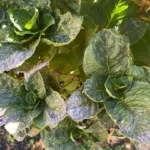 PestChilli thripsScirtothrips dorsalis Hood
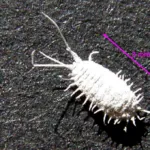 PestObscure mealybugPseudococcus viburni
Toxicity and pollen
Alocasia is documented as toxic to dogs and cats because of insoluble calcium oxalate crystals. Chewing can cause immediate oral pain, drooling, swelling, vomiting, and difficulty swallowing. Human exposure can similarly irritate the mouth, throat, skin, or eyes. Keep away from children and pets, wear gloves when dividing or cutting, and seek professional medical or veterinary advice after ingestion.
- Pollination / pollen
- Limited, non-wind-dispersed pollen expected from occasional flowers
This is an insect-associated flowering aroid, not a wind-pollinated plant. The cultivar's flowers are infrequently produced and no cultivar-specific airborne pollen or allergy data were located. Do not treat the absence of documented pollen problems as proof of zero allergy risk; sensitive people should avoid contact with sap and plant tissues.
Native habitat
This is a cultivated horticultural hybrid rather than a wild species with a single native habitat. Its reported parentage connects it with warm, humid Asian Alocasia lineages associated with forest margins, riverbanks, and other moisture-retentive sites. In cultivation it prefers porous, organic-rich media and protected tropical or subtropical conditions.
Interesting fact
The cultivar was patented in the United States as ‘Regal Shields’. Its thick, durable leaves show dark green upper surfaces with purple suffusion and contrasting veins. It is valued primarily as a foliage plant, and mature specimens can become substantial in warm outdoor climates. Reports of parentage commonly cite Alocasia odora and Alocasia reginula.
Frequently asked questions (FAQ)
The most relevant questions about this plant, with short and direct answers.
🌱Quick care
How do you care for Alocasia 'Regal Shields' indoors?⌄
Give Alocasia 'Regal Shields' bright filtered light, evenly moist but well-drained soil, warm temperatures, and moderate to high humidity. Let the upper 1–2 inches of soil become slightly dry before watering thoroughly.
How often should you water Alocasia 'Regal Shields'?⌄
Water when the top 1–2 inches of soil feel slightly dry, rather than following a fixed calendar. Watering may be more frequent during warm, bright growing conditions and less frequent in winter.
What light does Alocasia 'Regal Shields' need?⌄
Alocasia 'Regal Shields' grows best in bright filtered or indirect light. Protect it from intense afternoon sun through glass, which can scorch the large leaves.
Is Alocasia 'Regal Shields' easy to grow?⌄
Alocasia 'Regal Shields' is relatively forgiving for an Alocasia when warmth, light, moisture, and drainage are consistent. It can still react quickly to cold drafts, soggy soil, dry air, or abrupt environmental changes.
🌤️Environment and placement
Can Alocasia 'Regal Shields' grow outdoors?⌄
Yes, Alocasia 'Regal Shields' can grow outdoors in warm, frost-free conditions with filtered light or gentle morning sun. In cooler parts of the United States, grow it in a container and bring it indoors before temperatures approach 60°F.
What temperature is too cold for Alocasia 'Regal Shields'?⌄
Protect Alocasia 'Regal Shields' when temperatures fall below about 60°F, especially if the soil is wet. Frost and prolonged cold can cause leaf loss, dormancy, or severe damage.
Does Alocasia 'Regal Shields' need high humidity?⌄
It grows best with moderate to high humidity, particularly indoors during dry winter weather. A humidifier is usually more effective than misting for maintaining stable humidity around the plant.
Can Alocasia 'Regal Shields' tolerate direct sunlight?⌄
It may tolerate limited direct early-morning sun after gradual acclimation, but bright filtered light is safer. Strong midday or afternoon sun can bleach or scorch the foliage.
Where is the best place to put Alocasia 'Regal Shields' indoors?⌄
Place it near a bright east- or west-facing window, or a few feet back from a bright south-facing window with a sheer curtain. Keep it away from heating vents, air-conditioning drafts, and cold glass.
💧Care and problems
Why are Alocasia 'Regal Shields' leaves turning yellow?⌄
Yellow leaves commonly result from overwatering, poor drainage, low light, or normal aging of an older leaf. If several leaves yellow at once, check for persistently wet soil and damaged roots.
Why are the leaves on my Alocasia 'Regal Shields' drooping?⌄
Drooping usually indicates dry soil, low humidity, cold temperatures, root stress, or recent environmental change. Check the soil and roots before adding more water, because soggy roots can also produce wilted foliage.
Why does Alocasia 'Regal Shields' get brown leaf tips?⌄
Brown, crispy tips are commonly linked to dry air, inconsistent watering, salt buildup, or mineral-heavy water. Keep moisture consistent, improve humidity, and occasionally flush the pot with low-mineral water if drainage is good.
Why does my Alocasia 'Regal Shields' have brown spots?⌄
Brown spots can come from sunburn, dry conditions, physical damage, pests, or root stress. Examine both sides of the leaves, review recent light and watering changes, and check that the potting mix drains freely.
Why is my Alocasia 'Regal Shields' losing leaves?⌄
Leaf loss can follow cold exposure, repotting stress, underwatering, low light, or dormancy. Remove only fully dead leaves and correct the growing conditions while keeping the rhizome or corm lightly moist, not wet.
Why is my Alocasia 'Regal Shields' not growing?⌄
Slow or stalled growth is often caused by low light, cool temperatures, root problems, dormancy, or insufficient moisture during active growth. Provide warmth and bright filtered light, but avoid fertilizing a plant with cold or rotting roots.
How do I treat spider mites on Alocasia 'Regal Shields'?⌄
Isolate the plant, rinse the foliage and leaf undersides, and treat with a labeled insecticidal soap or horticultural product. Repeat treatments as directed and improve humidity, since dry indoor air favors spider mites.
Can Alocasia 'Regal Shields' get thrips or mealybugs?⌄
Yes, Alocasia 'Regal Shields' can be affected by thrips, mealybugs, scale, aphids, and spider mites. Inspect new growth and leaf undersides regularly, isolate infested plants, and use a product labeled for the pest and plant.
Should I wipe the leaves of Alocasia 'Regal Shields'?⌄
Yes, gently wipe the leaves with a damp, soft cloth to remove dust and improve inspection for pests. Avoid abrasive cleaners, leaf-shine products, and rough handling of the delicate foliage.
Should I fertilize Alocasia 'Regal Shields'?⌄
Fertilize during active growth with a balanced houseplant fertilizer diluted according to the label, usually about monthly. Stop or greatly reduce feeding during winter dormancy and never fertilize severely stressed or recently repotted plants.
Why is my Alocasia 'Regal Shields' dripping water from its leaves?⌄
Leaf dripping is usually guttation, in which the plant releases excess water through leaf edges or tips. It is generally harmless, but persistent dripping can also indicate that the soil is staying wetter than necessary.
🪴Planting and repotting
What is the best soil for Alocasia 'Regal Shields'?⌄
Use an airy, organic, moisture-retentive mix that drains quickly, such as quality potting soil combined with orchid bark and perlite or pumice. The mix should stay lightly moist without becoming compacted or waterlogged.
What type of pot does Alocasia 'Regal Shields' need?⌄
Use a pot with drainage holes that is only moderately larger than the root ball. Oversized pots hold excess moisture and increase the risk of root rot.
When should I repot Alocasia 'Regal Shields'?⌄
Repot in spring or early summer when the plant is actively growing, or whenever roots circle the pot and watering becomes unusually difficult. Move it into a slightly larger container and disturb the roots as little as practical.
How do I prevent root rot in Alocasia 'Regal Shields'?⌄
Prevent root rot with a drainage-hole pot, an airy potting mix, and watering only after the upper layer has started to dry. Never leave the plant standing in runoff or a decorative cachepot filled with water.
✂️Propagation and pruning
How do you propagate Alocasia 'Regal Shields'?⌄
Propagate it by separating offsets or dividing a mature clump or rhizome during active growth. Each division should have viable growth tissue and, ideally, some roots before being potted into a small, airy container.
Can you grow Alocasia 'Regal Shields' from corms?⌄
Yes, Alocasia 'Regal Shields' can be propagated from viable corms produced around the rhizome. Keep corms warm and lightly moist in a sterile, airy medium until roots and a shoot develop.
Can I propagate Alocasia 'Regal Shields' from a leaf cutting?⌄
No, a leaf or petiole cutting normally cannot produce a complete new Alocasia plant because it lacks the required corm or rhizome tissue. Use offsets, rhizome divisions, or viable corms instead.
Should I prune Alocasia 'Regal Shields'?⌄
Routine pruning is not required; remove yellow, damaged, or fully dead leaves by cutting the petiole near its base with clean shears. Do not cut emerging leaves or healthy stems unnecessarily.
⚠️Toxicity and safety
Is Alocasia 'Regal Shields' toxic to cats and dogs?⌄
Yes, Alocasia 'Regal Shields' is toxic if ingested and contains insoluble calcium oxalates that can cause painful mouth irritation, drooling, vomiting, or difficulty swallowing. Keep it away from pets and contact a veterinarian or poison service if ingestion occurs.
Is Alocasia 'Regal Shields' poisonous to people?⌄
Yes, all parts should be considered unsafe to eat because insoluble calcium oxalates can irritate the mouth, throat, skin, and eyes. Wear gloves when handling damaged tissue and keep the plant away from children.
🌸Flowering and special interest
Does Alocasia 'Regal Shields' flower?⌄
Yes, mature Alocasia 'Regal Shields' can produce small, spathe-like Alocasia flowers, although the foliage is usually its main ornamental feature. Flowering may temporarily coincide with slower or reduced leaf production.
Should I cut off flowers on Alocasia 'Regal Shields'?⌄
You may remove the flower stalk if you prefer the plant to direct more energy toward foliage, but removal is not always necessary. Cut the stalk cleanly at its base once it is fully visible and avoid damaging nearby emerging leaves.
Similar plants
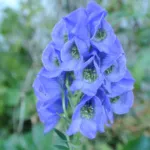 Azure Monkshood (Aconitum carmichaelii) care guideAconitum carmichaelii
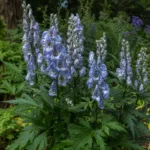 Monkshood (Aconitum ‘Stainless Steel’)Aconitum 'Stainless Steel'
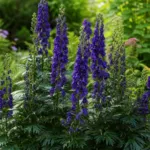 Monkshood (Aconitum ‘Bressingham Spire’)Aconitum 'Bressingham Spire'
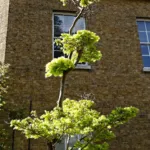 Golden full moon maple (Acer shirasawanum ‘Aureum’)Acer shirasawanum 'Aureum'
 Globosum (Acer platanoides ‘Globosum’)Acer platanoides 'Globosum'
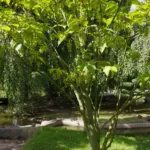 Striped maple (Acer pensylvanicum) care guideAcer pensylvanicum