
 AI-generated illustration
Alocasia ‘Bambino’ short overview
Alocasia 'Bambino' is a compact, cultivated elephant ear prized for its dramatic dark green leaves, sharply defined silvery-white veins, and purple-tinged undersides. It is best grown indoors or in a sheltered container in bright filtered light, warm temperatures, high humidity, and evenly moist but well-drained soil. This tender rhizomatous perennial rarely flowers indoors and should be kept away from children and pets because all parts contain irritating calcium oxalate crystals.
Taxonomic classification
Alocasia ‘Bambino’ care guide
Light and placement
Place in bright filtered or indirect light, ideally near an east- or west-facing window; a bright south window usually needs a sheer curtain or extra distance. Gentle morning sun can be tolerated, but strong direct afternoon sun may scorch or bleach the leaves. Too little light produces slower growth, weaker petioles, and less dramatic foliage, while excessive light causes crisp brown patches and faded color.
Watering and humidity
Water thoroughly when the upper layer of mix begins to dry, allowing excess water to drain from the pot. Keep the root zone evenly moist during active growth but never saturated. Reduce watering in winter or during low-light dormancy, while avoiding prolonged complete dryness. High humidity supports the leaves, but air circulation is still needed to limit fungal and bacterial problems.
Soil and growing medium
Use a loose, moisture-retentive but fast-draining houseplant mix, such as peat-free potting mix amended with perlite, fine bark, or another airy component. A fertile loamy structure suits the plant better than dense garden soil. The available horticultural guidance accepts acidic through alkaline conditions, but a slightly acidic to neutral mix is a practical target. Avoid waterlogged media, which encourages root and stem problems.
Feeding
Feed during active spring and summer growth with a balanced liquid houseplant fertilizer diluted to about half the label strength every 2–3 weeks. Water first if the mix is dry, and flush the container occasionally to reduce salt buildup. Reduce or stop feeding during winter dormancy, low-light periods, or whenever the plant is stressed, recently repotted, or showing root damage.
Growth and habit
This cultivar develops from a compact rhizome into an upright, clump-forming plant. New leaves emerge successively from the central growth point, and older leaves may decline after stress or seasonal slowdown. Stable warmth, bright filtered light, high humidity, and consistent moisture help maintain foliage; sudden drying, cold, or low light can trigger dormancy or leaf loss.
Planting and repotting
Set outdoors only after the danger of frost has passed and nighttime temperatures remain reliably warm. Plant or position the container at the same depth as the original root ball, leaving the rhizome at the surface rather than burying it deeply. Allow enough room for a compact clump and keep the site sheltered from wind. In most of the United States, container culture makes seasonal movement indoors more reliable than in-ground planting.
Repot in spring or early summer when roots fill the container or the mix breaks down. Move up only one pot size and use a container with drainage holes. Handle the rhizome and roots carefully, and replant at the same depth. Allow excess water to drain fully after repotting, then keep the mix lightly and evenly moist while the plant re-establishes.
Propagation and pruning
Propagation
Divide established rhizomes or separate offsets in spring or summer when active growth is strong. Each division should retain viable roots and at least one growing point. Use clean tools and warm, humid conditions. Stem-cutting propagation is reported for the Bambino Series, but division and offsets are the more practical methods for home growers.
Pruning
No routine pruning is required. Remove yellow, damaged, or fully declining leaves at the base with clean shears. Wear gloves because sap can irritate skin and eyes, and dispose of cut material away from pets and children. Do not remove healthy leaves merely to shape the compact plant.
Overwintering
Move outdoor containers indoors before temperatures approach 60°F, and always before frost. Keep the plant warm, bright, and away from drafts; reduce watering as light and growth decline. Some plants pause growth or shed leaves during winter. Resume more active watering and feeding only when new growth and stronger light return.
Uses
Primarily used as a compact indoor foliage plant, conservatory specimen, or sheltered patio container in warm climates. Its neat size suits desks, plant shelves, shaded entryways, and mixed tropical containers. It is ornamental only and should not be eaten or used medicinally because all parts contain irritating calcium oxalates.
Appearance
The plant has a compact upright habit with smooth, arrow-shaped leaves carried on short, sturdy petioles. Dark green blades are sharply marked by silvery-white primary and secondary veins, while the undersides may show purple coloration. The foliage is glossy to slightly satin-like and more architectural than lushly broad, making the cultivar easy to distinguish from larger elephant ears.
Flowering
Mature plants may occasionally produce a small yellowish to greenish spathe surrounding a finger-like spadix, but flowering is uncommon in indoor culture. The inflorescence is subordinate to the ornamental foliage and should not be expected on a regular seasonal schedule.
Pollination and visitors
No reliable cultivar-specific documentation establishes a characteristic pollinator or visitor. Indoor plants rarely flower, so animal visitation is not a meaningful ornamental feature.
Diseases and pests
Diseases
Prevent root and bacterial stem problems by using an airy mix, a draining pot, and careful watering. Yellowing, soft tissue, or a collapsing base can indicate excessive moisture or poor drainage; remove affected tissue and correct the growing conditions. Avoid wetting foliage repeatedly in stagnant conditions.
Pests
Inspect regularly for spider mites, mealybugs, and aphids, especially during dry indoor conditions. Isolate affected plants, rinse foliage when appropriate, and treat infestations promptly with insecticidal soap or horticultural oil according to the product label. Improve humidity without leaving foliage constantly wet, and check leaf undersides and petiole joints.
Related diseases and pests
Only Plant Doctor profiles whose host data indicate this plant may be affected are shown here.
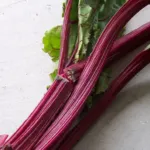 DiseaseBacterial soft rotPectobacterium carotovorum
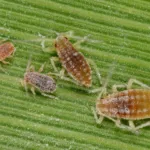 PestMealy Plum AphidHyalopterus pruni (Geoffroy, 1762)
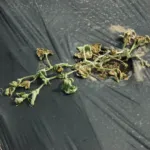 DiseaseBacterial WiltRalstonia solanacearum species complex
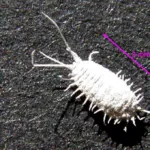 PestObscure mealybugPseudococcus viburni
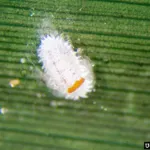 PestCitrus mealybugPlanococcus citri
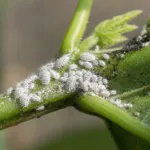 PestCotton mealybugPhenacoccus solenopsis Tinsley
 DiseaseAster yellows‘Candidatus Phytoplasma asteris’
 DiseaseBacterial Fruit BlotchAcidovorax citrulli
Toxicity and pollen
Alocasia contains insoluble calcium oxalate crystals. Chewing or swallowing leaves, stems, rhizomes, sap, or other plant material can cause immediate mouth irritation, pain, swelling, drooling, nausea, vomiting, and difficulty swallowing. Sap may irritate skin or eyes. Wear gloves when dividing or pruning, wash hands afterward, and seek medical or veterinary advice after significant exposure.
- Pollination / pollen
- Pollen is produced inside the spadix inflorescence; airborne-allergy significance is undocumented
This is an insect-pollinated flowering plant, but indoor flowering is uncommon and cultivar-specific airborne pollen data are not available. The pollen is not the same hazard as the plant’s calcium oxalate crystals. People with significant pollen sensitivity should avoid handling any flowering material if symptoms occur and use ordinary ventilation and hygiene precautions.
Native habitat
‘Bambino’ is a cultivated horticultural plant rather than a naturally occurring wild population. Its Alocasia hybrid background is associated with tropical Asian forest plants adapted to warm, humid, shaded environments. It therefore performs best in porous, fertile, moisture-retentive substrates with excellent drainage rather than exposed, dry, cold, or waterlogged sites.
Interesting fact
‘Bambino’ is a compact cultivated form associated with the Alocasia × amazonica group.
The hybrid commonly sold as ‘Amazonica’ has no Amazon Basin origin.
Its dramatic silver veins are a major ornamental feature rather than flowers.
Purple coloration is most visible on the leaf undersides.
The plant is propagated vegetatively to preserve its cultivar traits.
Frequently asked questions (FAQ)
The most relevant questions about this plant, with short and direct answers.
🌱Quick care
How do you care for Alocasia 'Bambino'?⌄
Give Alocasia 'Bambino' bright filtered light, evenly moist but well-drained soil, warm temperatures, and moderate to high humidity. Protect it from frost, cold drafts, and waterlogged conditions.
Is Alocasia 'Bambino' easy to grow indoors?⌄
Alocasia 'Bambino' is moderately demanding indoors because it needs consistent moisture, warmth, humidity, and good light. It is manageable when those conditions remain stable.
How big does Alocasia 'Bambino' get?⌄
Alocasia 'Bambino' is a compact elephant-ear cultivar that commonly grows about 12–18 inches tall indoors. Its exact size depends on light, warmth, humidity, and nutrition.
🌤️Environment and placement
What light does Alocasia 'Bambino' need?⌄
Place Alocasia 'Bambino' in bright filtered or indirect light. Avoid strong direct midday sun, which can scorch its leaves, while very low light may cause slow growth and smaller foliage.
Can Alocasia 'Bambino' grow in low light?⌄
Alocasia 'Bambino' can tolerate medium light, but it does not perform well in a dim location. Low light commonly leads to slower growth, weaker stems, and less attractive foliage.
Can Alocasia 'Bambino' tolerate direct sunlight?⌄
It can tolerate gentle early-morning or late-afternoon sun indoors, but harsh direct sunlight may scorch the leaves. Filter stronger light with a sheer curtain or move the plant farther from the window.
What temperature is best for Alocasia 'Bambino'?⌄
Keep Alocasia 'Bambino' warm, ideally around 65–80°F. Protect it from temperatures below about 60°F, cold drafts, and sudden changes that can trigger drooping or leaf loss.
How much humidity does Alocasia 'Bambino' need?⌄
Alocasia 'Bambino' grows best with moderate to high humidity, commonly around 50–60% or higher. A humidifier is more effective than occasional misting for maintaining steady humidity.
Can Alocasia 'Bambino' grow in a bathroom?⌄
It can grow well in a bright bathroom if the room receives sufficient filtered light and has good airflow. A dark bathroom will not provide enough light for healthy long-term growth.
💧Care and problems
How often should you water Alocasia 'Bambino'?⌄
Water when the top inch or two of the potting mix begins to dry, then let excess water drain completely. The interval may be weekly during active growth and longer in winter, depending on light, temperature, and pot size.
Should Alocasia 'Bambino' soil stay wet?⌄
Keep the soil evenly moist but never saturated. Constantly wet soil reduces root oxygen and greatly increases the risk of root rot.
Why are Alocasia 'Bambino' leaves turning yellow?⌄
Yellow leaves most often indicate overwatering, poor drainage, or normal aging of an older leaf. Check the soil and roots before watering again, because yellowing combined with soggy mix can signal root stress.
Why is my Alocasia 'Bambino' drooping?⌄
Drooping usually results from dry soil, overwatering-related root damage, cold temperatures, or a sudden change in conditions. Check soil moisture, drainage, temperature, and recent relocation before adjusting care.
Why does Alocasia 'Bambino' have brown leaf tips?⌄
Brown tips commonly result from low humidity, inconsistent watering, fertilizer-salt buildup, or mineral-heavy water. Improve consistency, maintain humidity, and occasionally flush the pot with clean water if drainage is good.
Why is my Alocasia 'Bambino' losing leaves?⌄
Some leaf loss can occur after shipping, repotting, relocation, low light, or a seasonal slowdown. If the corm or rhizome remains firm and conditions improve, the plant may produce new leaves.
Why is Alocasia 'Bambino' growing slowly?⌄
Slow growth is commonly caused by inadequate light, cool temperatures, low humidity, or reduced winter activity. Provide bright filtered light, warmth, appropriate moisture, and light feeding during active growth.
What pests affect Alocasia 'Bambino'?⌄
Alocasia 'Bambino' can attract spider mites, mealybugs, thrips, and aphids. Inspect leaf undersides and stems regularly, isolate affected plants, and treat promptly with an appropriate houseplant pest-control product.
Should you fertilize Alocasia 'Bambino'?⌄
Feed Alocasia 'Bambino' with a balanced, diluted houseplant fertilizer during active spring and summer growth. Avoid heavy applications and reduce or stop feeding when growth slows in winter.
🪴Planting and repotting
What soil is best for Alocasia 'Bambino'?⌄
Use an airy, fertile, well-drained houseplant mix amended with materials such as perlite, orchid bark, or another coarse aeration component. The mix should hold some moisture without remaining compact or soggy.
What type of pot does Alocasia 'Bambino' need?⌄
Use a pot with drainage holes that is only slightly larger than the root ball. A pot that is too large can retain excess moisture and increase the risk of root rot.
When should you repot Alocasia 'Bambino'?⌄
Repot when roots fill the container, emerge from drainage holes, or the potting mix has broken down. Spring or early summer is usually the least stressful time, and moving up one pot size is generally sufficient.
Can Alocasia 'Bambino' be grown in a self-watering pot?⌄
It can be grown in a self-watering system if the medium remains airy and the reservoir does not keep the corm or roots constantly saturated. Monitor the plant carefully because stagnant moisture can still cause rot.
✂️Propagation and pruning
How do you propagate Alocasia 'Bambino'?⌄
Propagate Alocasia 'Bambino' by separating offsets or corms from the parent plant, usually during repotting in the growing season. Each division should have viable roots or a healthy corm before being potted separately.
Can you propagate Alocasia 'Bambino' from a leaf?⌄
A leaf alone cannot normally produce a new Alocasia 'Bambino' because new growth develops from the corm or rhizome tissue. Propagation requires a viable corm, offset, or division with the necessary growth point.
Should you prune Alocasia 'Bambino'?⌄
Routine pruning is not necessary; remove only yellow, dead, or badly damaged leaves with clean scissors. Cut the leaf stalk near its base without injuring the central corm or emerging growth.
⚠️Toxicity and safety
Is Alocasia 'Bambino' toxic to cats and dogs?⌄
Yes, Alocasia 'Bambino' is toxic to cats and dogs if chewed or swallowed. Its insoluble calcium oxalates can cause painful mouth irritation, drooling, vomiting, or difficulty swallowing, so keep it out of pets’ reach.
Is Alocasia 'Bambino' poisonous to people?⌄
Yes, Alocasia 'Bambino' contains insoluble calcium oxalates that can irritate the mouth, throat, skin, and eyes if eaten or handled improperly. Keep it away from children and seek medical or poison-control guidance after ingestion.
Should you wear gloves when handling Alocasia 'Bambino'?⌄
Wear gloves when cutting or dividing Alocasia 'Bambino' if you have sensitive skin. Wash your hands afterward and avoid touching your eyes or mouth with plant sap on your hands.
🌸Flowering and special interest
Does Alocasia 'Bambino' flower indoors?⌄
Alocasia 'Bambino' can produce small, inconspicuous arum-type flowers indoors, but flowering is uncommon and not its main ornamental feature. Mature plants in warm, bright, stable conditions are more likely to bloom.
Should you cut off an Alocasia 'Bambino' flower?⌄
You may remove the flower if you want the plant to direct energy toward foliage, but it is not required. Cut the flower stalk cleanly at its base after it fades or whenever it becomes damaged.
Similar plants
 Foxtail Palm (Wodyetia bifurcata) care guideWodyetia bifurcata
 He Mexican fan palm (Washingtonia robusta) care guideWashingtonia robusta
 He California fan palm (Washingtonia filifera) care guideWashingtonia filifera
 Veitchia arecina care guideVeitchia arecina
 Trachycarpus latisectus care guideTrachycarpus latisectus
 He Chusan palm (Trachycarpus fortunei) care guideTrachycarpus fortunei