
 Source:
 Alocasia ‘Baginda Silver Dragon’ short overview
Alocasia 'Baginda Silver Dragon' is a compact jewel Alocasia grown for its sculptural, silver-green leaves rather than showy blooms. Deeply contrasting veins and a quilted, dragon-scale surface give each blade an almost metallic appearance. Native to the humid limestone-forest environment of eastern Borneo through its parent species, this cultivated form performs best indoors or outdoors only in warm, frost-free conditions with bright filtered light, an airy mix, careful watering, and good humidity.
Taxonomic classification
Alocasia ‘Baginda Silver Dragon’ care guide
Light and placement
Provide bright filtered light, such as an east-facing window or a bright south- or west-facing window softened by a sheer curtain. Gentle morning sun can be tolerated, but strong midday or afternoon sun through glass may bleach or scorch the silver leaves. Too little light produces slower growth, longer petioles, and weaker coloration; too much direct sun causes pale patches, crisp edges, or scorch.
Watering and humidity
Water thoroughly when the upper portion of the mix has dried slightly, allowing excess water to drain completely. Do not keep the pot standing in water, and do not let the root ball become bone-dry for prolonged periods. Water less often in cool, dim winter conditions, but resume a steadier rhythm when warm active growth returns. Moderate to high humidity helps reduce edge crisping, provided airflow remains good.
Soil and growing medium
Use a loose, chunky substrate that drains rapidly while retaining a small reserve of moisture. A mix based on quality potting soil, fine or medium orchid bark, and perlite or pumice suits the thick, sensitive roots. The species is associated with limestone-rich Bornean habitats, so a mildly acidic to neutral mix is suitable; avoid dense, stagnant, waterlogged soil.
Feeding
Feed only during active growth, generally from spring through early fall indoors. Use a complete balanced houseplant fertilizer diluted to about half the label rate every 3–4 weeks, applied to already-moist substrate. Pause or greatly reduce feeding during cool, dim winter conditions and after repotting until new growth resumes. Flush the pot occasionally to limit salt buildup.
Growth and habit
This named form makes a compact, short-stemmed clump with a slow-to-moderate growth rhythm. New leaves emerge greenish and develop stronger silver coloration as they mature under suitable light. Stable warmth and consistent root conditions help prevent dormancy, sudden leaf loss, and stalled growth. Remove only fully spent leaves so the plant can reclaim nutrients.
Planting and repotting
Plant outdoors only after nights remain consistently warm and all frost danger has passed. Set the root mass at its existing depth rather than burying the short stem. Allow approximately 12–24 inches of space for a mature container specimen, with extra room for airflow around the foliage. Establish gradually in filtered light.
Repot when roots fill the container or the mix breaks down, preferably in spring or early summer. Move up only one pot size and disturb the roots as little as practical. Use a pot with generous drainage holes; an oversized container stays wet too long and increases the risk of root loss.
Propagation and pruning
Propagation
Divide established offsets or clumps during active growth, keeping each division attached to viable roots and a growth point. Seed propagation is possible for the species but will not reliably reproduce the named cultivar. Allow cut surfaces to dry briefly before potting and keep newly divided plants warm, lightly moist, and protected from harsh light.
Pruning
Prune only yellow, damaged, or fully senescent leaves. Cut the petiole cleanly near its base with sterilized tools and avoid injuring the central growth point or corm. Remove fallen tissue from the substrate and wear gloves because sap and plant juices may irritate skin and mucous membranes.
Overwintering
Bring containers indoors before temperatures approach 50°F, and protect the plant from drafts, cold glass, and heating vents. In winter, give the brightest filtered light available, reduce watering as growth slows, and stop fertilizing if the plant is not actively producing leaves. Do not expose it to frost or prolonged temperatures near freezing.
Uses
Primarily an ornamental foliage plant for indoor collections, terrariums with adequate ventilation, shaded conservatories, and warm-season containers. Its compact form suits tabletops and protected patios. It has no supported culinary or medicinal use in this cultivar profile, and all parts should be treated as unsafe to eat.
Appearance
The hallmark is a compact crown of thick, rounded, heart-shaped leaves with raised, quilted surfaces. Silvery-green panels contrast strongly with dark green to nearly black veins, creating the scaled appearance associated with the cultivar. New leaves may emerge greener before developing a paler metallic tone. Some plants show reddish or maroon coloration beneath the leaves.
Flowering
As an Alocasia, this cultivar can produce aroid inflorescences consisting of a pale spathe surrounding a spadix, but flowering is intermittent and not a dependable ornamental feature. Indoor plants may bloom after reaching maturity or following favorable warm, bright growing conditions. Reliable cultivar-specific timing and pollination records are limited.
Pollination and visitors
No reliable cultivar-specific pollinator or visitor record was located. Alocasia inflorescences are specialized aroid structures, but the documented animal visitors for this named cultivar are insufficiently established for a confident pollinator label.
Alocasia 'Baginda Silver Dragon' photos
Click any photo for a larger view. Source, author and license are shown separately.
Diseases and pests
Diseases
Prevent disease by using a porous mix, clean tools, good drainage, and airflow. Persistent wetness can lead to root or corm rot, usually signaled by yellowing, collapse, odor, or soft tissue. Remove affected material, replace saturated medium, and keep water off the crown. Leaf-spot symptoms warrant removing damaged leaves and improving ventilation rather than routine spraying.
Pests
Inspect leaf undersides and petiole junctions for spider mites, thrips, mealybugs, and scale. Dry air favors mites, while crowded, stressed plants are more vulnerable to thrips. Isolate affected plants, rinse foliage where appropriate, and use a labeled insecticidal soap or horticultural oil according to the product directions. Repeat monitoring is more important than one treatment.
Related diseases and pests
Only Plant Doctor profiles whose host data indicate this plant may be affected are shown here.
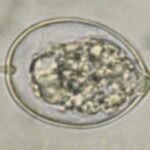 DiseasePhytophthora cactorum crown, collar, root and fruit rotPhytophthora cactorum
 DiseaseRhizopus soft rotRhizopus stolonifer
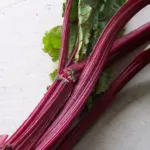 DiseaseBacterial soft rotPectobacterium carotovorum
 DiseaseAlternaria leaf spot and fruit rotAlternaria alternata
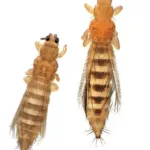 PestOnion thripsThrips tabaci Lindeman
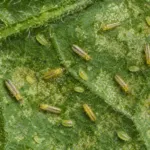 PestMelon thripsThrips palmi Karny
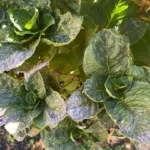 PestChilli thripsScirtothrips dorsalis Hood
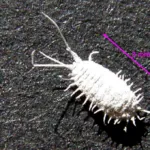 PestObscure mealybugPseudococcus viburni
Toxicity and pollen
Alocasia tissues contain insoluble calcium oxalate crystals. Chewing or swallowing can cause immediate burning, pain, swelling, drooling, nausea, vomiting, or difficulty swallowing. Keep the plant away from pets and young children, wear gloves when handling damaged tissue, and wash hands after pruning. Do not treat any part as edible.
- Pollination / pollen
- Flower pollen; release and dispersal not documented for this cultivar
This is a flowering plant, so it produces pollen when it blooms, but cultivar-specific measurements of airborne pollen and allergy risk are unavailable. The inflorescences are generally produced infrequently indoors and are not known as a major household airborne-pollen source. Avoid touching the face after handling flowers and wash hands if sensitive.
Native habitat
The parent species is native to eastern Kalimantan on Indonesian Borneo. It is associated with warm, humid tropical forest conditions and limestone-influenced, rapidly draining substrates. The exact wild locality of the type material was not specified, so finer habitat claims for this cultivar should be treated cautiously.
Interesting fact
The silver appearance is concentrated between the dark veins rather than being conventional cream variegation. The cultivar belongs to the compact group of jewel Alocasias. Its parent species, Alocasia baginda, was formally described from eastern Kalimantan in 2011. The name is associated in horticulture with a dragon-scale leaf surface.
Frequently asked questions (FAQ)
The most relevant questions about this plant, with short and direct answers.
🌱Quick care
How do you care for Alocasia 'Baginda Silver Dragon'?⌄
Give it bright filtered light, moderate even moisture, high humidity, warmth, and an airy, fast-draining tropical mix. Let the soil surface dry slightly before watering again, and never leave the pot standing in water.
How much light does Alocasia 'Baginda Silver Dragon' need?⌄
Place it in bright filtered or indirect light. Protect the silver leaves from harsh midday sun, which can scorch them, while insufficient light may slow growth and reduce leaf vibrancy.
How often should I water Alocasia 'Baginda Silver Dragon'?⌄
Water when the upper inch or two of the potting mix feels slightly dry. The schedule may range from about weekly to every two weeks indoors, depending on pot size, temperature, humidity, and soil porosity.
🌤️Environment and placement
What humidity does Alocasia 'Baginda Silver Dragon' prefer?⌄
It generally grows best at approximately 60–80% relative humidity. Good airflow is important because consistently wet leaves and stagnant conditions can encourage fungal problems.
What temperature is best for Alocasia 'Baginda Silver Dragon'?⌄
Keep it warm, ideally around 65–80°F during active growth. Protect it from cold drafts, sudden temperature changes, and temperatures near or below 50°F.
Can Alocasia 'Baginda Silver Dragon' grow in a bathroom?⌄
Yes, a bright bathroom can provide useful humidity for this plant. It still needs filtered light, ventilation, and a potting mix that drains quickly rather than remaining saturated.
Can Alocasia 'Baginda Silver Dragon' grow outdoors in the United States?⌄
It can grow outdoors year-round only in reliably warm, frost-free areas, generally comparable to USDA Zones 10–11. In cooler regions, grow it in a container and bring it indoors before temperatures approach 50°F.
Why are the leaves of my Alocasia 'Baginda Silver Dragon' losing their silver color?⌄
Lower light, immature foliage, environmental stress, or natural variation can make the leaves appear greener. Provide bright filtered light without exposing the plant to hot direct sun.
💧Care and problems
Why are the leaves on my Alocasia 'Baginda Silver Dragon' turning yellow?⌄
Yellow leaves most often indicate excess moisture, poor drainage, root damage, or normal aging. Check the roots and potting mix, allow slight surface drying, and reduce watering if the soil remains wet for several days.
Why does Alocasia 'Baginda Silver Dragon' have brown, crispy leaf edges?⌄
Crispy edges usually result from dry air, inconsistent watering, underwatering, salt buildup, or intense light. Check humidity and soil moisture, keep the plant away from hot glass, and occasionally flush accumulated fertilizer salts from the mix.
Why is my Alocasia 'Baginda Silver Dragon' drooping?⌄
Drooping can be caused by underwatering, root stress, cold temperatures, transplant shock, or insufficient light. Inspect the soil and roots rather than watering automatically, because a drooping plant in soggy soil may have root or corm damage.
How do I prevent root rot in Alocasia 'Baginda Silver Dragon'?⌄
Use a pot with drainage holes and a loose, chunky mix, then water only after the surface has dried slightly. Do not let the pot sit in runoff or keep the roots continuously saturated.
What pests attack Alocasia 'Baginda Silver Dragon'?⌄
Spider mites, thrips, mealybugs, and scale can infest it, especially when conditions are warm and dry. Inspect leaf undersides and petioles regularly, isolate affected plants, and treat promptly with an appropriate houseplant pest control product.
Should I mist Alocasia 'Baginda Silver Dragon'?⌄
Misting is not a dependable way to raise humidity and can leave moisture trapped on textured leaves. A clean humidifier, plant grouping, or a well-managed pebble tray is usually more effective, provided airflow remains good.
Does Alocasia 'Baginda Silver Dragon' go dormant in winter?⌄
It may slow growth or lose some or all leaves during winter or after stress while the corm remains alive. Reduce watering, keep the plant warm, and resume more active care when new growth appears.
How should I fertilize Alocasia 'Baginda Silver Dragon'?⌄
Feed during active growth with a balanced houseplant fertilizer diluted to about half strength every 4–6 weeks. Avoid fertilizing dry soil or a plant that is dormant, severely stressed, or recovering from root problems.
🪴Planting and repotting
What soil is best for Alocasia 'Baginda Silver Dragon'?⌄
Use an airy, fast-draining tropical houseplant or aroid mix containing ingredients such as coco coir or peat, orchid bark, and perlite or pumice. The mix should retain some moisture while allowing abundant air around the roots.
What type of pot does Alocasia 'Baginda Silver Dragon' need?⌄
Choose a pot with drainage holes that is only slightly larger than the root system. Oversized containers hold moisture too long and increase the risk of root rot.
When should I repot Alocasia 'Baginda Silver Dragon'?⌄
Repot in spring or early summer when the plant is actively growing, or sooner if the mix has broken down, drainage is poor, or roots have filled the container. Move it into only the next pot size up to limit excess moisture.
Should I repot a newly purchased Alocasia 'Baginda Silver Dragon' immediately?⌄
Usually, let it acclimate for roughly two to four weeks unless the existing mix is waterlogged, severely compacted, infested, or causing root problems. Delaying unnecessary disturbance can reduce transplant shock.
✂️Propagation and pruning
How do you propagate Alocasia 'Baginda Silver Dragon'?⌄
The most reliable home methods are separating rooted offsets or dividing the rhizome during repotting. Corm propagation is also possible, but it requires warmth, moisture control, and patience.
Can you propagate Alocasia 'Baginda Silver Dragon' from a leaf cutting?⌄
No, a leaf or petiole alone normally cannot produce a new plant because it lacks a growth point or corm. Propagation requires a viable corm, offset, rhizome section, or specialized tissue-culture method.
When is the best time to propagate Alocasia 'Baginda Silver Dragon'?⌄
Propagate during active growth in spring or summer, when warmth and brighter conditions support recovery. Avoid dividing a dormant, cold-stressed, or unhealthy plant unless propagation is necessary to save viable corms.
How do I prune Alocasia 'Baginda Silver Dragon'?⌄
Remove only yellowing, badly damaged, or fully dead leaves by cutting the petiole near its base with a clean tool. Avoid cutting healthy leaves unnecessarily, because the plant uses them to build energy reserves.
⚠️Toxicity and safety
Is Alocasia 'Baginda Silver Dragon' toxic to cats and dogs?⌄
Yes, it is toxic if chewed or eaten because it contains insoluble calcium oxalate crystals. Keep it away from pets and seek veterinary advice if a pet chews the plant or develops mouth irritation, drooling, vomiting, or difficulty swallowing.
Is Alocasia 'Baginda Silver Dragon' poisonous to children?⌄
Yes, ingestion can cause painful irritation and swelling of the mouth, tongue, and throat. Keep the plant, fallen leaves, and trimming debris inaccessible to children, and contact Poison Control or emergency services if significant exposure occurs.
Can Alocasia 'Baginda Silver Dragon' irritate skin?⌄
Sap from damaged tissue may irritate skin and eyes even though the main risk is ingestion. Wear gloves when dividing or pruning it, wash your hands afterward, and avoid touching your face.
🌸Flowering and special interest
Does Alocasia 'Baginda Silver Dragon' flower indoors?⌄
Yes, a mature, healthy plant may produce small, pale green to cream arum-type flowers near the base. Flowering is secondary to its foliage, and stressed or young plants may not bloom.
Should I cut off flowers on Alocasia 'Baginda Silver Dragon'?⌄
You may remove the flower if the plant is weak, recently repotted, or struggling, because producing flowers uses energy. Leave it in place if the plant is healthy and you want to observe its natural flowering cycle.
Similar plants
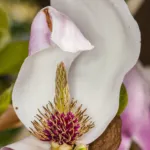 Saucer Magnolia (Magnolia soulangeana) care guideMagnolia soulangeana
 Magnolia × loebneri ‘Merrill’Magnolia × loebneri 'Merrill'
 Magnolia loebneri care guideMagnolia loebneri
 Sweetbay magnolia (Magnolia virginiana) care guideMagnolia virginiana
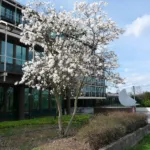 Star magnolia (Magnolia stellata) care guideMagnolia stellata
 Magnolia sprengeri care guideMagnolia sprengeri