
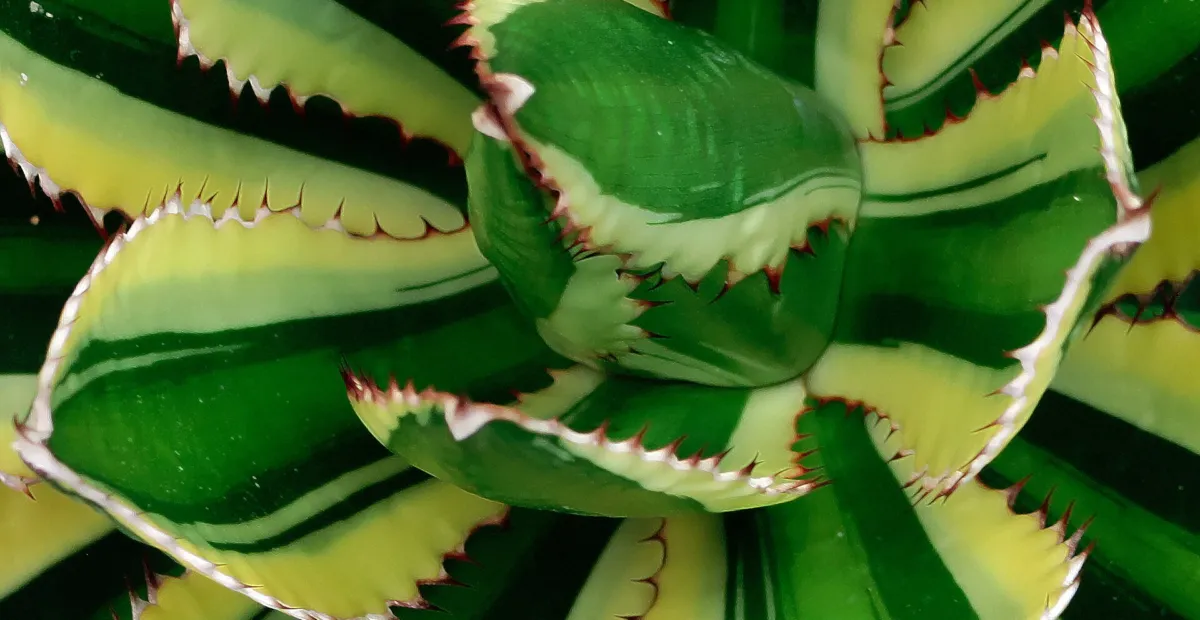
 Source:
 Agave univittata short overview
Agave univittata is a compact, drought-tolerant century plant from the coastal plains of southern Texas and northeastern Mexico. It forms a sharply pointed rosette of rigid green leaves, often marked by a pale central stripe, and can produce numerous offsets around the parent plant. In the United States it is best suited to sunny, sharply drained sites in warm climates, while container-grown specimens can be overwintered indoors where freezes are expected.
Taxonomic classification
Agave univittata care guide
Light and placement
Give this agave full sun, ideally with a south- or west-facing exposure and unobstructed overhead light. In hot inland climates, some afternoon shade can reduce scorch, especially for container plants. Pale, stretched leaves and wide spacing indicate insufficient light; bleached patches, crispy margins, or sudden tan lesions suggest excessive reflected heat or abrupt exposure changes.
Watering and humidity
Water deeply only after the soil has dried completely, allowing excess water to drain from the pot or planting bed. During active growth, this may mean occasional irrigation every few weeks, depending on heat and rainfall. Reduce watering sharply in cool weather and keep the crown dry. Humidity usually needs no adjustment indoors, but stagnant, damp air increases rot risk.
Soil and growing medium
Use a mineral-rich cactus or succulent mix amended with pumice, perlite, coarse sand, or other grit. In the ground, plant on a raised mound or slope if drainage is slow. Avoid dense clay and water-retentive potting soil around the crown. The species tolerates calcareous conditions, but consistently waterlogged soil is more damaging than moderate pH variation.
Feeding
Feed sparingly from spring through midsummer with a balanced, low-nitrogen succulent fertilizer at half strength, or use a thin spring application of controlled-release fertilizer. Do not fertilize newly transplanted, dormant, diseased, or cold-stressed plants. Excess nitrogen can produce softer growth and reduce the plant’s ability to tolerate drought and cold.
Growth and habit
This agave forms a solitary rosette that commonly becomes strongly clumping through basal offsets. Mature plants can occupy more ground than expected because pups develop around the parent. Remove offsets when a cleaner specimen is wanted, or allow them to form a colony in a dry bed. Handle with care because the leaf tips and margins are sharply pointed.
Planting and repotting
Plant in spring or early summer into fully prepared, fast-draining soil. Set the root ball level with the surrounding grade and keep leaves and crown from being buried. Water once after planting, then allow the soil to dry before watering again. A gritty mulch can reduce crown splash and discourage weeds without retaining excessive moisture.
Repot in spring when roots fill the container or the mix has broken down. Use a heavy pot with drainage holes and a gritty succulent substrate. Let the plant dry before handling, protect hands and eyes from spines, and keep the crown above the new soil line. Delay watering briefly after repotting if roots were disturbed.
Propagation and pruning
Propagation
Propagate most conveniently by separating rooted offsets in spring or early summer. Allow cut surfaces to dry briefly before planting into gritty, barely moist mix. Seed propagation is possible but slower and less predictable for maintaining stripe or other ornamental traits.
Pruning
Remove dead or badly damaged leaves at their base with sterilized, sturdy tools. Cut away spent flowering stalks after they dry if they are unstable or obstructive. Wear thick gloves, eye protection, and long sleeves, and keep sharp leaf tips away from walkways.
Overwintering
In colder parts of the United States, grow it in a container and move it indoors before temperatures approach freezing. Provide the brightest available window, cool conditions, and very little water. Outdoor plants need a dry crown, excellent drainage, and protection from prolonged wet freezes; frost cloth alone may not prevent damage during severe cold.
Uses
Useful as an architectural accent, drought-tolerant bed plant, rock-garden specimen, or container plant. It works well in xeric plantings with other sun-loving succulents. Leaf spines make it unsuitable beside narrow paths, play areas, or seating. No culinary or medicinal use should be assumed for this exact taxon without separate identification and safety evidence.
Appearance
The plant has a low, symmetrical rosette of stiff, lance-shaped green leaves with a pronounced terminal spine and small marginal teeth. A pale central stripe is associated with plants sold under this name, although markings can vary. The short-stemmed rosette gradually produces offsets, creating a dense, architectural cluster.
Flowering
Flowering occurs only after the rosette reaches maturity. A tall, branched stalk rises from the center and bears numerous yellow-green flowers. The flowering rosette declines afterward, while basal offsets may continue the colony. Exact bloom timing varies with age, latitude, winter conditions, and cultivation.
Pollination and visitors
The tall inflorescence provides nectar and pollen for visiting insects, including bees and other generalist flower visitors. Documentation for a single principal pollinator species is not sufficiently consistent here, so a visitor-group description is more appropriate than assigning one species.
Agave univittata photos
Click any photo for a larger view. Source, author and license are shown separately.
Diseases and pests
Diseases
The main disease risk is crown or root rot caused by persistently wet soil, poor drainage, or water entering the rosette. Use porous soil, avoid overhead irrigation, and remove affected tissue only when the problem is localized. Good airflow and clean tools reduce secondary infections.
Pests
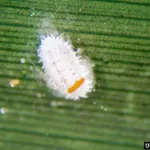
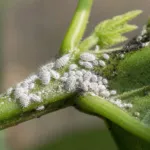
Agave snout weevils can damage agaves by feeding and laying eggs near the base, while scale insects and mealybugs may occur on stressed container plants. Inspect the crown and leaf bases regularly. Isolate infested containers, remove light infestations mechanically, and use a labeled treatment when monitoring shows sustained damage.
Related diseases and pests
Only Plant Doctor profiles whose host data indicate this plant may be affected are shown here.
Toxicity and pollen
Agave sap and tissues contain irritating compounds and calcium oxalate crystals that can cause painful skin or eye irritation; ingestion may produce mouth and gastrointestinal irritation. Avoid contact with fresh sap, wear gloves when cutting, wash exposed skin promptly, and keep plant material away from children and pets.
- Typical season
- Late spring through summer when flowering
- Pollination / pollen
- Insect-released pollen from exposed flowers; not typically dispersed like wind-borne grass pollen.
This insect-pollinated agave releases pollen from its flowers, but its pollen is not generally characterized as a major wind-borne seasonal allergen. Sensitive people should still avoid handling flowers closely, and anyone with a known plant allergy should use practical exposure precautions.
Native habitat
In its native range, this agave is associated with warm, seasonally dry coastal plains and low-elevation areas of southern Texas and northeastern Mexico. It favors open sunny habitats, mineral soils, and rapid drainage, and is adapted to periodic drought, intense heat, and occasional cold events.
Interesting fact
The epithet univittata refers to a single stripe, reflecting the pale central band seen in many plants associated with this name. Taxonomic treatments differ: Agave univittata is accepted for this profile, while Kew currently lists it as a synonym of Agave lophantha. A flowering rosette is monocarpic, but offsets continue the plant’s lineage.
Frequently asked questions (FAQ)
The most relevant questions about this plant, with short and direct answers.
🌱Quick care
What is Agave univittata?⌄
Agave univittata is a clumping, evergreen century plant native to coastal southern Texas and northeastern Mexico. It is also treated by some botanical authorities as Agave lophantha, but Agave univittata is the requested taxon.
How large does Agave univittata get?⌄
Agave univittata forms a medium-sized rosette and often spreads by offsets into a clump. Its mature size varies with growing conditions and whether pups are removed, so allow space for lateral spread as well as leaf expansion.
🌤️Environment and placement
How much sunlight does Agave univittata need?⌄
Agave univittata grows best in full sun, with at least 6 hours of direct sunlight daily. Provide light afternoon shade in extremely hot locations if the leaves show sun scorch.
Can Agave univittata grow indoors?⌄
Agave univittata can grow indoors only in a very bright, sunny location, such as a south- or west-facing window. It usually performs better outdoors because indoor light is often insufficient for compact growth.
What USDA hardiness zones are suitable for Agave univittata?⌄
Agave univittata is best suited to warm regions where hard freezes are uncommon, generally in the warmer parts of USDA Zones 8b through 11. Exact cold tolerance varies by plant, exposure, and winter moisture, so protect it from hard freezes.
Can Agave univittata survive winter outdoors?⌄
Agave univittata can remain outdoors through winter in mild parts of the southern United States if its soil stays dry and temperatures do not fall sharply. In colder areas, grow it in a container or provide frost protection.
💧Care and problems
How often should I water Agave univittata?⌄
Water Agave univittata thoroughly, then allow the soil to dry completely before watering again. Reduce watering substantially during winter and avoid leaving the roots in standing water.
How drought-tolerant is Agave univittata?⌄
Agave univittata is highly drought-tolerant once established because its thick leaves store water. Extended drought may slow growth, but consistently wet soil is more dangerous than underwatering.
How cold hardy is Agave univittata?⌄
Agave univittata can tolerate brief light freezes when dry and established, but hard freezes may damage or kill it. Cover plants during freeze events and keep container plants sheltered from prolonged cold.
Why is my Agave univittata turning soft or brown?⌄
Soft, collapsing, or brown leaves often indicate overwatering, poor drainage, cold injury, or crown rot. Check the roots and crown, remove severely damaged tissue with a sterile tool, and correct wet or poorly ventilated conditions.
Why is my Agave univittata losing its color?⌄
Pale or stretched growth usually means Agave univittata is not receiving enough direct light. Move it gradually into brighter light to reduce the risk of sudden sunburn.
Does Agave univittata need fertilizer?⌄
Agave univittata needs little fertilizer and usually grows well in lean soil. If growth is weak, apply a diluted, low-nitrogen succulent fertilizer once in spring or early summer, avoiding repeated heavy feeding.
🪴Planting and repotting
What soil is best for Agave univittata?⌄
Use gritty, sharply drained succulent soil for Agave univittata, ideally amended with materials such as pumice, perlite, or coarse grit. Avoid heavy clay and any container that drains slowly.
When should I repot Agave univittata?⌄
Repot Agave univittata when roots fill the container, drainage declines, or the plant becomes unstable. Repot during active growth, use a container with drainage holes, and wait several days before watering after handling the roots.
Where should Agave univittata be planted outdoors?⌄
Plant Agave univittata in a sunny, open position with excellent drainage and enough clearance from walkways. Its spines and irritating sap make locations away from frequent foot traffic, children, and pets safer.
Can Agave univittata grow in a container?⌄
Agave univittata grows well in a heavy container with drainage holes and gritty succulent soil. Choose a pot only slightly larger than the root system so excess soil does not remain wet for long periods.
✂️Propagation and pruning
Does Agave univittata produce offsets or pups?⌄
Yes, Agave univittata commonly produces offsets around the base and can form dense clumps. These pups can be left in place for a colony or separated for propagation once they are adequately developed.
How do you propagate Agave univittata from pups?⌄
Separate a well-rooted Agave univittata pup with a clean, sharp knife or by gently digging it away from the parent. Let any cut surface dry for several days, then plant it in dry, sharply drained soil and water sparingly until roots establish.
Can Agave univittata be grown from seed?⌄
Agave univittata can be grown from seed, although seed propagation is slower and less predictable than using offsets. Sow fresh seed in a sterile, well-drained medium and keep it lightly moist until germination.
Should I remove damaged leaves from Agave univittata?⌄
Remove completely dead or badly damaged leaves from Agave univittata with clean, sharp pruners. Do not cut healthy leaf tips routinely, because trimming can leave unattractive scars and exposes the plant to injury.
⚠️Toxicity and safety
Is Agave univittata dangerous to touch?⌄
Agave univittata has sharp leaf tips and irritating sap that can cause skin and eye irritation. Wear gloves, long sleeves, and eye protection when planting, pruning, or separating offsets.
Is Agave univittata toxic to dogs, cats, or people?⌄
Agave univittata should be treated as potentially toxic if eaten because its tissues may cause irritation and gastrointestinal problems. Keep it away from children and pets, and contact a medical or veterinary professional if ingestion causes symptoms.
🌸Flowering and special interest
Does Agave univittata flower only once?⌄
Agave univittata is generally considered monocarpic, meaning an individual rosette typically dies after flowering and setting seed. Established offsets may survive and continue the clump after the flowering rosette declines.
How long does Agave univittata take to flower?⌄
Agave univittata may take many years to reach flowering size, and the timing is variable rather than reliably predictable. A tall central flower stalk emerging from the rosette is the main sign that blooming is beginning.
What should I do when Agave univittata starts flowering?⌄
Allow the flower stalk to develop if you want to observe or collect seed, and support it if wind threatens the plant. After flowering, remove the spent rosette when it has fully declined and replant or retain its offsets.
Can I stop Agave univittata from flowering?⌄
Cutting off the flower stalk may remove the display temporarily, but it generally does not reverse the plant’s decision to flower. The rosette is usually nearing the end of its life cycle once the stalk begins emerging.
Similar plants
 Azure Monkshood (Aconitum carmichaelii) care guideAconitum carmichaelii
 Monkshood (Aconitum ‘Stainless Steel’)Aconitum 'Stainless Steel'
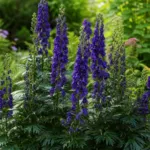 Monkshood (Aconitum ‘Bressingham Spire’)Aconitum 'Bressingham Spire'
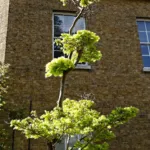 Golden full moon maple (Acer shirasawanum ‘Aureum’)Acer shirasawanum 'Aureum'
 Globosum (Acer platanoides ‘Globosum’)Acer platanoides 'Globosum'
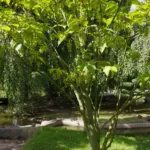 Striped maple (Acer pensylvanicum) care guideAcer pensylvanicum