
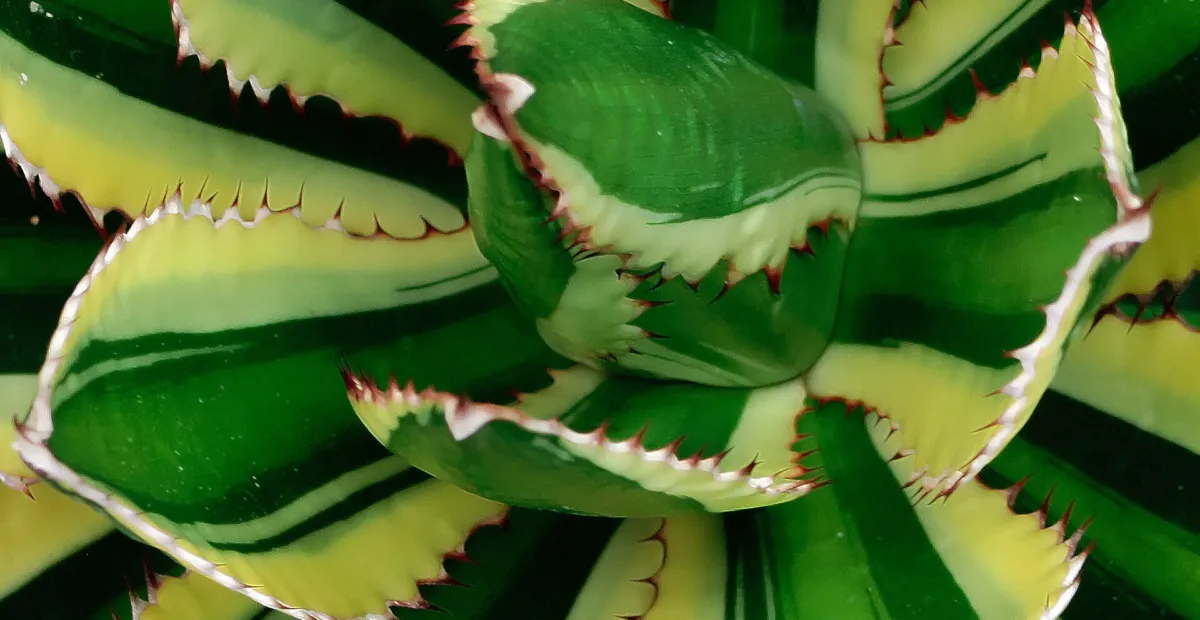
 Source:
 Thorn-crested Agave (Agave lophantha) short overview
Thorn-crested Agave is a slow-growing, drought-tolerant succulent perennial native to southern Texas and northeastern Mexico. Its dense rosette of rigid, sharply toothed leaves creates a bold architectural accent in sunny beds, rock gardens, and containers. Give it gritty, rapidly draining soil and let the root zone dry between waterings. After several years, a tall stalk of greenish-yellow flowers may appear; the flowering rosette then declines, while offsets preserve the colony.
Taxonomic classification
Thorn-crested Agave (Agave lophantha) care guide
Light and placement
Grow in full sun for the strongest, most compact rosette, with morning or afternoon sun in very hot climates. Partial shade is tolerated, especially in regions with intense summer heat, but deep shade can produce weaker, greener, more open growth. Pale scorching or bleached patches suggest excessive reflected heat; stretched leaves suggest insufficient light.
Watering and humidity
Water deeply, then allow the soil to dry completely before watering again. During hot active growth, the interval may be roughly every 2–4 weeks in containers, depending on pot size and rainfall; reduce sharply in cool weather and keep nearly dry during prolonged winter cold. Never leave the pot standing in water, and do not water frozen or saturated ground.
Soil and growing medium
Use a sharply draining mineral mix with substantial sand, gravel, pumice, or crushed rock. In the ground, avoid heavy clay and sites that stay wet after rain; raised beds or amended berms are safer than rich, moisture-retentive soil. A mildly acidic to slightly alkaline reaction is generally tolerated, provided drainage is excellent.
Feeding
Fertilizer is optional. If growth is weak, apply a low-nitrogen, slow-release succulent or cactus fertilizer once in spring at label rate, or use a very dilute balanced feed during active growth. Avoid rich manure, frequent high-nitrogen feeding, and fertilizing dry or heat-stressed plants, since lush growth can be softer and more vulnerable to rot.
Growth and habit
Forms a compact, slowly enlarging rosette and commonly produces offsets around the mother plant. The clumping habit makes it useful for colonies, but offsets can gradually occupy more space than the original specimen. Remove pups for tidier presentation or leave them attached for a fuller, barrier-like planting.
Planting and repotting
Plant in spring after the danger of severe frost, setting the crown at the same depth it was growing. Space plants about 24–36 inches apart where a mature rosette and offsets can develop. Establish with occasional deep watering, then lengthen the interval as roots spread. In wet regions, plant on a mound or in a raised, rock-dominated bed.
Repot container plants in spring or early summer only when the root ball has filled the pot or the mix has degraded. Use a heavy, stable container with a drainage hole and a gritty succulent mix. Wear thick gloves and protect the leaf tips; allow damaged roots to dry briefly before replanting, then delay thorough watering for several days.
Propagation and pruning
Propagation
Separate rooted offsets in spring or early summer when they are large enough to handle. Cut the connection with a clean blade, let wounds callus briefly, and plant into dry, gritty mix before watering cautiously. Seed propagation is possible but slower and less uniform; sow fresh seed in a warm, very well-drained medium.
Pruning
Little pruning is needed. Remove dead lower leaves with clean tools, taking care around the marginal teeth and terminal spine. After flowering, cut the spent stalk at ground level once it has dried, or leave it temporarily for structure before removal. Do not cut healthy leaves merely to reshape the rosette.
Overwintering
In Zones 8–10, protect the crown from prolonged wet freezes with fast drainage and temporary rain shelter. In colder areas, grow in a container and move it to a bright, cool, frost-free location before temperatures fall below its tolerance. Keep it almost dry indoors, provide strong light, and return it outdoors gradually in spring.
Uses
Use as a specimen, accent, barrier planting, rock-garden feature, or drought-tolerant container plant. Its rigid, spiny rosette provides year-round structure and can help define a dry landscape. Keep it away from walkways and areas used by children or pets. Culinary and medicinal uses are not assigned here because reliable species-specific support was not established.
Appearance
The plant forms a symmetrical, tightly packed rosette of flat to slightly channelled, lance-shaped leaves. Leaves are typically green with prominent dark marginal teeth and a sharp terminal spine; cultivated forms may show central or edge striping. The short, sturdy rosette contrasts dramatically with the very tall flowering stalk produced at maturity.
Flowering
This species is monocarpic: an established rosette flowers once after several years, producing a tall branched stalk with greenish-yellow, tubular to funnel-shaped flowers, then gradually declines. Offsets commonly form around the base and continue the colony. Bloom timing varies with latitude and cultivation, but outdoor plants in the United States most often flower from late spring into summer.
Pollination and visitors
The tubular greenish-yellow flowers are visited by hummingbirds and other flower visitors typical of agaves. The evidence supports bird visitation at the genus and horticultural-profile level, but a specific pollinator species for Agave lophantha was not established confidently for the United States.
Agave lophantha photos
Click any photo for a larger view. Source, author and license are shown separately.
Diseases and pests
Diseases
The principal risk is root or crown rot caused by persistently wet soil, especially in cool weather. Prevent problems with gritty soil, drainage holes, careful irrigation, and good air circulation. Remove soft, collapsing tissue and repot surviving offsets into dry, sterile mix. Leaf spotting can follow prolonged humidity or overhead watering; improve airflow and keep foliage dry when practical.
Pests
Agave snout weevil and scale insects may occur, though serious infestations are less common on healthy plants. Inspect leaf bases and the crown for soft tissue, tunneling, wilt, or unexplained collapse. Remove badly infested plants, avoid planting stressed specimens, and control scale with horticultural oil when temperatures are moderate and label directions permit.
Related diseases and pests
Only Plant Doctor profiles whose host data indicate this plant may be affected are shown here.
 DiseasePhytophthora cactorum crown, collar, root and fruit rotPhytophthora cactorum
 DiseaseRhizopus soft rotRhizopus stolonifer
 DiseaseBacterial soft rotPectobacterium carotovorum
 PestBrown Soft ScaleCoccus hesperidum
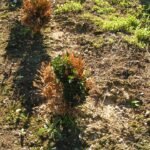 DiseasePhytophthora root and crown rotPhytophthora nicotianae
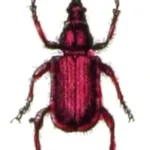 PestPeach weevilRhynchites bacchus
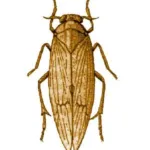 PestBrown planthopperNilaparvata lugens (Stål)
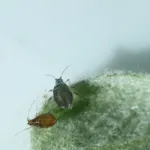 PestRosy Apple AphidDysaphis plantaginea
Toxicity and pollen
Agave sap contains irritating compounds and calcium oxalate crystals that can cause painful skin, eye, and mouth irritation; sharp leaves also create a mechanical injury risk. Prevent contact with sap during cutting or transplanting by wearing gloves and eye protection. Do not allow children or animals to chew the leaves.
- Typical season
- Late spring through summer during flowering
- Pollination / pollen
- Heavy pollen in insect-visited flowers; limited airborne dispersal
Agave lophantha is insect- or bird-visited rather than a wind-pollinated grass-like plant, so airborne pollen exposure is expected to be relatively limited. However, flowering plants are not automatically allergy-free. Avoid handling flowering stalks closely if sensitive, and rely on local symptoms or medical advice for personal allergy decisions.
Native habitat
Native populations occur from southwestern Texas into northeastern and north-central Mexico, generally in hot, dry shrubland and desert-edge environments. It is associated with sunny exposures and soils that drain quickly after infrequent rainfall. Summer heat is readily tolerated, while cold, wet winter soil is a greater cultivation hazard than brief dry frost.
Interesting fact
The rosette usually flowers only once, then declines after producing its tall inflorescence. Offset production allows the plant to persist as a clonal colony. It is one of the more cold-tolerant agaves used in temperate US gardens. Leaf color and central striping vary considerably among cultivated selections.
Frequently asked questions (FAQ)
The most relevant questions about this plant, with short and direct answers.
🌱Quick care
How do you care for Thorn-crested Agave (Agave lophantha)?⌄
Grow Thorn-crested Agave in full sun to partial shade, sharply drained gritty soil, and with low watering. Let the soil dry completely before watering again, especially during cool or wet weather.
How large does Agave lophantha get?⌄
A mature Agave lophantha commonly forms a rosette about 2 feet tall and 2–3 feet wide. Clumping offsets can eventually make the planting substantially wider.
🌤️Environment and placement
How much sun does Agave lophantha need?⌄
Agave lophantha grows best in full sun but tolerates partial shade. Provide more light gradually when moving a plant outdoors to prevent sunburn.
Can Agave lophantha grow in partial shade?⌄
Yes, Agave lophantha can grow in partial shade, although it may develop looser growth and less intense leaf coloring. Bright light or morning sun with afternoon protection is generally suitable in very hot climates.
Is Agave lophantha cold hardy?⌄
Agave lophantha is relatively cold-hardy and may tolerate temperatures around 10–15°F when kept dry, but hardiness varies by plant and cultivar. Protect it from prolonged freezes and cold, wet soil.
What USDA hardiness zone is Agave lophantha?⌄
Agave lophantha is commonly grown in USDA Zones 8–10, with some established plants surviving colder conditions in sheltered, dry locations. Winter protection is advisable near the lower end of that range.
Can Thorn-crested Agave survive winter outdoors?⌄
It can survive winter outdoors in mild parts of the United States if planted in fast-draining soil and protected from prolonged freezing rain. In colder zones, use an overhead cover, container culture, or move it indoors before severe freezes.
Where should you plant Thorn-crested Agave?⌄
Plant Thorn-crested Agave in a rock garden, dry border, desert-style bed, or container where its spines will not contact people. Keep it away from sidewalks, driveways, doorways, and other high-traffic areas.
💧Care and problems
How often should you water Agave lophantha?⌄
Water thoroughly only after the soil has dried completely. The interval may range from every couple of weeks in hot summer weather to rarely in winter, depending on rainfall, temperature, and drainage.
Can you overwater Agave lophantha?⌄
Yes, overwatering can cause root rot and may kill the plant. Avoid frequent sips of water, containers without drainage holes, and wet winter conditions.
Why is my Agave lophantha turning yellow?⌄
Yellowing leaves most often indicate excess moisture, poor drainage, or root stress, although intense heat can also temporarily affect foliage color. Check the roots and soil moisture before watering again.
Why are the leaves of my Agave lophantha soft or collapsing?⌄
Soft or collapsing leaves usually indicate rot from overwatering, poor drainage, or cold moisture. Remove damaged tissue, inspect the roots, and keep the plant dry while correcting the growing medium.
Does Agave lophantha need fertilizer?⌄
Agave lophantha generally grows well without fertilizer. If growth is weak, apply a dilute, slow-release succulent fertilizer in spring or early summer, avoiding heavy feeding.
🪴Planting and repotting
What soil is best for Agave lophantha?⌄
Use gritty, sandy, or rocky soil that drains sharply. A cactus or succulent mix amended with pumice, perlite, or coarse grit is safer than heavy garden soil.
Can Agave lophantha be grown in a container?⌄
Yes, Agave lophantha grows well in a container with drainage holes and a gritty succulent mix. Choose a heavy, stable pot and leave room around the sharp leaves for safe handling.
When should Agave lophantha be repotted?⌄
Repot Agave lophantha in spring or early summer when the plant has outgrown its container or the soil drains poorly. Use a slightly larger pot, handle the roots gently, and wait several days before watering.
How do you plant Agave lophantha in the ground?⌄
Plant it slightly above surrounding soil in a sunny location with excellent drainage. In heavy clay or wet regions, use a raised mound or rock garden rather than planting directly into unamended ground.
✂️Propagation and pruning
Does Agave lophantha produce pups?⌄
Yes, Agave lophantha commonly produces offsets, or pups, around the parent rosette and may form a spreading colony. Remove some offsets if you want to maintain a single specimen.
How do you propagate Agave lophantha from offsets?⌄
Separate a rooted offset with a clean knife or shovel, allow any cut surface to dry for several days, and plant it in dry, sharply drained soil. Begin light watering only after signs of rooting or new growth appear.
Can Agave lophantha be grown from seed?⌄
Yes, Agave lophantha can be grown from seed, but seed propagation is slower and less predictable than using offsets. Seedlings need warmth, bright light, and careful moisture control while young.
Should you remove Agave lophantha pups?⌄
Remove pups if the colony becomes crowded, blocks a walkway, or creates a hiding place for pests. Leave them attached if you want a natural clump and the planting has adequate space.
Can you cut back Agave lophantha leaves?⌄
Remove only dead, badly damaged, or hazardous leaves with clean tools. Avoid routinely trimming healthy leaves because cuts can disfigure the rosette and expose you to sharp spines and irritating sap.
⚠️Toxicity and safety
How dangerous are Agave lophantha spines?⌄
The leaf tips and marginal teeth are very sharp and can puncture skin or injure eyes. Plant it away from paths and play areas, and wear thick gloves and eye protection when handling it.
Is Agave lophantha poisonous to people or pets?⌄
Its sap is irritating and may cause skin, mouth, or eye reactions, while the spines can cause puncture injuries. Keep pets and children away from the plant and seek medical or veterinary advice after significant exposure.
Can Agave lophantha cause skin irritation?⌄
Yes, sap from Agave lophantha can irritate skin and may cause a stronger reaction in sensitive people. Wear gloves, long sleeves, and eye protection when cutting, dividing, or repotting it.
🌸Flowering and special interest
How long does it take Agave lophantha to flower?⌄
Agave lophantha usually takes several years to reach flowering maturity, but the timing can vary widely with age, climate, cultivation, and plant size. It flowers only once in its lifetime.
What does an Agave lophantha flower look like?⌄
A mature Agave lophantha produces a tall flower stalk, often about 12 feet high, bearing greenish-yellow to pale yellow flowers. The stalk may appear suddenly after years of vegetative growth.
Does Agave lophantha die after flowering?⌄
Yes, the flowering rosette normally declines and dies after blooming. Its offsets usually survive and can replace the parent plant if they are allowed to root.
When does Agave lophantha bloom?⌄
Agave lophantha generally blooms in late spring or early summer when mature, although flowering season varies by climate. Established plants may remain vegetative for many years before producing a stalk.
Similar plants
 Azure Monkshood (Aconitum carmichaelii) care guideAconitum carmichaelii
 Monkshood (Aconitum ‘Stainless Steel’)Aconitum 'Stainless Steel'
 Monkshood (Aconitum ‘Bressingham Spire’)Aconitum 'Bressingham Spire'
 Golden full moon maple (Acer shirasawanum ‘Aureum’)Acer shirasawanum 'Aureum'
 Globosum (Acer platanoides ‘Globosum’)Acer platanoides 'Globosum'
 Striped maple (Acer pensylvanicum) care guideAcer pensylvanicum