
 Source:
 Agave filifera short overview
Agave filifera is a compact, evergreen rosette-forming succulent native to central Mexico. Its dark green leaves are lined with conspicuous white, threadlike fibers that curl from the margins, creating a finely decorated appearance. Give it bright light, very sharp drainage, and infrequent but thorough watering. In much of the United States it is best grown in a container or protected rock garden because prolonged wetness and freezing temperatures can damage the rosette.
Taxonomic classification
Agave filifera care guide
Light and placement
Provide full sun for the strongest form, with afternoon shade in very hot inland climates or during abrupt acclimation. A south- or west-facing position is suitable if drainage is excellent. Too little light causes stretched growth and weaker coloration; intense reflected heat combined with sudden exposure can scorch leaves. Rotate containers periodically for even growth.
Watering and humidity
Water deeply, then allow the mix to dry thoroughly before watering again. During warm active growth, the interval may be roughly every 2–4 weeks depending on pot size, heat, and rainfall; reduce sharply in winter and keep the crown dry. Never leave the container standing in water. Humidity is not a special requirement.
Soil and growing medium
Use a porous mineral-heavy succulent mix containing grit, pumice, coarse sand, or other drainage material. The root zone should dry readily between waterings. Slightly acidic to slightly alkaline soil is generally suitable, but persistently wet or compacted soil is unsuitable and can cause crown or root rot.
Feeding
Feed sparingly in spring and summer with a balanced, low-nitrogen fertilizer diluted to about one-quarter to one-half strength. Do not fertilize newly repotted or drought-stressed plants, and avoid feeding during cool, dark, or inactive winter conditions.
Growth and habit
Forms a solitary, compact rosette that may produce offsets over time. Growth is generally steady but not rapid, with faster development under strong light, warm temperatures, and a long dry season. Avoid frequent disturbance because the plant stores water in its fleshy leaves and roots.
Planting and repotting
Plant after the danger of hard frost has passed, setting the crown at the same depth as it was previously grown. In the ground, place it in a raised or sloping site where rain drains away quickly. Space plants according to the expected rosette diameter and leave room for offsets.
Repot in spring when the container is crowded or the mix has degraded. Choose a pot only slightly larger than the root ball and use a drainage hole. Handle the rosette with care because the leaf tips and marginal spines can injure skin.
Propagation and pruning
Propagation
Propagate from offsets when present, allowing detached offsets to callus briefly before potting into a dry, gritty mix. Seed propagation is possible but slower and less predictable. Keep newly rooted offsets only lightly watered until roots are established.
Pruning
Little pruning is needed. Remove fully dead leaves from the base with a clean, sharp tool, taking care around the terminal and marginal spines. Do not cut healthy leaves merely to reshape the rosette.
Overwintering
Keep plants protected from prolonged freezing and winter wet. In colder U.S. regions, move containers indoors before temperatures approach the mid-20s °F, place them in the brightest available window, and water only sparingly. Outdoor specimens benefit from rain shelter and a dry mineral mulch.
Uses
Primarily used as an architectural specimen in rock gardens, gravel landscapes, succulent collections, and containers. Its compact rosette and threadlike leaf fibers provide year-round ornamental interest. It is not treated here as an edible or medicinal plant.
Appearance
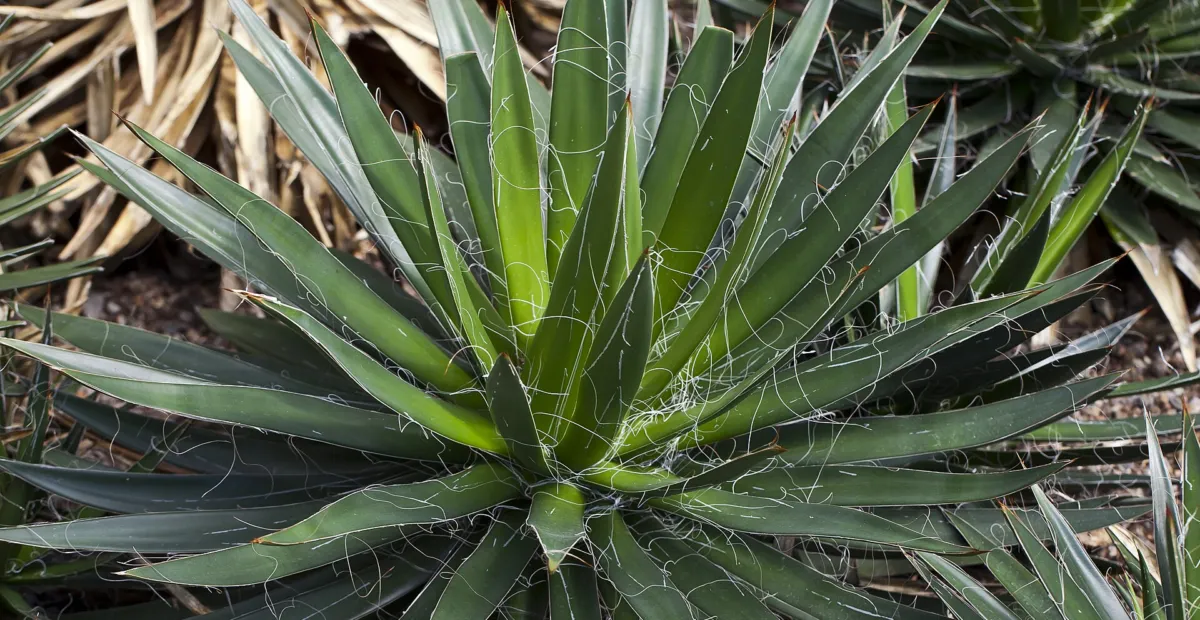
The plant forms a dense, symmetrical rosette of narrow, stiff, dark green leaves. White threadlike fibers curl from the leaf margins and are the key visual identification feature. Leaves terminate in sharp spines, while mature plants can produce a tall branched flowering stalk. The rosette remains evergreen in suitable conditions.
Flowering
This species is monocarpic: a mature rosette eventually sends up a tall flowering stalk, blooms, and then dies after flowering. The exact flowering age and seasonal timing vary with climate and cultivation. Offsets produced before flowering can preserve the planting.
Pollination and visitors
Reliable species-specific visitor records were not located. As with other flowering agaves, the tall inflorescence may be visited by insects, but a stronger attraction claim for Agave filifera alone would be uncertain.
Agave filifera photos
Click any photo for a larger view. Source, author and license are shown separately.
Diseases and pests
Diseases
The main risk is rot caused by excessive moisture, especially in heavy soil or during cool weather. Improve drainage, avoid standing water in the crown, and remove badly rotted tissue only when necessary with a sterile tool. Good airflow and dry foliage reduce problems.
Pests
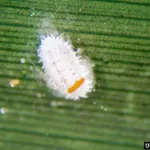
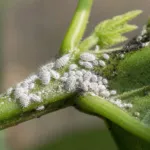
Watch for agave snout weevil where it occurs, along with scale insects and mealybugs in stressed or container-grown plants. Inspect leaf bases and the crown regularly. Isolate affected containers, remove minor infestations, and use a labeled control appropriate for succulents when needed.
Related diseases and pests
Only Plant Doctor profiles whose host data indicate this plant may be affected are shown here.
Toxicity and pollen
Species-specific toxicology data are limited. Agave sap and sharp leaf margins can cause mechanical injury and skin irritation; ingestion may cause gastrointestinal upset or irritation. Wear gloves and eye protection when cutting or handling damaged leaves, and keep pets and children from chewing the plant.
- Pollination / pollen
- Not well documented for this species
No dependable species-specific airborne-pollen or clinical allergy assessment was located. The flowers are insect-associated rather than documented here as a major wind-pollen source, but sensitive individuals should still avoid handling flowering structures if symptoms occur.
Native habitat
Native to central Mexico, from Querétaro to México State, where it occurs in subtropical settings. Natural sites are typically seasonally dry and well drained, with mineral soils and pronounced wet-dry cycles rather than continuously moist ground.
Interesting fact
The epithet filifera refers to the threadlike fibers along the leaf margins. The species is accepted as distinct and is native to central Mexico. Its flowering rosette dies after producing the inflorescence, while offsets may continue the clump.
Frequently asked questions (FAQ)
The most relevant questions about this plant, with short and direct answers.
🌱Quick care
How do you care for Agave filifera indoors?⌄
Give Agave filifera bright light, gritty fast-draining soil, and water only when the soil has dried completely. Keep it away from cold drafts and avoid letting water sit in the rosette or saucer.
How often should you water Agave filifera?⌄
Water Agave filifera thoroughly only after its potting mix has dried out. It may need more frequent watering during active summer growth and much less during cool, low-light winter conditions.
Does Agave filifera need full sun?⌄
Agave filifera grows best in full sun to partial shade. Provide strong filtered light indoors, and acclimate it gradually before moving a plant into intense direct outdoor sun.
Is Agave filifera easy to grow?⌄
Agave filifera is generally easy to grow when given bright light, sharply drained soil, and restrained watering. Most problems come from overwatering, poor drainage, insufficient light, or frost exposure.
🌤️Environment and placement
Where should I plant Agave filifera outdoors?⌄
Plant Agave filifera in a sunny, dry location with excellent drainage, such as a rock garden, raised bed, gravel garden, or container. Leave enough space around the rosette for its sharp leaf tips and marginal spines.
What USDA hardiness zone is Agave filifera?⌄
Agave filifera is best treated as a warm-climate agave, commonly grown outdoors in USDA Zones 9 and warmer. In colder areas, grow it in a container or protect it from prolonged freezing and winter wet.
Can Agave filifera tolerate frost?⌄
Agave filifera can tolerate brief light chills when dry, but prolonged freezing can damage or kill it. Move container plants under cover and protect outdoor plants before hard freezes, especially when the soil is wet.
Can Agave filifera grow in partial shade?⌄
Agave filifera can grow in partial shade, particularly in hot climates where afternoon protection reduces scorching. Too little light can produce a looser, less compact rosette and weaker growth.
How large does Agave filifera get?⌄
Agave filifera usually forms a compact rosette roughly 1 to 2 feet tall and wide, although size varies with growing conditions and plant form. Allow additional clearance because the leaves have pointed tips.
Is Agave filifera drought tolerant?⌄
Yes, Agave filifera is drought tolerant once established because its thick leaves store water. Drought tolerance depends on excellent drainage, and newly planted specimens still need occasional deep watering while roots establish.
💧Care and problems
What is the best soil for Agave filifera?⌄
Use porous, gritty succulent soil that drains rapidly, with little organic material and no tendency to stay wet. A commercial cactus mix amended with pumice, perlite, or coarse mineral grit is suitable.
Why is my Agave filifera turning yellow?⌄
Yellowing leaves most often indicate excess moisture, poor drainage, or root stress, although older outer leaves naturally yellow and decline. Check the roots and soil before watering again, and remove only leaves that are fully dead.
Why is my Agave filifera becoming soft?⌄
Soft, translucent, or collapsing leaves usually indicate overwatering, rot, cold damage, or a combination of these stresses. Stop watering, inspect the base and roots, and remove rotten tissue if the damage is localized.
Why does my Agave filifera have brown leaf tips?⌄
Brown tips can result from physical damage, intense sun after a sudden move, dry root conditions, or cold injury. Correct the environmental stress, but damaged tissue will not turn green again.
Should I fertilize Agave filifera?⌄
Fertilizing is optional because Agave filifera grows slowly and tolerates lean soil. If you feed it, use a diluted low-nitrogen cactus fertilizer during the growing season and avoid fertilizing stressed or dormant plants.
How do I repot Agave filifera safely?⌄
Repot Agave filifera into a container with drainage holes and only slightly more room than the root ball. Wear thick gloves, handle the plant by its root area rather than the leaf tips, and wait several days before watering.
🪴Planting and repotting
When is the best time to plant Agave filifera?⌄
Plant Agave filifera outdoors during mild spring or early summer weather, after the risk of hard frost has passed. In hot regions, fall can also work if the plant has time to root before cold, wet weather.
Can Agave filifera grow in a container?⌄
Yes, Agave filifera grows well in a container with a drainage hole and a gritty succulent mix. Use a heavy, stable pot to reduce tipping and keep the container sheltered from prolonged freezing.
Does Agave filifera need a drainage hole?⌄
Yes, Agave filifera should be grown in a pot or planter with a drainage hole. A hole allows excess water to escape; a layer of gravel alone does not correct a container with poor drainage.
✂️Propagation and pruning
How do you propagate Agave filifera?⌄
Propagate Agave filifera mainly from offsets, or pups, that develop around the parent rosette. Separate a well-rooted offset with a clean tool, allow any cut surface to dry briefly, then plant it in dry gritty mix.
Does Agave filifera produce pups?⌄
Agave filifera can produce offsets around the base, although the number varies by plant and growing conditions. Leave pups attached for a fuller clump or separate them once they have developed their own roots.
Can Agave filifera be grown from seed?⌄
Yes, Agave filifera can be grown from seed, but seed propagation is slower and requires fresh, viable seed and careful moisture control. Sow on a sterile, well-draining medium and keep seedlings lightly moist rather than waterlogged.
Should I prune Agave filifera?⌄
Agave filifera generally needs little pruning beyond removing completely dead or badly damaged outer leaves. Do not cut healthy leaves to reshape the rosette, and use gloves and eye protection because the foliage is sharp.
⚠️Toxicity and safety
Is Agave filifera poisonous to dogs or cats?⌄
Agave filifera should be treated as unsafe for pets to chew because its sap may irritate and its leaves can cause mechanical injury. Keep it away from animals and contact a veterinarian if a pet ingests plant material or develops symptoms.
Is Agave filifera poisonous to humans?⌄
Agave filifera has irritating sap and sharp spines, so handle it as a potentially hazardous plant. Ingestion risk for this exact species is insufficiently characterized; keep it away from children and wash exposed skin promptly.
How should I handle Agave filifera without getting hurt?⌄
Wear thick gloves, long sleeves, and eye protection when planting, repotting, dividing, or pruning Agave filifera. Keep the plant away from walkways, play areas, and places where people or pets may brush against its spines.
🌸Flowering and special interest
Does Agave filifera flower?⌄
Yes, Agave filifera flowers only after reaching maturity, producing a tall flower stalk with pale greenish to yellow flowers. Flowering is a major event in the plant’s life cycle and is typically followed by decline of the flowering rosette.
How long does it take Agave filifera to flower?⌄
Agave filifera may take many years to flower, and the timing varies with age, climate, light, and cultivation. A plant that has never bloomed may simply be immature rather than unhealthy.
Does Agave filifera die after flowering?⌄
The rosette that flowers normally declines and dies after producing its inflorescence because Agave filifera is monocarpic. Offsets may survive around the base, allowing the clump to continue growing.
Similar plants
 Azure Monkshood (Aconitum carmichaelii) care guideAconitum carmichaelii
 Monkshood (Aconitum ‘Stainless Steel’)Aconitum 'Stainless Steel'
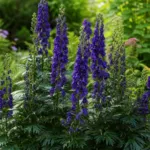 Monkshood (Aconitum ‘Bressingham Spire’)Aconitum 'Bressingham Spire'
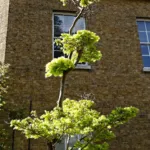 Golden full moon maple (Acer shirasawanum ‘Aureum’)Acer shirasawanum 'Aureum'
 Globosum (Acer platanoides ‘Globosum’)Acer platanoides 'Globosum'
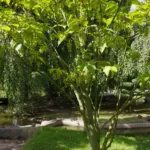 Striped maple (Acer pensylvanicum) care guideAcer pensylvanicum