
 Source:
 Acanthocalycium thionanthum short overview
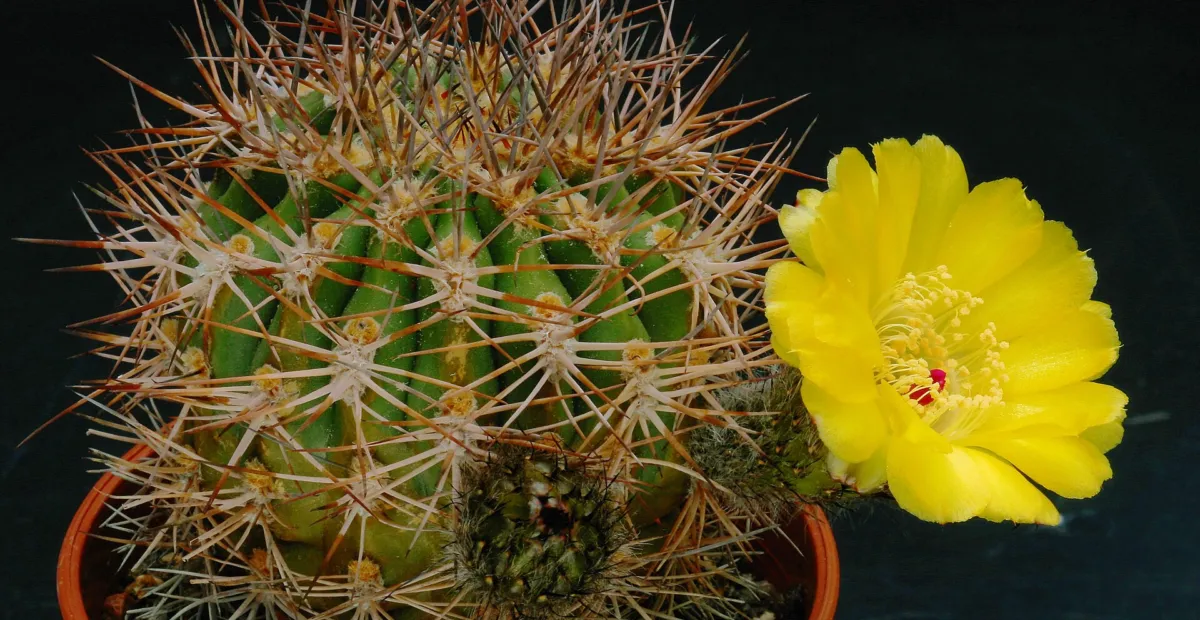
Acanthocalycium thionanthum is a variable, solitary cactus from the dry mountain regions of northwestern Argentina. Its rounded to short-columnar green or gray-green stems carry low, notched ribs and gray spines, while mature plants can produce large, funnel-shaped daytime flowers in yellow and sometimes other colors. In cultivation, it prefers strong light, gritty drainage, restrained watering, and a cool, dry winter rest.
Taxonomic classification
Acanthocalycium thionanthum care guide
Light and placement
Provide several hours of direct sun daily, ideally in a south- or west-facing window, greenhouse, or rain-protected outdoor position. Acclimate gradually to intense outdoor sun to prevent bleaching or scorch. Weak, stretched growth and poor flowering indicate insufficient light; pale patches or corking can indicate excessive heat, abrupt exposure, or poor airflow.
Watering and humidity
Water thoroughly only after the mix has dried well, allowing excess water to drain completely. During the warm growing season, the interval may range from about every 2–4 weeks depending on pot size, heat, and airflow. Reduce watering sharply in fall and keep nearly dry during a cool winter rest. Never leave the pot standing in water.
Soil and growing medium
Use a very porous cactus mix dominated by mineral components such as pumice, coarse sand, lava rock, or gravel. The substrate should drain immediately and dry substantially between waterings. A slightly acidic to neutral reaction is suitable; avoid dense organic soil and containers that remain wet around the roots.
Feeding
Feed only during active growth, typically from spring through summer. Use a balanced or low-nitrogen cactus fertilizer diluted to about one-quarter to one-half the label strength every four to six weeks, or apply a controlled-release cactus formulation. Do not fertilize newly repotted, dormant, cold, or drought-stressed plants.
Growth and habit
Usually solitary, with a globular to short-columnar body rather than a strongly branching habit. Growth is seasonal and relatively slow, with most development occurring in warm, bright months. A cool, dry winter rest helps maintain compact form and supports flowering in mature plants.
Planting and repotting
Plant outdoors only where winters are mild, dry, and reliably frost-free, or use a raised mineral bed under rain protection. Set the root collar at the original soil level rather than burying the stem. Establish during warm weather with sparse watering and excellent air circulation.
Repot in spring or early summer, preferably when the plant is beginning active growth. Handle with thick gloves or folded newspaper, inspect the roots, remove damaged material, and use a dry, gritty mix. Wait several days before watering after repotting so damaged roots can callus.
Propagation and pruning
Propagation
Propagate primarily from seed in spring or early summer using sterile, very free-draining media and warm, bright conditions. Seedlings need careful moisture control and gradual acclimation. Vegetative propagation is not a dependable general method for a solitary, non-offsetting specimen.
Pruning
No routine pruning is needed. Remove dead flowers or damaged tissue only when dry and clearly separated from healthy growth, using a sterile tool. Allow cuts to dry and keep the plant dry until healed.
Overwintering
Keep completely protected from frost. A bright, cool winter location around 45–55°F is useful if the plant remains dry; warmer indoor conditions require excellent light and very sparing water. Resume watering gradually in spring once active growth is visible.
Uses
Primarily an ornamental cactus for specimen containers, greenhouse collections, xeric displays, and protected rock gardens. Its architectural stem and large flowers make it useful as a focal plant. It has no well-supported culinary or medicinal use for this exact taxon.
Appearance
The plant is a leafless cactus with a rounded to short-columnar, dark green, gray-green, or glaucous stem. It commonly has about 9–15 rounded, slightly notched ribs with elliptical areoles. Gray spines may have darker tips, and central spines can be absent or present. Large flowers arise near the upper stem.
Flowering
Mature plants produce large, funnel-shaped flowers from areoles near the upper stem. Flowers open during the day, and documented forms vary in color, including yellow, orange-red, and white. Flowering is most likely during the warm growing season when the plant receives strong light and a cool, dry winter rest.
Pollination and visitors
Species-specific pollinator observations were not located in the reviewed sources. The flowers are open and conspicuous, but a definite visitor group should not be assigned without direct documentation.
Acanthocalycium thionanthum photos
Click any photo for a larger view. Source, author and license are shown separately.
Diseases and pests
Diseases
The main risk is root or stem rot caused by persistently wet, poorly drained media, especially during cool weather. Keep the crown dry, provide airflow, and remove affected tissue with a sterile blade if rot is localized. Discard severely collapsed plants and replace contaminated soil.
Pests
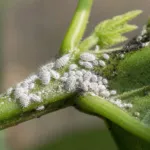
Watch for mealybugs, scale, spider mites, and root-feeding pests. Inspect areoles and the root zone regularly, isolate infested plants, remove light infestations mechanically, and use a labeled insecticide only as directed. Avoid routine spraying in hot sun or when the plant is stressed.
Related diseases and pests
Only Plant Doctor profiles whose host data indicate this plant may be affected are shown here.

Toxicity and pollen
No reliable species-specific toxicology record was located. The principal documented hazard is physical injury from the spines. Keep away from children and pets, avoid ingestion, and handle with protective gloves. Do not assume that a lack of toxicity reports proves complete safety.
- Pollination / pollen
- Flower pollen; airborne relevance undocumented
This is a flowering cactus that produces pollen, but reliable species-specific airborne pollen measurements or allergy case reports were not located. Keep the plant well ventilated during bloom and avoid handling flowers if pollen sensitivity is a concern.
Native habitat
Native to dry mountain and shrubland environments of northwestern Argentina, including parts of Catamarca, Salta, and Tucumán. It is associated with rocky soils and elevations reported around 1,500–3,000 meters, where intense light, rapid drainage, and marked seasonal dryness shape its growth.
Interesting fact
The species is highly variable in stem color, spine development, and flower color. Its native range spans dry mountain landscapes in northwestern Argentina at roughly 4,900–9,800 feet. The name thionanthum refers to sulfur-colored flowers. It has also been published under Echinopsis thionantha.
Frequently asked questions (FAQ)
The most relevant questions about this plant, with short and direct answers.
🌱Quick care
What is Acanthocalycium thionanthum?⌄
Acanthocalycium thionanthum is a small, spiny cactus in the Cactaceae family, native to northwestern Argentina. It is also encountered in cultivation under the synonym Echinopsis thionantha.
How much light does Acanthocalycium thionanthum need?⌄
Give Acanthocalycium thionanthum full sun or several hours of strong direct light daily. Indoors, a sunny south- or west-facing window is usually best.
How often should I water Acanthocalycium thionanthum?⌄
Water thoroughly only after the soil has dried completely. Water less often in fall and winter, and keep the plant nearly dry during cool dormancy.
What is the best soil for Acanthocalycium thionanthum?⌄
Use a gritty, mineral-rich cactus mix that drains quickly. Avoid dense potting soil because retained moisture can cause root rot.
Is Acanthocalycium thionanthum easy to grow?⌄
Yes, Acanthocalycium thionanthum is generally considered an easy cactus when given strong light, fast drainage, and restrained watering. The main cultivation risk is excess moisture.
🌤️Environment and placement
Can Acanthocalycium thionanthum grow indoors?⌄
Yes, it can grow indoors in a bright, sunny window or under a strong grow light. Good airflow and a dry winter rest help prevent weak growth and rot.
Can Acanthocalycium thionanthum grow outdoors in the United States?⌄
It can grow outdoors year-round only where winters are mild, dry, and frost-free. In colder parts of the United States, grow it in a container and bring it under shelter before freezing weather.
What USDA hardiness zones suit Acanthocalycium thionanthum?⌄
It is often listed for approximately USDA Zones 9a through 11b, but hardiness depends on keeping the plant dry during cold weather. Frost protection is recommended outside that range.
Can Acanthocalycium thionanthum tolerate frost?⌄
It may tolerate brief, light frost when completely dry, but it should not be treated as reliably frost-hardy. Protect it from freezing temperatures, especially when the soil is wet.
What winter temperature does Acanthocalycium thionanthum prefer?⌄
A cool, bright winter rest around 50–60°F can support dormancy and later flowering. Keep watering very limited or stop it when temperatures are cool.
Does Acanthocalycium thionanthum need humidity?⌄
No, it does not need high humidity and generally prefers dry air with good ventilation. Avoid placing it in a persistently damp, poorly ventilated room.
💧Care and problems
Why is my Acanthocalycium thionanthum turning bronze?⌄
Bronzing can occur under strong sunlight and is not necessarily a problem. If the tissue becomes bleached, scorched, or soft, provide temporary afternoon shade and check watering and heat stress.
Why is my Acanthocalycium thionanthum turning soft?⌄
Softness usually indicates overwatering, poor drainage, cold moisture, or advancing rot. Stop watering, inspect the roots, and remove damaged tissue before repotting into dry, gritty mix if necessary.
How do I prevent root rot in Acanthocalycium thionanthum?⌄
Use a pot with drainage holes, a porous mineral-heavy mix, and a soak-and-dry watering routine. Never leave the pot standing in water or water while the plant is cold and dormant.
Does Acanthocalycium thionanthum need fertilizer?⌄
Fertilizer is optional but can support growth and flowering during the active season. Use a diluted cactus fertilizer once or a few times in spring and summer, and do not fertilize during winter rest.
What pests attack Acanthocalycium thionanthum?⌄
Mealybugs, scale, and spider mites can occasionally affect Acanthocalycium thionanthum. Inspect the areoles and roots regularly, isolate infested plants, and treat promptly with a cactus-safe method.
Why is my Acanthocalycium thionanthum growing stretched or pale?⌄
Stretching and pale color usually mean insufficient light. Move it gradually into stronger light to reduce the risk of sunburn, rather than placing a previously shaded plant into intense sun immediately.
🪴Planting and repotting
What pot is best for Acanthocalycium thionanthum?⌄
Choose a small pot with a drainage hole, sized only slightly larger than the root system. Unglazed terracotta can help the mix dry faster, especially in humid areas.
When should I repot Acanthocalycium thionanthum?⌄
Repot in spring or early summer when the plant is beginning active growth. Repot sooner if the soil stays wet, the roots are crowded, or the mix has broken down.
How do I repot Acanthocalycium thionanthum safely?⌄
Handle it with thick gloves, folded cardboard, or cactus tongs, then place it in dry, well-draining mix. Wait several days before watering so any disturbed roots can dry and heal.
How large does Acanthocalycium thionanthum get?⌄
Acanthocalycium thionanthum usually remains a relatively compact cactus, commonly reaching roughly 4–8 inches across depending on the form and growing conditions. Some plants may become taller or produce offsets.
✂️Propagation and pruning
How do you propagate Acanthocalycium thionanthum?⌄
Propagation is primarily done from seed. Sow fresh seed on a sterile, gritty mix, keep it warm and lightly moist with ventilation, and protect young seedlings from intense direct sun.
How long do Acanthocalycium thionanthum seeds take to germinate?⌄
Seeds may germinate in about 1–2 weeks under warm conditions near 70–80°F. Germination can be uneven, so continue providing appropriate moisture and ventilation rather than discarding the tray too soon.
Can Acanthocalycium thionanthum be propagated from cuttings?⌄
Seed propagation is the more dependable method because the species is commonly solitary or only weakly offsetting. If an offset is produced, it can be separated only after it has formed suitable roots or a dry callus.
Should I prune Acanthocalycium thionanthum?⌄
Routine pruning is not needed. Remove only dead, damaged, or rotting tissue with a sterile tool, and allow cut surfaces to dry before watering.
⚠️Toxicity and safety
Is Acanthocalycium thionanthum toxic to pets?⌄
Species-specific toxicity information is limited, so it is safest to regard its toxicity as unconfirmed rather than assume it is harmless. The spines are the primary known hazard, and ingestion should be discussed with a veterinarian.
Is Acanthocalycium thionanthum poisonous to humans?⌄
There is no well-established species-specific poisoning profile, but the plant should not be eaten. Handle it carefully because its spines can puncture skin and cause painful injury.
How should I handle Acanthocalycium thionanthum without getting spines in my hands?⌄
Use thick gloves, folded newspaper or cardboard, or long-handled cactus tongs when moving it. Avoid squeezing the stem, because pressure can break the plant or drive spines into the skin.
🌸Flowering and special interest
When does Acanthocalycium thionanthum flower?⌄
It commonly flowers from spring into summer when mature and grown in strong light. The exact timing varies with climate, winter dormancy, age, and growing conditions.
What color are Acanthocalycium thionanthum flowers?⌄
The flowers are most often bright yellow, although orange, red, or paler forms are also reported. They appear near the upper part of the stem and have a bristly, scaled floral tube.
How old must Acanthocalycium thionanthum be before it flowers?⌄
Plants generally need to reach maturity before flowering, often after several years of growth. Strong light, adequate summer growth, and a cool, dry winter rest can improve flowering potential.
Why is my Acanthocalycium thionanthum not flowering?⌄
The most common causes are insufficient light, a warm winter without dormancy, excessive fertilizer, or a plant that is not yet mature. Provide brighter light, keep winter conditions cool and dry, and avoid forcing growth year-round.
Does Acanthocalycium thionanthum need a winter rest to bloom?⌄
A cool, dry winter rest can encourage flowering the following season. Keep the plant bright and nearly dry during dormancy, while still protecting it from frost and prolonged freezing temperatures.
Similar plants
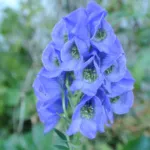 Azure Monkshood (Aconitum carmichaelii) care guideAconitum carmichaelii
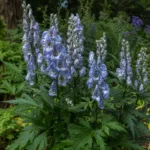 Monkshood (Aconitum ‘Stainless Steel’)Aconitum 'Stainless Steel'
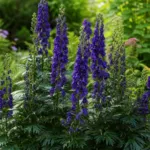 Monkshood (Aconitum ‘Bressingham Spire’)Aconitum 'Bressingham Spire'
 Golden full moon maple (Acer shirasawanum ‘Aureum’)Acer shirasawanum 'Aureum'
 Globosum (Acer platanoides ‘Globosum’)Acer platanoides 'Globosum'
 Striped maple (Acer pensylvanicum) care guideAcer pensylvanicum