
 Source:
 Queen of the night (Selenicereus grandiflorus) short overview
Selenicereus grandiflorus, commonly called queen of the night, is a tropical American epiphytic cactus with long, climbing stems and spectacular, fragrant white flowers that open after dark. In the United States it is usually grown in a container or protected greenhouse position, with bright filtered light, sharply draining soil, careful watering, and winter temperatures kept safely above freezing.
Taxonomic classification
Queen of the night (Selenicereus grandiflorus) care guide
Light and placement
Provide bright filtered light with gentle morning or late-afternoon sun. An east window, shaded west window, or bright greenhouse position is suitable. Too little light produces thin, weak, elongated growth and reduces flowering; harsh midday sun behind glass can scorch stems, causing bleached or corky patches. Acclimate gradually when moving outdoors.
Watering and humidity
Water thoroughly when the upper portion of the mix has dried, then let excess drain completely. During warm active growth, watering may be needed every 1–2 weeks depending on pot size, light, and airflow. Reduce frequency in winter, especially in cool rooms, and never leave the pot standing in water. Let the medium become substantially drier between waterings.
Soil and growing medium
Use a very porous cactus or epiphytic mix containing coarse mineral material, bark, and a modest amount of organic matter. Drainage is essential because the roots dislike stagnant moisture. A slightly acidic to neutral reaction is suitable; avoid dense garden soil and waterlogged compost.
Feeding
Feed only during active spring and summer growth, using a balanced or cactus fertilizer diluted to about one-quarter to one-half label strength every 4–6 weeks. Water first if the mix is dry. Stop feeding in autumn and during cool, low-light winter conditions.
Growth and habit
This perennial cactus produces vigorous, flexible, branching stems that climb or sprawl through surrounding vegetation. Train young growth early to a support, keep stems from resting in wet soil, and prune only when necessary to control congestion or maintain a manageable display.
Planting and repotting
Plant after the danger of frost in warm climates, at the same depth as the original root ball. Give each specimen a sturdy trellis, branch, or wall support. In colder parts of the United States, grow it in a container that can be moved indoors before temperatures approach the low 40s °F.
Repot in spring or early summer when active growth is beginning, using a stable container with drainage holes and a support for the climbing stems. Move up only one pot size. Allow damaged roots or cut surfaces to dry before watering again.
Propagation and pruning
Propagation
Root stem cuttings in warm weather after the cut surface has callused. Use a well-drained medium, bright indirect light, and restrained watering until roots form. Seed propagation is possible but slower and less uniform.
Pruning
Prune after flowering or during active growth to remove damaged, diseased, or badly tangled stems. Make clean cuts at joints, allow cut surfaces to dry, and retain healthy sections for propagation. Avoid heavy pruning immediately before expected flowering.
Overwintering
Move indoors before temperatures approach 40°F. Keep in the brightest available position, maintain good airflow, and water sparingly while growth is slow. Avoid cold, wet soil and sudden placement against a hot radiator. Resume more regular watering gradually when brighter spring growth begins.
Uses
Primarily an ornamental collector’s cactus for conservatories, warm patios, hanging displays, and trained vertical culture. Its flowers are valued for nighttime fragrance and dramatic size. Do not present traditional medicinal or edible uses as home remedies without specialist guidance.
Appearance
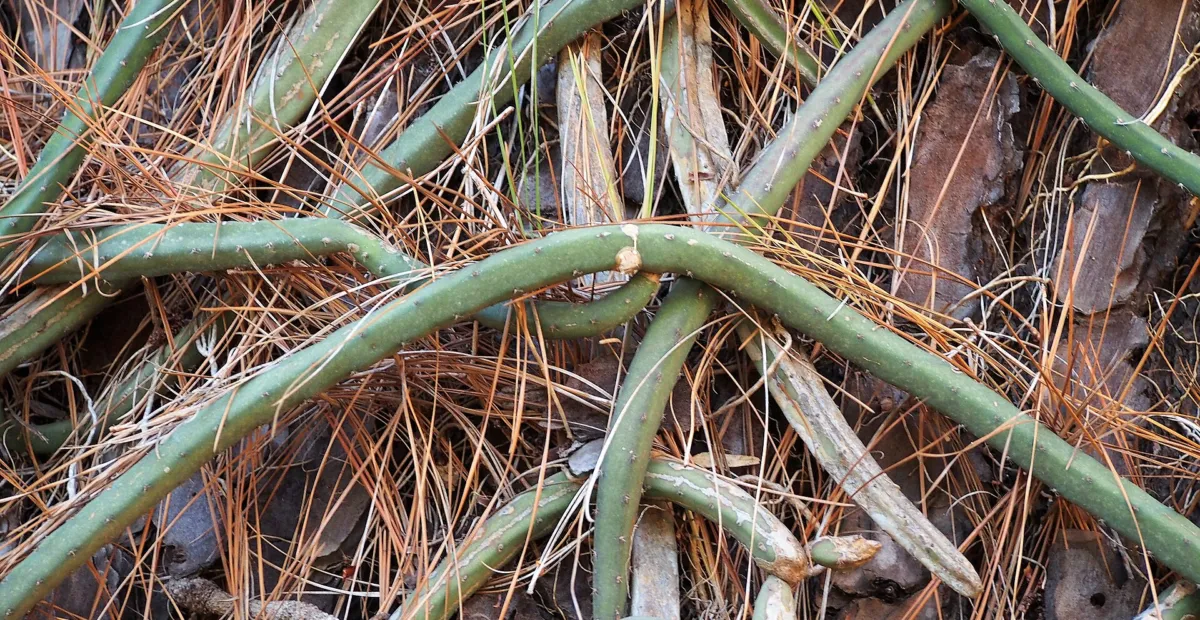
The plant has long, green, angular to ribbed stems with small areoles and short spines. Stems branch and climb or trail, often using neighboring vegetation or a supplied trellis for support. Its most distinctive feature is the exceptionally large, pale, fragrant flower that opens after sunset.
Flowering
The large, white, strongly fragrant flowers open at night and are typically short-lived, often lasting only through the night or into the following morning. Mature plants may produce several buds over a warm season, but timing and abundance vary with light, temperature, plant age, and winter rest.
Pollination and visitors
The large, pale, fragrant, night-opening flowers fit moth-pollination syndromes, and moths are the most defensible visitor group to list. A specific pollinator species is not sufficiently documented here, so no Latin species name is supplied.
Selenicereus grandiflorus photos
Click any photo for a larger view. Source, author and license are shown separately.
Diseases and pests
Diseases
The principal risks are root or stem rots caused by excess moisture, poor drainage, or cool wet conditions. Remove affected tissue with sterile tools, let cuts dry, improve airflow and drainage, and moderate watering. Avoid routinely wetting stems in cool weather.
Pests
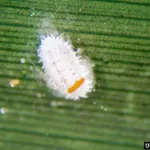
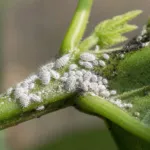
Watch for mealybugs, scale, spider mites, and fungus gnats in indoor collections. Inspect joints and sheltered stem areas, isolate affected plants, remove pests manually where practical, and use a labeled horticultural product only as directed. Correct low airflow, overcrowding, and chronically wet soil.
Related diseases and pests
Only Plant Doctor profiles whose host data indicate this plant may be affected are shown here.
Toxicity and pollen
Reliable species-specific human and pet toxicity evidence is limited. The plant has spines and may cause mechanical injury; sap, plant fragments, or flower material may irritate sensitive skin or the mouth if handled or chewed. Treat it as an ornamental cactus, prevent chewing, and seek professional advice after ingestion.
- Typical season
- Not a major seasonal airborne-pollen source in typical US cultivation
- Pollination / pollen
- Heavy pollen associated with flowers; not typically wind-dispersed
As an insect-pollinated cactus with large, night-opening flowers, it is not generally treated as a major airborne-pollen source in US gardens. However, a low allergy designation is not the same as proven zero risk; sensitive people should avoid handling pollen-covered floral parts.
Native habitat
It occurs in seasonally dry tropical regions from northeastern and southeastern Mexico through Guatemala and parts of the northern Caribbean. Plants may grow on trees or other supports, reflecting an epiphytic or hemi-epiphytic ecology rather than a permanently wet terrestrial habitat.
Interesting fact
The accepted species is native from Mexico through Guatemala and the northern Caribbean.
Its natural habit includes epiphytic and hemi-epiphytic growth.
The flowers are adapted for opening during the night.
Several historical names are treated as synonyms under this species.
The genus name refers to moonlight and candle-like cactus growth.
Frequently asked questions (FAQ)
The most relevant questions about this plant, with short and direct answers.
🌱Quick care
What is Selenicereus grandiflorus commonly called?⌄
Selenicereus grandiflorus is commonly called queen of the night. The name can also be applied to other night-blooming cacti, so the scientific name is the safest way to confirm the plant’s identity.
How do you care for queen of the night?⌄
Give queen of the night bright filtered light or gentle sun, a very well-drained mix, moderate water during active growth, and much less water in winter. Protect it from frost and temperatures below about 40°F.
Is queen of the night a cactus?⌄
Yes, queen of the night is a climbing, epiphytic cactus in the family Cactaceae. Unlike many desert cacti, it benefits from organic matter and more moisture during its growing season.
🌤️Environment and placement
How much light does Selenicereus grandiflorus need?⌄
Provide bright filtered light with some gentle direct sun, especially in spring. Strong, sudden afternoon sun can scorch stems that were grown indoors or in shade, so acclimate the plant gradually.
Can queen of the night grow indoors?⌄
Yes, queen of the night can grow indoors near a bright window or under a strong grow light. It usually needs a support, enough space for trailing stems, and protection from cold drafts.
Can queen of the night grow outdoors in the United States?⌄
Queen of the night can grow outdoors year-round only in warm, frost-free parts of the United States, generally USDA Zones 10–11. In cooler areas, grow it in a container and bring it indoors before temperatures approach 40°F.
What temperature is too cold for queen of the night?⌄
Protect queen of the night when temperatures fall to about 40°F or lower. It is frost tender, and freezing temperatures can severely injure or kill the stems.
Does queen of the night need a trellis?⌄
A trellis, stake, hanging basket, or other support is useful because Selenicereus grandiflorus produces long, climbing or trailing stems. Support also helps display the plant and can reduce stem damage.
Is queen of the night an epiphyte?⌄
Yes, Selenicereus grandiflorus is primarily an epiphytic or lithophytic cactus in nature. Its roots need excellent drainage, but its growing medium should contain more organic material than a typical dry-desert cactus mix.
💧Care and problems
How often should you water queen of the night?⌄
Water queen of the night thoroughly when the upper part of the mix has dried, then let excess water drain completely. Water more moderately during active growth and reduce watering substantially during the cooler winter rest.
Why is my queen of the night turning yellow or mushy?⌄
Yellow, soft, or mushy stems commonly indicate excess moisture, poor drainage, or root or stem rot. Remove the plant from wet soil, cut away damaged tissue, and allow healthy cut surfaces to dry before re-rooting in a porous mix.
Why is my queen of the night shriveling?⌄
Shriveling can result from underwatering, damaged roots, cold stress, or prolonged exposure to unsuitable soil moisture. Check the roots and potting mix before watering, because adding water to rotting roots can worsen the problem.
Why is queen of the night growing thin or weak?⌄
Thin, weak, elongated growth usually indicates insufficient light, although young or naturally slender stems can also look narrow. Move the plant gradually to brighter light and provide support rather than making a sudden change.
What soil is best for Selenicereus grandiflorus?⌄
Use a very well-drained cactus or epiphytic mix containing organic material and a substantial amount of coarse drainage material. The mix should hold some moisture during growth but never remain soggy around the roots.
Should you fertilize queen of the night?⌄
Feed queen of the night lightly during active growth with a diluted, balanced or cactus fertilizer. Avoid heavy feeding and generally stop fertilizing during the cool, drier winter rest.
🪴Planting and repotting
When should you repot queen of the night?⌄
Repot queen of the night during active growth, preferably in spring, when the plant can recover quickly. Move it into only a slightly larger container with drainage holes, since an oversized pot stays wet longer.
How do you repot Selenicereus grandiflorus?⌄
Use fresh, porous mix in a container with drainage holes, handle the spiny stems carefully, and keep the plant at the same depth as before. After repotting, allow damaged roots or stems to dry and resume careful watering rather than keeping the mix constantly wet.
Can queen of the night grow in a hanging basket?⌄
Yes, queen of the night grows well in a hanging basket if the container drains freely and the potting mix is porous. Make sure the basket can support the plant’s expanding stems and provide bright light.
✂️Propagation and pruning
How do you propagate queen of the night from cuttings?⌄
Take a healthy stem cutting, let the cut end callus for several days, and place it in a barely moist, very well-drained mix. Keep it warm and bright but out of harsh sun until roots form, then water more normally.
Can you grow Selenicereus grandiflorus from seed?⌄
Yes, Selenicereus grandiflorus can be grown from seed, but seedlings develop more slowly than plants from stem cuttings. Use a sterile, well-drained medium, provide warmth and bright indirect light, and keep the medium lightly moist during germination.
When is the best time to take queen of the night cuttings?⌄
The best time to take queen of the night cuttings is during the warm active-growing season. Cuttings usually root more reliably when they can receive warmth, bright light, and adequate—but not excessive—moisture.
Can you prune queen of the night?⌄
Yes, prune queen of the night to control length, remove damaged growth, or shape the plant around a support. Use clean tools, wear gloves, and allow fresh cuts to dry before exposing them to heavy moisture.
⚠️Toxicity and safety
Is queen of the night toxic to cats or dogs?⌄
Species-specific toxicity information for Selenicereus grandiflorus is limited, so it should not be treated as confirmed pet-safe. Keep it away from pets and children because the spines and plant sap may cause physical injury or irritation.
Does queen of the night have spines?⌄
Yes, queen of the night has spines or spine-bearing structures along its stems. Handle it with gloves and keep trailing or climbing growth away from walkways and areas used by children or pets.
Can queen of the night irritate skin?⌄
The spines can puncture or scratch skin, and plant sap may cause irritation in sensitive people. Wear gloves when pruning or repotting, and wash exposed skin after handling the plant.
🌸Flowering and special interest
When does queen of the night bloom?⌄
Queen of the night produces large, fragrant flowers that open after dusk and are typically enjoyed during the night. Exact flowering time varies with the plant, climate, light, maturity, and growing conditions.
How long does a queen of the night flower last?⌄
A queen of the night flower generally opens for one night and fades by the following day. Flowering is brief, so inspect developing buds in the evening and provide support for the heavy blooms.
Why is my queen of the night not flowering?⌄
Failure to flower is commonly related to insufficient light, a plant that is too young, excessive winter watering, or inadequate seasonal rest. Provide brighter acclimated light, keep winter conditions cooler and drier, and avoid heavy pruning before the budding season.
How old does queen of the night need to be before flowering?⌄
Queen of the night may need several years of growth before it flowers, especially when grown from seed. Mature, well-established plants with strong light and suitable seasonal care are more likely to bloom.
Does queen of the night need a winter rest to bloom?⌄
A cooler, drier winter rest can help queen of the night prepare for flowering. Keep it protected from temperatures below about 40°F, reduce watering, and avoid stimulating soft growth with frequent fertilizer.
How can you encourage queen of the night to bloom?⌄
Encourage flowering with bright light, healthy active-season growth, restrained winter watering, and a suitable support system. Avoid sudden environmental changes or heavy root disturbance when flower buds are developing.
Similar plants
 Azure Monkshood (Aconitum carmichaelii) care guideAconitum carmichaelii
 Monkshood (Aconitum ‘Stainless Steel’)Aconitum 'Stainless Steel'
 Monkshood (Aconitum ‘Bressingham Spire’)Aconitum 'Bressingham Spire'
 Golden full moon maple (Acer shirasawanum ‘Aureum’)Acer shirasawanum 'Aureum'
 Globosum (Acer platanoides ‘Globosum’)Acer platanoides 'Globosum'
 Striped maple (Acer pensylvanicum) care guideAcer pensylvanicum